
Guide to Monastère de Cimiez Architecture in Nice
Explore the stunning Monastère de Cimiez architecture in Nice. Our 2025 guide covers Gothic facades, rare art, and peaceful gardens. Plan your visit now!
On this page
Nice is a vibrant city known for its stunning coastal views and deep historical roots in southern France. The Monastère de Cimiez architecture stands as a primary symbol of this long and complex religious history today. You will find this peaceful complex situated high upon the hill within the elegant Cimiez residential area. This site offers a perfect escape from the busy streets located in the modern city center below. It remains an essential stop for anyone following a Cimiez neighborhood architecture guide during their vacation. The monastery combines medieval structures with later artistic additions to create a truly unique spiritual and visual experience.
Visiting the monastery allows travelers to step back in time while enjoying some of the best local views. The construction reflects the values of the Franciscan monks who have lived here for many long centuries now. You can see how the architectural styles changed from the ninth century through to the late nineteenth century. This guide will help you understand the specific design elements that make this holy site so special. Whether you love history or art, the Monastère de Cimiez architecture will certainly capture your creative imagination today.
Exploring the Detailed Monastère de Cimiez Architecture
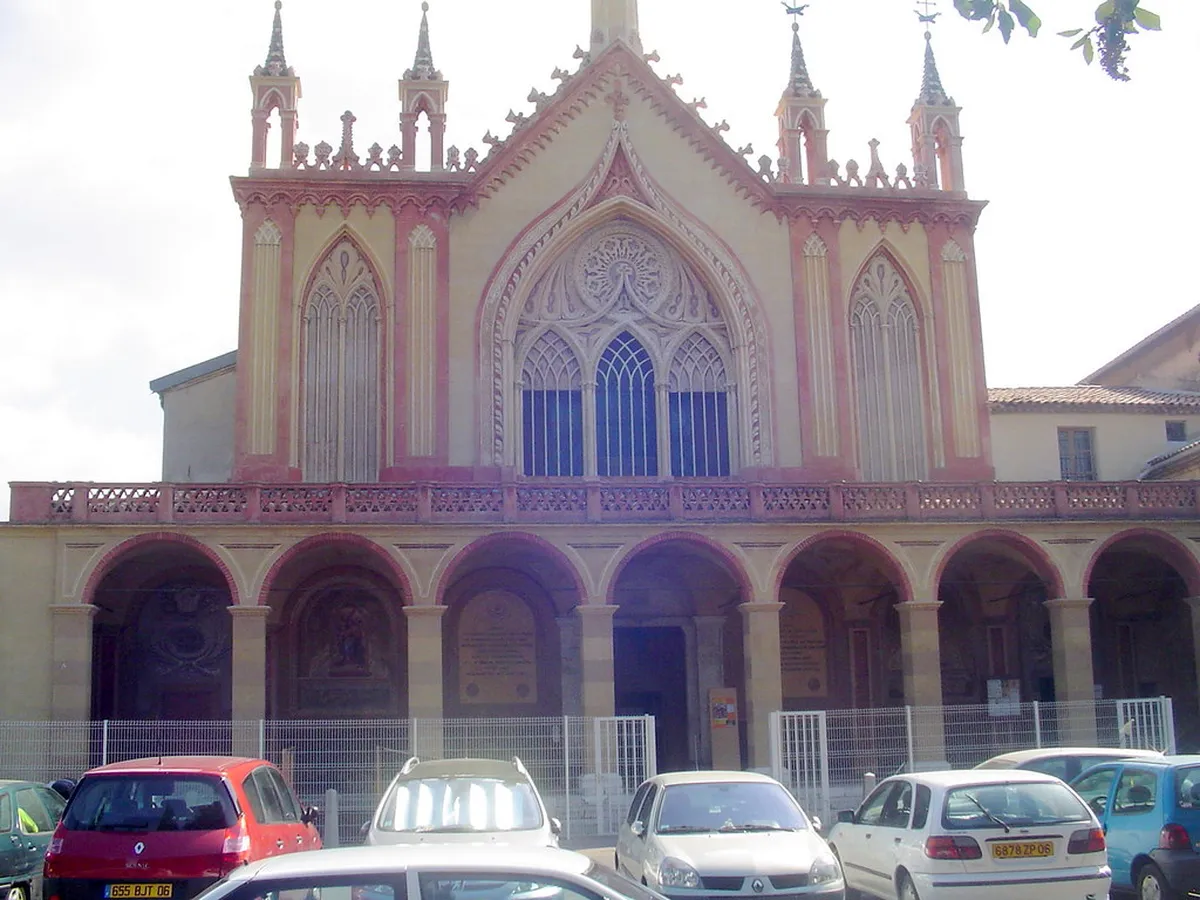
The exterior of the monastery church features a striking neo-Gothic facade that draws the eye of every visitor. Master builders added this detailed frontage during an extensive restoration project in the middle of the nineteenth century. The pointed arches and intricate stone carvings represent a revival of medieval styles popular during that specific era. You can spend many minutes admiring the delicate details carved into the light-colored stone of the main entry. These elements provide a grand introduction to the spiritual treasures that wait for you inside the holy building.
The monastery sits directly upon the ancient ruins of the former Roman city called Cemenelum in ancient times. This specific location provides a unique connection between classical antiquity and medieval religious life in southern France. Visitors often start their architectural journey by examining the heavy foundation stones that came from the Roman era. You can feel the weight of history as you walk through the entrance to the main courtyard today. The layers of stone tell a story of constant human occupation lasting for over two thousand years.
The facade also features several statues that represent important figures in the history of the Franciscan religious order. These figures stand within small niches that protect them from the elements while adding depth to the design. The use of vertical lines helps the building appear taller and more majestic against the bright blue sky. You should bring a camera to capture the play of light on these carved surfaces during the morning. The shadows create a dynamic look that changes as the sun moves across the horizon in Nice.
The porch area provides a transition from the public square into the quiet and sacred space of the church. It serves as a functional space where pilgrims have gathered for centuries to seek shade from the hot sun. The vaulted ceiling in this area shows the transition from simple structural needs to more decorative artistic goals. Look closely at the ceiling to find small decorative flourishes that many casual tourists often miss during visits. These subtle details make the Monastère de Cimiez architecture a masterclass in religious design and local French craftsmanship.
The surrounding walls of the monastery complex are thick and sturdy to provide protection and a sense of isolation. These walls create a clear boundary between the secular world and the contemplative life of the resident monks. The masonry work utilizes local limestone which gives the entire site a warm and very welcoming golden glow. In 2025, the conservation of these walls remains a top priority for the local heritage and history boards. This ensures that future generations can enjoy the same sense of awe when they visit this historic site.
Interior Art and Rare Baroque Influence
The interior of the church offers a stark contrast to the bright and sunny Mediterranean world found outside. Inside, you will discover a rich collection of religious art that spans several centuries of local cultural history. The church houses three major masterpieces by the famous artist Louis Bréa who worked during the late fifteenth century. These altarpieces are prime examples of the transition from late Gothic styles to early Renaissance artistic techniques. They are widely considered to be some of the most important religious paintings in all of southern France.
The layout of the nave is traditional yet intimate, allowing visitors to focus on the spiritual atmosphere of the space. You will notice that the side chapels contain many beautiful examples of Nicois Baroque churches and their decorative styles. The use of gold leaf and intricate plasterwork creates a sense of divine glory within the humble stone walls. These decorative elements were added to inspire the faithful and demonstrate the wealth of the monastery in past eras. Every corner of the interior holds a piece of history that reflects the changing tastes of the church.
The lighting inside the church is deliberately dim to protect the delicate wooden panels and ancient painted surfaces today. Small candles and filtered sunlight from high windows create a soft and very meditative environment for all who enter. This lighting scheme highlights the textures of the stone and the rich colors of the many various paintings. You should take a moment to sit in the wooden pews to fully appreciate the quiet architectural beauty. The silence of the interior helps visitors connect with the peaceful spirit of the Franciscan monks who live here.
The wooden choir stalls are another highlight of the Monastère de Cimiez architecture that deserve your close and careful attention. These seats were carved with great skill to provide comfort for the monks during their long hours of prayer. You can see small carvings on the armrests that depict scenes from the Bible or daily monastic life. These details show the human side of the artisans who dedicated their lives to decorating this sacred space. The dark wood provides a beautiful visual balance to the lighter stone walls found throughout the church.
The high altar serves as the focal point of the entire building and draws the gaze of every visitor. It is decorated with elaborate carvings and serves as the stage for the most important religious ceremonies and rites. The architectural framing around the altar helps to elevate its importance within the large and open church interior. You will find that the proportions of the space feel balanced and very harmonious to the human eye. This sense of balance is a hallmark of successful religious architecture from the late medieval period onwards.
The Peaceful Franciscan Cloister Design
The cloister is perhaps the most tranquil part of the Monastère de Cimiez architecture for any modern visitor to experience. This central courtyard features a covered walkway that surrounds a small and very well-maintained garden in the center. The arches of the cloister are supported by elegant columns that show a simple yet highly effective design. This space was designed for walking meditation and quiet reflection away from the distractions of the outside world. It remains one of the most photographed spots within the entire monastery complex for a very good reason.
The brickwork used in the cloister vaults shows the practical side of monastic construction during the sixteenth and seventeenth centuries. These materials were chosen for their durability and their ability to keep the walkways cool during hot summer days. You can see how the light creates interesting patterns on the floor as it passes through the open arches. The rhythm of the columns creates a sense of order and peace that is instantly felt by everyone. This design reflects the Franciscan focus on finding beauty in simple and very humble natural materials.
In the center of the cloister, you will find a small well that once served the practical needs of the community. Today, it stands as a symbolic center for the garden and adds to the overall charm of the space. The plants chosen for the garden are often those mentioned in religious texts or used for medicinal purposes. The scents of lavender and rosemary often fill the air as you walk along the old stone paths. This sensory experience is a vital part of the architectural charm of the Monastère de Cimiez site.
The walls of the cloister are decorated with frescoes that depict various scenes from the life of Saint Francis. While some have faded over time, they still offer a glimpse into the artistic traditions of the resident monks. These paintings were used as teaching tools for those who could not read the holy books in the past. They add a layer of color and narrative to the otherwise simple and austere stone structure of the walkway. You can spend an hour just following the stories told through these ancient and beautiful wall paintings.
Access to the cloister may be limited during certain times of the day when the monks are in prayer. It is always best to check the current visiting hours before you plan your trip to the monastery hill. The quiet atmosphere must be respected by all visitors to maintain the sanctity of the active religious community. This living connection to the past is what makes the Monastère de Cimiez architecture so unique and special. You are not just visiting a museum but a place where ancient traditions continue to thrive today.
Gardens and the Historic Cemetery Architecture
The gardens surrounding the monastery are famous for being the oldest olive grove in the entire city of Nice today. These ancient trees provide a silver-green canopy that offers cool shade to visitors during the hot summer months. The layout of the garden follows a classical French style with geometric paths and perfectly manicured hedges and lawns. This organized landscape provides a beautiful contrast to the rugged and natural beauty of the surrounding Mediterranean hillsides. It is the perfect place for a quiet stroll after exploring the interior of the church building.
The monastery garden also offers one of the most spectacular panoramic views of the city and the sea beyond. From the edge of the terrace, you can see the rooftops of Nice and the sparkling blue water. This vista explains why the Romans and later the monks chose this specific hill for their important local settlements. The architecture of the garden walls is designed to frame these views and create natural looking-glass points for visitors. You will find many benches where you can sit and enjoy the beauty of the French Riviera.
Adjacent to the monastery is a historic cemetery where many famous residents of the city of Nice are buried. The cemetery architecture features elaborate tombs and family vaults that reflect the wealth and status of the local elite. You can find the graves of world-renowned artists like Henri Matisse and Raoul Dufy within these quiet stone walls. The tombs themselves are works of art, featuring sculptures and intricate ironwork from the nineteenth and twentieth centuries. Walking through the cemetery provides a unique perspective on the cultural history and the artistic legacy of Nice.
The cemetery layout is terraced to follow the natural slope of the Cimiez hill and maximize the available space. This architectural solution creates a series of small, private areas that feel like hidden rooms within the larger complex. The use of cypress trees adds a vertical element to the landscape that is traditional for Mediterranean burial grounds. These trees represent eternal life and provide a sense of verticality that complements the tall stone monuments nearby. The entire area feels like a peaceful park where nature and architecture exist in perfect and quiet harmony.
Maintaining the cemetery architecture requires constant work from skilled stone masons and specialized local historical conservation experts in 2025. Many of the older tombs are made from delicate marble that can be damaged by the salty sea air. These restoration efforts ensure that the stories of the people buried here are not lost to the passage of time. As you walk among the graves, you can see the evolution of funerary art styles over two centuries. This adds another fascinating layer to your visit to the Monastère de Cimiez architecture complex this year.
Practical Tips for Your 2025 Architecture Tour
Visiting the Monastère de Cimiez is free for the public, but donations are always welcome to help with maintenance. The monastery is open most days, but you should avoid visiting during the scheduled times for holy mass services. You can reach the site easily by taking the local bus number five from the Nice city center area. The ride takes about fifteen minutes and offers a glimpse of the beautiful villas in the Cimiez neighborhood. Wearing comfortable walking shoes is highly recommended because there are many stone stairs and uneven paths to navigate.
The best time to visit the monastery is in the early morning or late afternoon for the best light. The morning sun illuminates the neo-Gothic facade, while the afternoon light is perfect for seeing the garden views. You should also plan to visit the nearby Matisse Museum which is located just a short walk away. This museum is housed in a stunning seventeenth-century villa that is also an architectural gem worth your time. Combining these two sites makes for a perfect half-day trip dedicated to art and history in Nice.
There is a small museum inside the monastery that explains the history of the Franciscan order in the region. This museum contains historical documents, religious clothing, and artifacts from the daily lives of the monks through the ages. It provides valuable context that will help you appreciate the Monastère de Cimiez architecture even more during your tour. The museum is usually open during the same hours as the church but may close for lunch. Be sure to check the small sign near the entrance for the most current daily operating schedule.
Photography is generally allowed in the gardens and the cemetery, but you must be careful inside the church building. Always look for signs regarding flash photography, as it can damage the ancient pigments on the old wooden paintings. Being respectful of the worshippers is the most important rule to follow while you are exploring the interior. Use a quiet voice and move slowly to avoid disturbing the peaceful atmosphere that the monks work to maintain. Your cooperation helps keep this historic site open and welcoming for all travelers who visit Nice.
After your visit, you can enjoy a picnic in the large park located just outside the monastery walls today. The Parc des Arènes de Cimiez is a popular spot for local families and features even more Roman ruins. This area is perfect for relaxing and reflecting on all the beautiful architecture you have seen during the morning. There are several small cafes nearby where you can buy a coffee or a traditional snack like socca. This complete experience will give you a deep appreciation for the unique heritage found on the Cimiez hill.
Frequently Asked Questions
Is there an entry fee to see the Monastère de Cimiez architecture?
No, there is no entry fee to visit the church or the gardens at the Monastère de Cimiez. The monks welcome visitors from all over the world to enjoy the beauty of their historic home. You may wish to leave a small donation in the box inside the church for maintenance. This helps the community preserve the ancient stones and rare artworks for future generations to see and enjoy.
Where is Henri Matisse buried in relation to the monastery architecture?
Henri Matisse is buried in the cemetery located immediately adjacent to the monastery church and the garden complex. You can find his simple and elegant grave by following the signs within the historic cemetery grounds today. His final resting place is a site of pilgrimage for art lovers who visit the nearby Matisse Museum. The cemetery itself is a vital part of the architectural and cultural tour of the Cimiez neighborhood.
Can I see the Roman ruins during a visit to the monastery?
Yes, the monastery is built right next to the ruins of the ancient Roman city known as Cemenelum. You can see the remains of the Roman amphitheater and the thermal baths just outside the monastery gates. These ruins are part of the larger archaeological park that visitors can explore for a small additional fee. The Monastère de Cimiez architecture literally sits on top of this ancient history, creating a fascinating mix of eras.
How do I get to the Cimiez hill from the center of Nice?
The easiest way to reach the Cimiez hill is by taking the local bus number five or thirty-three. These buses run frequently from the main areas of Nice and stop very close to the monastery entrance. The bus ride offers great views of the Belle Époque villas that define the architecture of this wealthy neighborhood. If you enjoy walking, the uphill hike from the Old Town takes about thirty to forty minutes.
The Monastère de Cimiez architecture remains a crown jewel of the cultural heritage found in the city of Nice. From its ancient Roman foundations to its nineteenth-century Gothic facade, every stone tells a story of faith and art. Visitors in 2025 will find a peaceful sanctuary that offers both historical depth and stunning natural Mediterranean beauty. We hope this guide helps you appreciate the many layers of design found within this unique religious complex. For more information on local sites, explore our comprehensive architecture in Nice guide to plan your next urban adventure. Nice is waiting to reveal its many architectural secrets to those who take the time to look closely.
Key Takeaways
- The monastery features a unique blend of Roman ruins, Gothic architecture, and Baroque interior art.
- Visitors can see rare fifteenth-century altarpieces by the master artist Louis Bréa inside the church.
- The site includes the oldest olive grove in Nice and offers panoramic views of the French Riviera.
- The adjacent cemetery is the final resting place of famous artists like Henri Matisse and Raoul Dufy.
- Entry is free, making it an accessible and essential stop for history and architecture lovers in 2025.
Related reads: architecturebycity.com, cemenelum roman ruins, matisse museum building design.