
Promenade des Anglais Architecture: A Nice Guide
Discover the Promenade des Anglais architecture in Nice for 2025. Learn about Belle Époque styles and iconic facades. Plan your visit today!
On this page
The Promenade des Anglais architecture stands as a stunning testament to the rich history of Nice. This famous walkway stretches along the Mediterranean Sea for seven kilometers of pure architectural beauty. Visitors in 2025 will discover a unique mix of grand hotels and very elegant apartment buildings. Exploring these structures provides deep insight into the luxurious past of the French Riviera.
The promenade was originally a small path funded by English residents during the nineteenth century. Today, it serves as a massive open-air museum showcasing the best of architecture in Nice. Many buildings along the sea date back to the golden age of the southern coast. You can see how the city changed from a quiet village into a world-class destination.
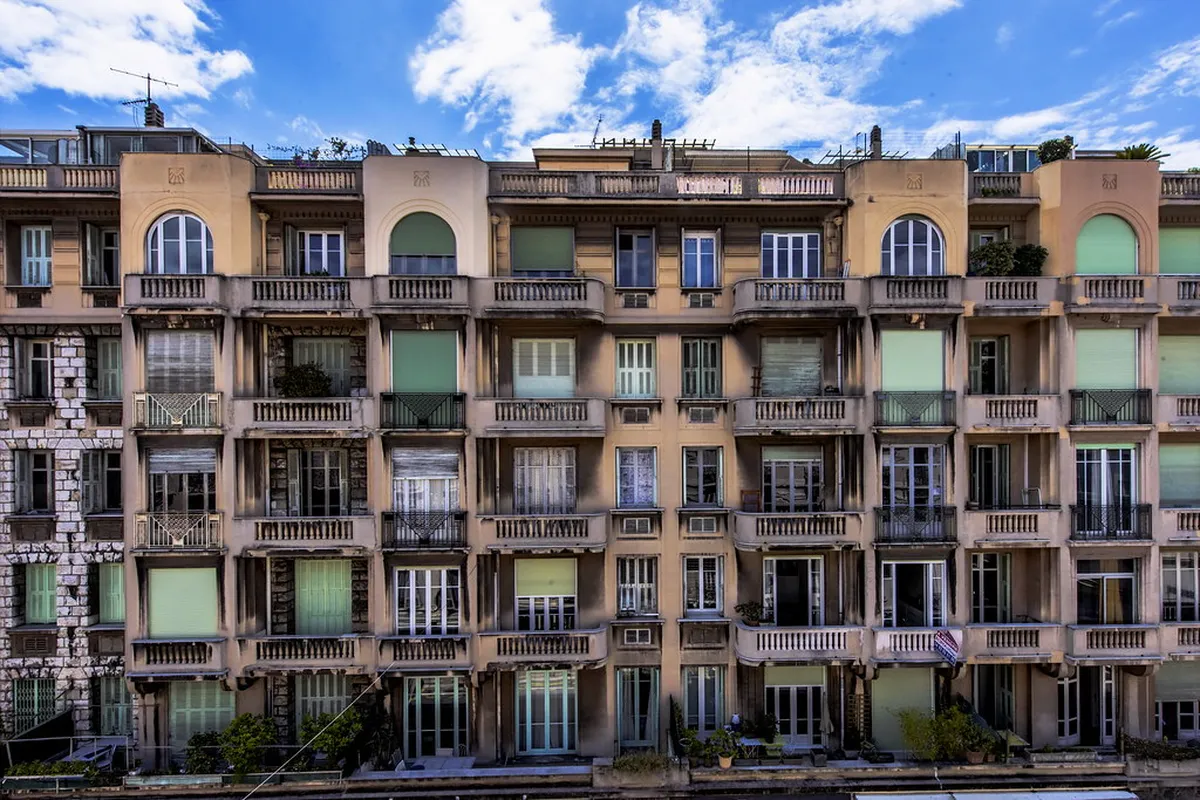
Walking along this path allows you to experience the evolution of European building styles first-hand. Most structures use a warm palette of yellow and soft pink to reflect the bright sunlight. These colors create a harmonious look that blends perfectly with the blue sea and sky. You will find that every building tells a unique story about the people who lived there.
The city works hard to maintain the original charm of these historic coastal palaces and hotels. These preservation efforts ensure that future generations can enjoy the beauty of the promenade forever. New construction projects must follow strict rules to match the existing aesthetic of the historic area. This commitment to heritage keeps the architectural spirit of Nice alive for everyone to see.
History of Promenade des Anglais Architecture
The Promenade des Anglais architecture began as a simple walkway for the English aristocracy in Nice. In the early nineteenth century, Reverend Lewis Way organized the construction of this coastal path. It allowed wealthy visitors to enjoy the sea air without walking on the rocky beach. Over the decades, this small path grew into a grand boulevard lined with majestic structures.
Many of the oldest buildings reflect the Belle Époque architecture in Nice during that era. Architects used decorative plaster and ornate ironwork to create a sense of extreme luxury. These facades often feature large balconies where residents could watch the sunset over the sea. Walking past these historic sites feels like stepping back into a time of great elegance.
The evolution of the promenade shows how the city adapted to new architectural trends over time. You will notice that the styles change as you walk further away from the old town. Each decade added a new layer of design to this world-famous Mediterranean shoreline. This variety makes the promenade a favorite spot for students of European urban design.
During the Victorian era, the promenade became the social center for the entire French Riviera region. The architecture was designed to impress visitors with grand entrances and very high ceilings. Many of these buildings originally served as winter residences for the Russian and British royalty. They wanted homes that reflected their status while providing a comfortable place to stay.
Today, you can still see the influence of these early designers in the current city landscape. The wide boulevards and symmetrical facades are hallmarks of the classic planning used in the 1800s. These elements help to give the promenade its sense of balance and timeless appeal. It remains one of the most photographed urban spaces in the entire world today.
The Grand Hotel Negresco Design Features
The Hotel Negresco is the crown jewel of the Promenade des Anglais architecture in Nice. Located at 37 Promenade des Anglais, this hotel opened in 1913 after many years of work. The architecture of Hotel Negresco features a famous pink dome designed by Gustave Eiffel. You can take a guided tour of the lobby for approximately fifteen euros in 2025.
The building's facade is a brilliant example of the Neo-Classical style with many ornate details. It features massive white columns and intricate carvings that decorate the windows on every floor. The pink dome is visible from miles away and serves as a landmark for the city. Its design was intended to be visible to sailors coming into the port of Nice.
Inside the hotel, the Royal Lounge features a massive glass ceiling that is truly a masterpiece. This ceiling was also designed by the workshop of Gustave Eiffel using very high quality materials. The interior design includes works of art that span several centuries of French cultural history. It feels more like a private museum than a typical hotel for tourists.
The hotel has hosted many famous guests including royalty, musicians, and world leaders since its opening. Each room is decorated in a different style to reflect a specific period of French art. This attention to detail makes the Negresco a unique landmark in the world of hotel design. It remains a family-owned business which helps to preserve its very unique and personal character.
In 2025, the hotel continues to invest in the restoration of its historic architectural features. Craftsmen work year-round to ensure the white stone and pink plaster remain in perfect condition. Visiting the Negresco is a must for anyone interested in the history of luxury architecture. It stands as a symbol of the glamour that defined the early twentieth century.
Art Deco Facades and Modernist Influence
The Palais de la Méditerranée is a prime example of Art Deco buildings in Nice. Located at 13 Promenade des Anglais, it features a massive white facade with stunning geometric patterns. This style became popular during the 1920s and 1930s as the city continued to expand. It offers a sharp contrast to the more decorative Belle Époque style found nearby.
The architects used clean lines and bold shapes to create a modern look for the seafront. You can see the influence of the machine age in the symmetrical window arrangements and towers. The facade includes large bas-reliefs that depict scenes of the sea and local maritime life. These carvings were made by famous sculptors of the time to enhance the building's beauty.
Many other residential buildings along the promenade also adopted the popular Art Deco style for their exteriors. These structures often feature rounded corners and flat roofs which were very modern for the time. They were designed to provide plenty of light and fresh air for the people living inside. This style represents the shift toward a more functional and modern way of living.
Walking along the promenade allows you to see how these different styles exist side by side. The transition from one era to the next is visible in the materials used for construction. You will see more concrete and glass in the buildings from the middle of the century. This mix of styles creates a diverse and interesting urban environment for all visitors.
The Palais de la Méditerranée now houses a luxury hotel and a grand casino for visitors. It remains one of the most important cultural landmarks on the Mediterranean coast today. The city protects the facade of the building to ensure its historic look never changes. It is a favorite spot for architectural photography because of its bold and clear lines.
Residential Palaces and Lost Architecture
Before the current buildings, the Palais de la Jetée once stood over the water. This crystal palace was a major social hub for visitors during the late Victorian era. It featured a casino, a theater, and grand halls for dancing on the water's edge. Sadly, the building was destroyed during World War II to recover valuable metal for weapons.
Today, the space where it stood offers clear views of the beach and the blue sea. Many historians consider its loss to be one of the greatest tragedies for the city's heritage. However, the promenade still features many other residential palaces that are equally impressive and beautiful. These buildings were once private homes but many have been converted into luxury apartments.
The Palais Masséna is another grand residence that is now a museum for the local public. It features beautiful gardens that are open to visitors for a small fee during the day. The architecture is classic Neo-Classical with a focus on symmetry and very grand proportions. It provides a perfect example of how the wealthy lived during the nineteenth century.
Most residential buildings on the promenade follow a strict height limit to protect the skyline's look. This ensures that the sunlight can reach the street and the beach throughout the entire year. The architects used local stone and tiles to create buildings that belong to the Mediterranean climate. You can see the influence of Italian design in many of the older residential facades.
The balconies of these palaces are often decorated with colorful flowers and classic green wooden shutters. These small details add to the charm and character of the Promenade des Anglais architecture. Residents take great pride in maintaining the appearance of their buildings for everyone to enjoy. It creates a welcoming atmosphere for the thousands of people who walk here every day.
Architectural Preservation and Future Projects
Nice was recently added to the UNESCO World Heritage list because of its unique urban design. This status helps to protect the promenade from any projects that might damage its historic look. The city has strict rules about the colors and materials that can be used for repairs. These regulations ensure that the promenade remains a beautiful place for many years to come.
In 2025, several renovation projects are underway to restore the luster of the oldest coastal facades. Skilled workers use traditional methods to repair the decorative plaster and the ornate iron balconies. They often use the original plans from the nineteenth century to guide their modern restoration work. This dedication to accuracy helps to keep the history of the city alive today.
The city is also working to make the promenade more sustainable for the modern environment. New lighting systems use energy-efficient bulbs that also reduce light pollution over the Mediterranean Sea. The pedestrian areas have been expanded to allow more space for people to enjoy the architecture. These changes improve the experience for visitors while protecting the historic character of the site.
Travelers should visit the promenade in the early morning to avoid the largest crowds. The soft light of the rising sun highlights the details on the white and yellow facades. You can walk the entire length of the promenade in about two hours at a steady pace. It is the best way to see the full variety of architectural styles in Nice.
Guided architectural tours are available every weekend for a cost of about twenty euros per person. These tours provide expert knowledge about the architects who built this famous coastal boulevard. You will learn about the secret stories behind the most famous buildings along the sea. It is a great way to deepen your appreciation for this beautiful French landmark.
Frequently Asked Questions
What is the most famous building on the Promenade des Anglais?
The Hotel Negresco is the most famous building on the Promenade des Anglais in Nice. It features a stunning pink dome and has been a landmark since its opening in 1913. Visitors admire its grand facade which represents the luxury of the early twentieth century era.
When was the Promenade des Anglais originally built?
The construction of the first path began in the 1820s thanks to the English residents. It was expanded into a grand boulevard during the middle of the nineteenth century in Nice. The promenade was later renamed to honor the English people who funded the initial work.
Can you visit the interior of the historic buildings in Nice?
Many historic buildings like the Palais Masséna are now museums that are open to the public. Others are private hotels like the Negresco where you can visit the lobby and the restaurant. Some apartment buildings are private, but you can always enjoy their beautiful facades from the street.
The Promenade des Anglais architecture offers a journey through the history of European design and luxury. From Belle Époque palaces to Art Deco masterpieces, the variety of styles is truly impressive. Visiting this iconic landmark in 2025 is the best way to experience the spirit of Nice. Plan your walk today and discover the architectural secrets of the beautiful French Riviera.
Key Takeaways
- The Hotel Negresco is an iconic landmark with a dome designed by Gustave Eiffel.
- The Promenade features a mix of Belle Époque, Art Deco, and Neo-Classical styles.
- Nice is a UNESCO World Heritage site with strict rules for architectural preservation.
- Morning walks offer the best light for photography of the colorful coastal facades.
Related reads: architecturebycity.com, nicois baroque churches.