
Villa Masséna Architecture Features and History
Discover stunning Villa Masséna architecture features in Nice, France. Learn about Belle Époque design, interior details, and 2025 visiting tips in this guide.
On this page
Villa Masséna stands as a crown jewel of the French Riviera coastline today. This villa showcases classic Belle Époque architecture in Nice with stunning precision. Visitors flock here to see the specific Villa Masséna architecture features during their stay. It represents the luxury of the late nineteenth century in urban France.
Prince André Masséna commissioned this magnificent residence to serve as a winter home. He wanted a space that reflected his family's high social standing and history. The building combines Italian neoclassical elements with modern comforts of the 1890s era. Today, it serves as a museum that preserves the rich history of Nice.
The Neoclassical Facade and Exterior Design
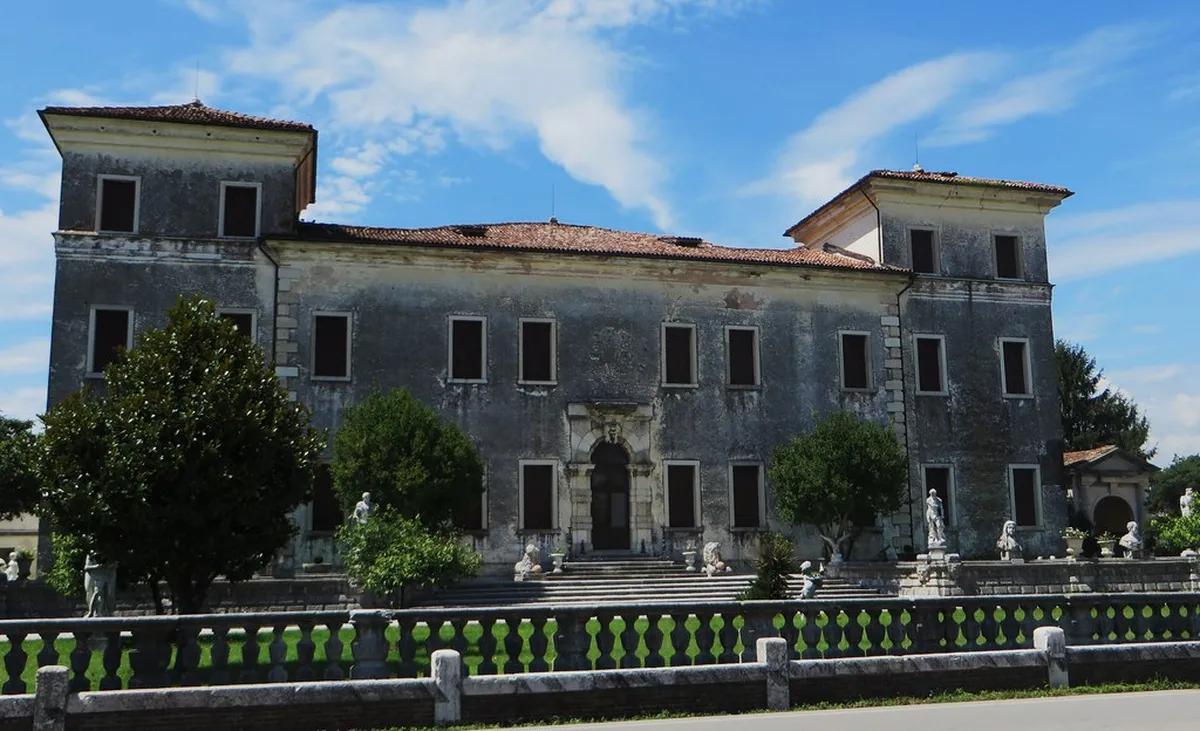
The building features a strictly symmetrical layout on its main southern face. Architect Hans-Georg Tersling designed the structure during the late 1890s for the Prince. He drew heavy inspiration from the Italian Renaissance style of historic architecture. The facade utilizes white limestone to catch the Mediterranean sun very beautifully.
Ornate loggias provide essential shade for the upper floors of the grand villa. These open galleries allow for cool sea breezes to enter the rooms easily. Intricate stone carvings decorate the window frames and the long grand cornices. Each detail reflects the high status of the original wealthy Masséna family.
The ground floor sits on a raised basement to improve the ocean views. This design choice protects the interior from dampness and provides a grand entrance. The staircase leading to the front door uses premium marble from local quarries. It creates a sense of arrival that impresses every visitor who enters.
Balustrades line the edges of the balconies to ensure safety and visual beauty. These stone railings match the architectural rhythm of the entire external structure perfectly. The roof design incorporates hidden gutters to keep the facade looking clean always. This technical detail shows the high quality of construction used in 1898.
Interior Grandeur and Empire Style Decor
The grand staircase serves as the primary centerpiece of the interior architectural design. It features elegant white marble steps and a highly decorative wrought iron railing. Golden leaf accents highlight the various neoclassical motifs found throughout the foyer area. These expensive elements create a sense of timeless luxury for every modern visitor.
The first floor contains the most impressive reception rooms of the entire villa. Large windows look out directly onto the lush gardens and the blue sea. The ceilings feature magnificent paintings that depict classical mythological scenes and historic events. Skilled artisans spent many months completing these detailed works for the Masséna family.
You will find the Promenade des Anglais architecture reflected in the villa's expansive layout. The rooms are arranged to maximize natural light during the short winter days. High ceilings help to maintain a cool temperature during the hot summer months. This functional design was very advanced for residential buildings in the late 1800s.
The Empire style furniture complements the Villa Masséna architecture features found in every room. Much of this furniture originally belonged to Napoleon Bonaparte or his close family. The use of mahogany wood and bronze decorations adds to the imperial atmosphere. Every room tells a story of French political power through its unique design.
The Landscape Architecture and English Gardens
Famous landscape architect Edouard André designed the gardens that surround the large villa. He focused on creating a seamless transition between the house and nature. The garden follows a strict formal plan that aligns with the villa's symmetry. Palm trees and exotic plants provide a tropical feel to the entire estate.
The garden paths are paved with fine gravel to allow for comfortable evening walks. Flower beds are rearranged seasonally to ensure color is present all year long. In 2025, the garden remains a public park for residents to enjoy daily. It offers a rare green space in the heart of the busy city.
Stone statues of Greek gods are placed strategically at the ends of various paths. These sculptures reinforce the neoclassical theme that defines the main building's architecture. Small fountains provide the soothing sound of running water to drown out city noise. The garden serves as an outdoor room that extends the villa's living space.
High walls surround the property to provide privacy from the public street outside. These walls are covered in climbing roses and jasmine for a pleasant scent. The layout encourages visitors to move slowly and appreciate the different garden perspectives. This intentional pacing is a hallmark of high-end Belle Époque landscape design.
Materials and Construction Techniques of 1898
The builders used traditional masonry techniques to ensure the structure would last for centuries. Thick stone walls provide excellent thermal insulation against the Mediterranean heat and wind. The foundation was reinforced to handle the weight of the massive marble floors. These construction choices have kept the villa in excellent condition for many years.
Wrought iron plays a functional and decorative role throughout the entire architectural plan. You can see this in the window grilles and the grand garden gates. The iron was forged locally to match the specific aesthetic requirements of the architect. It adds a delicate touch to the heavy stone volumes of the villa.
Large glass panes were a sign of great wealth when the villa was built. The architect used these to connect the indoor rooms with the beautiful garden views. Modern restoration teams have carefully preserved the original wooden frames of these windows. This helps maintain the architecture in Nice for future generations to study.
The roof uses traditional tiles that are common across the southern region of France. These tiles are durable and provide excellent protection against the heavy winter rains. The drainage system is integrated into the stone carvings to remain completely invisible. This attention to detail is what makes Villa Masséna a true masterpiece.
Frequently Asked Questions
What are the main Villa Masséna architecture features?
The main features include a symmetrical neoclassical facade and beautiful Italianate loggias. Inside, you will find Empire style decor and grand marble staircases. The villa also features a formal garden designed by Edouard André.
When was Villa Masséna built in Nice?
Construction on the villa began in 1898 and was completed in 1901. It served as a winter residence for the Masséna family for many years. The building was later donated to the city of Nice in 1919.
Can you visit the interior of Villa Masséna in 2025?
Yes, the villa is open to the public as a museum of art and history. You can view the historic rooms and the Napoleonic collections every day except Tuesday. Tickets cost approximately 10 euros for adults in the 2025 season.
Who was the architect responsible for the villa design?
The primary architect was Hans-Georg Tersling, who was famous for his work on the Riviera. He collaborated with Aaron Messiah to create the stunning neoclassical and Italianate structure. Their work defined the luxury standard for Belle Époque villas.
Villa Masséna remains a vital symbol of the architectural heritage found in Nice, France. Its blend of neoclassical design and lush gardens offers a unique look at history. We recommend visiting this site to experience the true elegance of the Belle Époque era. Plan your visit today to see these amazing Villa Masséna architecture features in person.
Key Takeaways
- The villa features a symmetrical facade inspired by the Italian Renaissance style.
- Interior rooms showcase rare Empire style furniture and Napoleonic era artifacts.
- The formal gardens were designed by the famous landscape architect Edouard André.
- Visitors can explore the museum daily in 2025 for a small entry fee.
Related reads: architecturebycity.com, palais regina history.