
Opera de Nice Architecture: A 2025 Guide
Explore the Opera de Nice architecture today. Learn about this 2025 French landmark and its design. Plan your architectural tour in Nice now!
On this page
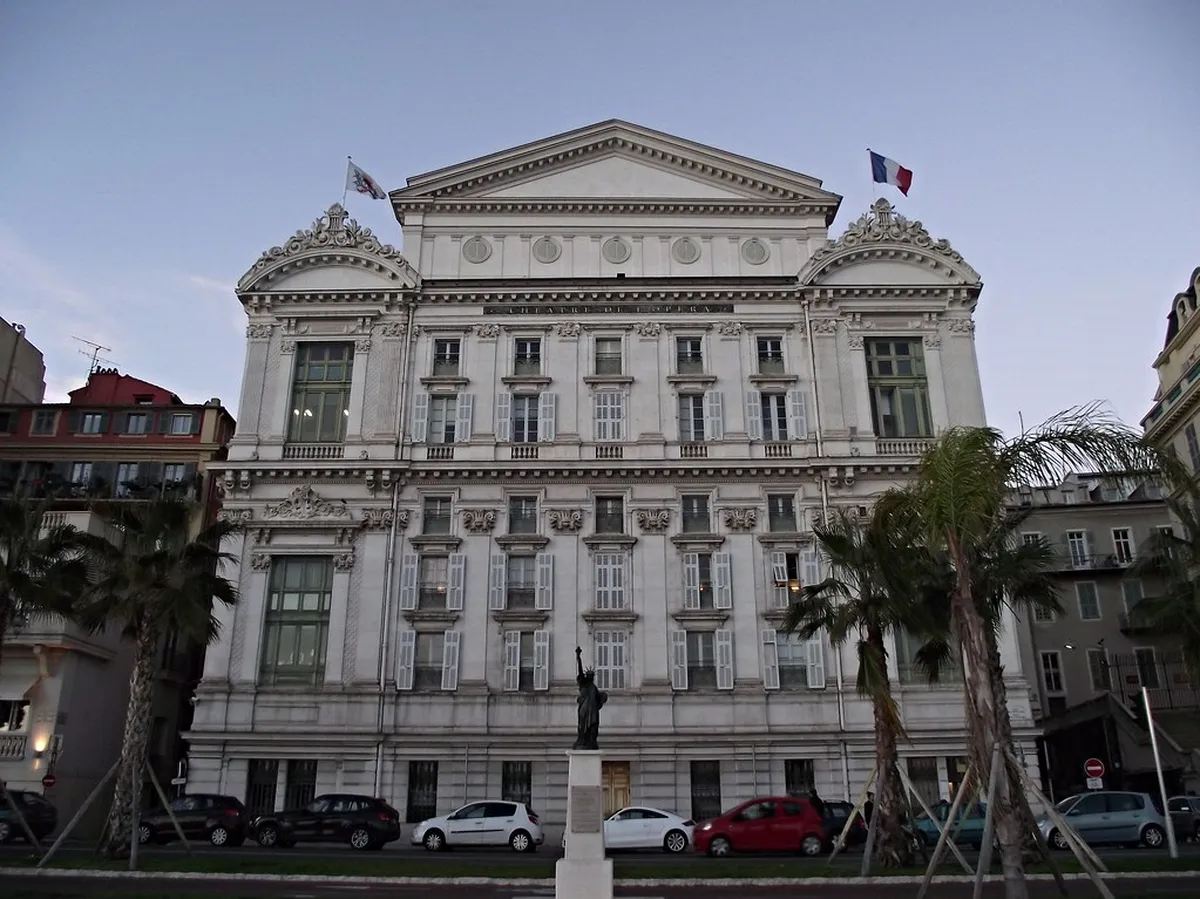
Opera de Nice architecture stands as a masterpiece in the southern region of France today. This iconic building reflects the rich cultural history of the city and its artistic spirit. Visitors enjoy the grand facade and the intricate details of this famous Mediterranean landmark. Experience the beauty of French design in 2025 at this historic site near the sea.
History of the Opera de Nice
The Opera de Nice has a very long and complex history that started in the eighteenth century. It sits on the site of an earlier theater that first opened to the public in 1776. This original building served the city for many years as a central hub for musical arts and drama. It was once famously called the Petit Theatre Macarani by the people who lived in the city.
A tragic fire destroyed the original wooden building during a performance in the late nineteenth century in 1881. This event happened while the orchestra was playing a popular opera called Lucia di Lammermoor for the crowd. Many people lost their lives in this terrible disaster which shocked the entire community of the French Riviera. The city government decided to build a much safer structure that would protect future generations of music fans.
Construction of the new monument began shortly after the ruins of the old theater were cleared away completely. The city council wanted a building that represented the highest modern safety standards of that specific historical period. They chose a heavy stone design to prevent future fires from destroying the cultural heart of the city. This architectural work took several years of hard labor to complete for the local workers and designers.
The current Opera de Nice opened its doors to the public for the first time in late 1885. It remains a central part of the cultural and social life for the residents of Nice in 2025. Visitors still admire the strength and beauty of this building when they walk through the historic old town. It stands as a powerful symbol of local resilience after a very difficult time in the city history.
The grand opening ceremony was a major event for the local people who lived in Nice back then. It marked a new era for theater and culture throughout the entire French Riviera region in that time. Every detail of the building was inspected for quality and safety by the best experts of the era. The local community celebrated this architectural achievement with a massive parade and great joy and pride for all.
Architectural Style and Design Features
Francois Aune served as the lead architect for this grand project during the late nineteenth century in France. He studied under the legendary Charles Garnier who designed the world famous opera house located in central Paris. You can see this influence in the Opera de Nice architecture when you look at the facade today. The design mirrors the opulence and grand scale of the most famous theater in the French capital city.
The exterior facade features beautiful stone columns and many detailed carvings that catch the bright Mediterranean sun. These architectural elements create a sense of rhythm and balance across the entire front of the grand building. It follows the classic Second Empire style which was very popular across France during this specific historical era. This style emphasizes luxury and uses many historical themes to impress the people who walk by the doors.
Large windows allow natural light to fill the upper hallways and the grand entrance for all the visitors. These high openings offer spectacular views of the blue Mediterranean Sea and the nearby busy city streets of Nice. The building uses high-quality limestone that was brought from local quarries located in the hills near the city. This specific material gives the walls a warm and golden glow that changes throughout the bright sunny day.
Many statues decorate the high roofline and the main entrance to welcome the guests to the evening show. Artists created these marble figures to honor the arts of music and drama in a very traditional way. Each sculpture tells a unique story about the history of theater and the famous stories told on stage. They add a deep layer of texture and interest to the solid stone walls of the opera house.
The roof of the building is also a masterpiece of metal work and design from that historical period. It uses a strong iron frame to support the weight of the decorative tiles and the heavy stone walls. This combination of materials was very modern for the time and showed the skill of the local builders. People often stop in the street to look up at the impressive silhouette of the opera house roof.
The Grand Interior and Staircase
The interior of the Opera de Nice is truly breathtaking for anyone who steps inside the front doors. A massive crystal chandelier hangs from the middle of the ornate painted ceiling in the main performance hall. This ceiling features a stunning mural created by the famous artist Emmanuel Costa for the grand opening event. It depicts various mythological scenes and figures that represent the power of music and art in our world.
The auditorium uses a traditional Italian horseshoe shape for all the seating areas to help the sound travel. This classic layout ensures excellent acoustics for every musical performance that takes place on the large wooden stage. Red velvet fabric covers the comfortable seats and the private boxes where the wealthy guests once sat long ago. Gold leaf accents highlight the intricate carvings on the walls and the edges of the high viewing galleries.
The grand staircase is another major highlight of the interior design that visitors always want to see first. It uses fine white marble to create a sense of extreme luxury and wealth for the opera house. Wide steps lead visitors upward toward the main seating areas and the grand foyer where people meet today. It is a very popular spot for guests to take photos of their fine clothes before a show.
You will find many hidden details in the hallways that run behind the main seating areas of the hall. Polished wood panels line the walls of the private salons where guests can relax during the long intermissions. These spaces offer a quiet retreat from the crowd and allow people to talk about the musical show. The craftmanship reflects the very high standards of the nineteenth century that we still admire in modern times.
The stage itself is a marvel of old machinery and modern technology that works together for the performers. It can hold large sets for the most complex operas and ballets that are performed in the city. The backstage area is huge and allows the crew to move equipment around quickly between the different acts. Exploring this part of the building shows the true scale of the Opera de Nice architecture and design.
Link to Promenade des Anglais Architecture
This building is a key part of the Promenade des Anglais architecture landscape that defines the local coastline today. It sits just a few steps away from the famous beach where many tourists walk during the day. The opera house connects the historic Old Town area with the modern sea front of the French Riviera. It serves as an architectural bridge between the different styles that have shaped the city over the years.
Most buildings in this specific area share a similar Belle Epoque feel that makes Nice so very famous. This period brought great wealth and beautiful design to the southern coast of France many decades ago now. The Opera de Nice architecture fits perfectly into this elegant context of grand hotels and luxury villas nearby. It helps to define the unique visual identity of the waterfront for the millions of people who visit.
Walking from the opera house to the promenade is a local tradition that many people enjoy in 2025. You can see how the early city planners valued open spaces and wide streets for the public to use. The streets around the opera are wide and easy to navigate for people who are walking on foot. This layout encourages people to explore the architecture in Nice while they enjoy the warm sun.
Looking at the opera house from the sea offers a unique view that many boaters enjoy during summer. Its tall roof stands out clearly against the bright blue sky and the green hills of the city. The building acts as a landmark for sailors and tourists who are exploring the coast by the water. It has watched over the coastline for over a century and remains a favorite sight for the locals.
The connection between the opera and the sea is also reflected in the small design details of the facade. Some of the carvings show sea shells and other marine themes that honor the location of the grand building. This local touch makes the structure feel like it belongs to the Mediterranean environment and the salty air. It is a perfect example of how local culture influences the way buildings are designed and built here.
Maintenance and Modern Restoration
Keeping the Opera de Nice architecture in good condition is a vital task for the city government every year. The city performs regular maintenance on the exterior stone to keep it looking fresh and clean for the public. This work prevents damage from the salty sea air and the humidity that comes from the nearby water. Specialized teams clean the statues with great care to preserve every small detail of the original artist work.
Recent restoration projects have updated the lighting systems inside the auditorium and the grand foyer for modern use. Modern LEDs now highlight the historic murals without causing any heat damage to the delicate paint on the ceiling. These changes help the building meet the current environmental standards that are expected in the year 2025 today. The main goal is always to balance the rich history with the modern needs of the theater company.
You can visit the opera for a guided tour most weeks if you book your spot in advance. Tickets usually cost around ten euros for a full walking tour of the entire historic building and stage. These tours provide special access to the stage and the backstage areas that the public rarely gets to see. You should check the official website for the latest opening times before you travel to the city center.
Photography is allowed in most public areas of the building during the daytime tours for all the guests. It is widely considered one of the best nice architecture photography spots for travelers today. The morning light creates the best shadows on the ornate facade for your social media or personal albums. We recommend that you bring a wide-angle lens to capture the full scale of the grand marble staircase.
The future of the opera house looks very bright as more people discover its beauty and historical value. The city plans to continue investing in the structure to ensure it remains a landmark for another century. Students of design often come here to study the classic proportions and the use of local stone materials. It remains a living piece of art that continues to inspire everyone who walks through the front doors.
Frequently Asked Questions
Who was the main architect of the Opera de Nice?
Francois Aune designed the current building during the late nineteenth century in the city of Nice. He was a talented pupil of the famous Charles Garnier who built the Paris Opera house too. Aune used the Second Empire style to create a sense of grandeur for the local opera fans.
Where exactly is the Opera de Nice located in the city?
The building is located at 4 Rue Saint-Francois de Paule in the historic Old Town area of Nice. It is very close to the famous Flower Market and the Mediterranean Sea beach front too. You can easily walk there from most major hotels located in the center of the city.
Can tourists take a guided tour of the opera building?
Yes, the city offers special guided tours that focus on the history and design of the opera house. These tours usually take place on specific weekdays and require a small ticket fee of ten euros. It is a great way to see the backstage areas and the grand marble staircase.
Is the Opera de Nice still used for performances today?
The Opera de Nice still hosts many regular performances throughout the year for the local public and tourists. You can see world class operas, ballets, and classical music concerts in this historic setting in 2025. It remains a very important part of the cultural life of the French Riviera region.
The Opera de Nice architecture is a true jewel of the French Riviera that everyone should see once. It tells a fascinating story of survival and artistic passion through its grand stone walls and ornate decor. Visit this landmark in 2025 to experience the rich local history and the beauty of French design. You will leave the building with a deep appreciation for the skill and vision of the early architects.
Key Takeaways
- Visit the grand marble staircase for the best photo opportunities.
- Look for the stunning ceiling mural by artist Emmanuel Costa.
- Book a guided tour to see the hidden backstage areas.
- Observe the Second Empire style influence from Charles Garnier.
Related reads: architecturebycity.com, mediterranean style villas nice, palais de la jetee history.