
Palais Lascaris Baroque Staircase Guide
Explore the stunning Palais Lascaris baroque staircase in Nice. Learn history, architecture, and visit tips for this 2025 masterpiece. Book your visit now!
On this page
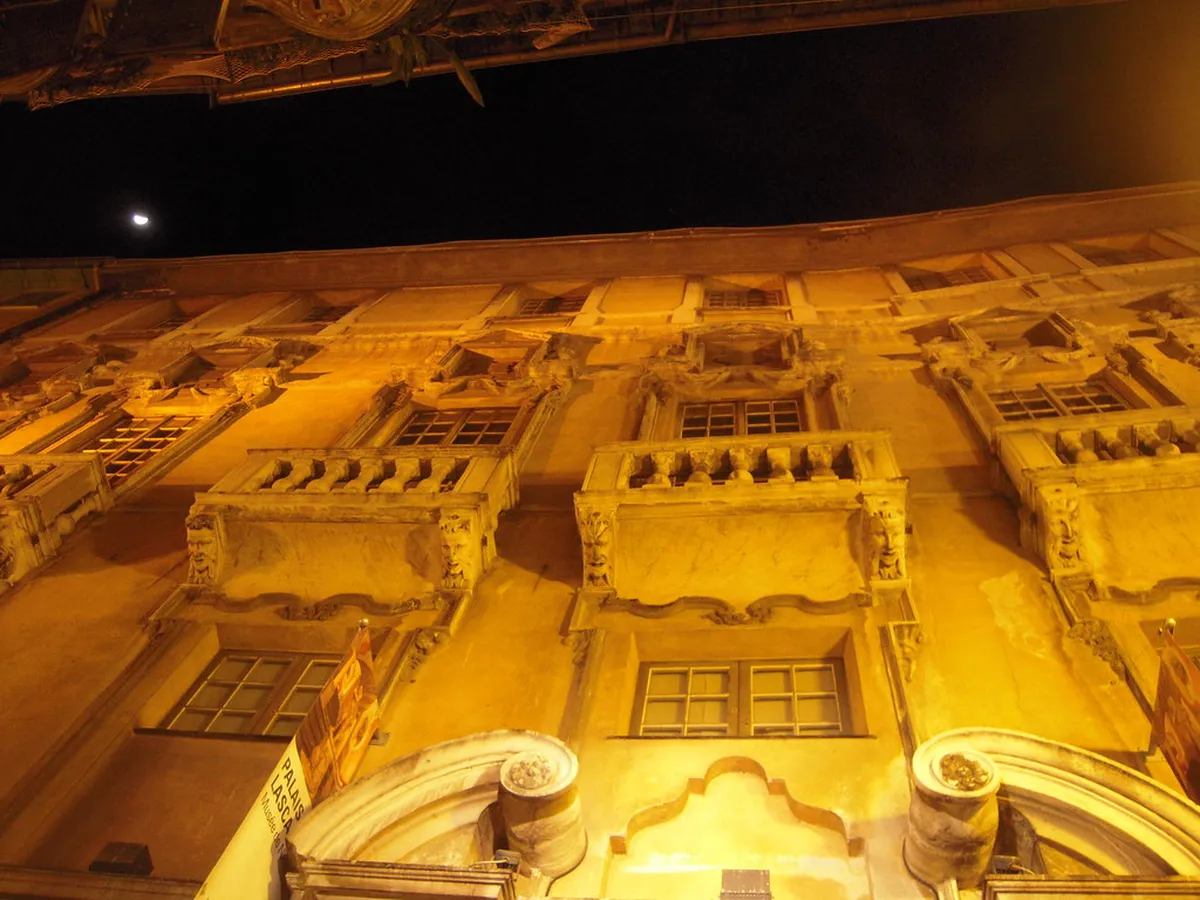
Palais Lascaris is a hidden architectural gem located in the heart of Old Nice, France. It houses the magnificent Palais Lascaris baroque staircase which stuns every visitor today. This 17th-century masterpiece represents the peak of Genoese style in the Mediterranean region. You will find it nestled within the winding, colorful streets of the historic Old Town.
The palace was once the private residence of the noble Lascaris-Vintimille family. It serves as a testament to the wealth and power of the local aristocracy. Every corner of the building reveals intricate details and luxurious materials from a bygone era. Visitors can step back in time to experience the grandeur of French Baroque design.
History of the Lascaris-Vintimille Palace
The Lascaris-Vintimille family commissioned this grand residence in 1648 to showcase their status. They were among the most influential and powerful noble families in the County of Nice. Their goal was to create a home that rivaled the finest palaces in Genoa and Rome. The palace remained their primary residence until the upheaval of the French Revolution in 1792.
Today, the historic building serves as a public museum dedicated to ancient musical instruments. It preserves the authentic aristocratic atmosphere of the 17th and 18th centuries for modern guests. Major restoration efforts have successfully kept the original grandeur alive for 2025 international travelers. You can explore these ornate historic rooms during your Palais Lascaris visiting guide tour.
The architecture reflects the transition from late Renaissance styles to the more dramatic Baroque period. Local craftsmen used traditional techniques to build the thick stone walls and vaulted interior spaces. The palace stood as a symbol of stability during various political changes in the region. It remains one of the few surviving noble residences in the Vieux Nice district today.
Historians often point to the palace as a prime example of civil Baroque architecture. The layout focuses on a central courtyard that provides light to the interior rooms. This design was essential for maintaining a cool temperature during the hot French summers. It also created a private sanctuary away from the busy streets of the city.
The city of Nice purchased the building in 1942 to prevent its destruction. It underwent extensive renovations before opening to the public as a municipal museum in 1970. This careful preservation ensures that future generations can appreciate the artistry of the Lascaris family. The building is now classified as a protected historical monument by the French government.
Architectural Features of the Grand Staircase
The Palais Lascaris baroque staircase is the central focal point of the entire palace interior. It features a monumental design that elegantly connects the grand reception rooms on the upper floors. Heavy white marble steps lead visitors upward beneath a series of impressive vaulted ceilings. The high quality of the craftsmanship reflects the standards of the mid-17th century.
Sculpted statues of Roman deities line the landings of the staircase to greet every passing guest. These figures represent concepts like strength, wisdom, and the family's long noble lineage. Intricate stucco work adds a rich texture to the surrounding walls and ceiling panels. The clever interplay of light and shadow enhances the dramatic aesthetic of the Baroque era.
Look closely at the wrought iron railings as you ascend the wide marble steps. These hand-forged elements display incredible detail and elegant curves that mimic natural floral patterns. They provide a sturdy yet artistic boundary for the staircase while adding a touch of lightness. Every single inch of this space was meticulously designed to impress visiting dignitaries.
The staircase uses a double-flight design that creates a sense of symmetry and balance. This architectural choice was popular in Italian palaces and influenced many buildings across Southern France. The proportions of the steps allow for a graceful and slow ascent for the nobility. It allowed ladies in grand gowns to move comfortably between the different palace levels.
The ceiling above the stairs features remarkable frescoes that have survived for hundreds of years. These paintings use perspective tricks to create an illusion of greater height and space. Artisans used vibrant pigments that still retain their color in the soft Mediterranean light. This combination of sculpture and painting makes the staircase a complete work of art.
The Symbolism of the Baroque Design
In the 1600s, a grand staircase served as a stage for complex social theater. The Lascaris family used this specific space to formally greet their most important royal guests. It symbolized the physical transition from the public street to the realm of private luxury. Every step upward reinforced their exceptionally high social standing within the community of Nice.
The frescoes above the Palais Lascaris baroque staircase tell stories from classical Greek and Roman mythology. These educational paintings were intended to inspire and educate those who walked slowly below them. They often depicted scenes that aligned the Lascaris family with divine power and eternal glory. This sophisticated visual language was common among the wealthy European elite of the time.
Architecture in this period focused heavily on creating a sense of movement and emotion. The staircase does not just function as a simple path between the different floors. It acts as a monumental sculpture that breathes life into the heart of the building. It is a key stop on any Vieux Nice architectural walking tour today.
The use of marble was a clear statement of extreme wealth and international connections. Importing stone from distant quarries required significant financial resources and complex logistics. It proved that the Lascaris family could command the best materials from across the continent. This material choice also ensured that the staircase would last for many centuries.
Baroque design often aimed to overwhelm the senses with detail and grand scale. The height of the stairwell creates a feeling of awe as you look upward. This emotional response was a deliberate goal of the architects who worked for the nobility. They wanted every visitor to feel the weight of history and tradition in the palace.
Photography Tips for the Grand Stairwell
Capturing the Palais Lascaris baroque staircase requires a bit of patience and the right equipment. Wide-angle lenses are generally best for capturing the full scale of the monumental landings. Try to visit early in the morning for the softest and most even natural light. The harsh shadows during midday can make interior photography quite challenging for amateur shooters.
Focus your camera on the fine details of the statues and the intricate stucco ceilings. Use a small tripod if the museum staff specifically permits its use during your visit. Always check the current 2025 photography rules before you begin your professional photoshoot. Flash photography is strictly prohibited to protect the delicate colors of the historic frescoes.
Stand at the very base of the stairs for a dramatic upward-facing perspective. This specific angle highlights the rhythmic flow and symmetry of the wide marble steps. Alternatively, try shooting from the top landing to capture the impressive depth of the stairwell. These different perspectives provide the most professional results for your personal travel blog.
Look for reflections of the light on the polished marble surfaces of the stairs. These reflections can add a sense of luxury and depth to your digital images. Use a low ISO setting to maintain the highest level of clarity in the shadows. The mix of natural and artificial light creates a unique challenge for white balance.
Wait for a moment when the staircase is empty of other tourists for the best shot. This allows the architecture to speak for itself without any modern distractions in the frame. The museum is often less crowded during the lunch hour in the middle of the day. This is the perfect time to capture the quiet majesty of the palace.
Visiting Information and Local Context
Palais Lascaris is located at 15 Rue Droite in the heart of Old Nice. The museum is generally open to the public daily except for Tuesdays and holidays. Admission prices are very affordable, typically costing around five euros for a standard adult ticket. Check for discounted rates if you are a student or a senior traveler.
The palace is conveniently located near several other famous Nicois Baroque churches and landmarks. You can easily walk to this location from the famous Promenade des Anglais. The surrounding neighborhood is filled with vibrant local shops and traditional French restaurants. Plan to spend at least one hour exploring the many rooms of the museum.
Accessibility can be a bit of a challenge due to the historic nature of the building. The grand staircase remains the primary way for visitors to reach the upper exhibition floors. There is a small lift available for those who have significant mobility issues. However, seeing the staircase in person is definitely the highlight of any visit.
The museum housing the staircase is also home to a world-class collection of instruments. You will see rare harps, violins, and keyboards from several different centuries. The music collection perfectly complements the aristocratic setting of the baroque palace rooms. It is a must-see destination for lovers of art and music history alike.
Staff at the museum provide helpful brochures in multiple languages to explain the exhibits. You can learn more about the specific history of each room as you wander. The gift shop offers unique souvenirs that reflect the artistic heritage of the Lascaris family. It is a wonderful place to buy a gift for an architecture enthusiast.
Frequently Asked Questions
What makes the Palais Lascaris baroque staircase unique?
The staircase is unique for its monumental marble construction and detailed frescoes. It follows the Genoese style which was rare in other parts of France. The statues and stucco work represent the highest level of 17th-century craftsmanship.
Where is the best place to find Palais Lascaris?
You will find the palace at 15 Rue Droite in the Vieux Nice neighborhood. It is located on a narrow street filled with local art galleries. The entrance is easily accessible by walking from the Place Garibaldi area.
Are there guided tours for the Palais Lascaris staircase?
The museum offers self-guided tours with informative brochures available at the front desk. Periodic guided tours are organized by the city of Nice for larger groups. You should check the official museum website for the current 2025 schedule.
How long should I plan for a visit to the palace?
Most visitors spend between sixty and ninety minutes exploring the various floors. This allows enough time to admire the staircase and the musical instrument collection. Be sure to leave extra time for the beautiful upper-level reception rooms.
The Palais Lascaris baroque staircase is a true marvel of French and Italian architectural history. It offers a unique window into the lavish lives of the 17th-century nobility. Visit this historic site to experience the stunning beauty of the Baroque period firsthand. Start planning your next trip to Nice to see this incredible masterpiece today.
Key Takeaways
- Marvel at the 17th-century marble craftsmanship and sculptures.
- Visit early in the morning for the best photography lighting.
- Explore the musical instrument museum housed within the palace walls.
- Wear comfortable shoes for walking on the historic stone steps.
Related reads: architecturebycity.com, architecture in nice, palais lascaris opening hours.