
Palais Lascaris Visiting Guide: Best Tips for 2025
Use our Palais Lascaris visiting guide for 2025. Discover ticket prices, opening hours, and Baroque architecture in Nice. Plan your historic museum trip today!
On this page
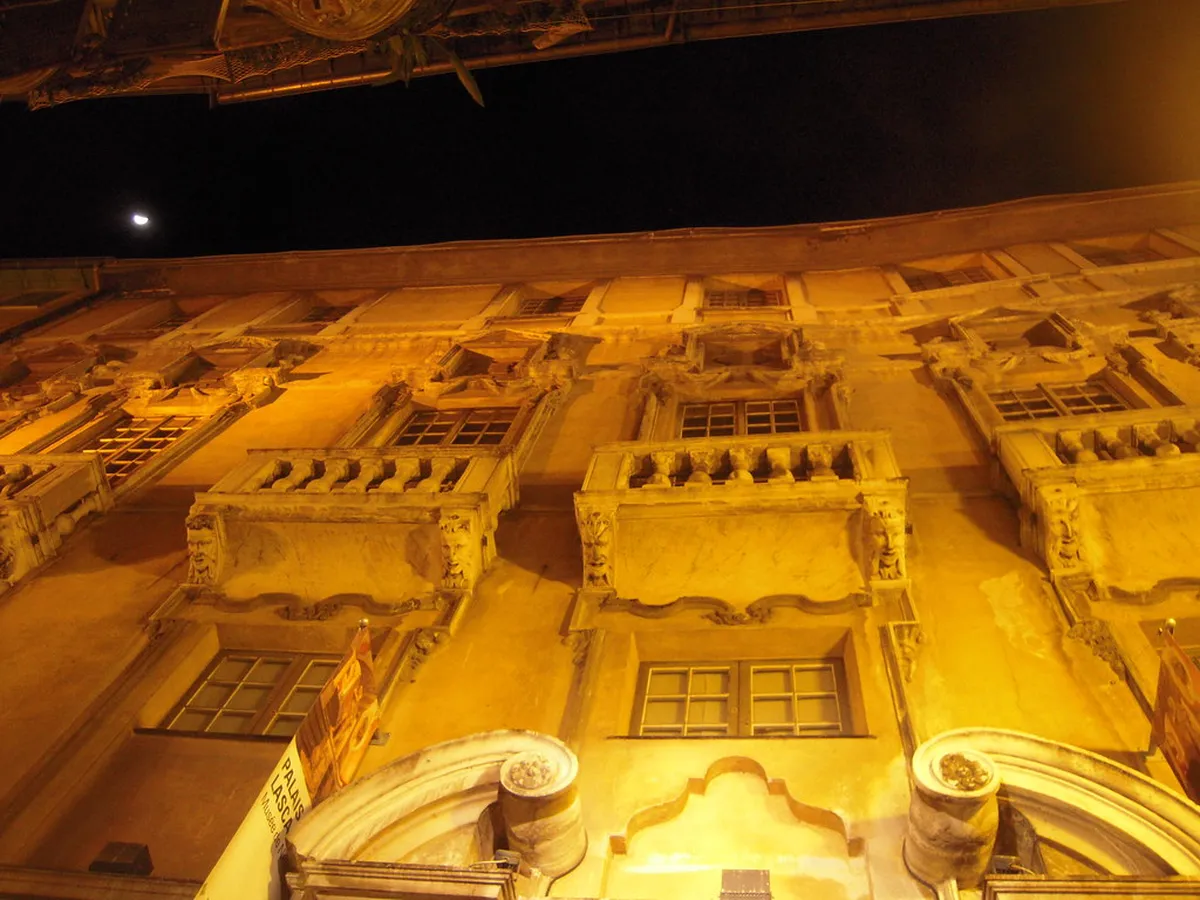
The Palais Lascaris is a stunning historic monument located in the heart of the Old Nice district. This magnificent building serves as a premier example of 17th-century Baroque design in the South of France. This Palais Lascaris visiting guide will help you navigate the rich history of this noble French residence. Visitors today can explore the preserved aristocratic rooms that highlight the wealth of the Lascaris-Vintimille family. The palace stands as a major highlight for anyone exploring the diverse architecture in Nice today.
You will find this museum tucked away on the narrow and colorful Rue Droite in the old city. It houses one of the most significant collections of historic musical instruments in the entire European continent. The building itself is an architectural masterpiece featuring ornate frescoes and grand reception rooms for royal guests. Walking through these halls feels like stepping back into the height of the seventeenth-century aristocratic lifestyle. This guide provides all the necessary details for a successful and memorable French Riviera cultural experience.
Practical Information for Your Palais Lascaris Visiting Guide
The museum is open every day of the week except for Tuesdays and certain French public holidays. You can enter the building between 10:00 AM and 6:00 PM throughout the entire year of 2025. Please arrive at least one hour before closing time to ensure you see every beautiful room available. The staff begins clearing the galleries fifteen minutes before the official closing time of the historic museum.
Entrance tickets currently cost ten euros for adults and provide access to all the permanent and temporary exhibits. You can purchase a forty-eight-hour pass which grants access to several other municipal museums in Nice. This pass is a cost-effective option for travelers who plan to visit multiple cultural sites during their stay. Always keep your ticket safe as you may need to show it when entering different palace floor levels.
The palace is located at 15 Rue Droite within the pedestrian zone of the famous Vieux Nice neighborhood. You can easily reach the site by taking the local tramway line 1 to the Cathedral-Vieille Ville stop. From the tram station, it is a short five-minute walk through the charming and narrow Mediterranean streets. Be prepared for some uneven cobblestones while you make your way toward the grand palace entrance doors.
Accessibility can be a challenge within this historic building because it preserves the original seventeenth-century floor plans. There is a small elevator available for visitors with reduced mobility to reach the upper museum floors. However, some areas of the palace may still require climbing a few small steps to access specific galleries. Please speak with the reception staff upon arrival to receive assistance with the museum elevator system.
The Grand Baroque Architecture of the Palais
The grand entrance features a monumental staircase that serves as a masterpiece of secular Baroque design in Nice. This impressive Palais Lascaris baroque staircase includes ornate statues and intricate stone carvings from the seventeenth century. Visitors often pause here to admire the dramatic play of light across the white marble and stone steps. The staircase was designed to impress guests as they ascended to the primary reception rooms upstairs.
The ceilings of the main apartments are decorated with magnificent frescoes depicting scenes from ancient Greek and Roman mythology. These artworks were painted by Italian artists who brought the high Baroque style to the County of Nice. You should look closely at the ceiling of the Great Salon to see the incredible detail and color. The use of gold leaf and vibrant pigments creates a sense of immense luxury throughout the entire space.
- Baroque Staircase: A grand stone structure featuring statues of Mars and Venus on the landing.
- Frescoed Ceilings: Elaborate paintings that illustrate mythological themes and family allegories across multiple rooms.
- Gilded Woodwork: Intricately carved doors and panels that showcase the high craftsmanship of the period.
Each room in the palace displays unique architectural features that reflect the high social status of the residents. The transition between the public reception halls and private apartments shows a clever use of space and light. Many rooms feature original tile floors that have survived centuries of use by the noble Lascaris family. These architectural details make the palace one of the most important residential buildings in the historic city center.
Discovering the Historic Musical Instrument Collection
The museum houses a collection of over five hundred rare musical instruments from various eras of European history. It is considered the second most important collection of its kind in the entire nation of France today. This musical instrument museum building showcases harps, violins, and unique keyboards from the eighteenth century. Each instrument is displayed within the context of the grand palace rooms to enhance the historical atmosphere.
One of the highlights is the collection of rare harps that once belonged to the French royal court. You can also see exceptionally well-preserved woodwind instruments that were popular during the Baroque and Classical musical periods. The museum frequently organizes small concerts to allow visitors to hear the sounds of these historic musical treasures. These events provide a rare opportunity to experience the palace exactly as the original noble owners once did.
The technical evolution of instrument making is clearly visible as you walk through the different museum gallery sections. Informational plaques provide details about the famous makers and the materials used to create these complex musical tools. You will find unique examples of early guitars and experimental instruments that never entered into mass musical production. The display cases are modern and well-lit to ensure every visitor can appreciate the fine craftsmanship involved.
Special exhibitions often focus on specific instrument families or the musical culture of the old County of Nice. These temporary displays are included in your standard admission price and offer fresh insights into the musical past. Check the official website before your visit to see if any special musical performances are scheduled for 2025. Learning about the history of music adds a deep layer of appreciation to your tour of the palace.
Exploring the Vibrant Streets of Vieux Nice
The Palais Lascaris is perfectly situated for those following a Vieux Nice architectural walking tour through the old city. After your visit, you can explore the nearby shops that sell traditional local products and handmade crafts. The Rue Droite is famous for its art galleries and small workshops that keep local traditions alive today. Walking through this area allows you to experience the authentic daily life of the residents of Nice.
The surrounding neighborhood is filled with stunning examples of religious architecture that complement the style of the palace. Many of these structures were built during the same period and share similar Baroque design elements and artistic influences. You can find several small squares nearby where you can rest and enjoy a refreshing drink or snack. The atmosphere in this part of Nice remains lively and energetic throughout both the day and night.
Exploring the narrow alleys near the palace will lead you to hidden courtyards and ancient stone doorways. Many of these buildings have been carefully restored to preserve their historic Mediterranean colors and unique decorative features. You should pay attention to the small details like iron balconies and traditional wooden shutters on the windows. These elements contribute to the unique charm that makes the Old Town such a popular tourist destination.
Visitors often combine a trip to the palace with a walk toward the famous Cours Saleya flower market. This market is located just a few minutes away and offers a wide variety of fresh local produce. You can find everything from vibrant flowers to traditional Socca pancakes made by local street food vendors there. It is the perfect place to experience the flavors and scents of the French Riviera in 2025.
Expert Tips for Navigating the Museum Layout
To avoid the largest crowds, you should plan to visit the museum early in the morning on weekdays. The palace tends to be much quieter during the lunch hour when many tour groups are eating nearby. Photography is permitted inside the museum but you must turn off your camera flash to protect the artworks. Please be respectful of other visitors while you are taking pictures of the beautiful frescoed ceilings and rooms.
There are no large storage lockers available inside the building for heavy luggage or oversized travel backpacks. You should leave your large bags at your hotel or use a luggage storage service in the city. The museum staff may refuse entry to anyone carrying items that could potentially damage the delicate palace furniture. Traveling light will make your movement through the narrow palace corridors much easier and more comfortable for everyone.
The gift shop near the exit offers a selection of books and souvenirs related to the musical instrument collection. You can find high-quality recordings of Baroque music and detailed guides about the history of the palace itself. This is a great place to pick up a unique gift that reflects the cultural heritage of Nice. Most major credit cards are accepted for purchases within the museum shop and at the ticket counter.
Plan to spend approximately ninety minutes to two hours exploring all the different floors and galleries of the palace. This time allows you to read the descriptions and fully appreciate the complex architectural details of the building. If you are a music enthusiast, you might want to allow for even more time in the galleries. Taking your time will ensure that you do not miss any of the small hidden treasures inside.
Frequently Asked Questions
Is the Palais Lascaris included in the Nice Museum Pass?
Yes, you can use the Nice Museum Pass to enter the Palais Lascaris without paying extra fees. This pass is valid for forty-eight hours and provides access to many other local cultural attractions. It is a great value for travelers who want to see several museums during their short stay.
Are there many stairs to climb inside the Palais Lascaris?
The palace features several floors that are connected by a grand historic staircase and a smaller modern elevator. Most visitors will use the stairs to fully appreciate the Baroque architecture and the statues on the landings. If you have mobility issues, please ask the staff for help with the elevator upon arrival.
Can I see other Baroque buildings near the Palais Lascaris?
The Old Town of Nice is home to several beautiful Nicois Baroque churches located very close to the palace. You can visit the Cathedral of Sainte-Reparate which is just a short walk away from Rue Droite. These religious buildings feature similar artistic styles and grand decorations from the same historic era.
What is the best way to get to the museum in 2025?
The most convenient way to reach the museum is by taking the tram to the Cathedral-Vieille Ville stop. From there, you can walk through the pedestrian streets of the Old Town to reach the entrance. Driving is not recommended because the area is mostly pedestrian and parking is very limited nearby.
The Palais Lascaris is a must-see destination for anyone interested in the rich history and culture of Nice. This Palais Lascaris visiting guide ensures you have all the information needed for a perfect museum trip. From the grand Baroque architecture to the rare musical instruments, there is something for every traveler to enjoy. Plan your visit today to experience one of the finest noble residences on the French Riviera in 2025. Do not forget to explore the other treasures of the city by looking at the best architecture in Nice.
Key Takeaways
- Visit on a weekday morning to avoid the largest crowds and enjoy a peaceful experience.
- Purchase a 48-hour Nice Museum Pass to save money if you plan to visit multiple sites.
- Pay close attention to the frescoed ceilings and the monumental stone staircase during your tour.
Related reads: architecturebycity.com.