
Villa Arson Brutalism: A Modernist Icon in Nice
Explore Villa Arson brutalism in Nice, France. Discover this modernist architecture masterpiece with our 2025 guide. Visit the gardens and art center today!
On this page
Villa Arson brutalism stands as a bold landmark within the sunny city of Nice, France. This site represents one of the most important modernist architecture projects in the entire region. Visitors will find a massive complex built from raw concrete and local river stones.
The location sits on the Saint-Barthélémy hill with views of the beautiful Mediterranean Sea. It houses a national art school and a famous center for contemporary art today. You can see how the structure blends into the natural landscape of the French Riviera.
Architects around the world study this site for its unique approach to the brutalist movement. It provides a sharp contrast to the classical and baroque buildings in the city center. This guide explores the history and design of modernist architecture in Nice today.
Planning a visit in 2025 offers a chance to see revolutionary design in person. The campus is open to the public and offers free access to its gardens. Prepare yourself for a journey through a concrete labyrinth that defies traditional coastal aesthetics.
The Visionary Architect Michel Marot
Michel Marot was the primary creative force behind the construction of this unique brutalist complex. He won the prestigious Prix de Rome before starting this massive project in Nice, France. His goal was to create a functional space for artists to learn and grow. His design reflects a deep respect for the terrain of the hillside location.
Construction began in 1965 and continued for seven years until the site finally opened. Marot wanted to avoid the flashy styles often found on the nearby Promenade des Anglais. He focused on raw materials that would age naturally under the hot Mediterranean sun. The result is a series of interconnected buildings that feel like a stone fortress.
The architect utilized a modular system to organize the various functions of the art school. This allowed for flexible spaces that could adapt to the needs of different artistic disciplines. Students today still benefit from the open and airy studios designed by Marot decades ago. It remains one of the most successful examples of brutalist educational architecture in Europe.
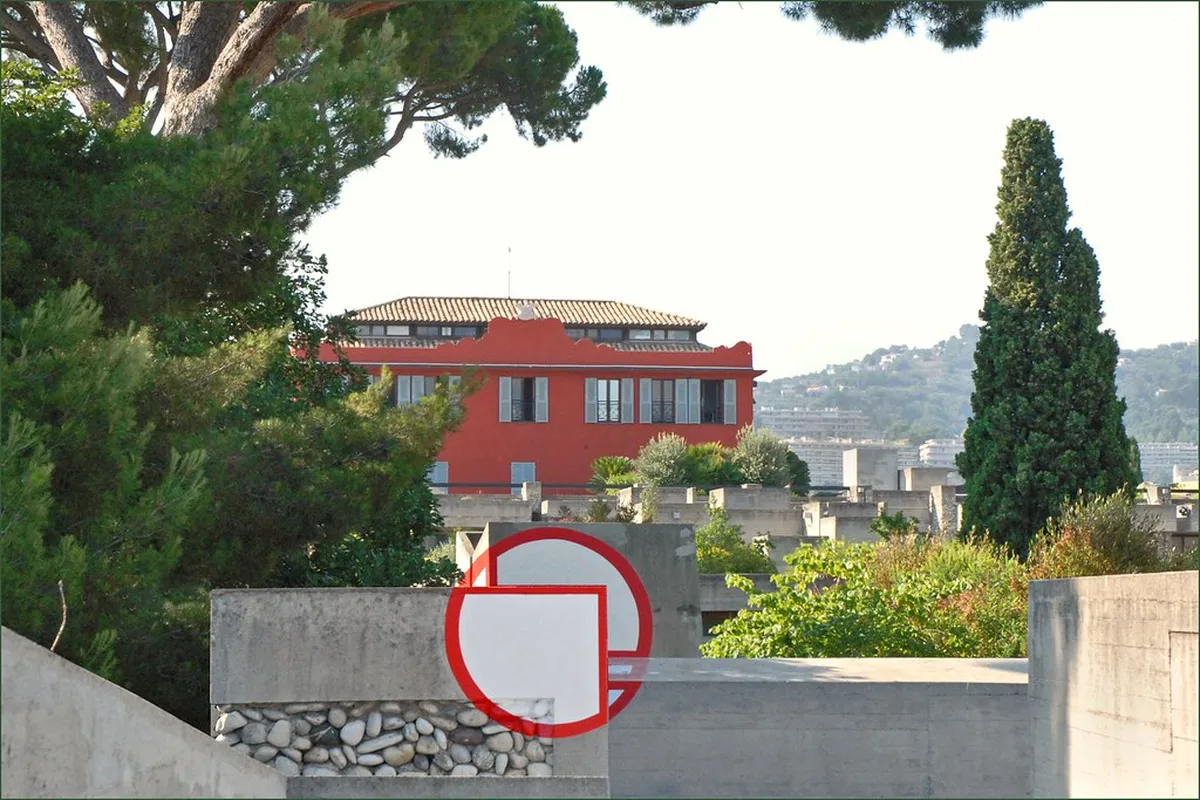
Marot also integrated the existing 18th-century villa into his massive new concrete design scheme. This juxtaposition of old and new highlights the evolution of French architectural styles over centuries. The red walls of the old villa provide a warm heart within the gray concrete. It creates a visual dialogue between the past and the modern future of art.
Visitors can appreciate how Marot controlled light and shadow through his clever structural choices. Deep recesses and heavy overhangs protect the interior spaces from the harsh summer heat. This thermal management was quite advanced for the time period of the late sixties. Every corner of the site offers a new perspective on Marot's original architectural vision.
Materials Used in Villa Arson Brutalism
The primary material used in Villa Arson brutalism is raw concrete, also known as béton brut. This material gives the buildings their signature industrial look and heavy structural feel. Marot did not want to hide the construction process behind layers of paint or plaster. Instead, he celebrated the textures left by the wooden molds used during the pouring.
A unique feature of this site is the inclusion of pebbles from the Var river. Workers embedded these smooth stones into the exterior walls to add a natural organic texture. This technique helps the massive structures blend into the rocky landscape of the surrounding hills. It creates a tactile experience for visitors walking through the many outdoor corridors.
Iron and glass play supporting roles in the overall design of the campus buildings. Large window walls allow natural light to flood the galleries and student workspace areas. Metal railings and industrial fixtures complement the raw aesthetic of the concrete and stone surfaces. These materials were chosen for their durability and low maintenance requirements over long periods.
You will notice how the concrete has developed a unique patina over the past fifty years. The Mediterranean climate has weathered the surfaces in a way that adds character to the site. Some areas show the effects of rain and sun, creating a living history of the building. This aging process is a key part of the brutalist philosophy of honesty.
Walking through the site feels similar to visiting the Musée National Marc Chagall for its modern charm. Both locations use high-quality materials to create spaces that honor the art held within them. Villa Arson specifically uses its heavy walls to create a sense of permanent artistic sanctuary. The weight of the materials provides a quiet atmosphere for contemplation and study.
The Labyrinthine Layout and Gardens
The layout of Villa Arson brutalism is designed as a series of cascading terraces and courtyards. There is no single main path through the complex, encouraging visitors to wander and explore. You might find yourself in a hidden garden or on a high rooftop viewing deck. This maze-like quality makes every visit feel like a new discovery for the guest.
Lush Mediterranean plants are integrated directly into the concrete structure of the entire school. Large planters and rooftop gardens soften the hard edges of the brutalist design with green life. You will see vines hanging over concrete walls and trees growing from stone courtyards. This harmony between nature and industry is a central theme of the entire site.
The gardens offer a peaceful escape from the busy streets of central Nice, France. Benches are tucked into shaded corners where visitors can sit and enjoy the quiet surroundings. The scent of pine and rosemary fills the air as you walk through the terraces. It is a perfect place for photography enthusiasts to capture the play of light.
- Explore the Italian-style hanging gardens on the upper levels.
- Visit the open-air theater used for student performances and events.
- Walk through the pebble-lined corridors that connect the various art galleries.
- Enjoy the panoramic views of the city from the highest terrace point.
The circulation through the site is carefully managed to separate public and private school areas. Visitors can access the art center and gardens without disturbing the students in their studios. This functional design allows the school to operate efficiently while remaining a public cultural destination. It shows the brilliance of Michel Marot in planning such a complex facility.
Cultural Impact of Villa Arson in France
Villa Arson serves as a vital hub for contemporary art and education in Southern France. It is one of the few institutions that combines a school and gallery. This unique model allows students to interact with professional artists and modern exhibition practices. Many famous French artists have studied or taught within these concrete walls over the years.
The contemporary art center hosts rotating exhibitions that challenge and inspire the local community. These shows often focus on experimental media and avant-garde concepts from around the world. In 2025, the center continues to push boundaries with its innovative programming and events. It remains a key player in the vibrant cultural landscape of modern Nice.
The brutalist design itself has become a source of inspiration for many visiting creative professionals. Its bold shapes and honest use of materials reflect the spirit of modern artistic expression. Scholars often visit the site to document its preservation and its role in architectural history. It is recognized as a 20th-century heritage site by the French Ministry of Culture.
The presence of Villa Arson helps diversify the architectural offerings of the French Riviera region. While many come for the Belle Époque style, others seek out this modernist masterpiece. It proves that Nice is a city of constant innovation and architectural diversity throughout history. The site stands as a monument to the post-war desire for cultural renewal.
Understanding this site is essential for anyone interested in the broader architecture in Nice today. It represents a time when architects were not afraid to be provocative and different. The school continues to foster this spirit in its students and its public exhibitions. It is a place where the future of art is built every day.
Practical Tips for Visiting in 2025
Visiting Villa Arson in 2025 is a straightforward process for most travelers in Nice. The art center is typically open from Wednesday to Monday for public viewing. Standard opening hours begin at 2:00 PM and end at 6:00 PM each day. Always check the official website for any holiday closures before you start your journey.
Admission to the contemporary art exhibitions and the gardens is currently free for all visitors. This makes it an excellent budget-friendly activity for those exploring the Saint-Barthélémy neighborhood. You can spend several hours wandering through the terraces without spending a single Euro. It is a generous gift to the art-loving public of France.
To reach the site, you can take the Tramway Line 1 to the "Le Ray" station. From the tram stop, it is a ten-minute walk uphill to the main gate. The walk is somewhat steep, so wear comfortable shoes for your visit to the hill. Buses also serve the area if you prefer to avoid the uphill walk.
The site has a small bookshop where you can find publications about current art exhibitions. You might also find books detailing the history of brutalism and the work of Michel Marot. There is no large cafe on-site, so bring water if you plan to stay long. Several small cafes are located near the tram stop for a post-visit snack.
Photography is generally allowed in the outdoor areas and gardens of the large complex. However, some indoor art exhibitions may have specific rules regarding the use of cameras. Please be respectful of the students and artists working on the campus during your tour. This is a living school where creative work happens throughout the academic year.
Frequently Asked Questions
Is Villa Arson free to visit in 2025?
Yes, entry to the gardens and the contemporary art center is free for everyone. This makes it one of the best free cultural activities available in Nice, France. You do not need to book a ticket in advance for general admission.
How do I get to Villa Arson from central Nice?
Take the Tramway Line 1 in the direction of "Henri Sappia" to the "Le Ray" stop. From there, follow the signs for a ten-minute uphill walk to the entrance. You can also use local buses that stop closer to the hilltop.
Who designed the Villa Arson brutalist complex?
The French architect Michel Marot designed the complex between 1965 and 1972. He won the Prix de Rome and focused on using raw concrete and local materials. His design successfully integrated a modern school with an older 18th-century villa.
What are the opening hours for the art center?
The contemporary art center is usually open from 2:00 PM to 6:00 PM. It is closed on Tuesdays and some public holidays throughout the calendar year. The gardens follow similar hours but may stay open later in the summer.
Can I take photos of the brutalist architecture?
Yes, photography of the buildings and gardens is encouraged for personal use and social media. Some indoor exhibitions may have restrictions, so look for signs near the gallery entrances. The textures of the concrete make it a very photogenic location.
Villa Arson brutalism remains a powerful example of modernist creativity in the heart of Nice, France. It offers a unique journey through concrete labyrinths and lush Mediterranean gardens for every visitor. Plan your trip in 2025 to experience this architectural masterpiece and its vibrant art scene. Do not miss this chance to see a different side of the French Riviera's history.
Key Takeaways
- Villa Arson is a free-to-visit brutalist masterpiece located on a hill in Nice.
- The site combines a national art school with a contemporary art exhibition center.
- Architect Michel Marot used raw concrete and Var river stones for the construction.
- The maze-like layout includes beautiful Mediterranean gardens and panoramic city views.
- Access is easy via the Nice tramway system and a short uphill walk.
Related reads: architecturebycity.com, allianz riviera stadium design, belle epoque architecture in nice.