
Half-Day Route for Architecture Lovers in Orléans
Explore this half-day route for architecture lovers in Orléans. Discover Gothic gems and modern bridges in 2025. Book your walking tour today!
On this page
Orléans is a French city known for its rich history and stunning stone buildings. This half-day route for architecture lovers in Orléans offers a perfect glimpse into its diverse past. You will see ancient cathedrals alongside modern designs that define the skyline today. The walking path is easy to follow for visitors of all ages in 2025.
You can start your journey in the city center where history meets vibrant local life. This itinerary focuses on structural beauty and unique design elements found throughout the streets. Each stop provides a new perspective on how the city has changed over time. Follow this guide to see the most impressive landmarks in just a few hours.
Orléans features a mix of styles ranging from the Middle Ages to the current century. You should wear comfortable shoes as you explore these historic sites on foot today. The route is designed to be efficient while still offering deep insights into French heritage. Let us begin our architectural adventure at the most famous landmark in the entire city.
The Half-Day Route for Architecture Lovers in Orléans
The Sainte-Croix Cathedral serves as the perfect starting point for your morning walking tour. This building features twin towers that reach high into the sky above the city center. It was rebuilt over several centuries to showcase the evolving beauty of the Gothic style. Visitors can admire the rose windows which display stunning colors during the bright morning hours.
The exterior facade is decorated with complex stone carvings that tell stories from the long history of France. You should take a moment to look at the grand arches that support the massive roof. These structural elements demonstrate the incredible skill of builders from the seventeenth and eighteenth centuries. The interior of the cathedral is free to enter and offers a peaceful atmosphere for all.
Inside the nave you will find high vaulted ceilings that create a sense of immense scale and wonder. The stained glass tells the legendary story of Joan of Arc who saved the city long ago. This site remains a symbol of resilience and architectural pride for the local people in 2025. It is a must-see location for anyone who appreciates the majesty of religious design.
Walk around the exterior to see the flying buttresses that provide essential support for the tall stone walls. These features are typical of French Gothic design and allow for the large window spaces seen inside. Photographers will find the best angles from the square located directly in front of the main entrance. Spend about forty-five minutes here before moving to the next stop on our route.
Renaissance Elegance at the Hôtel Groslot
Just a short walk from the cathedral stands the magnificent Hôtel Groslot with its red brick facade. This former private mansion represents the height of Renaissance design in the heart of old Orléans. The building now serves as the city hall but remains open for public tours throughout the week. You will notice the intricate leadwork and the classic statues that guard the grand entrance stairs.
The interior rooms are filled with period furniture and ornate decorations from the sixteenth century and beyond. Each room tells a different story about the noble families who once lived in this grand space. You can visit the wedding hall which features a ceiling painted with delicate patterns and gold leaf. The rich history of the building is matched only by its stunning visual appeal and charm.
The garden located behind the mansion offers a quiet escape from the busy streets of the city. You will find fragments of older buildings placed within the greenery to preserve the local history. This outdoor space is perfect for admiring the rear view of the brickwork and the tall chimneys. Entry to the Hôtel Groslot is free which makes it a great stop for travelers.
The staff can provide maps and information about the various historical figures who visited this site. King Francois II once stayed here which adds to the royal prestige of the entire building complex. Take your time to enjoy the details of the wood paneling and the heavy tapestries inside. This location provides a wonderful contrast to the stone cathedral you visited earlier today.
Medieval Charm in the Half-Timbered Old Town
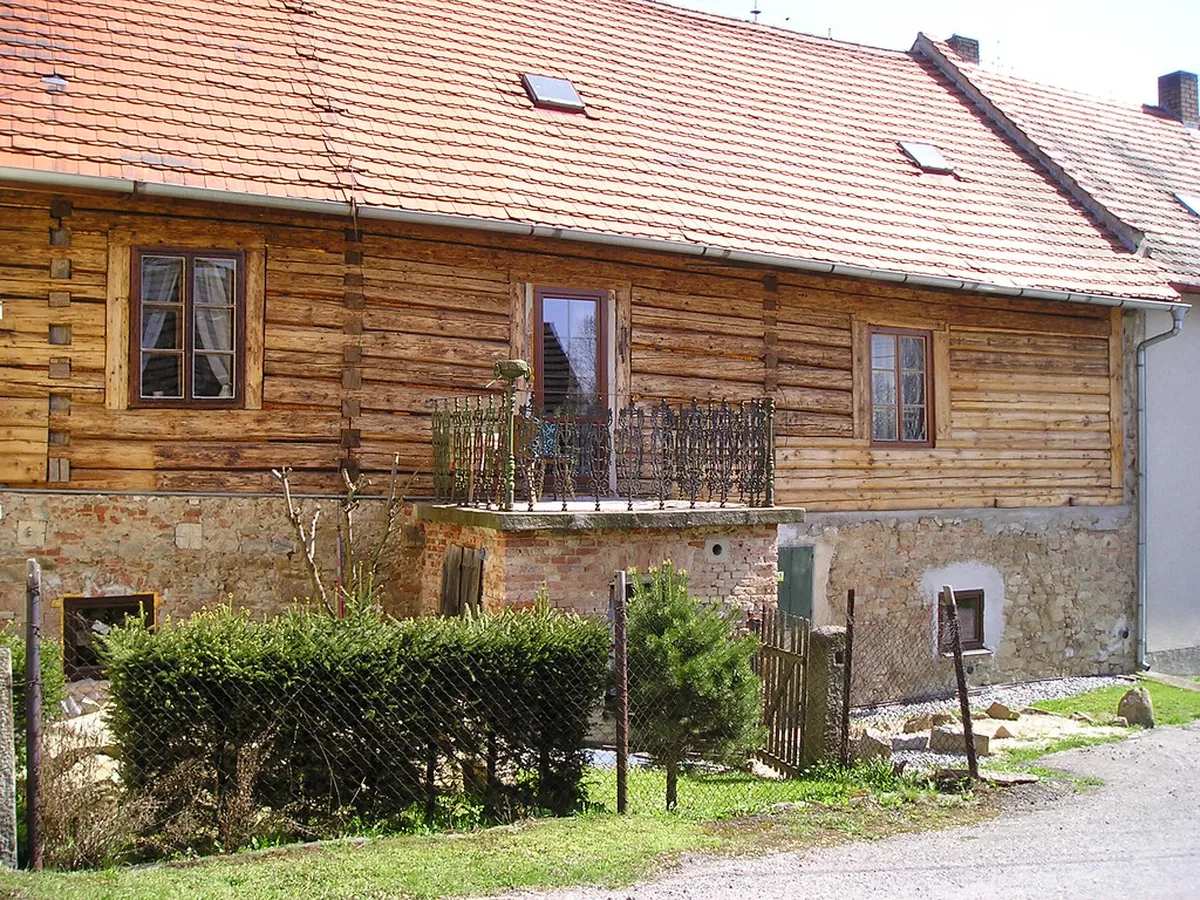
The half-timbered houses of Orléans offer a look back into the daily life of the Middle Ages. These structures feature exposed wooden beams and plaster walls that create a unique and cozy atmosphere. Many of these buildings were carefully restored to maintain their original character and historic visual charm. You will find them clustered along narrow streets near the riverfront in the old district.
Walking through these lanes feels like stepping into a different era of French urban history and culture. Look for the Maison de la Coquille which is a famous example of this traditional building style. The ground floors now house small shops and cafes where you can stop for a snack. Notice how the upper floors often hang over the street to maximize the living space available.
The preservation efforts in Orléans have kept these timber frames in excellent condition for modern visitors to enjoy. Architects will appreciate the joinery techniques used to hold the massive oak beams together without using nails. The colors of the wood vary from dark brown to light grey depending on their age. This area provides endless opportunities for capturing beautiful photos of classic European street scenes in 2025.
Most of these houses are located within a small area that is easy to navigate on foot. Follow the Rue de la Charpenterie to see some of the most impressive examples of medieval construction. The uneven lines of the walls add a sense of character that modern buildings often lack. This part of the tour highlights the domestic side of the architectural heritage of this city.
Modern Innovation at the FRAC Centre
The FRAC Centre Les Turbulences represents the bold and experimental future of design in the city. This contemporary structure features a metallic skin that glows with light during the evening and night hours. It was designed to resemble a moving fluid or a digital wave rising from the ground. The building houses a large collection of architectural models and art that focus on radical ideas.
The contrast between this shiny metal building and the nearby stone walls is very striking for viewers. Inside you can explore galleries that showcase the intersection of art, technology, and urban planning concepts. The exhibitions change regularly to feature the work of modern architects from all over the world. It serves as a hub for creativity and new ideas in the Loire Valley region.
You will find the entrance at the site of a former military base which adds history. The courtyard allows you to see the complex angles of the metal panels from a close distance. This stop is essential for anyone interested in how modern materials can transform an urban landscape today. Admission prices are reasonable and the gift shop offers unique books about international building design.
The interior spaces are flexible and open to allow for large scale installations and interactive digital art. You can spend about an hour exploring the various floors of this innovative and strange building. It offers a fresh perspective after seeing so many historic sites earlier in the morning tour. The FRAC Centre is a landmark of the twenty-first century that you cannot miss.
Contemporary Lines of the Pont de l'Europe
Finish your half-day tour by visiting the Pont de l'Europe which spans across the wide Loire River. This bridge was designed by the famous architect Santiago Calatrava and opened to the public in 2000. It features a giant white arch that leans gracefully to one side over the flowing water. The design is intended to feel light and airy like a sail catching the river breeze.
You can walk along the pedestrian path to enjoy views of the city skyline from the water. The white steel structure creates sharp lines that look amazing against the blue sky of a clear day. This bridge is a masterpiece of engineering that combines function with high art and modern style. It connects the older parts of the city with the newer developments on the south bank.
The bridge is particularly beautiful during the sunset when the lights begin to illuminate the curved metal arch. You will see many locals jogging or cycling across this path during the warm summer months of 2025. It provides a sense of movement and grace that perfectly ends your architectural journey through the city. The location is about a fifteen-minute walk from the city center near the river.
Take some time to look at how the cables support the deck from the single leaning arch above. Calatrava is known for using organic shapes that remind people of birds or shells in his work. This bridge is a fine example of his signature style and adds a modern touch to Orléans. It is the perfect place to reflect on all the different styles you saw today.
Frequently Asked Questions
How long does the walking tour take?
This half-day route for architecture lovers in Orléans typically takes about four hours to complete at a pace. You will have enough time to visit the cathedral and the city hall while walking between sites. The total distance is about three kilometers which is manageable for most people on a morning trip.
Is the Orléans architecture tour free?
Most of the major sites on this itinerary are free to view from the outside and enter. The Sainte-Croix Cathedral and Hôtel Groslot do not charge admission fees for standard visits in 2025. You may need to pay a small fee to enter the FRAC Centre for the indoor galleries.
What is the best time of year for this route?
Spring and fall offer the best weather for walking tours in the Loire Valley region of France. The months of May and September provide mild temperatures and plenty of daylight for taking beautiful building photos. Summer can be quite hot so you should start your tour early in the morning hours.
Orléans is a treasure for anyone who loves diverse building styles and rich French history. This half-day route for architecture lovers in Orléans shows you the best of the past and the future. From Gothic towers to modern bridges the city offers a visual feast for every traveler. Plan your visit in 2025 to experience these incredible sites for yourself today. Enjoy the unique charm of this city on your next walking adventure in France.
Key Takeaways
- Start at Sainte-Croix Cathedral to see the best Gothic towers in the city.
- Visit Hôtel Groslot for free to admire Renaissance brickwork and royal history.
- Explore the old town streets for authentic medieval timber-framed house designs.
- Check out the FRAC Centre for a look at experimental contemporary metal architecture.
- Walk across the Pont de l'Europe to see a modern masterpiece by Santiago Calatrava.
Related reads: architecturebycity.com, architecture in orleans, orleans architecture walking tour itinerary.