
Jakob + MacFarlane Architecture in France Guide
Discover bold Jakob + MacFarlane architecture in France. Explore the FRAC Centre in Orléans and learn about their futuristic designs in 2025!
On this page
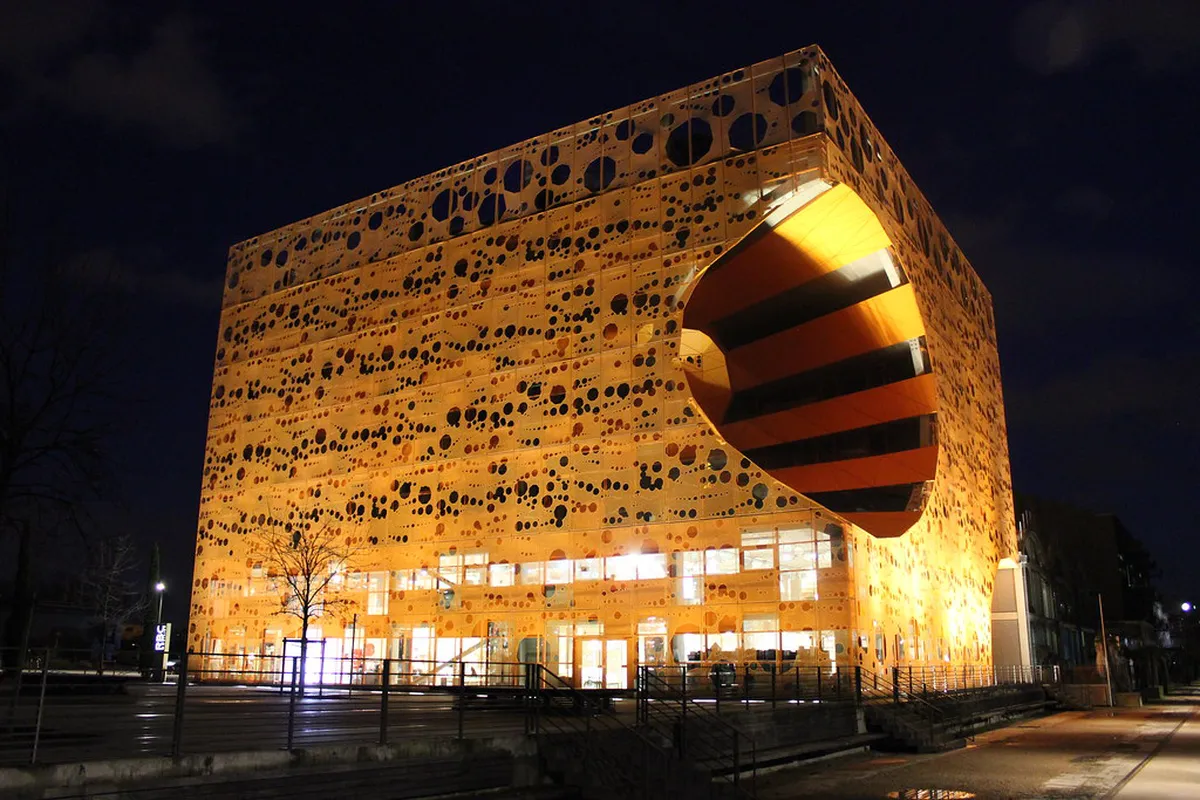
The famous FRAC Centre showcases bold Jakob + MacFarlane architecture in France for many curious travelers. This building stands as a major landmark within the historic city of Orléans today in 2025. Dominique Jakob and Brendan MacFarlane started their creative design firm in the city of Paris. They focus on how digital tools can help create new shapes for the modern world.
Their work often blends complex digital technology with physical space to create truly unique structures. Visitors to Orléans can witness this unique style firsthand at the local regional art museum. The firm continues to push architectural boundaries throughout the world with their very innovative projects. This guide explores their impact on French design and the specific details of their local work.
The duo uses advanced computer programs to design buildings that look like living, organic shapes. These structures often feature metallic skins and glass walls that reflect the light beautifully. You will find their work in several major cities across the country of France today. Their Orléans project remains one of the most talked about examples of their creative vision.
Understanding this architecture requires a look at both the history and the future of design. The architecture in Orléans has changed significantly because of their bold and modern contributions. This article provides everything you need to know about their style and their famous buildings. Read on to discover the secrets behind these futuristic designs in the heart of France.
The Visionary Duo Behind the Firm
Dominique Jakob and Brendan MacFarlane founded their architectural agency in Paris during the year nineteen ninety-seven. Dominique studied at the Ecole d'Architecture in Paris to learn the foundations of classic design. Brendan moved from New Zealand to study at the prestigious Harvard Graduate School of Design. Together they formed a partnership that would soon change the face of modern French architecture.
Their design philosophy centers on the use of digital tools and parametric modeling for projects. They believe that buildings should react to their environment and the people who use them. This approach allows them to create spaces that feel dynamic and full of energy. Their early work in Paris set the stage for much larger commissions across the country.
The firm gained fame for its ability to integrate new structures into very old urban contexts. They often use bold colors and unexpected materials to make a strong visual statement. You can see their influence in many public buildings and private housing projects across France. They are considered leaders in the field of experimental and digital architecture in 2025.
Jakob + MacFarlane architecture in France is known for being both functional and highly artistic. They do not follow traditional rules and instead prefer to invent their own unique paths. Their projects often look like they came from a science fiction movie set in the future. This creative freedom has won them many international awards and praise from design experts globally.
The FRAC Centre-Val de Loire Turbulences
The FRAC Centre-Val de Loire Turbulences is their most famous project located in the city of Orléans. This building looks like an aluminum cloud rising from the ground in a very dramatic way. It sits inside the courtyard of a former military barracks from the late eighteenth century. The contrast between the old stone and the new metal is quite striking for visitors.
The structure uses a grid of tubular steel to support the complex shapes of the exterior. Over two thousand light points cover the facade to create a vibrant electronic skin at night. These lights respond to weather data to change colors and patterns throughout the evening hours. It makes the building feel alive as it glows in the center of the city.
Inside the building, the space hosts an extensive collection of experimental architecture and fine art. You will find drawings and models from global visionaries who changed the world of design. The interior paths flow like a continuous loop to guide guests through the many galleries. This design makes the museum feel interactive and very accessible for all types of travelers.
The project was completed in 2013 but remains a primary example of modern design in 2025. It cost several million euros to complete this ambitious cultural center for the local region. The building serves as a venue for exhibitions, workshops, and many different public events. It has become a symbol of the modern identity of Orléans for the current generation.
Visitors can explore the large halls and see how the light enters through the glass openings. The aluminum panels reflect the sky to make the building change appearance during the day. This structure is a must-see for anyone interested in the future of urban design and art. It perfectly represents the innovative spirit of Jakob + MacFarlane architecture in France today.
Parametric Design and Digital Architecture
Jakob + MacFarlane rely heavily on parametric design in Orléans modern buildings to create their work. This method uses computer algorithms to generate shapes that traditional tools could never build. It allows for complex curves and irregular patterns that give the buildings an organic feel. The results are often futuristic and challenge our ideas of what a building looks like.
Their designs feel both mechanical and biological at the same time to the casual observer. Many people compare their work to living organisms or strange creatures from the deep sea. This approach is very popular in 2025 as architects look for new ways to build. They use digital tools to manage the structural complexity of these very large projects.
Materials like glass, aluminum, and steel are very common in their diverse portfolio of work. These surfaces reflect light and create shadows that change as the sun moves across the sky. The firm focuses on how natural light can enter a building to improve the interior mood. This creates a vibrant and healthy atmosphere for everyone who enters their unique structures.
The use of digital fabrication means that every piece of the building is custom made. This precision allows for the creation of the flowing shapes seen in the Turbulences project. It represents a high level of technical skill and creative thinking in the modern age. Jakob + MacFarlane continue to lead this digital revolution in the world of global architecture.
Impact on the Orléans Urban Landscape
Adding such modern buildings to a historic city like Orléans was a very bold move. The city is mostly famous for its historic timber houses and grand old cathedrals. Jakob + MacFarlane brought a contemporary edge to the area that sparked a lot of debate. Their work proves that the city is willing to embrace the future and new ideas.
The Turbulences project acts as a cultural beacon for the entire Val de Loire region. It draws architecture students and curious tourists from all over the world to this city. The site encourages people to explore the northern parts of the city center more often. It has successfully revitalized a neighborhood that was previously very quiet and mostly ignored.
Local residents now see the aluminum structure as a major landmark for their home city. It stands near the grand nineteenth-century boulevards and the historic old town squares. This mix of different styles defines the unique identity of Orléans in the year 2025. The city feels like a bridge between the medieval past and a very bright future.
The presence of the FRAC Centre has also encouraged other modern developments in the surrounding area. New shops and cafes have opened to serve the many visitors who come for the art. It shows how a single piece of architecture can change the economy of a whole city. Jakob + MacFarlane have left a permanent mark on the landscape of this French city.
Visiting the FRAC Centre in 2025
Planning a trip to see this architectural masterpiece is very easy for most travelers. The FRAC Centre is located at eighty-eight Rue du Colombier in the city of Orléans. It is open to the public from Wednesday to Sunday every week of the year. Admission prices are usually between five and ten euros for most adult visitors today.
Guided tours are available for those who want to learn about the complex engineering. You can hear stories about how the electronic skin was built and how it works. The museum also features a lovely garden area that is perfect for a short break. This outdoor space provides many great spots for taking photos of the amazing building.
You should check the official website for the current schedule of exhibitions and special events. Some popular shows might require you to book your tickets in advance during peak months. Wear comfortable shoes because you will be walking through several large galleries and outdoor paths. The facility is fully accessible for all travelers and has a small gift shop.
The museum is only a short walk from the main train station in Orléans. This makes it a perfect day trip for those staying in the city of Paris. You can enjoy the art and then explore the rest of the historic city center. It is one of the most unique cultural experiences you can have in France today.
Frequently Asked Questions
What is the most famous Jakob + MacFarlane building in France?
The FRAC Centre-Val de Loire Turbulences in Orléans is their most famous building. It is known for its metallic skin and light display. The building hosts a large collection of architectural models.
Can you visit the FRAC Centre in Orléans for free?
There is usually a small fee to enter the main exhibitions at the center. Some special events or certain days might offer free entry to the public. Always check their website for the most current pricing information.
What architectural style is Jakob + MacFarlane known for?
They are famous for parametric design and using digital tools for architecture. Their style often features organic shapes and complex metallic structures. It is considered a very modern and experimental approach to design.
Where is the FRAC Centre located in Orléans?
The center is located at 88 Rue du Colombier near the city center. It is easy to reach by walking from the main train station. The building sits inside the courtyard of a former military site.
Who are the architects behind Jakob + MacFarlane?
The firm was founded by Dominique Jakob and Brendan MacFarlane in Paris. Dominique is French and Brendan is originally from the country of New Zealand. They have worked together on many global projects since 1997.
Jakob + MacFarlane architecture in France offers a fascinating look at the future of our cities. Their work in Orléans stands as a testament to creative courage and technical skill. You should make sure to visit the FRAC Centre to see this masterpiece yourself. It is a highlight for any traveler interested in modern art and design. Plan your visit to Orléans in 2025 to experience these amazing turbulences in person.
Key Takeaways
- The FRAC Centre is a masterpiece of parametric design in Orléans.
- Jakob + MacFarlane use digital tools to create organic architectural shapes.
- The building features an electronic skin that glows with weather data.
- The site is a major cultural landmark located in a former military barracks.
- Visitors can enjoy a mix of historic and futuristic architecture in Orléans.
Related reads: architecturebycity.com, frac orleans exhibition space floor plan, sainte croix cathedral orleans architecture.