
Orgues de Flandre Apartment Towers History
Explore the Orgues de Flandre apartment towers history and structural design. Discover this Brutalist gem in Paris on your next visit in 2025.
On this page
The beautiful city of Paris offers much more than just traditional Haussmann buildings and old monuments. The Orgues de Flandre apartment towers history begins in the heart of the 19th arrondissement. These massive concrete structures redefine the interesting skyline of modern northern Paris for all visitors. You can see these towering giants from many different parts of the city during the day.
The Orgues de Flandre Apartment Towers History
After World War II, Paris faced a severe housing shortage that required immediate and innovative solutions. The government began planning large-scale residential projects to accommodate the growing population of the French capital. These projects often utilized modern materials like reinforced concrete to speed up the construction process significantly. This era marked a departure from the traditional stone buildings that defined the city for centuries.
The 19th arrondissement was historically an industrial area with many factories and busy working-class neighborhoods. Urban planners wanted to modernize this district by introducing high-density housing and new public green spaces. The Orgues de Flandre apartment towers history started as part of this ambitious urban renewal program. Designers hoped to create a better living environment for thousands of local families in the city.
This period saw the rise of large housing estates known as Grands Ensembles across the suburbs. However, the project on Rue de Flandre was unique because it stayed within the city limits. Architects had to balance the need for high density with the constraints of an existing urban fabric. This challenge led to some of the most creative structural designs seen in modern French history.
Social housing in the 1970s was not just about providing shelter for the local population. It was also an opportunity to experiment with new architectural styles and innovative structural engineering techniques. The Orgues de Flandre stands as a testament to this period of bold and daring urbanism. You can still feel the ambition of that era when you walk through the complex today.
The site was formerly occupied by a large gasworks facility that served the surrounding Parisian neighborhoods. Removing this industrial infrastructure allowed for a complete rethink of how the local space could be used. This transition from industry to residency is a key part of the broader history of Paris. It paved the way for the monumental concrete structures we see in the 19th arrondissement.
Martin van Treeck’s Architectural Vision
Martin van Treeck was the lead architect who brought this massive concrete vision to life in Paris. He was born in Germany but spent much of his professional career working on major projects in France. Van Treeck wanted to move away from the repetitive and boring slabs of earlier social housing designs. He sought to create a complex that had its own unique rhythm and strong visual identity.
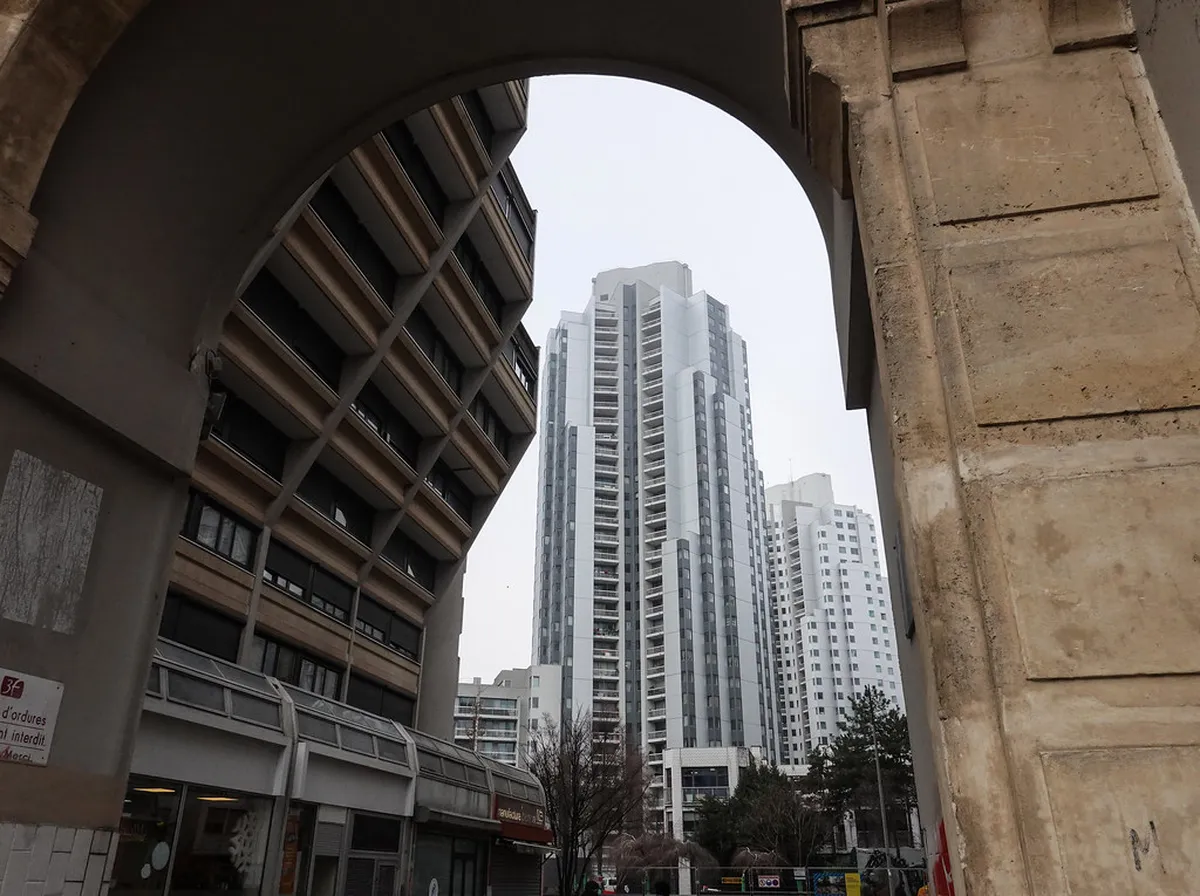
The name Orgues de Flandre translates to the Organs of Flandre in the English language today. This name refers to the varied heights of the towers which resemble the pipes of a giant organ. Van Treeck used these musical metaphors to guide his structural and aesthetic choices for the entire site. The result is a skyline that feels dynamic rather than static or heavy and imposing.
His design emphasizes verticality and the play of light and shadow on the raw concrete surfaces. Each tower has a different height to create a sense of movement across the wide city horizon. This variety ensures that the buildings do not overwhelm the surrounding streets or the people living nearby. It remains a masterclass in using Brutalist architecture Paris fans admire for its complexity.
Van Treeck also focused heavily on the islet concept which creates a city within a city. He included various public services and communal areas within the base of the massive residential towers.
- Primary and secondary schools are located directly at the base of the towers.
- A large community library provides essential educational resources for all the local families.
- Modern shopping facilities offer residents convenient access to fresh food and daily household goods.
The construction of such a complex project required several years of intense labor and technical precision. Van Treeck worked closely with engineers to ensure the stability of the staggered concrete and glass sections. His dedication to this project has left a lasting mark on the architectural landscape of northern Paris. Today, his work is celebrated by those who appreciate the raw beauty of 20th-century urban design.
Structural Analysis of the Tallest Towers
Tour Prélude is the undisputed star of the complex and the tallest residential building in Paris. It rises to a height of 123 meters and contains 38 floors of residential living space. The tower uses a central core of reinforced concrete to support the weight of the cantilevered sections. This engineering choice allows for the unique staggered look that defines the building's exterior and silhouette.
Tour Fugue stands nearby and reaches a height of 108 meters with 32 floors of apartments. Like its taller neighbor, it features a complex geometry that challenges traditional ideas of how buildings should look. The structural analysis reveals a sophisticated use of load-bearing walls and precast concrete panels throughout the tower. These elements work together to create a stable yet visually striking home for hundreds of Parisian residents.
The use of raw concrete is a hallmark of the Brutalist style found throughout this entire project. Engineers chose this material for its durability and its ability to be molded into complex geometric shapes. The exterior surfaces show the texture of the wooden forms used during the pouring of the wet concrete. This honest expression of materials is a key characteristic of architecture in Paris from this specific era.
Balconies are integrated into the structural design of each tower rather than being added as separate pieces. These cantilevered elements provide essential outdoor space while also contributing to the overall stability of the facade. The repetition of these balconies creates a rhythmic pattern that echoes the musical theme of the entire complex. This integration of function and form is typical of the high-quality structural engineering found at the site.
Foundation work for these massive towers required deep excavation into the soil of the 19th arrondissement. Engineers had to ensure that the ground could support the immense weight of the concrete and steel structures. The success of this foundation work has allowed the towers to remain perfectly stable for over forty years. They continue to stand tall as monuments to the technical skills of late 20th-century French builders.
Structural Analysis of Cantate and Sonate
Tour Cantate and Tour Sonate complete the quartet of monumental residential buildings at the Rue de Flandre. Tour Cantate reaches a height of 101 meters and features 30 floors of well-designed residential units. It shares the same structural logic as the taller towers but on a slightly more modest scale. The building's footprint is carefully oriented to maximize natural light for all of the apartments inside.
Tour Sonate is the shortest of the four main towers but still stands at 90 meters tall. It has 26 floors and serves as an anchor for the southern end of the housing complex. The structural analysis shows that it uses the same high-quality reinforced concrete found in the taller buildings. Its staggered balconies create a visual link with the other three towers in the Organs ensemble.
Each of these towers rests on a massive podium that houses various commercial and community facilities. This podium acts as a structural transition between the verticality of the towers and the horizontal street level. It distributes the heavy loads from the towers across a wider area to ensure long-term structural health. This intelligent design helps the complex feel more integrated with the surrounding urban environment of Paris.
The windows in these towers are arranged in long vertical strips to emphasize the height of the buildings. This placement also allows for expansive views of the city from almost every room in the apartments. Structural engineers had to carefully place the window openings to avoid compromising the strength of the load-bearing walls. The result is a perfect balance between structural necessity and the comfort of the people living inside.
Maintenance of these concrete structures is an ongoing process that requires regular inspections by highly trained engineers. They check for signs of weathering or carbonation which can affect the long-term health of the reinforced concrete. Modern protective coatings are often applied to the exterior to keep the towers looking fresh and clean. These efforts ensure that the Orgues de Flandre will remain a landmark for many years to come.
Brutalism and Social Housing in the 1970s
The 1970s was a decade of great experimentation for social housing projects in many major European cities. Architects wanted to solve social problems through bold design and the creation of shared communal spaces. Brutalism was the perfect style for this mission because it felt modern, strong, and very efficient. The Orgues de Flandre is one of the most successful examples of this social and architectural movement.
Critics of the time often debated the merits of these massive concrete vertical villages in the city. Some people found the scale of the towers to be too imposing for a traditional residential neighborhood. However, many residents appreciated the modern amenities and the sense of light and space in their flats. The Orgues de Flandre managed to avoid many of the social issues seen in other housing estates.
The project included a variety of apartment sizes to accommodate different types of families and individuals. This diversity helped create a stable and vibrant community within the walls of the massive concrete structures. Public gardens and walkways between the towers provide essential space for children to play and neighbors to meet. These social features were just as important to the architect as the structural design of the towers.
Today, these buildings are viewed with a new sense of appreciation by historians and architecture lovers alike. They represent a moment when society believed that great design could improve the lives of ordinary people. You can learn more about this philosophy on an architecture walking tour Paris experts highly recommend. Seeing the towers in person allows you to understand the scale of this ambitious social vision.
The legacy of the 1970s social housing movement continues to influence modern urban planning in many ways. While the styles have changed, the goal of creating high-quality affordable housing remains more important than ever. The Orgues de Flandre apartment towers history provides valuable lessons for the architects of the future today. It shows that bold ideas can stand the test of time when they are built with care.
Visiting the 19th Arrondissement in 2025
Travelers visiting Paris in 2025 should definitely include a trip to the vibrant 19th arrondissement on their itinerary. This area offers a refreshing change from the more crowded and touristy parts of the central city. The Orgues de Flandre towers are easily accessible by public transport and provide great photo opportunities. You can take the metro line 7 to the Corentin Cariou station to arrive at the site.
Once you arrive, spend some time walking around the base of the towers to appreciate their scale. The public gardens offer a quiet place to sit and observe the daily life of the local residents. Look up to see the staggered balconies and the play of sunlight on the gray concrete walls. The towers look different from every angle and offer a unique perspective on modern Parisian urban living.
Nearby attractions include the Parc de la Villette and the scenic Canal de l'Ourcq which are worth visiting. These areas have been revitalized with new cultural centers, museums, and trendy cafes for everyone to enjoy. You can spend an entire afternoon exploring this part of northern Paris without ever getting bored. The mix of historic industry and modern architecture creates a very special and unique atmosphere for visitors.
Visiting the Orgues de Flandre is a great way to support sustainable tourism away from the main landmarks. It allows you to see how real Parisians live and work in the modern version of the city. The neighborhood is full of local charm and offers a wide variety of affordable dining and shopping options. Make sure to bring your camera to capture the stunning geometric shapes of the massive concrete towers.
As you plan your trip for 2025, remember that Paris is a city of many different architectural layers. The Brutalist towers of the 19th arrondissement are just as important as the Gothic cathedrals of the past. Exploring the Orgues de Flandre apartment towers history will give you a much deeper understanding of the city. It is a journey into the heart of modern French identity and the future of urban life.
Frequently Asked Questions
What is the exact height of the tallest building in the Orgues de Flandre complex in Paris?
Tour Prélude is the tallest tower and it stands at exactly 123 meters above the ground level. It has 38 floors and remains one of the tallest residential structures in the whole of Paris.
Who was the main architect responsible for this massive Brutalist housing project in northern Paris?
Martin van Treeck was the visionary architect who designed the entire complex during the late 1960s. He used musical themes to create the unique rhythm and staggered heights of the four concrete towers.
Can international tourists visit the inside of the private apartments located within these towers today?
The towers are private residential buildings so you cannot enter the apartments without an invitation from someone. However, the public courtyards and the striking exterior are completely free for all visitors to explore.
Where is the best place to view these monumental concrete towers in the 19th arrondissement?
You can get a great view from the Rue de Flandre or the nearby Canal de l'Ourcq. The towers are also visible from the platforms of the Corentin Cariou metro station in Paris.
The Orgues de Flandre apartment towers history is a fascinating look into the future of 1970s Paris. These massive concrete structures continue to stand as bold landmarks of modern urban design and structural engineering. Make sure to visit this unique site during your next trip to the French capital in 2025. You will discover a side of Paris that is both powerful and deeply human at the same time.
Key Takeaways
- Tour Prélude is the tallest residential building in Paris at 123 meters.
- The project was designed by Martin van Treeck to resemble organ pipes.
- The site is a key example of the Brutalist movement in French social housing.
Related reads: architecturebycity.com, les choux de creteil architecture guide, communist party headquarters oscar niemeyer design.