
Defensive Walls of the Royal Palace in Perpignan
Discover the defensive walls of the Royal Palace in Perpignan. Learn about the Palais des Rois de Majorque architecture and book your 2025 tour now!
On this page
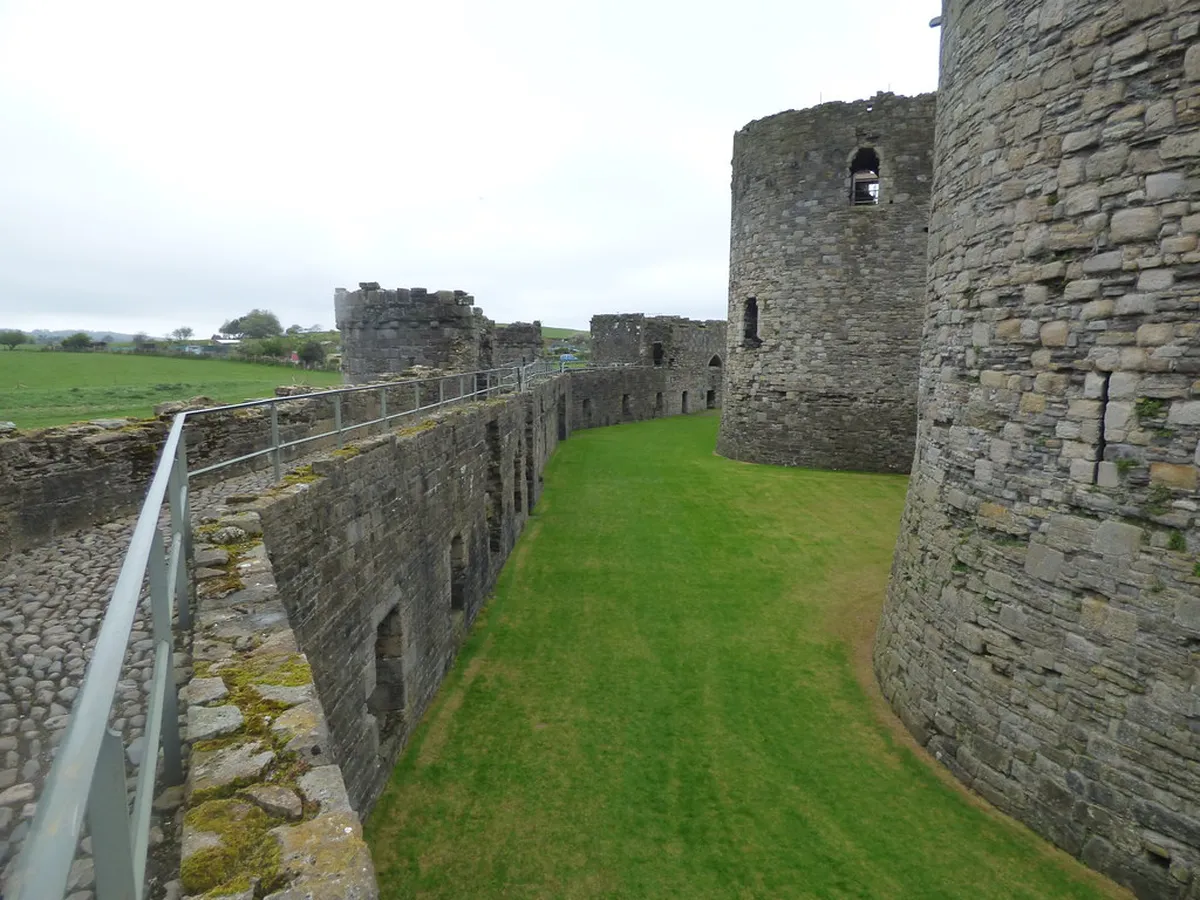
The defensive walls of the Royal Palace stand as a massive landmark in the city of Perpignan today. These stone structures reflect the power of the medieval Kingdom of Majorca during the thirteenth century era. Visitors can see these impressive barriers from many different points throughout the historic city center in 2025. These fortifications protected the royal residence from invaders for many hundreds of years of local history.
The defensive walls of the Royal Palace are part of a larger complex known as the Citadel of Perpignan. This site offers a unique look at how kings lived and protected their families in southern France. The architecture of the site shows a mix of military strength and royal elegance in every single detail. You can walk along these paths to experience the grand scale of the ancient Mediterranean world today.
The History of the Palace Walls
King James II of Majorca began building these walls around the year 1276 to secure his new capital. The defensive walls of the Royal Palace served as the primary shield for the inner court and gardens. Builders used local stones and red bricks to create a structure that could withstand long military sieges. This construction project lasted many decades as the kingdom expanded its influence across the scenic Mediterranean coast.
The walls survived many battles between the kingdoms of France and Aragon over the following several hundred years. Each conflict led to new repairs and additions that changed the shape of the original medieval fortress walls. You can still see the different layers of stone that mark various periods of military construction history here. These physical changes tell a story of a city that was always ready for a sudden military attack.
By the seventeenth century the walls became part of a much larger defense system for the entire city. Engineers wanted to create a site that was impossible for enemy soldiers to capture during a long war. The original medieval walls remained the heart of this complex even as newer bastions were built around them. Today these walls are a protected national monument that welcomes thousands of international travelers every single year.
Key historical features include:
- Large red brick ramparts from the thirteenth century era.
- Deep dry moats that once surrounded the entire palace complex.
- Hidden tunnels used by soldiers to move between different guard towers.
- High watchtowers that provided a clear view of the Roussillon plain.
Palais des Rois de Majorque Architecture
The Palais des Rois de Majorque architecture features a stunning blend of Gothic and Romanesque design styles. The outer defensive walls appear rugged and simple to discourage any potential attackers from climbing the high masonry. However the inner side of the walls reveals delicate carvings and elegant arches that faced the royal court. This contrast between military function and royal beauty makes the palace a very special site to visit.
Architects designed the walls to follow a regular square layout with high towers at each of the corners. This shape allowed guards to see in all directions and protect the king from any surprise night raids. The thickness of the walls reached several meters in some places to provide maximum safety for the residents. These dimensions show the high level of engineering skill available to the builders during the Middle Ages.
Inside the walls the palace contains two levels of galleries that look over a beautiful central courtyard area. The defensive walls of the Royal Palace enclose this private space and create a peaceful atmosphere for the visitors. You will find that the stone changes color depending on how the sun hits the surfaces during the day. The red bricks glow brightly during the sunset and create a very memorable sight for photographers and tourists.
The chapel located within the palace walls is another example of fine religious architecture from the medieval period. It features a unique two-story design that allowed the royal family to pray in a private upper gallery. The defensive walls protect this sacred space from the noise and movement of the busy city outside today. Visitors often spend a long time admiring the stained glass windows and the vaulted stone ceilings here.
Vauban’s Impact on the Fortifications
The famous military engineer Vauban visited Perpignan in the late seventeenth century to inspect the local palace defenses. He decided to modernize the Vaubans fortifications in Perpignan to meet the needs of modern gunpowder warfare. His changes included adding large earthworks and star-shaped bastions around the original medieval defensive walls of the palace. These additions ensured the palace remained a top military site for the French army for many years.
Vauban believed that the existing walls needed better protection from heavy artillery fire during a sustained military siege. He added thick layers of soil behind the stone walls to absorb the impact of large iron cannonballs. This design transformed the palace from a medieval castle into a modern citadel with advanced defensive capabilities. You can still see the sharp angles of his bastions when you walk around the outer perimeter.
The engineer also improved the gatehouses to make them more secure against forced entry by enemy infantry units. He designed complex entry systems that forced visitors to pass through multiple checkpoints before reaching the main palace area. These features are still visible today and provide a great look at seventeenth-century military planning and design. Many history fans enjoy exploring these layers of defense while walking through the cool stone tunnels today.
Modern restoration work has focused on preserving both the medieval walls and the later additions made by Vauban himself. Experts work carefully to ensure that the different styles of masonry remain visible for future generations to study. The defensive walls of the Royal Palace are now a perfect example of how military technology evolved over time. This site offers a complete history of European fortress design in one single and very impressive location.
Practical Guide for Visiting in 2025
Planning a visit to see the defensive walls of the Royal Palace requires some basic preparation for 2025 travelers. The palace is located on a high hill that overlooks the historic center of the city of Perpignan. You should wear comfortable walking shoes because the paths around the walls are made of uneven stone and gravel. Most people spend about two hours exploring the ramparts and the interior rooms of the beautiful palace.
You should purchase your Palace of the Kings of Majorca tickets in advance during the busy summer months. Prices are usually very affordable for adults and even cheaper for students or large families traveling together. The site is open every day except for a few major public holidays during the winter season months. Check the official website for current opening hours before you start your walk up the palace hill.
The best time to visit the walls is in the early morning or the late afternoon hours. This timing allows you to avoid the strongest heat of the sun and see the best light effects. You will also find fewer crowds which makes it easier to take great photos of the ancient stone masonry. The views from the top of the walls extend all the way to the Pyrenees mountains on clear days.
Important travel details for your visit:
- Adult tickets cost approximately seven Euros in the current 2025 season.
- The site offers guided tours in French and English throughout the busy summer months.
- Public restrooms and a small gift shop are located near the main entrance gate area.
- Be prepared for a steep walk from the city center to reach the palace entrance.
The Evolution of Military Engineering
The defensive walls of the Royal Palace represent a significant shift in how medieval architects approached military safety and design. Early builders focused on height to prevent enemies from using ladders to climb over the primary stone barriers. As weapons became more powerful the focus shifted toward making the walls thicker and much more resilient to damage. This evolution is clearly visible as you walk from the inner court to the outer modern bastions.
Materials used in the walls also changed as builders discovered which stones could best resist the weather and war. The use of river stones mixed with mortar created a very strong core for the massive defensive structures. This technique allowed the walls to stand for centuries without collapsing under their own heavy weight or pressure. It is a testament to the skill of the craftsmen who worked on this site long ago.
Water management was another critical part of the engineering design for the defensive walls of the Royal Palace area. Large cisterns were built inside the walls to collect rainwater and provide a steady supply during a long siege. This feature was vital for the survival of the king and his soldiers when the city was surrounded. You can still see the remains of these water systems in the lower levels of the fortress.
Today the walls serve as a park and a place for cultural events for the local people of Perpignan. The military engineering that once kept enemies out now provides a beautiful setting for concerts and local festivals. Visitors can enjoy the history of the site while also participating in the modern life of the city. This blend of old and new is what makes Perpignan such a fascinating place for travelers.
Frequently Asked Questions
How long does it take to walk the defensive walls of the Royal Palace?
Most visitors take about forty-five minutes to walk the accessible parts of the palace walls and ramparts. This time allows you to enjoy the views and take many photos of the surrounding city. You should allow extra time to see the palace rooms and the chapel inside the complex.
Is the Palace of the Kings of Majorca accessible for disabled visitors?
The palace has some limitations for visitors with mobility issues because of the historic nature of the site. Some areas of the defensive walls have steep stairs and narrow paths that are difficult to navigate. However many parts of the lower courtyard and the main palace floor are accessible via modern ramps.
What is the best way to reach the palace from Perpignan city center?
The best way to reach the palace is by walking from the Place de la Loge in the center. The walk takes about fifteen minutes and goes through some of the most historic streets of the city. You can also take a local bus or a taxi if you prefer not to walk.
Are there guided tours available for the defensive walls in 2025?
Yes guided tours are available and highly recommended for those who want to learn about the architecture in depth. These tours cover the history of the walls and the military engineering used by Vauban in the past. You can book these tours at the ticket office upon your arrival at the palace.
The defensive walls of the Royal Palace are a must-see landmark for anyone visiting the city of Perpignan in 2025. These walls offer a unique window into the medieval history and the military engineering of the Kingdom of Majorca. You will enjoy the stunning views and the deep sense of history that fills this incredible stone fortress. Plan your visit today to experience the power and beauty of this ancient royal residence in France.
Key Takeaways
- The walls were built by the Kings of Majorca starting in the thirteenth century.
- Military engineer Vauban added modern defensive features to the site in the seventeenth century.
- The palace offers some of the best panoramic views of Perpignan and the Pyrenees mountains.
Related reads: architecturebycity.com, architecture in perpignan, majorcan court architectural layout.