
History of Perpignan City Walls and Vauban
Learn the history of Perpignan city walls and see Vauban's fortifications in 2025. Visit this historic French city for an amazing architecture tour today!
On this page
Perpignan remains a beautiful city located in the sunny south of France today. It sits very close to the Spanish border and the Mediterranean coast. The history of Perpignan city walls shows how the city grew over time. You can see these ancient fortifications throughout the modern city center in 2025.
These defensive structures once protected the city from many dangerous military sieges. Catalan kings and French engineers both worked to improve the sturdy stone defenses. Visitors can still explore the remaining gates and bastions during a morning walk. This guide provides the deep history of these impressive military structures in Perpignan.
Medieval Origins of Perpignan City Walls
Perpignan became the capital of the Kingdom of Majorca during the thirteenth century. The kings decided to build massive walls to protect their new royal seat. These early defenses used local river stones and strong red clay bricks. This was the start of the city's long journey as a fortified stronghold.
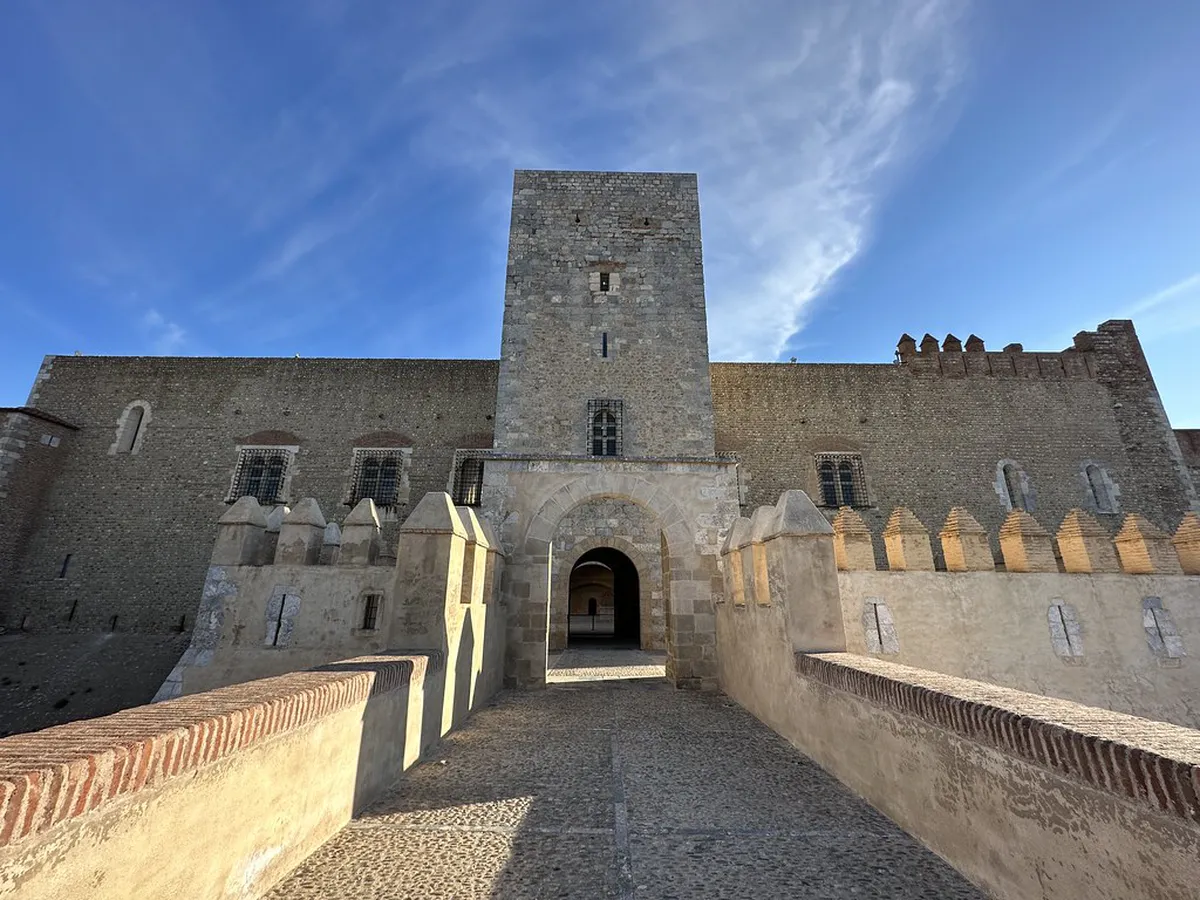
The original medieval ring was much smaller than the city we see today. It focused on protecting the royal court and the growing merchant classes within. Sentries walked the high ramparts to keep a constant watch for enemy movements. You can see this style at the Palace of the Kings of Majorca right now.
These walls survived many battles between the rival powers of France and Aragon. The stone layers were incredibly thick to withstand the force of early siege engines. Local builders developed unique techniques to make the walls both strong and flexible. This ancient masonry still stands as a testament to their incredible building skills.
The city grew rapidly and the walls had to expand several times later. New neighborhoods required protection as the population increased during the Middle Ages. Each expansion added new towers and stronger gates to the existing defensive line. These layers of history are still visible in the city's unique urban layout.
Walking through the Saint Jean district reveals the oldest parts of the defenses. Narrow streets follow the curves of the original thirteenth-century wall locations today. It is easy to imagine medieval life while walking past these ancient stone foundations. The historic atmosphere remains very strong for travelers visiting Perpignan in 2025.
Le Castillet: The Iconic Gate of the City
Le Castillet is the most famous part of the historic city wall system. It served as the main gate into the city during the Catalan era. The building features iconic red bricks and beautiful defensive battlements on the top. It remains the ultimate symbol of the city for all local residents today.
Construction on this massive gatehouse began in the year thirteen hundred and sixty-eight. It was originally built by the Aragonese to defend the northern city entrance. Later, the French added a second gate called the Notre Dame gate house. You can learn about Le Castillet architecture and history inside the museum.
The structure also served as a state prison for many long centuries. Many famous prisoners were held within these thick and very cold brick walls. The museum displays provide deep insights into the lives of these historic captives. It offers a fascinating look at the darker side of the city's history.
Visitors in 2025 can climb the narrow stairs to the very top roof. The panoramic view shows the entire city and the distant Pyrenees mountain range. It is the best place to take photos of the red tile roofs. Admission to the museum costs about five euros for a single adult ticket.
The square around Le Castillet is always full of life and local energy. People gather here for festivals and to celebrate their unique Catalan cultural heritage. It is the perfect starting point for any architecture tour of the city. The gate stands as a proud reminder of Perpignan's long military past.
Vauban's Fortifications in Perpignan
Perpignan became part of France after the Treaty of the Pyrenees in 1659. King Louis XIV wanted to make the city an invincible border fortress. He sent his most famous military engineer named Sebastien Vauban to the city. Vauban completely changed the way the city was defended against modern artillery.
He designed complex star-shaped bastions that could deflect heavy cannon fire easily. These new walls were lower but much thicker than the older medieval structures. Vauban also added deep dry moats to slow down any attacking infantry forces. His work on Vauban's fortifications in Perpignan was truly a masterpiece of engineering.
The Citadel was the center of his massive defensive plan for the city. He integrated the royal palace into a much larger military complex for soldiers. Thousands of workers spent years moving earth and stone to build these bastions. This massive project changed the city's skyline and its military role forever.
Vauban's influence is still very visible in the massive walls of the Citadel. The sharp geometric angles were designed to provide perfect lines of sight. Soldiers could cover every inch of the walls with their own defensive fire. This scientific approach to defense made Perpignan one of the strongest cities.
The military still uses parts of the Citadel for their own administrative needs. However, the outer ramparts are often open for public exploration and guided tours. Walking along these paths allows you to appreciate the scale of Vauban's vision. It is a highlight for anyone interested in 17th-century military history.
The 19th Century Expansion and Wall Demolition
The city of Perpignan felt very crowded inside its stone walls by 1900. Modern life required more space for new roads and large public buildings. The military no longer needed the old ramparts for the city's defense. A plan was created to tear down the walls and expand outward.
Most of the historic ramparts were destroyed during the year nineteen hundred and four. This was a very controversial decision among the local residents at that time. It allowed the city to breathe and grow into the surrounding countryside. New boulevards were built exactly where the old walls once stood tall.
Workers used the stones from the walls to build many new city houses. This recycling of materials helped the city grow very quickly in that decade. The wide streets created a modern feel that the city had never experienced. Perpignan transformed from a fortress into an open and modern European city.
Some citizens fought hard to save the most important historic city gates. This is why Le Castillet and the Citadel still exist for us today. These landmarks provide a vital link to the city's long and rich past. They remind us of the time when the city was a fortress.
The demolition changed the local climate by allowing more wind to enter. It also made the city center much easier to navigate for early cars. Today, the circle of boulevards makes the old town very easy to find. You are walking on history whenever you cross these wide city streets.
History of Perpignan City Walls: Construction
The history of Perpignan city walls involves the use of very specific materials. Builders used a local red brick known as the cayrou for strength. These bricks are famous for their durability and their beautiful warm orange color. They give the city buildings a unique look that you cannot find elsewhere.
Masons also used smooth river stones gathered from the nearby Tet River bed. These stones were often placed in a decorative fishbone pattern with mortar. This technique made the walls very strong against both weather and enemy attacks. It also allowed the walls to shift slightly without cracking during earthquakes.
The mortar was made using local lime and sand from the Mediterranean coast. This mixture became as hard as rock after it dried in the sun. It took thousands of skilled workers many years to complete a single bastion. The craftsmanship of these builders is still visible in the remaining stone sections.
Construction costs were very high for the city and the royal French treasury. Everyone had to pay taxes to support the building of these massive walls. In return, the people felt safe from the frequent wars with Spanish forces. The walls were a symbol of both protection and heavy financial burden.
Modern restoration teams work hard to preserve these ancient bricks and stone walls. They use traditional methods to ensure the repairs match the original historic style. This careful work keeps the history of the walls alive for future generations. You can see these craftsmen working at the Citadel during the summer.
Visiting Historical Sites of Perpignan in 2025
Visiting the historic city walls is a fantastic way to spend a day. You should start your tour at the Place de la Victoire. This large square sits right next to the impressive Le Castillet gate. Most guided walking tours begin their journey from this central city location.
The Citadel is open for guided tours several times during the week. These tours usually cost around seven euros and last for ninety minutes. You will see the underground tunnels and the high bastions built by Vauban. It is best to book your tickets in advance during summer.
You can also walk along the green parks that replaced the old moats. These gardens offer a peaceful escape from the busy city streets and traffic. They follow the line of the old walls and provide great shade. This is a favorite activity for local families on a sunny Sunday.
Be sure to wear very comfortable shoes for your walk around the town. The old streets are often made of uneven stones and can be slippery. Bring a bottle of water if you visit during the hot summer months. The Mediterranean sun can be very strong even during the late afternoon.
Many informative signs are placed around the city to explain the wall history. These signs are written in French, Catalan, and also in English today. They show maps of how the city looked hundreds of years ago. It is a great way to learn while you explore the town.
Frequently Asked Questions
When were the Perpignan city walls originally built?
The first major walls were built in the thirteenth century by Catalan kings. They were expanded many times before being mostly destroyed in 1904. Only a few iconic sections like Le Castillet remain standing for visitors today.
Who designed Vauban's fortifications in Perpignan?
The famous French engineer Sebastien Vauban designed the modern fortifications in the 1600s. He transformed the medieval city into a powerful star-shaped fortress for King Louis XIV. His clever designs focused on the Citadel and the surrounding defensive bastions.
Can you walk on the city walls in Perpignan?
You can walk on the ramparts of the Palace and the Citadel. Most of the other walls were removed to build the modern city boulevards. These surviving sections offer the best views of the city and the mountains.
Why did they tear down the Perpignan city walls?
The walls were torn down in 1904 to allow the city to grow. Perpignan needed more space for traffic, new buildings, and better air flow. Only the most significant historical parts were saved for future generations to see.
What is the most famous part of the walls?
Le Castillet is the most famous surviving part of the city wall system. It was the main gate and later served as a local prison. Today it is a museum and a major landmark for all tourists.
The history of Perpignan city walls reflects the city's long and complex past. From medieval kings to French engineers, many people shaped these massive stone defenses. While most of the walls are gone, their legacy remains in the city's streets. Plan your visit in 2025 to see these amazing historic sites for yourself. Book a guided tour today to discover the secrets hidden within the ancient stones.
Key Takeaways
- Le Castillet is the last remaining major gate of the city walls.
- Vauban redesigned the defenses into a star-shaped fortress in the 1600s.
- Most of the ramparts were removed in 1904 for urban expansion.
- The walls were built using local red bricks called cayrou.
- The Citadel remains one of the best examples of military architecture.
Related reads: architecturebycity.com, architecture in perpignan, unesco military sites near perpignan.