
Perpignan Railway Station Architecture Guide
Discover the Perpignan railway station architecture. Explore Dalí's center of the world and iconic designs in 2025. Start your tour today!
On this page
Perpignan railway station architecture stands as a fascinating symbol of Catalan heritage and surrealist history. This landmark serves as a primary gateway for travelers visiting the southern French city of Perpignan. Many visitors recognize the station for its deep connection to the famous artist Salvador Dalí. In 2025, the building remains a must-see destination for art lovers and architecture enthusiasts alike.
History of Perpignan Railway Station Architecture
The station first opened in 1858 during a period of rapid industrial growth in southern France. It connected the city to major rail networks across Europe and the beautiful Mediterranean coast. Early designs focused on functionality for busy steam engine travel and many heavy cargo transport routes. Engineers utilized standard materials like local iron and stone for the very first construction phase.
The arrival of the railway transformed the local economy during the late nineteenth century in France. New trade routes opened between Perpignan and the bustling markets of Paris and northern Spain. This connection helped the city expand beyond its historic medieval walls and various defensive structures. You can learn more about general architecture in Perpignan through our very detailed travel guides.
Architects updated the facade over several decades to reflect changing styles and modern urban needs. These modifications blended traditional French design with regional Catalan influences found throughout the local department. The building evolved from a simple depot into a significant urban landmark for the whole community. It represented progress and modernization for a city deeply rooted in its ancient and rich history.
During the early 20th century, the station underwent significant renovations to accommodate many more passengers. Decorative elements began to appear on the exterior and within the main passenger waiting areas. Workers improved the structural integrity of the platforms to support much larger and faster trains. These updates laid the foundation for the station's future status as a major cultural icon.
Salvador Dalí and the Center of the World
Perpignan railway station architecture gained global fame through the unique and surreal vision of Salvador Dalí. The Spanish surrealist famously declared the station to be the center of the universe in 1963. He experienced a moment of cosmogonic ecstasy while sitting in the station's main waiting room. This claim forever linked the building to the surrealist movement and his own artistic philosophy.
Dalí claimed the station's geographical location made it a focal point for all cosmic energy. He believed the station was the exact spot where the Iberian Peninsula began to rotate slowly. This bizarre concept attracted many international travelers to see the famous site for themselves. Explore the connection between Salvador Dalí and Perpignan station to understand this amazing legacy.
The artist eventually created a massive painting titled Perpignan Train Station to honor his experience. This masterpiece features religious and mythical themes set against the backdrop of the rail platforms. It remains one of his most celebrated works and highlights the station's unique spiritual significance. The painting helped solidify the station's reputation as a holy site for modern art lovers.
Today, the station interior pays tribute to Dalí's famous declaration through various artistic displays. Large-scale murals and signs remind passengers of their location at the center of the world. These visual cues create an immersive experience for anyone waiting for their train in 2025. This history makes the station more than just a place for simple transportation and travel.
Design Features and Visual Elements
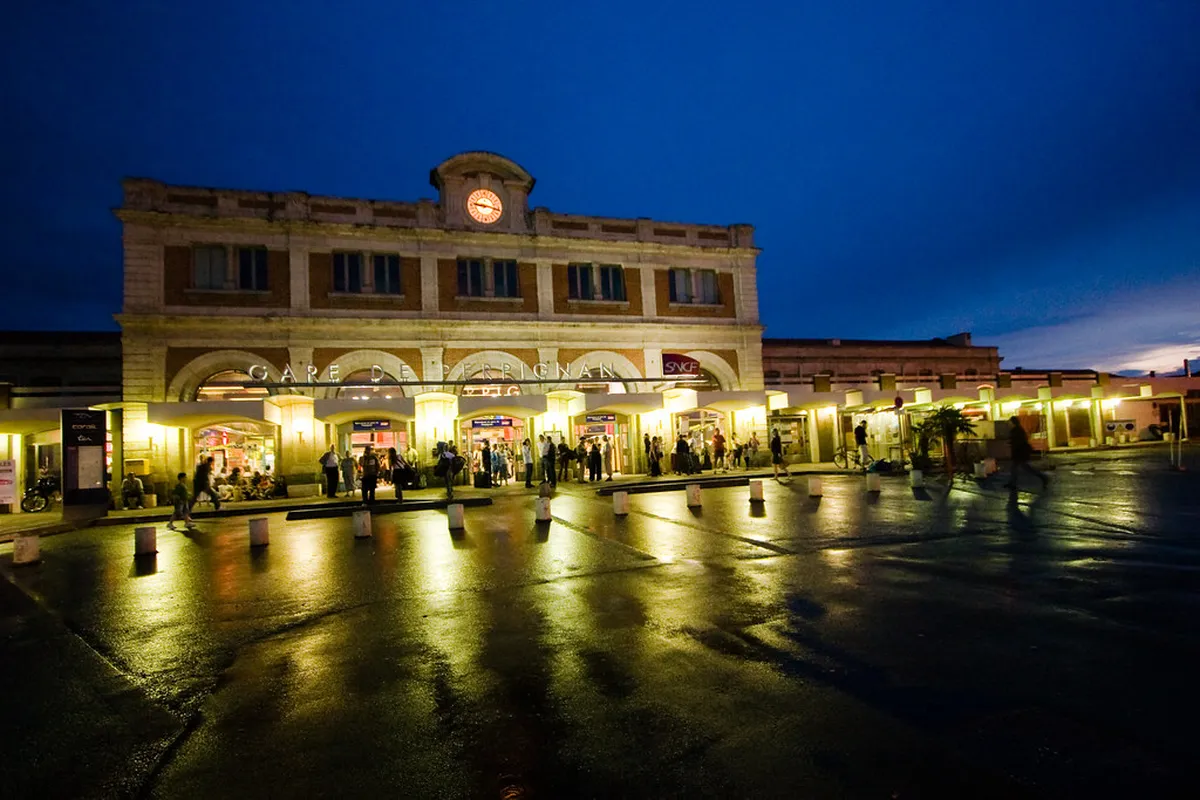
The exterior of the station showcases a blend of classical French styles and modern practicalities. Its yellow and red accents reflect the traditional colors of the famous regional Catalan flag. High ceilings in the main lobby provide a sense of space and light for arriving guests. The facade features ornate stone carvings that represent the region's rich agricultural and industrial history.
Inside the station, the architecture focuses on creating a welcoming environment for thousands of commuters. Modern lighting fixtures illuminate the wide hallways and help guide people to the correct tracks. Large glass windows allow natural sunlight to fill the central concourse during the afternoon hours. You should examine the station of Perpignan interior murals to see vibrant and colorful local art.
The layout of the tracks and platforms demonstrates efficient nineteenth-century railway engineering and careful planning. Iron supports and glass canopies protect passengers from the elements while maintaining an open feel. These structures have survived decades of use while undergoing necessary safety updates for modern trains. The contrast between the old ironwork and new digital screens creates a very unique atmosphere.
Decorative tiling and flooring within the station often feature patterns common in the Roussillon region. These small details add a layer of local charm to the otherwise functional transit hub. Architects carefully preserved these elements during the various restoration projects over the last century. Visitors often stop to photograph the intricate designs found near the original ticket counters.
The Modern Redesign and Expansion
Recent years have seen the Perpignan railway station architecture undergo a massive transformation and expansion. The project aimed to integrate the historic building with a new shopping and business district. Developers named this extended area Le Centre du Monde in honor of the Dalí legend. This name perfectly captures the station's central role in the city's modern and vibrant identity.
The expansion includes a large multi-level shopping center with various international brands and boutiques. New pedestrian walkways connect the station platforms directly to these modern retail spaces and restaurants. These additions provide travelers with many amenities while they wait for their scheduled train departures. Understanding the Centre du Monde Perpignan meaning helps visitors appreciate the development's large scope.
Sustainable design played a key role in the newest architectural updates at the station site. Solar panels and energy-efficient cooling systems help reduce the building's overall and lasting environmental impact. The use of recycled materials in the construction of the new wing demonstrates green building. These features ensure the station remains relevant and functional for future generations of travelers.
Accessibility also improved significantly during the most recent phase of the station's development project. New elevators and ramps allow all passengers to navigate the different levels with ease. Tactile flooring and clear signage assist those with visual impairments throughout the entire station complex. These modern upgrades make the historic site more inclusive for everyone visiting Perpignan today.
Catalan Identity and Cultural Context
Perpignan railway station architecture serves as a gateway to the heart of beautiful French Catalonia. The building reflects the dual identity of a city located between the mountains and the sea. Its design emphasizes the connection between France and Spain across the nearby southern border. You will notice Catalan cultural symbols integrated into many parts of the station's internal decoration.
Local residents take great pride in the station's unique history and its surrealist artistic associations. It often serves as a meeting point for community events and various cultural festivals. The station's presence has shaped the development of the surrounding neighborhoods for over 150 years. Taking a Perpignan architecture walking tour is the best way to see this regional influence.
The station acts as a vital link for the regional economy and the local tourism industry. It brings thousands of visitors to the city's historic center and nearby Mediterranean beaches every year. The architecture provides a grand first impression for people arriving in this sunny part of France. This building is a cornerstone of the city's efforts to promote local heritage and art.
Future plans for the station include more artistic installations and community-focused public park spaces. The city aims to keep the center of the world spirit alive through constant innovation. These efforts will ensure the building continues to inspire wonder in those who pass through. It remains a living monument to the intersection of transport, art, and regional Catalan pride.
Practical Visitor Information for 2025
Visiting the station is easy due to its central location within the city of Perpignan. Travelers can reach the landmark via local buses, taxis, or a short walk from the center. The station remains open daily from early morning until late at night to accommodate train schedules. Security personnel and information desks are available to help visitors find their way through the lobby.
Photographers will find the best natural light during the early morning or late afternoon hours. These times highlight the vibrant colors of the facade and the intricate details of the murals. Avoid the peak rush hours of 8:00 AM and 5:00 PM to get clear shots. The station serves as an excellent starting point for exploring the rest of the city's wonders.
Ticket prices for regional trains are generally affordable and can be purchased at automated kiosks. Booking in advance is recommended for high-speed TGV trips to Paris or the city of Barcelona. The station offers luggage lockers and free Wi-Fi for passengers waiting for their next connection. Many cafes within the shopping complex serve fresh coffee and delicious local Catalan pastries.
Guided tours occasionally include the station as a key stop to discuss its surrealist history. These tours provide deeper insights into Dalí's specific experiences within the waiting rooms and platforms. You can check local tourism offices for schedules of specialized architecture walks in the area. The station continues to be a vibrant part of daily life for both locals and tourists.
Frequently Asked Questions
Why is the station called the center of the world?
Salvador Dalí famously gave the station this title after a spiritual experience in 1963. He believed the building was the exact point where the entire universe was centered. This concept transformed the station into a famous landmark for art lovers around the world.
What architectural style is the Perpignan station?
The building features a unique mix of nineteenth-century industrial design and modern Catalan influences. Its facade utilizes traditional red and yellow colors to represent the local culture of the region. Recent updates have added contemporary glass and steel elements to the original stone structures.
Can I see art at the station today?
Yes, the station features several murals and signs that celebrate its surrealist history and Dalí's legacy. Travelers can enjoy these artistic displays while walking through the main lobby and shopping areas. The station acts as a public gallery for the city's rich cultural and artistic heritage.
Is the Perpignan station accessible for all travelers?
The station underwent significant renovations to ensure it meets modern accessibility standards for all visitors. You will find elevators, ramps, and tactile flooring throughout the renovated "Centre du Monde" complex. These features make it easy for everyone to navigate the platforms and retail spaces safely.
Perpignan railway station architecture remains a remarkable blend of transport history and surrealist art. It continues to serve as a vital hub for the region while inspiring travelers from every continent. Visit this iconic landmark in 2025 to experience the unique spirit of the Catalan people. You will truly feel like you are standing at the very center of the universe.
Key Takeaways
- Salvador Dalí famously declared the station the center of the world in 1963.
- The architecture blends 19th-century French industrial style with traditional Catalan colors.
- A massive 2025 expansion integrated the station with the modern Centre du Monde shopping district.
- The station serves as a major artistic landmark featuring murals and surrealist tributes.
Related reads: architecturebycity.com, majorcan gothic architecture in perpignan.