
Reims Opera and Theatre Design Guide
Explore the stunning Reims Opera and Theatre design. Learn about its Art Deco history and planning tips for 2025. Visit this cultural hub in France today!
On this page
The Reims Opera stands as a magnificent symbol of French cultural heritage and architectural resilience. This building showcases a unique blend of neoclassical elegance and detailed decorative arts from the early twentieth century. Exploring the Reims Opera and Theatre design offers a deep look into the city's post-war reconstruction history. It remains one of the most prestigious venues for performing arts in eastern France during 2025.
Visitors are often struck by the grand scale and artistic detail of the historic structure. It serves as a central hub for opera, dance, and theater performances throughout the year. The venue provides a bridge between traditional European styles and modern artistic movements. Understanding the design requires looking at the skilled craftsmanship used during its long restoration process.
Planning a visit to this site is essential for any architecture enthusiast traveling through the Champagne region. You will find that the building tells a story of survival and rebirth through its stones. It reflects the pride of a city that refused to lose its cultural identity after conflict. This guide will help you appreciate every intricate detail of this iconic French landmark.
The History of Reims Opera and Theatre Design
The original opera house in Reims opened its doors to the public in 1873. Architect Alphonse Gosset designed the building with a strong emphasis on classical French proportions. However, heavy shelling during World War I caused severe damage to the entire city center. The opera house suffered significantly and required an almost total reconstruction after the Great War ended.
The city chose to rebuild the structure during the 1920s with a focus on modern safety. Designers maintained the original facade while modernizing the interior spaces for better acoustics and comfort. This period of construction coincided with the rise of the reims art deco reconstruction movement. The result was a building that honored the past while embracing new artistic trends.
Reconstruction work was finally completed in 1931 under the guidance of Francois Maille. The new design incorporated reinforced concrete to provide a much more stable and fireproof structure. This choice was innovative for cultural buildings at that specific point in architectural history. It allowed for larger spans and better sightlines within the main performance hall for guests.
Today, the building stands as a testament to the city's endurance and artistic passion. It has survived multiple modernizations to remain a functional space for world-class performances in 2025. The history of the design is inseparable from the history of Reims itself. Every visitor can feel the weight of this heritage when walking through the grand foyer.
Art Deco Influence on the Exterior Facade
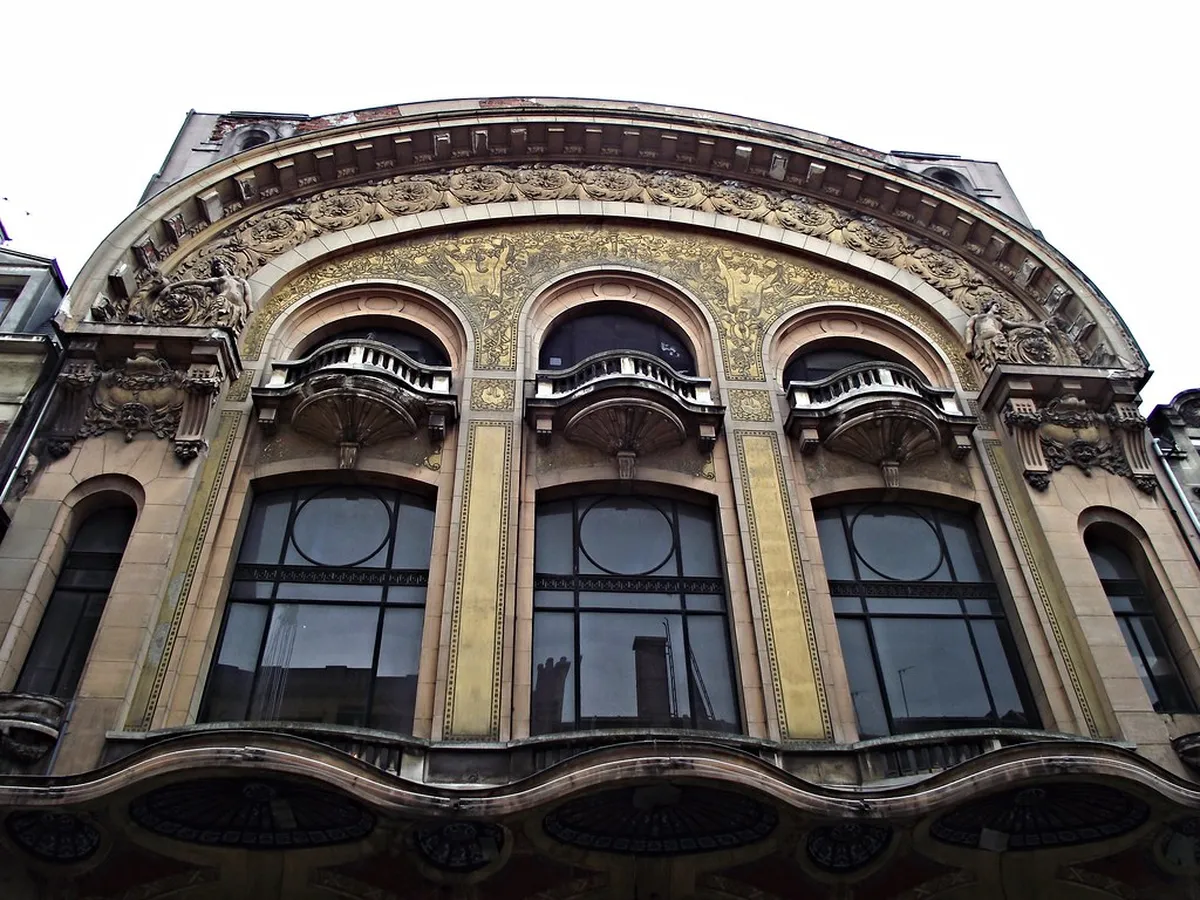
The exterior of the Reims Opera is a masterclass in subtle Art Deco ornamentation and stone. Sculptors used high-quality limestone to create detailed bas-reliefs that decorate the upper sections of the facade. These carvings depict scenes related to music, drama, and the classical muses of Greek mythology. They provide a visual representation of the activities that take place inside the historic theater walls.
The design features large arched windows that allow natural light to flood the interior lobby areas. Wrought iron balconies add a touch of industrial elegance to the heavy stone structure of the front. You will notice geometric patterns that are characteristic of the 1920s style across the metalwork. These details create a sense of rhythm and movement even when the building is viewed from afar.
Evening lighting transforms the facade into a glowing beacon in the heart of the city center. Modern lighting installations highlight the vertical lines and decorative carvings of the main entrance in 2025. This allows the building to maintain its commanding presence well after the sun has set. It is a favorite spot for local photographers who enjoy capturing architectural textures at night.
The placement of the building on the Place de l'Étape makes it a central landmark. It anchors the cultural district and connects the main shopping streets with the historic parks. The surrounding plaza offers plenty of space to stand back and admire the symmetrical design. Many people stop here to enjoy the view before heading to nearby restaurants or cafes.
Exploring the Grand Interior and Auditorium
The interior design of the Reims Opera is even more spectacular than the outer stone walls. Gold leaf and red velvet dominate the color palette to create a truly royal atmosphere for guests. The grand theatre de reims interior features a stunning Italian-style auditorium with tiered seating. This layout ensures that every person has a clear view of the stage and performers.
A massive crystal chandelier hangs from the center of the ceiling and illuminates the painted frescoes. These paintings depict allegorical figures soaring through a bright blue sky filled with soft white clouds. The ceiling art adds a sense of height and grandeur to the enclosed performance space. It is often the first thing people notice when they take their seats for a show.
Modern upgrades have integrated high-tech sound systems without damaging the historic aesthetic of the hall. The acoustics are considered some of the best in France for vocal and orchestral music performances. Engineers carefully balanced the wood paneling and plasterwork to optimize the way sound travels through the room. This makes every seat a premium experience for those who appreciate high-quality audio.
Backstage areas and rehearsal rooms also follow a functional yet elegant design philosophy for the staff. The artists enjoy spaces that are both inspiring and equipped with the latest theater technology. This balance of beauty and utility is a hallmark of the 1931 redesign project. It ensures that the building remains competitive with newer venues built across Europe in 2025.
Cultural Importance in the Heart of Reims
The Reims Opera serves as the primary stage for the regional operatic company and local orchestras. It hosts over one hundred events per year, ranging from classical ballets to modern experimental plays. This variety makes it a vital part of the reims cultural district walk for many visitors. The venue supports local talent while attracting international stars to perform in the historic city.
Education is a core part of the mission for this cultural hub in the current year. They offer workshops for students and behind-the-scenes tours for schools during the daytime. These programs help younger generations appreciate the complexity of Reims Opera and Theatre design. It ensures that the tradition of live performance continues to thrive in the modern digital age.
The economic impact of the theater on the surrounding neighborhood is also quite significant for locals. Nearby hotels and wine bars benefit from the crowds that gather before and after major performances. Many visitors pair a show with a tasting at a local champagne house for a full experience. This creates a vibrant evening economy that supports many small businesses in the downtown area.
Subscription packages for the 2025 season are popular among residents who attend events regularly. These members enjoy early access to tickets and special invitations to meet the creative teams. This sense of community is what makes the opera house feel like a living institution. It is far more than just a historic building or a museum of architecture.
Photography and Sightseeing Near the Opera
Photography enthusiasts will find endless inspiration around the exterior and interior of the grand theater. The best light for the facade occurs during the late afternoon as the sun begins to set. You can capture the warm glow on the limestone and the deep shadows in the carvings. It is one of the top reims architectural photography spots for both professionals and hobbyists.
- Focus on the intricate metalwork of the main entrance gates for close-up shots.
- Use a wide-angle lens to capture the full symmetry of the building from the plaza.
- Look for reflections of the opera house in nearby windows or puddles after it rains.
- Capture the contrast between the historic stone and the modern street life in 2025.
Nearby attractions include the Subé Fountain and the beautiful Erlon pedestrian area for shopping and dining. You can easily walk to the main cathedral in less than ten minutes from the theater entrance. This proximity makes it easy to include the opera house in any afternoon sightseeing itinerary. Many people enjoy a quick photo stop here before heading to other historical landmarks.
The architecture of the surrounding buildings also reflects the reconstruction period of the 1920s. You will see many Art Deco apartments and commercial spaces that complement the style of the opera. Walking through these streets feels like stepping back into the vibrant atmosphere of the Roaring Twenties. It is a unique visual experience that sets Reims apart from other French cities.
Practical Planning for Your 2025 Visit
Visiting the Reims Opera requires some advance planning if you want to see a live performance. Tickets can range in price from fifteen euros for gallery seats to over eighty euros. It is best to book your seats online several weeks before your intended visit to the city. You should check the official reims architecture walking tour schedules for guided building access.
The opera house is located at 13 Rue de Vesle, right in the heart of the city. You can reach the venue easily using the local tram system or by walking from the station. Most shows begin at eight in the evening and last for approximately two to three hours. There is no strict dress code, but many people choose to wear smart casual attire.
Guided tours of the interior are usually available on specific Saturday mornings throughout the year. These tours offer a rare chance to see the stage and the royal box up close. Prices for tours are generally around ten euros per person for a one-hour session. Be sure to verify the times on the official website before you arrive at the door.
Accessibility has been improved recently to accommodate visitors with mobility challenges in 2025. There are elevators and designated seating areas for those who need extra space or assistance. Staff members are very helpful and can guide you to the best entrance for your needs. This makes the cultural experience inclusive for every traveler visiting Reims today.
Frequently Asked Questions
Can I visit the Reims Opera without a performance ticket?
Yes, you can admire the exterior architecture at any time for free. Guided tours are also available on select dates for a small fee. These tours allow you to see the interior auditorium and the grand foyer areas.
What is the architectural style of the Reims Opera?
The building features a blend of neoclassical and Art Deco styles. The original 1873 structure was neoclassical, but the 1920s reconstruction added many Art Deco details. This combination creates a unique aesthetic that is specific to the history of Reims.
How much do tickets for a show usually cost in 2025?
Ticket prices generally vary based on the type of show and the seating location. You can find tickets for as low as 15 euros for student or gallery seats. Premium seats for major opera productions can cost 80 euros or more.
Is there a specific dress code for attending the theater?
There is no formal dress code required to enter the Reims Opera for a performance. Most guests wear smart casual clothing to enjoy the evening in comfort. However, many people enjoy dressing up for gala events or premiere nights.
How far is the opera house from the Reims Cathedral?
The opera house is located just a short walk from the cathedral. It takes about five to ten minutes to walk between these two major landmarks. This makes it very easy to see both sites in a single afternoon.
The Reims Opera and Theatre design remains a shining example of architectural beauty and cultural importance. From its Art Deco details to its lavish interior, it offers something for every traveler in 2025. Whether you attend a show or simply admire the facade, it is a must-see landmark. We recommend booking a guided tour to fully appreciate the rich history and craftsmanship found inside.
Key Takeaways
- The building is a prime example of the 1920s Art Deco reconstruction movement in France.
- Acoustics and interior design are optimized for world-class opera and theater performances.
- Located in the city center, it is easily accessible for walking tours and photography sessions.
- The 2025 season offers a diverse range of events for all types of art lovers.
Related reads: architecturebycity.com, architecture in reims.