
Plane Tree Landscaping in Provencal Squares: St-Tropez
Learn about plane tree landscaping in Provencal squares. Explore the urban design of Place des Lices in St-Tropez and discover 2025 landscape trends here.
On this page
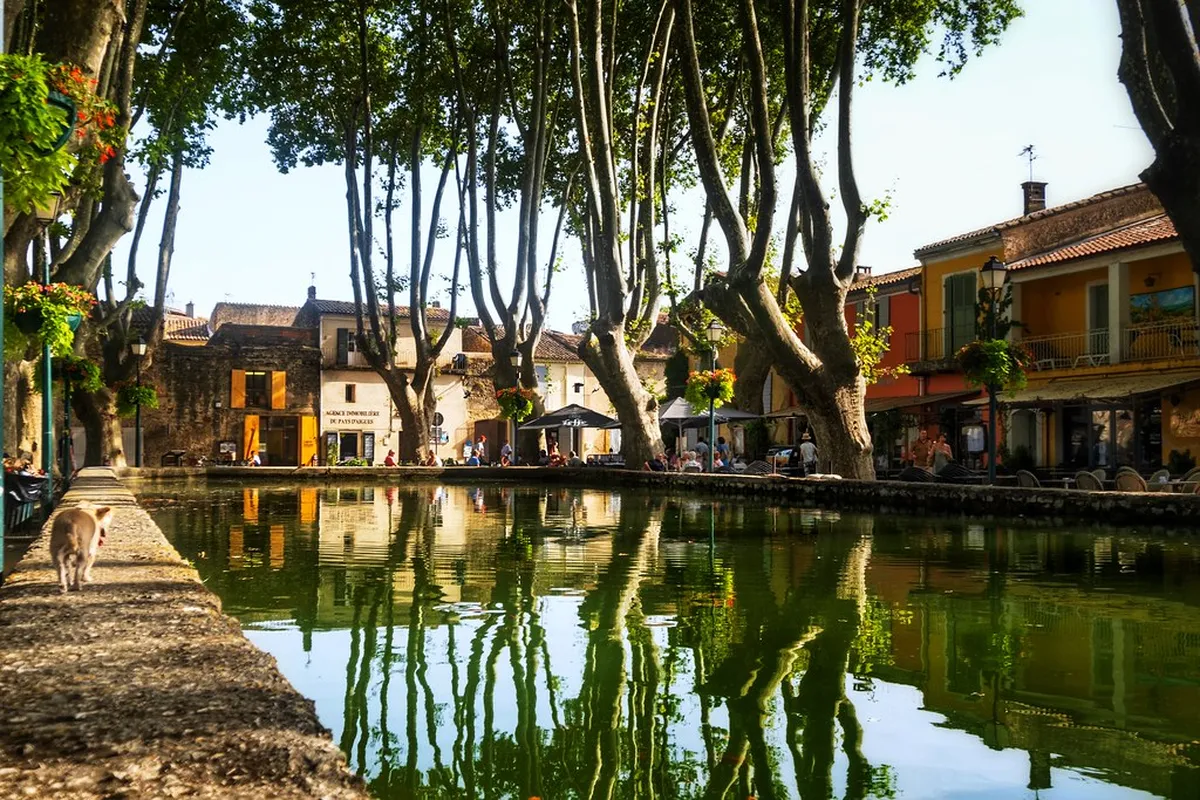
Plane tree landscaping in Provencal squares defines the visual identity of southern France today. These majestic giants provide essential shade for residents and tourists during the hot summer. In St-Tropez, the trees create a natural ceiling over the most famous public gathering spots. This article explores how urban design of Place des Lices incorporates these living structures. You will learn about their history and their role in local architecture.
The Mediterranean climate demands smart landscaping solutions for every public square in the region. Plane trees are the primary choice for urban planners due to their massive growth habits. They offer a unique aesthetic that complements the surrounding pastel buildings of St-Tropez. Visiting these squares in 2025 remains a top priority for those interested in landscape architecture. This guide provides deep insights into why these trees are vital for the city.
Origins of Plane Tree Landscaping in Provencal Squares
Plane trees were first introduced to the southern region of France several centuries ago. Napoleon famously ordered the planting of these trees to shade his marching armies during the summer. This historical decision shaped the landscape of nearly every major town in the entire Provence area. Today, these trees serve as historical monuments that connect the past with the modern urban layout.
The specific species used is often the London Plane, known for its resilience and size. It can withstand the heavy pollution and compacted soils found in busy city centers like St-Tropez. Landscape architects choose this tree because it grows quickly and provides a very dense canopy. The peeling bark adds a textured visual element that matches the local stone architecture perfectly.
In Provencal squares, the trees are usually planted in a very specific grid pattern. This layout maximizes the shade coverage for the largest possible area of the public square. It also creates a structured environment that feels organized and inviting for all visitors. You can see this traditional design philosophy throughout the historic center of St-Tropez today.
The Urban Design of Place des Lices Layout
The urban design of Place des Lices is a masterclass in functional landscape architecture. This square serves as the heartbeat of St-Tropez for both locals and international travelers. The plane trees are organized in multiple parallel rows that define the walking paths. This creates a sense of order within the bustling market atmosphere of the village center.
The spacing between the trees is calculated to allow for sunlight to reach the ground. This creates a beautiful dappled light effect that changes throughout the hours of the day. The ground is often covered in a mixture of sand and fine crushed gravel. These traditional petanque court materials are essential for the local sporting culture.
During the market days, the trees provide structural support for various temporary stalls and sunshades. The height of the lowest branches is carefully managed to allow for easy pedestrian movement. This ensures that the square remains accessible for everyone during the busy 2025 tourist season. The integration of nature and commerce makes this square a unique urban environment.
Pruning and Maintenance for Urban Longevity
Maintaining plane trees in a busy urban setting requires significant technical expertise and annual care. Professionals use a technique called pollarding to manage the size and shape of the tree canopy. This process involves cutting back the smaller branches to the main trunk every single winter. It results in the characteristic knobby appearance of the trees during the colder months of the year.
Pollarding prevents the trees from growing too large for the narrow streets of St-Tropez. It also encourages the growth of a very thick and bushy canopy during the summer. This maintenance cycle is vital for the health of the trees in a coastal environment. Without regular pruning, the trees could become hazardous during the strong Mistral winds of Provence.
City officials in St-Tropez invest heavily in the preservation of these iconic natural urban assets. Each tree is monitored for signs of disease or structural weakness by professional arborists. The cost of maintaining a single large plane tree can reach several hundred euros per year. This investment ensures that the green heritage of the village remains intact for future generations.
Microclimate Control and Ecological Benefits
Plane tree landscaping in Provencal squares provides a significant cooling effect for the surrounding area. On a hot July afternoon, the temperature under the canopy can be ten degrees cooler. This reduction in heat makes the public squares habitable during the peak of the French summer. The leaves act as a natural air conditioner by releasing moisture into the atmosphere.
The trees also serve as a vital filter for dust and noise in the city. Their large leaves trap particulate matter from the nearby traffic and the busy harbor area. This improves the overall air quality for the people sitting in the cafes below. The dense canopy also muffles the sound of the crowds and the local motorcycle traffic.
From an ecological perspective, these trees support local bird populations within the urban environment. They provide nesting sites and food sources for many species that live in St-Tropez. Integrating these biological elements into architecture in St-Tropez creates a more balanced ecosystem. Modern urban design in 2025 continues to prioritize these environmental benefits for residents.
Social Integration and the Petanque Culture
The plane trees of St-Tropez are inseparable from the local social culture and traditions. They provide the perfect backdrop for the daily games of petanque played by the locals. The shade allows players to compete for hours without suffering from the intense heat. This social interaction is the core reason why these squares remain so popular today.
Tourists often gather around the edges of the courts to watch the intense local matches. The trees create a natural stadium atmosphere that feels both intimate and grand at once. Benches are strategically placed under the trees to encourage people to sit and relax. This simple design choice fosters a strong sense of community within the village square.
The presence of the trees also dictates the layout of the local cafes and restaurants. Tables are placed directly under the branches to offer the most comfortable dining experience possible. This symbiotic relationship between nature and business is a key feature of Provencal urban life. It creates a relaxed atmosphere that is famous all around the world.
Architectural Aesthetic and Visual Harmony
The visual harmony between the plane trees and the buildings is a deliberate design choice. The mottled grey and cream bark of the trees matches the local stone facades. This creates a cohesive color palette that feels natural and historically accurate for the region. The height of the trees often matches the scale of the surrounding three-story buildings.
During the autumn, the leaves turn a brilliant golden yellow before falling to the ground. This seasonal change adds a dynamic visual element to the architectural landscape of St-Tropez. The bare branches in winter reveal the intricate structural details of the historic town houses. This cycle ensures that the square never looks the same throughout the entire year.
Architects in 2025 continue to use these trees as a way to soften modern structures. The organic shapes of the branches provide a contrast to the sharp lines of contemporary design. By using plane tree landscaping, designers can bridge the gap between old and new styles. This approach preserves the traditional soul of St-Tropez while allowing for modern growth.
Frequently Asked Questions
How old are the plane trees in Place des Lices?
Many of the plane trees in Place des Lices are over one hundred years old. Some specific specimens date back even further to the late nineteenth century. They are carefully preserved as part of the local heritage of St-Tropez. Their age contributes to the massive scale of the current canopy.
Why do the trees in St-Tropez look lumpy in winter?
The lumpy appearance is the result of a pruning technique known as pollarding. Arborists cut the branches back to the same points every year to control growth. This creates large knobs of scar tissue at the ends of the main limbs. It is a traditional method used across all of Provence.
Can you visit the square during the market days?
Yes, you can visit the square during the famous Tuesday and Saturday markets. The trees provide shade for the hundreds of stalls that fill the entire area. It is a great time to see how the landscaping functions for commerce. Be sure to arrive early to avoid the largest crowds.
Do the trees require a lot of water in the summer?
Mature plane trees have very deep root systems that can reach underground water sources. However, young trees require regular watering during the first few years after planting. The city uses specialized irrigation systems to ensure all trees stay healthy. This is especially important during the dry months of 2025.
Plane tree landscaping in Provencal squares is a vital element of the identity of St-Tropez. These trees provide shade, beauty, and a sense of history to the local urban design. The Place des Lices remains the best example of how nature and architecture can coexist. Plan your visit in 2025 to experience this unique landscape for yourself. Explore more about the local culture by visiting the village squares today.
Key Takeaways
- Plane trees provide essential urban shade and cooling.
- The urban design of Place des Lices uses a grid layout.
- Pollarding is the traditional maintenance technique used in St-Tropez.
- Tree bark textures complement the local architectural style.
- Landscaping supports the social culture of petanque and markets.
Related reads: architecturebycity.com, place des lices market architecture, la ponche historic district architecture.