
Alsatian Museum Architectural Heritage in Strasbourg
Discover the unique Alsatian Museum architectural heritage in Strasbourg. Learn about historic timber frames and traditional designs. Plan your 2025 visit now!
On this page
The Alsatian Museum architectural heritage showcases the traditional life and building styles of eastern France. This popular museum occupies three historic houses along the riverbanks in Strasbourg. Visitors explore a world of wooden beams and narrow corridors. It stands as a prime example of Strasbourg architecture museums and exhibitions for history lovers.
Founded in 1902, the museum preserves the cultural identity of the Alsace region. The buildings themselves are part of the vast collection. Each room tells a story about domestic life in the past centuries. You will find thousands of artifacts displayed within these historic walls.
The History of the Interconnected Houses
The museum sits within three distinct townhouses built between the 16th and 17th centuries. These structures were originally separate residential homes for local families. They were joined together to create a single cohesive museum space. This layout creates a charming maze of rooms and levels.
Each house retains its unique character and structural quirks. You can see how urban housing evolved over several hundred years. The transition between buildings is marked by small steps and narrow doorways. This adds to the authentic atmosphere of old Strasbourg.
Walking through the halls feels like stepping back in time. The creaky wooden floors echo with centuries of history and life. Architects often visit to study the clever use of limited urban space. These buildings represent the pinnacle of regional residential design.
Structural Elements of Timber Frames
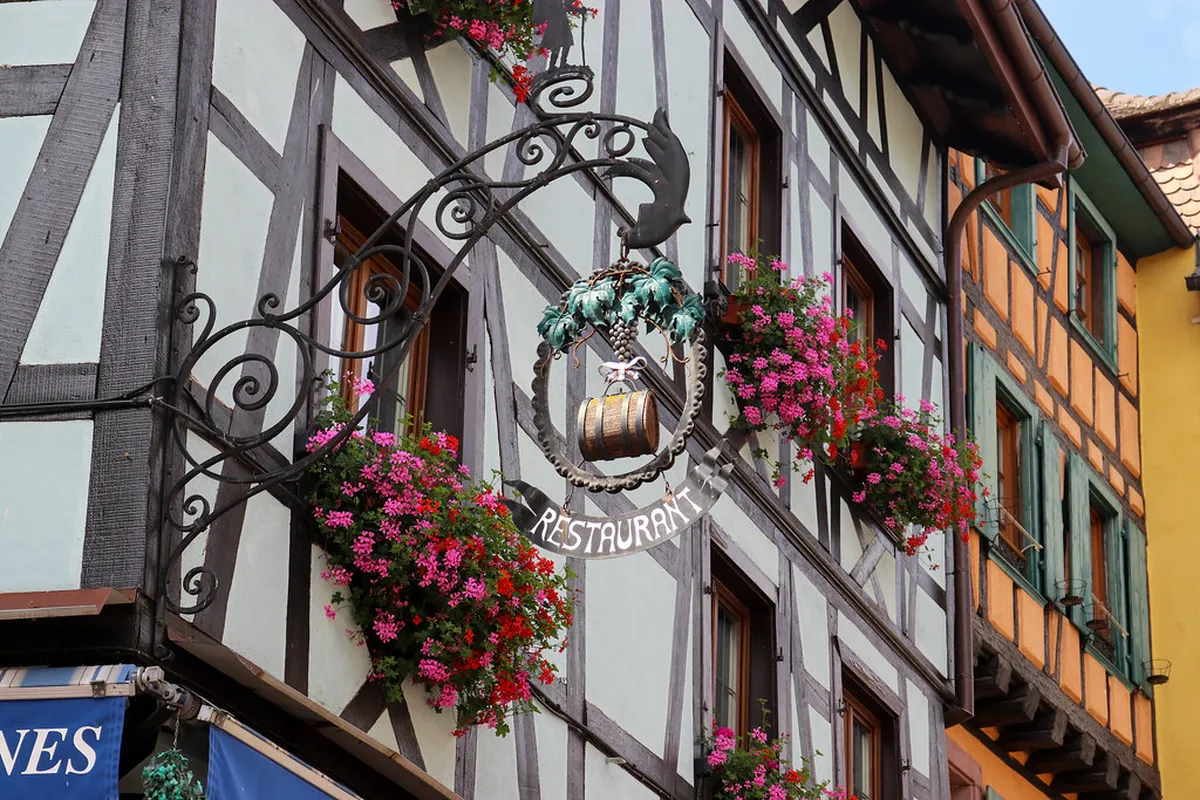
The Alsatian Museum architectural heritage is famous for its intricate timber-framed construction. Massive oak beams provide the primary support for these tall buildings. Builders used traditional joinery techniques without the need for metal nails. These frames have survived for hundreds of years through careful maintenance.
The spaces between the beams are filled with a mix of clay and straw. This material provided excellent insulation against the cold European winters. You can view similar half-timbered houses in Petite France just a short walk away. The patterns created by the wood are both functional and decorative.
Many of the beams feature carved symbols or protective marks. These details reflect the beliefs and status of the original owners. In 2025, experts continue to restore these sections using historic methods. The museum serves as a living laboratory for traditional construction techniques.
The Role of the Central Courtyard
A stunning central courtyard acts as the heart of the museum complex. This open space allows light to reach the inner rooms of the deep houses. It features beautiful wooden galleries that connect the different floors. These balconies were essential for daily chores and social interaction.
The courtyard design shows how historic families maximized their outdoor living areas. You will see winding staircases made from solid wood and stone. Potted plants and traditional tools often decorate these shared spaces today. It remains one of the most photographed spots in the museum.
Visitors can stand in the center and look up at the towering facades. The verticality of the architecture is truly impressive from this low angle. It highlights the density of the city during the late Renaissance era. This area provides a peaceful break from the indoor exhibition rooms.
Interior Design and Domestic Layouts
The interior spaces are designed to recreate rural and urban Alsatian life. Low ceilings and heavy doors are common features in these historic rooms. This design helped to trap heat from the central ceramic stoves. Each floor serves a specific purpose, such as cooking or sleeping.
The museum displays traditional furniture like painted wardrobes and sturdy tables. These items fit perfectly within the small proportions of the rooms. Most rooms feature windows that overlook the river or the quiet courtyard. The natural light highlights the rich textures of the wood and stone.
Special attention is given to the reconstruction of a traditional farmhouse kitchen. It features a large hearth and various copper cooking utensils. These domestic spaces are vital to understanding the local architecture in Strasbourg history. The museum successfully blends architecture with daily cultural heritage.
Preservation of Heritage in 2025
Maintaining the Alsatian Museum architectural heritage requires constant care and funding. In 2025, new preservation projects focus on the structural integrity of the timber. Specialists use modern sensors to monitor the movement of the old wood. This ensures the museum remains safe for future generations.
Educational programs now include workshops on historic building methods. Students can learn how to mix traditional lime mortar and clay. These efforts help keep ancient skills alive in a modern world. The museum acts as a bridge between the past and the future.
Digital guides now enhance the visitor experience within the historic rooms. You can use your phone to see 3D models of the original house layouts. This technology brings a new layer of understanding to the physical structure. It makes the complex history accessible to all age groups.
Frequently Asked Questions
Where is the Alsatian Museum located in Strasbourg?
The museum is located at 23-25 Quai Saint-Nicolas. It sits right along the Ill River in the historic city center. You can easily reach it on foot from the Strasbourg Cathedral.
How much does it cost to visit the museum in 2025?
Standard adult tickets usually cost around 7.50 Euros in 2025. Students and seniors may receive discounted entry prices. Admission is often free on the first Sunday of every month.
Is the museum accessible for people with mobility issues?
The historic nature of the buildings makes full accessibility quite difficult. There are many narrow stairs and uneven floors throughout the museum. Please contact the museum staff for specific assistance before your visit.
The Alsatian Museum architectural heritage offers an unforgettable look at the soul of Strasbourg. Its timber frames and winding stairs capture the essence of regional history. Plan your trip in 2025 to experience this beautiful site in person. It is a must-see for anyone interested in European building traditions.
Key Takeaways
- Explore three interconnected 16th-century houses on the riverbank.
- See authentic timber-framed construction and traditional Alsatian furniture.
- Visit the central courtyard to admire the beautiful wooden galleries.
- Learn about regional building techniques through immersive domestic displays.
Related reads: architecturebycity.com.