
Half-Timbered Houses in Petite France: Strasbourg Guide
Explore the historic half-timbered houses in Petite France, Strasbourg. Learn about Alsatian architecture, history, and the best 2025 photo spots in this guide.
On this page
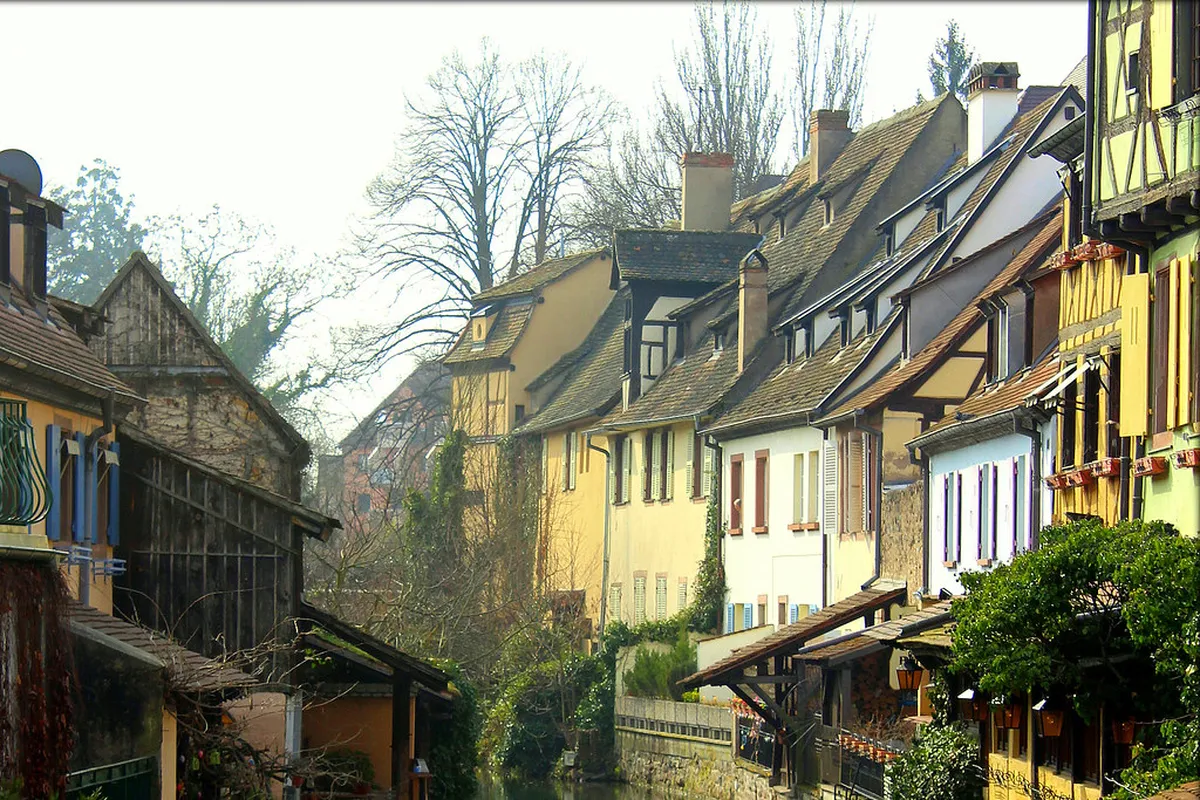
Strasbourg is a city famous for its stunning medieval beauty and its very rich historical heritage. The district called Petite France hosts the most famous half-timbered houses in Petite France today. Tanners and millers once lived in these tall buildings many centuries ago during the Middle Ages. You can see this unique architecture in Strasbourg while walking along the historic canals this year.
The neighborhood sits on the Big Island which is a protected UNESCO World Heritage site. Visitors love the narrow cobblestone streets and the bright floral decorations on every window sill. This area represents the heart of Alsatian culture through its distinct and colorful building styles. Exploring these streets feels like stepping back into a fairy tale from the sixteenth century.
Many people visit this district to see the reflection of ancient wood in the water. The river Ill flows gently past the sloping roofs and the dark wooden beams. You will find many cozy cafes and traditional restaurants tucked inside these historic structures. It is the perfect place to start your architectural journey through the city of Strasbourg.
History of Alsatian Timber Construction
The history of these structures began when Strasbourg was a major center for the tanning trade. Local craftsmen built these homes using timber because stone was very expensive in the medieval era. They used oak wood for the main frames to ensure the buildings remained strong and stable. These houses were designed to be functional for both living and working at the same time.
Tanners needed specific features in their homes to dry animal skins in the open air. You will notice that many buildings have very steep roofs with several levels of open galleries. These ventilated spaces allowed the wind to blow through and dry the leather effectively. This practical need created the iconic silhouette that we still admire in the city today.
The district was not always considered a beautiful tourist destination in the past centuries. It was actually a poor area where laborers worked in difficult and often smelly conditions. The name Petite France comes from a hospital that treated soldiers in the late fifteenth century. Over time the area transformed into the charming and picturesque neighborhood that visitors enjoy now.
Preservation efforts have saved these buildings from destruction during the many wars in Europe. Local authorities recognized the cultural value of the timber frames during the middle of the twentieth century. They worked hard to restore the original colors and the structural integrity of the wood. Today these homes stand as a testament to the resilience of Alsatian building traditions.
Walking through the district allows you to see the evolution of construction styles over three hundred years. Some houses show late Gothic influences while others reflect the transition into the Renaissance period. You can see how the designs became more decorative as the local merchants became more wealthy. This history makes every corner of the neighborhood a lesson in ancient European urban planning.
Architectural Features of Petite France Houses
The most striking feature of these homes is the visible wooden framework on the outside. This style is known as colombage and it defines the visual identity of the Alsace region. Craftsmen used complex joinery techniques to connect the heavy beams without using any metal nails. You can learn more about Alsatian timber frame construction techniques to understand this impressive skill.
Between the wooden beams the builders filled the gaps with a material called wattle and daub. This mixture consisted of clay and straw and animal hair to create a solid wall. This method provided excellent insulation against the cold winters and the warm summers in eastern France. Modern restorations often use lime plaster to protect these traditional materials from the rain.
The houses often feature a jetty where the upper floors hang over the street below. This design increased the living space without taking up more room on the narrow ground floor. It also helped to keep the lower wooden beams dry by shedding rainwater away from them. You can see this clever engineering in almost every street within the Petite France district.
Color plays a vital role in the beauty of the half-timbered houses in Petite France today. Traditionally the colors of the facades indicated the trade or the religion of the original owners. Blue was often used by master builders while red was a popular choice for metalworkers. Today the vibrant colors create a cheerful atmosphere that attracts photographers from all over the world.
Carved wooden decorations often adorn the corner posts and the window frames of the larger homes. These carvings show religious symbols or family crests or even scenes from daily life in the past. They represent the high level of artistry that local woodworkers achieved during the Renaissance era. Looking closely at these details reveals the hidden stories of the people who lived there.
Famous Half-Timbered Houses in Petite France
The most famous building in the entire district is undoubtedly the iconic Maison des Tanneurs. This massive structure was built in 1572 and served as the headquarters for the tanners. It features huge open lofts under the roof where leather skins were once hung to dry. You should read about the Maison des Tanneurs architecture history before you visit.
Another notable building is the Maison Haderer which stands near the bridge called Pont Saint-Martin. This house is famous for its beautiful floral displays and its perfect reflection in the water. It shows the classic proportions of a wealthy merchant home from the late seventeenth century. Many visitors stop here to take photos of the stunning architecture during the summer months.
The streets of Rue du Bain-aux-Plantes contain some of the oldest timber structures in the city. These houses are packed tightly together and lean at interesting angles over the narrow walkways. They provide a very authentic look at how the city appeared during the late medieval period. Walking here feels like you are traveling through a living museum of French architectural history.
Nearby you will find the Place Benjamin Zix which offers a wide view of several historic homes. This square is a great spot to sit and admire the different styles of timber framing. You can see the variety of patterns created by the diagonal beams and the vertical posts. Each house has its own unique character and a different story to tell the visitors.
Some of these houses now operate as boutique hotels or traditional winstubs for the local public. Staying inside one of these historic buildings is a unique way to experience the local culture. You can feel the history in the creaking wooden floors and the thick ancient walls. It offers a deeper connection to the heritage of Strasbourg than staying in a modern hotel.
Engineering Behind the Timber Structures
The engineering of these buildings is based on a flexible frame that moves with the earth. Timber frames can withstand minor shifts in the ground better than rigid stone or brick walls. This durability is why so many of these houses have survived for over four centuries already. The weight of the roof actually helps to keep the entire wooden structure held together.
Carpenters used a system of marking each beam with symbols to help with the assembly process. These marks allowed them to build the frame on the ground before raising it up. This prehistoric method of prefabrication made the construction of tall buildings much faster and more efficient. You can still find some of these carpenter marks on the older beams today.
The foundations of these houses often consist of river stones and heavy lime mortar for stability. Since the district is surrounded by water the ground can be soft and somewhat unstable. Builders had to ensure that the heavy oak frames would not sink into the muddy riverbank. This required a deep knowledge of the local soil and the behavior of the water.
Fire was a constant threat to these wooden structures throughout the history of the city of Strasbourg. To prevent the spread of flames the city eventually required thick stone walls between the buildings. You can see these firewall structures if you look closely at the gaps between the houses. This safety measure helped to preserve the district during the many fires in the past.
Modern engineers use specialized techniques to maintain these buildings for the visitors of the future. They use resin injections to strengthen old wood and replace damaged sections with new seasoned oak. These efforts ensure that the half-timbered houses in Petite France remain safe and beautiful for everyone. The balance between preservation and modern utility is a constant challenge for the local architects.
Best Ways to Experience Petite France in 2025
The best way to see the district is by walking through the streets early in the morning. At this time the crowds are small and the light on the wood is very soft. You can hear the water flowing and see the morning mist rising from the historic canals. This peaceful atmosphere allows you to truly appreciate the age and the beauty of the buildings.
Taking a boat tour on the river Ill offers a completely different perspective of the architecture. The boats pass through the locks and provide a view of the houses from the water level. You can see the drying galleries and the stone foundations that are hidden from the street. Check the best architecture photography spots in Strasbourg for the best river views.
Photographers should visit during the golden hour just before the sun sets over the city. The low sun highlights the texture of the old wood and the bright colors of the walls. The reflections in the water become very clear and create perfect symmetrical images for your travel gallery. It is the most magical time to capture the spirit of Petite France.
Visiting during the winter months of 2025 offers a very different and cozy experience for the travelers. The Christmas markets in Strasbourg are world famous and the district is decorated with many lights. The smell of mulled wine and gingerbread fills the air around the ancient timber houses. It feels like a scene from a holiday card come to life in the snow.
You should also try the local food in one of the historic restaurants in the district. Many of these eateries have been serving traditional Alsatian dishes for many decades or even centuries. Tasting choucroute or flammekueche inside a 500 year old house is a very memorable experience. It combines the history of the architecture with the flavors of the local land.
Frequently Asked Questions
Why are the houses in Petite France half-timbered?
Builders used timber because it was cheaper and more available than stone in the middle ages. The wood created a light but very strong frame that could support tall buildings. This style became a cultural tradition in the Alsace region over several centuries.
What is the most famous house in the district?
The Maison des Tanneurs is the most famous building in the entire Petite France neighborhood today. It was built in 1572 and shows the classic drying lofts used by medieval tanners. You can find it easily near the main canal in the center of the district.
How old are the houses in Petite France?
Most of the half-timbered houses in this area date from the 16th and 17th centuries. Some structures have foundations that are even older than the wooden frames themselves. They have been carefully restored many times to keep them standing for the public.
Is Petite France free to visit in 2025?
Yes you can walk through the streets of the district for free at any time. There is no entrance fee to admire the architecture from the public walkways and bridges. Some specific museums or historic sites may charge a small fee for a tour.
Petite France remains one of the most beautiful and historic districts in all of Europe today. The stunning half-timbered houses in Petite France offer a unique window into the medieval past. You can enjoy the rich history and the beautiful architecture while exploring the charming city of Strasbourg. Consider taking a self-guided architecture walking tour in Strasbourg to see these sights at your own pace. Start planning your 2025 trip to see these incredible timber structures for yourself very soon.
Key Takeaways
- Visit the Maison des Tanneurs to see the best example of 16th-century tanning architecture.
- Look for the steep roofs with open galleries used for drying leather in the wind.
- Arrive early in the morning to avoid the crowds and get the best photography light.
- Take a boat tour for a unique view of the house foundations from the river level.
Related reads: architecturebycity.com, strasbourg cathedral gothic architecture, neustadt district architecture guide.