
Explore Strasbourg Cathedral Gothic Architecture
Explore Strasbourg Cathedral gothic architecture in 2025. Learn about its spire, clock, and history. Read our deep dive for travel tips now!
On this page
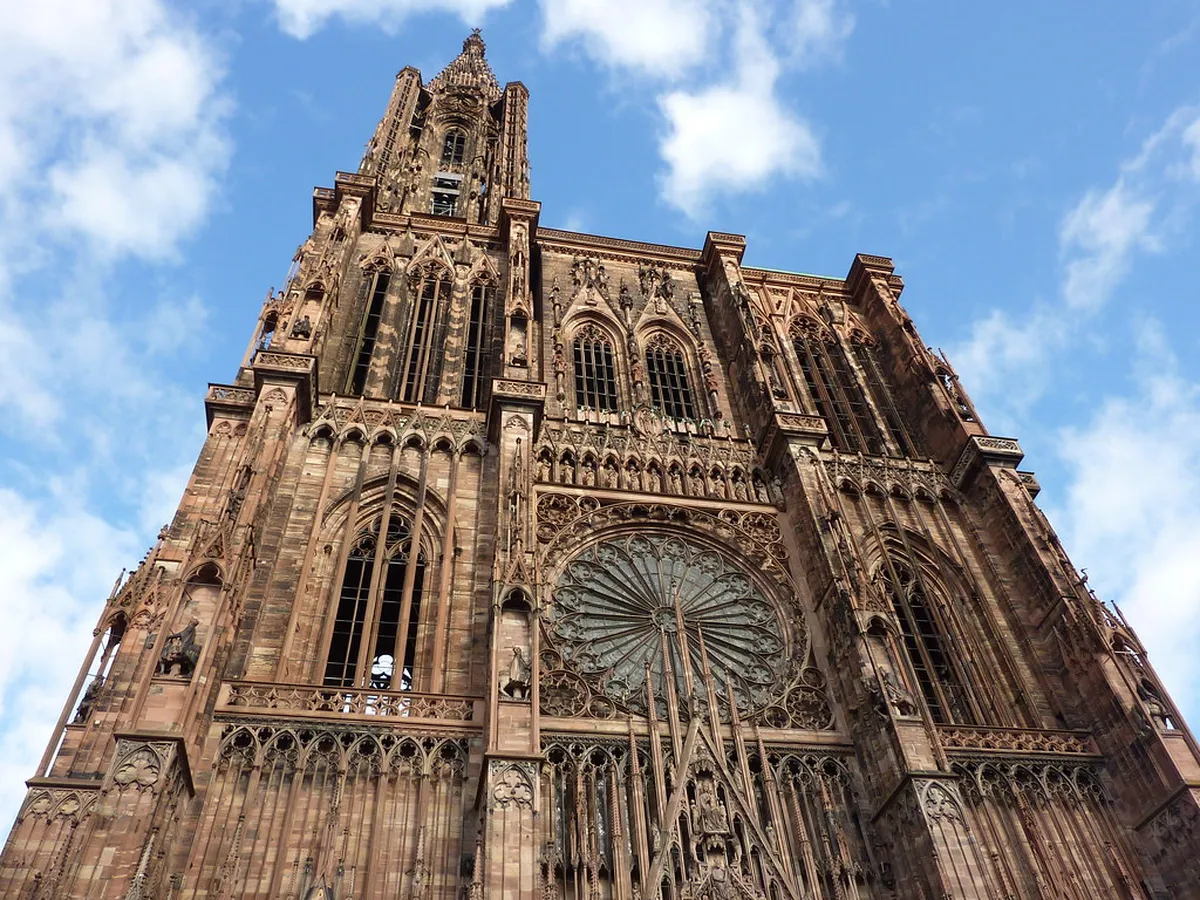
Strasbourg Cathedral gothic architecture represents a masterpiece of medieval engineering and beauty. This pink sandstone giant dominates the skyline of the city in France. Visitors in 2025 still marvel at its intricate details and soaring height. It remains one of the most stunning examples of Rayonnant and Flamboyant styles.
Evolution of Strasbourg Cathedral Gothic Architecture
The cathedral began as a Romanesque structure in the 11th century. Builders transitioned to the Gothic style as trends shifted across Europe. This change created a unique blend of architectural languages. You can see the evolution in the choir and transepts.
The facade showcases the height of Rayonnant Gothic design. Erwin von Steinbach designed the lower portions of the western front. His work focused on verticality and delicate stone tracery. It feels like lace carved from solid stone.
The use of Vosges pink sandstone gives the building a warm glow. This stone changes color depending on the time of day. Morning light highlights the soft reds of the facade. It is a signature feature of architecture in Strasbourg today.
Construction lasted for over four centuries until 1439. This long period allowed various Gothic sub-styles to emerge. The building survived wars and revolutions over the centuries. It stands today as a symbol of Alsatian resilience and skill.
The Engineering Marvel of the Gothic Spire
The north tower features a single, breathtaking spire. It reaches a total height of 142 meters (466 feet). This spire was the world's tallest building for over two centuries. The intricate openwork design allows wind to pass through the structure safely.
Johannes Hültz completed the octagonal spire in the 15th century. It represents the peak of Late Gothic craftsmanship in France. The engineering required for such height was revolutionary. You can learn more about the gothic spire engineering of Notre Dame de Strasbourg online.
A second tower was planned but never actually completed. This gives the cathedral its distinct, asymmetrical silhouette. Some say the lack of a second tower adds to its charm. It makes the single spire look even more impressive.
Visitors can climb the 332 steps to the viewing platform. This climb costs approximately 8 euros for adults in 2025. The platform offers panoramic views of the entire city. You can even see the Black Forest on clear days.
The Astronomical Clock and Interior Highlights
The interior of the cathedral is equally impressive as the exterior. High vaulted ceilings create a sense of immense space. The nave stretches long and narrow, drawing eyes toward the altar. It feels both intimate and overwhelming at the same time.
The famous astronomical clock is a Renaissance masterpiece within Gothic walls. It dates back to the 16th century and still functions today. The clock features automated figures that move at specific times. A parade of apostles occurs daily at 12:30 PM.
The Pillar of Angels depicts the Last Judgment in stone. This sculptural group is a highlight of the southern transept. It showcases the transition toward more realistic Gothic sculptures. The detail on the faces is remarkably lifelike for its age.
The pulpit is a fine example of Late Gothic wood carving. Hans Hammer created this intricate piece in the late 15th century. It features over fifty small statuettes and delicate canopies. Every corner of the cathedral holds a new artistic secret.
Medieval Stained Glass and Divine Light
Light plays a vital role in Strasbourg Cathedral gothic architecture. The massive windows allow colorful light to flood the interior. These windows date back mostly to the 12th and 14th centuries. They represent a premier collection of medieval glass.
The rose window on the west facade is 14 meters wide. It does not feature traditional religious scenes in the petals. Instead, it depicts wheat ears to symbolize the city's prosperity. This design choice was unique for a Gothic cathedral.
The medieval stained glass windows tell stories from the Bible. They served as a visual Bible for the medieval population. The deep blues and reds are vibrant in the afternoon. Look for the portraits of the Holy Roman Emperors.
Maintaining these fragile glass panels is a constant task for experts. Restoration work ensures the colors stay bright for future generations. The glass survives as a window into the medieval mindset. It connects modern visitors with the spiritual world of the past.
Planning Your Visit to Strasbourg in 2025
The cathedral is located in the heart of the Grande Île. This area is a UNESCO World Heritage site. Most visitors arrive by foot or the efficient tram system. The closest tram stop is Broglie or Homme de Fer.
Admission to the main cathedral floor is free for all. However, some areas require a small fee to visit. This includes the astronomical clock show and tower climb. Check the official website for opening hours before your trip.
We recommend a self-guided architecture walking tour of the area. This allows you to explore surrounding half-timbered houses too. The cathedral looks different from every angle in the square. Allow at least two hours for a full visit.
The square outside is often filled with lively markets. In December, it hosts one of Europe's oldest Christmas markets. The cathedral provides a dramatic backdrop for the festive stalls. It is a magical experience during the winter season.
Architectural Influence on the Rhine Region
The cathedral influenced many other buildings in the Rhine Valley. You can see its impact on churches in Germany. The "Strasbourg style" became a benchmark for high-quality Gothic work. It spread ideas about light and stone across the region.
The Bishop's Palace sits right next to the cathedral. It is known as the Palais Rohan and shows classical styles. The contrast between Gothic and Classical architecture is very striking. Both buildings tell the story of the city's power.
Nearby streets feature charming half-timbered houses from the medieval era. These homes create a perfect setting for the cathedral. They offer a glimpse into daily life during construction. The entire neighborhood feels like a living museum.
Preserving this architectural heritage is a major priority for France. Strict building codes protect the views of the cathedral spire. No modern skyscrapers are allowed to block the historic silhouette. This ensures the cathedral remains the heart of the city.
Frequently Asked Questions
How much does it cost to visit Strasbourg Cathedral?
Entrance to the main cathedral nave is free for all visitors. The climb to the tower platform costs about 8 euros. Seeing the astronomical clock show costs 3 euros. Prices may vary slightly during the 2025 season.
When is the best time to see the astronomical clock?
The automated figures perform a full parade daily at 12:30 PM. You should arrive at least 15 minutes early to secure a spot. The clock is located in the south transept of the interior. It is a very popular attraction for tourists.
Is the Strasbourg Cathedral tower climb worth the effort?
The climb involves 332 steps up a narrow spiral staircase. It is physically demanding but offers the best views of Strasbourg. You can see the Vosges Mountains and the Black Forest. It provides a unique perspective of the spire engineering.
What makes the Strasbourg Cathedral architecture unique?
The cathedral is famous for its single spire and pink sandstone. It blends French Gothic height with German attention to detail. The asymmetrical design makes it instantly recognizable worldwide. Its medieval stained glass is also exceptionally well-preserved.
Strasbourg Cathedral gothic architecture remains a towering achievement of human creativity. Its blend of European styles creates a unique landmark in France. Whether you admire the spire or the clock, the experience is unforgettable. Plan your journey to this masterpiece in 2025 for a timeless adventure.
Key Takeaways
- Admire the 142-meter spire, once the tallest building in the world.
- Watch the astronomical clock performance daily at half-past twelve.
- View the unique rose window depicting wheat instead of saints.