
Alsatian Timber-Frame Construction Techniques in 2025
Learn about Alsatian timber-frame construction techniques in Strasbourg. Discover secrets of Petite France architecture in 2025. Explore French history today!
On this page
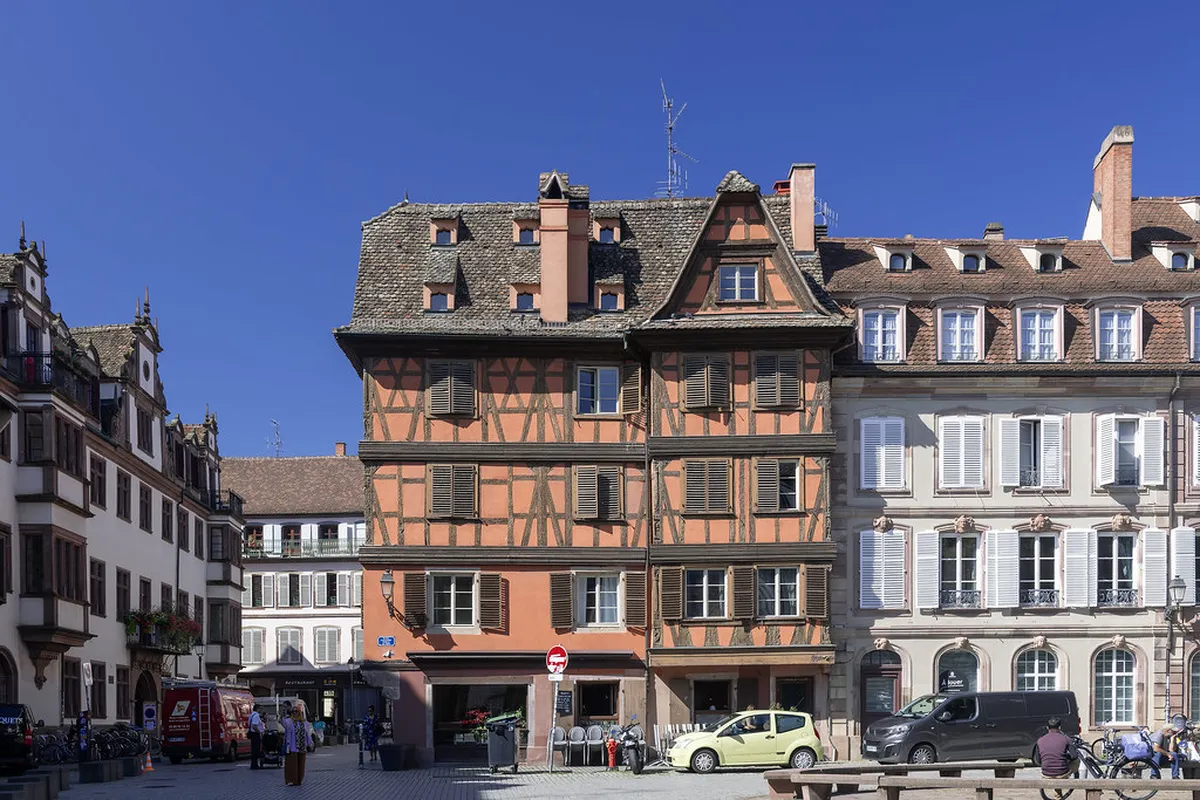
Strasbourg remains a city of timeless beauty and deep architectural history in 2025. It showcases incredible Alsatian timber-frame construction techniques across its many historic districts. Visitors in the new year can still see these ancient methods throughout the city center. These wooden structures define the unique visual charm of the famous Grand Est region.
Walking through the streets feels like stepping back into a medieval European fairy tale. The intricate patterns of the wood reveal stories of the craftsmen from centuries ago. Understanding these methods helps travelers appreciate the resilience of these beautiful French homes. We will explore how these structures have survived for hundreds of years in Strasbourg.
The Skeleton of Alsatian Timber-Frame Construction Techniques
The foundation of these buildings relies on a very sturdy and durable wooden skeleton. Carpenters use heavy oak beams to create the main frame for these tall houses. This strong structure supports the entire weight of the house without any metal parts. It allows for flexible and durable urban designs in the heart of old Strasbourg.
Mortise and tenon joints hold the heavy beams together very tightly and securely. These joints are secured with wooden pegs rather than modern industrial metal nails. This traditional method allows the wood to move naturally during the changing seasons. It prevents the frame from cracking when temperatures shift between summer and winter.
Builders often placed the wooden frame on a solid base of local sandstone. This stone layer protects the wood from ground moisture and potential rot over time. Raising the timber off the ground ensures the house remains dry and stable for centuries. You can see this clever engineering in almost every historic building in the city.
Half-Timbered Houses in Petite France
The most famous examples of this style are the half-timbered houses in Petite France. This district served as the primary tanner's quarter during the Middle Ages. The architecture reflects the specific industrial needs of these skilled local craftsmen. You will notice very wide attics designed specifically for drying animal skins.
Many of these stunning buildings date back to the 16th and 17th centuries. The timber frames are often painted in bright and very vibrant primary colors. These colors historically indicated the profession or the social status of the building owner. Today, they create a very picturesque scene for photographers visiting the local area.
You will also notice the upper floors often hang over the street below. This technique is called encorbellement and it helped save space in crowded cities. It also protected the lower wooden beams from rain and snow during the winter. This design makes the narrow streets of Strasbourg feel cozy and very intimate.
Natural Material Use in Alsatian Frames
Builders primarily used local materials harvested from the nearby Vosges mountain range. Oak was always the preferred wood for the main load-bearing horizontal beams. Fir and pine were often used for the vertical or smaller decorative elements. This combination ensured both structural strength and relative lightness for the entire building.
The gaps between the timbers are filled with a natural mix called torchis. This material consists of local clay, straw, and sometimes even animal hair. It provides excellent thermal insulation against the cold and damp French winters. The white plaster finish contrasts beautifully with the dark and aged wooden beams.
The torchis mix is applied to a lattice of small wooden sticks. This creating a solid wall that can still breathe with the wood. Modern builders still use these sustainable materials when restoring old houses today. It is a perfect example of ancient green building techniques used in 2025.
Iconic Symbolism in the Decorative Woodwork
Look closely at the diagonal beams on any traditional Alsatian house facade. You might see a shape resembling a person which is called the Mann. This symbol represents the strength and the protection of the local household. It is a hallmark of the Alsatian timber-frame construction techniques found here.
Other common symbols include the Curule chair and the famous St. Andrew's cross. These designs were not just decorative but also served a structural purpose. They provided additional lateral bracing to the rectangular frames of the tall houses. Each village in the region often had its own unique stylistic variations.
Some beams feature carvings of faces or religious symbols to ward off evil. These details show the deep connection between the architecture and the local culture. Exploring these symbols is a great way to spend an afternoon in Strasbourg. You will find hidden details on almost every street corner in the city.
Exploring Preservation and Architecture in Strasbourg
Strasbourg offers a diverse range of building styles across its long history. You can learn more about architecture in Strasbourg by walking the ancient cobblestone streets. The city center seamlessly blends medieval wood with modern glass and steel structures. It remains a living museum of European engineering and artistic design.
One specific highlight is the Maison des Tanneurs architecture history located in the center. This building perfectly demonstrates the classic Alsatian style and construction methods. It features the characteristic sloping roof and very intricate timber frame patterns. It remains a must-see landmark for any visitor traveling to France.
France has very strict laws to protect these historic timber structures today. Restoration work must follow the original Alsatian timber-frame construction techniques closely. Specialized craftsmen use traditional tools to maintain the authenticity of the old buildings. This dedication ensures that Strasbourg will keep its unique character for future generations.
Frequently Asked Questions
What is the primary wood used in Alsatian construction?
Builders typically use oak for the main structural beams and frame. This wood is very strong and lasts for hundreds of years. Fir or pine is often used for less critical parts.
Why are the houses in Petite France so colorful?
The colors historically identified the types of businesses inside the buildings. Blue often represented millers while red was used for many local smiths. Today, the colors help preserve the traditional look of the district.
How do timber-frame houses stay warm in the winter?
The walls are filled with torchis which provides excellent natural insulation. This mixture of clay and straw keeps the heat inside the house. It is a very effective method for the European climate.
Exploring the streets of Strasbourg is a wonderful journey through architectural history. The Alsatian timber-frame construction techniques remain a significant source of local pride. Plan your visit to France in 2025 to see these marvels yourself. Discover the magic of these historic and sustainable structures today.
Key Takeaways
- Oak beams and wooden pegs create the core structural skeleton.
- Symbols like the Mann provide both decoration and structural bracing.
- Natural torchis filling offers sustainable and effective thermal insulation.
- Petite France is the best district to see historic tanner houses.
Related reads: architecturebycity.com.