
Maison des Tanneurs Architecture History Guide
Explore the Maison des Tanneurs architecture history in Strasbourg. Learn about half-timbered design and plan your 2025 visit to this landmark today!
On this page
Strasbourg is a city where history truly comes alive in every single street. The half-timbered houses in Petite France create a unique and magical atmosphere. One specific building captures the hearts of all who visit this historic area. This guide explores the fascinating Maison des Tanneurs architecture history in great detail.
The Historical Roots of the Maison des Tanneurs
The Maison des Tanneurs stands as a vital symbol of medieval industrial success. This impressive structure was built in 1572 for the local tanners' guild members. It sits directly on the banks of the scenic and flowing River Ill. The location allowed easy access to water for the complex tanning process.
Tanners required very specific environmental conditions for their daily leather production work. They carefully cleaned and dried animal hides within these historic and sturdy wooden walls. The building's close proximity to the canal was absolutely essential for their trade. It remains a vital piece of the city's rich and diverse industrial heritage.
This house represents the golden age of commerce throughout the entire Alsatian region. During the sixteenth century, the tanning industry flourished within the city of Strasbourg. Many wealthy families built large and decorative houses in the Petite France district. This specific structure survived centuries of urban change and multiple European conflicts.
Today, visitors can still feel the significant weight of history in this place. The house has witnessed the slow evolution of the entire neighborhood over centuries. It transitioned from a busy and loud workshop into a world-famous tourist landmark. Understanding its origins helps you appreciate its lasting and unique architectural beauty.
Masterful Timber-Framed Construction Techniques
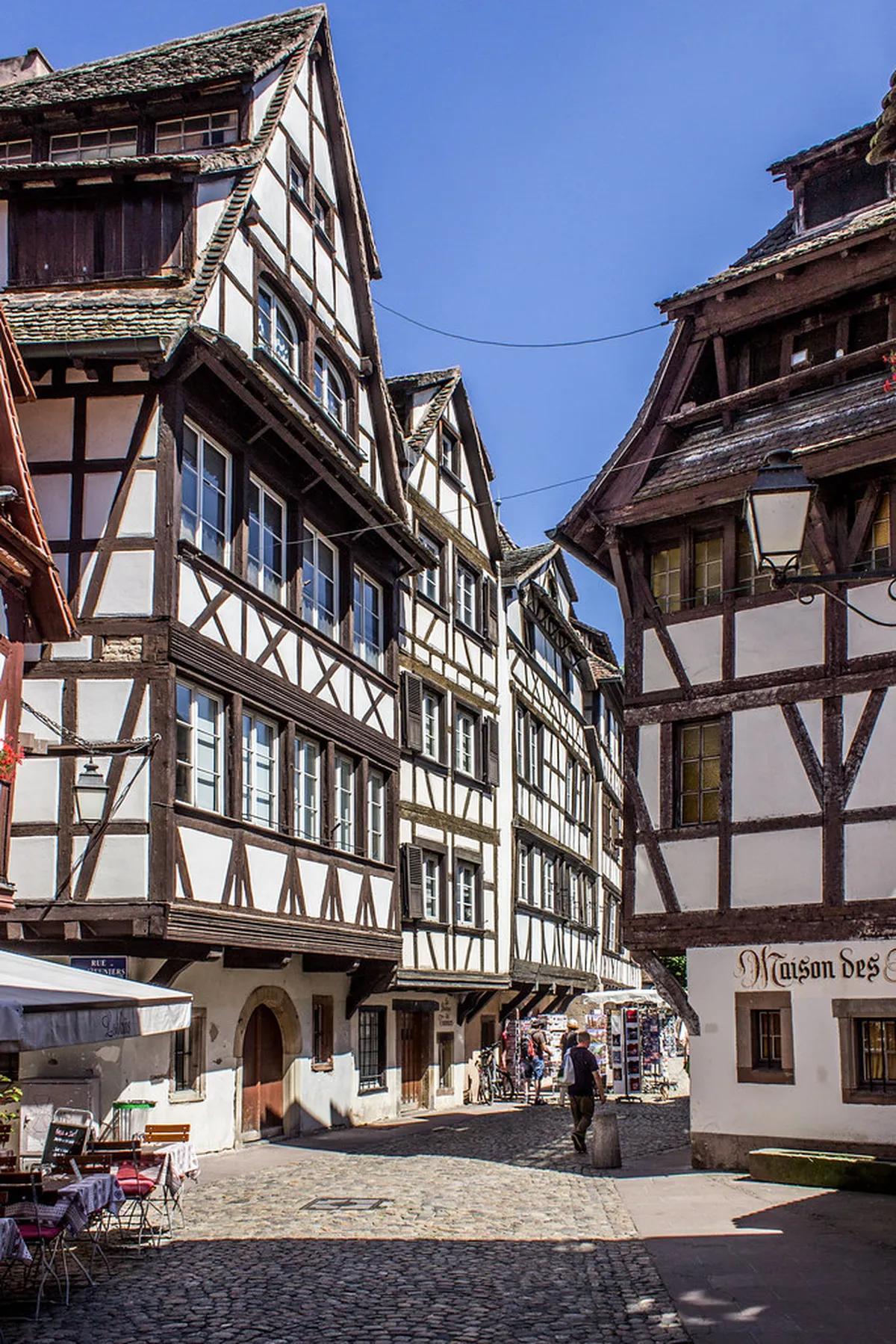
The Alsatian timber frame construction techniques are clearly visible in this landmark. Skilled medieval workers used solid oak beams to create the main structural skeleton. They filled the gaps between these beams with durable wattle and daub. This method provided the necessary flexibility and strength for many long centuries.
The Maison des Tanneurs features a very complex and tall vertical structure. It rises four stories high above the calm and reflective canal waters. Each level served a specific purpose in the building's original industrial design. The sturdy timber frames support the heavy weight of the large roof.
Note the intricate and beautiful patterns of the dark wooden beams today. Some beams form decorative shapes that signify the high wealth and status. The dark wood contrasts beautifully against the light-colored and smooth plaster walls. These artistic details reflect the creative side of traditional medieval craftsmanship.
Local builders adapted this design to the humid and damp river environment. The wood was specially treated to resist rot from the nearby canal water. Large windows allow natural light to enter the interior spaces of the house. This perfect blend of form and function remains a truly remarkable sight.
Maison des Tanneurs Architecture History Details
The Maison des Tanneurs architecture history reveals many unique and functional structural adaptations. The most striking feature is definitely the steeply pitched and massive tiled roof. This roof contains multiple levels of open-air galleries for the drying process. Tanners used these galleries to dry animal hides naturally in the wind.
Good air circulation was critical for the leather drying process in the 1500s. The open galleries allowed the fresh wind to blow through the entire house. This design prevented the leather from rotting during the very humid summer seasons. It is a clever example of early industrial engineering and architectural planning.
The building underwent several significant renovations during the late 1940s and 1950s. After World War II, many local structures required very careful and detailed restoration. Architects focused on preserving all of the original 1572 timber frame elements. They successfully maintained the house's authentic medieval character for all future visitors.
Inside the building, the heavy wooden beams remain fully exposed and visible. This design choice highlights the historical integrity of the entire four-story structure. The renovation transformed the old house into a very popular traditional Alsatian restaurant. It now offers a cozy atmosphere within a beautiful and historic shell.
The Role of Petite France in Urban Development
The Maison des Tanneurs sits in the heart of the Petite France district. This area was once considered the poorest district in all of old Strasbourg. It was the primary center for local millers, tanners, and humble fishermen. Today, it is a protected and famous UNESCO World Heritage landmark site.
The district's narrow and winding streets offer a glimpse into the past. You can see many other architecture in Strasbourg styles during a short walk. Each building tells a unique story of the families who lived there. The area preserves the medieval layout of the city almost perfectly.
Walking through these old streets feels like entering a large living museum. The canals reflect the colorful and bright facades of the ancient buildings. Modern preservation efforts ensure the neighborhood retains its very unique and old soul. Local laws protect the historical appearance of every single building facade.
Tourism has completely transformed the local economy over the last few decades. While the original tanners are gone, their architectural legacy remains very strong. Visitors flock to this area to photograph the iconic Maison des Tanneurs. It serves as the primary anchor for many local heritage tours.
Planning Your 2025 Visit to the Landmark
Visiting the Maison des Tanneurs in 2025 is a very easy process. The building is conveniently located at 42 Rue du Bain-aux-Plantes in Strasbourg. You can reach it by walking through the charming and narrow pedestrian streets. The entire area is closed to most car traffic for visitor safety.
The best time for taking professional photos is very early in the morning. The morning light hits the timber frames beautifully from the eastern sky. You can capture a perfect reflection of the house in the water. This spot is one of the most photographed places in France.
You might choose to enjoy a traditional meal at the restaurant inside. It serves classic Alsatian dishes like delicious choucroute and hearty local baeckeoffe. Prices for the main courses typically range from 25 to 45 euros. Reservations are highly recommended during the peak summer and Christmas months.
Combine your visit with a short walk to the nearby Vauban Dam. This scenic route offers the best panoramic views of the entire historic district. You will see how the house fits into the wider city landscape. The walk takes about ten minutes from the tanners' house.
Frequently Asked Questions
What is the significance of the roof galleries?
Tanners used the open roof galleries to dry animal hides properly. The design allowed wind to circulate freely through the upper floor spaces. This was a critical part of the leather production process.
When was the Maison des Tanneurs originally built?
The house was originally built in 1572 for the local tanners' guild. It remains one of the oldest and best-preserved structures in Strasbourg. The timber frames are mostly original wood.
Can you go inside the Maison des Tanneurs today?
Yes, the building now operates as a very traditional Alsatian restaurant. You can enjoy a meal while seeing the beautiful and historic interior. It is open for lunch and dinner service.
Why is it called the Maison des Tanneurs specifically?
The name translates to "House of the Tanners" in the English language. It served as the primary residence and workshop for leather workers. The name honors the building's long industrial history.
The Maison des Tanneurs remains a jewel of Alsatian history and design. Its unique drying galleries and timber frames tell a truly fascinating story. Plan your trip to Strasbourg in 2025 to see it yourself. Discover the magic of medieval architecture in this beautiful and welcoming French city.
Key Takeaways
- Originally built in 1572 for the local tanners' guild.
- Features unique open-air galleries designed for drying leather hides.
- Currently functions as a famous restaurant serving traditional Alsatian cuisine.
- Located in the heart of the UNESCO-protected Petite France district.
Related reads: architecturebycity.com, ponts couverts and vauban dam engineering.