
European Quarter Architecture Strasbourg: A 2025 Guide
Explore the European Quarter architecture Strasbourg in 2025. See the Parliament and Court of Human Rights. Plan your architectural tour today!
On this page
Strasbourg serves as a vital center for European politics and stunning modern design. The European Quarter architecture Strasbourg blends sleek glass with deep historical significance. This district houses major institutions like the Parliament and the Council of Europe. It offers a unique look at how modern urban planning functions in 2025.
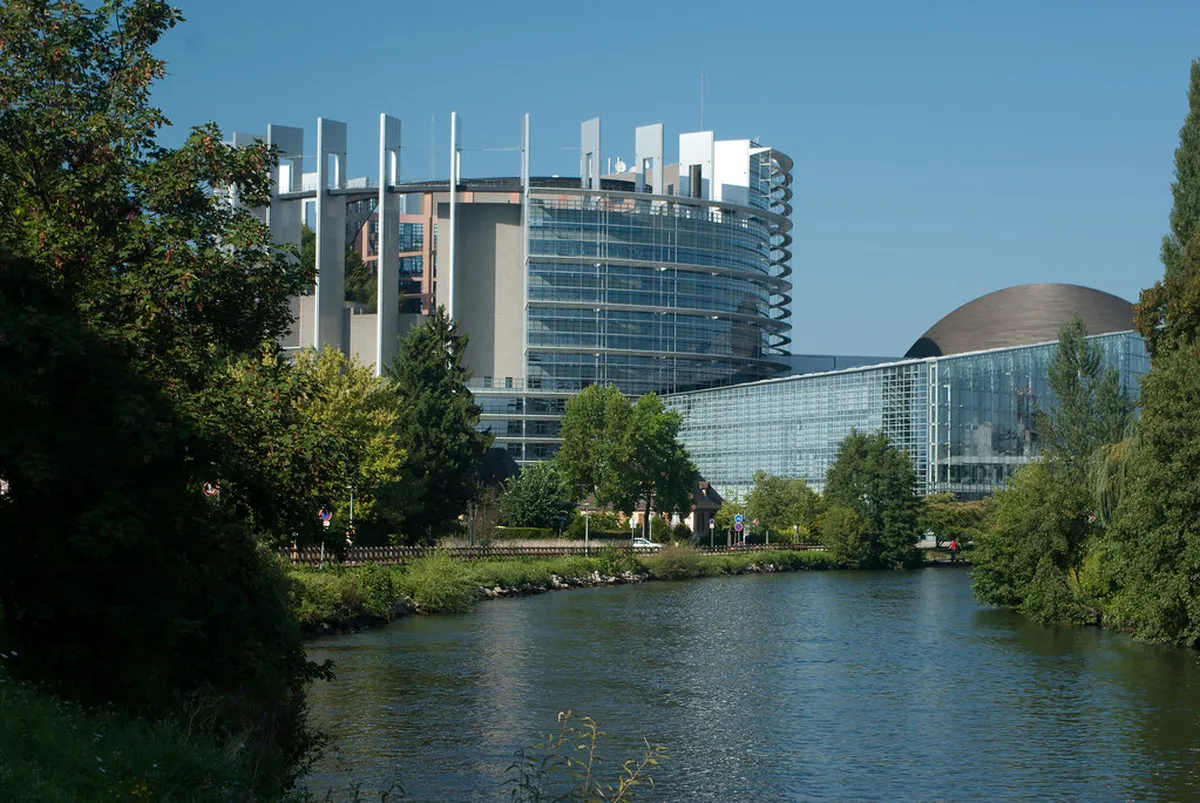
Visitors discover a stark contrast between these modern glass towers and the city historic center. The district sits at the intersection of the Ill River and the Marne-Rhine Canal. This location provides a peaceful setting for some of the world most important buildings. You can learn more about the broader architecture in Strasbourg through our detailed city guides.
Walking through this area allows you to witness the evolution of European cooperation. Architects from across the globe have contributed to this impressive landscape of steel. Every structure in the quarter tells a story of unity and forward-thinking design. The area remains accessible for travelers wanting to see the modern side of France.
As you explore, you will notice how the buildings interact with the surrounding water. The reflections of glass facades in the river create stunning visual patterns for photographers. This guide will help you navigate the most iconic landmarks within this institutional hub. Prepare to see the future of European design in this historic Alsatian city.
The Iconic Louise Weiss Parliament Building
The Louise Weiss Building stands as the primary symbol of European democracy in the city. Completed in 1999, it features a massive glass facade facing the quiet river banks. The structure includes a huge circular tower that looks intentionally unfinished from certain angles. This design choice represents the ongoing project of building a united European continent.
The interior of the building is just as impressive as its towering glass exterior. It contains an enormous hemicycle where members of parliament meet for their monthly sessions. The use of wood and sandstone provides a warm contrast to the cold glass. You can explore specific details of the European Parliament building Louise Weiss design on our dedicated page.
Visitors can take guided tours of the facility when the parliament is not in session. These tours are usually free but require booking at least several weeks in advance. Security is very strict so bring your passport for entry into the official zones. The building remains one of the most visited sites in the entire district.
The courtyard inside the building offers a serene space away from the busy city streets. It features open walkways and modern art installations that reflect European values and history. Many photographers visit this spot to capture the symmetry of the impressive glass arches. It is truly a masterpiece of late twentieth-century institutional design and engineering.
The European Court of Human Rights
The European Court of Human Rights is another architectural gem designed by Richard Rogers. This building looks like a giant ship docked along the banks of the river. Its two silver cylinders represent the scales of justice used in legal proceedings. The use of bright red accents adds a splash of color to the district.
Richard Rogers focused on creating a building that felt accessible rather than intimidating to citizens. The large glass windows allow natural light to flood the courtrooms and offices. This transparency symbolizes the openness of the judicial process within the European legal system. You can read more about Richard Rogers European Court of Human Rights work online.
The structure was completed in 1995 and remains a landmark of high-tech architecture today. Its steel components are visible on the exterior, showing the functional beauty of the design. The surrounding gardens are well-maintained and offer a nice path for a morning walk. It sits directly across from the Orangerie Park, which is the city oldest park.
Visitors cannot enter the courtrooms without a specific invitation for a hearing or event. However, the exterior is easily viewed from the public sidewalk or a boat tour. The building stands as a testament to the importance of protecting individual rights. It remains a must-see for anyone interested in functional yet symbolic modern structures.
Palais de l'Europe and Brutalist Heritage
The Palais de l'Europe serves as the headquarters for the Council of Europe institution. Architect Henry Bernard designed this massive square building which opened its doors in 1977. It features a facade made of red sandstone, glass, and heavy aluminum panels. The design reflects the Brutalist movement that was popular during the middle of the century.
This building was the original home of the European Parliament before the newer tower was built. Its fortress-like appearance was meant to suggest stability and permanence for the young organization. The interior features a vast lobby with grand staircases and many international flags. Details on the Palais de l'Europe Brutalist elements help explain its unique visual impact.
The Palais sits on a large grassy plaza that hosts various public demonstrations and events. It is surrounded by high fences but the main facade is very easy to photograph. The contrast between the red stone and the green grass is quite striking in spring. Many diplomats and officials pass through these doors every single day for work.
While it may look heavy compared to the newer glass buildings, it has unique charm. The patterns on the facade create interesting shadows during the late afternoon sun in winter. It represents a different era of European cooperation following the end of World War II. It remains a key anchor for the entire European Quarter architecture Strasbourg landscape.
Symbolic European Quarter Architecture Strasbourg Landmarks
The Agora building is the newest major addition to the Council of Europe office complex. It won the prize for the best office building in the world in 2008. The structure features two large inner courtyards covered by a transparent moving roof system. This allows for natural ventilation and light to reach every single office space.
The Agora building demonstrates how contemporary architecture in Strasbourg focuses on sustainability and energy efficiency. It uses groundwater for cooling and has a very low carbon footprint for its size. The exterior uses a mix of metal mesh and glass to create a textured look. It blends perfectly with the older structures while looking toward the future.
Nearby, you will find the European Directorate for the Quality of Medicines and Healthcare building. This smaller structure features a distinctive circular design and vibrant blue glass panels. It adds variety to the district and shows that even functional labs can be beautiful. The entire area functions as a living museum of modern architectural trends and styles.
Walking between these buildings is easy thanks to the many pedestrian paths and bridges. These paths are lined with trees and modern benches for visitors to rest. The district is very quiet on weekends when the officials are not at work. This makes it the perfect time for a self-guided walking tour of the area.
Practical Tips for Visiting the Quarter
Reaching the European Quarter is simple using the efficient Strasbourg tram system in 2025. Take Line E or Line B to the Boecklin or Parlement stops. The journey from the city center takes about fifteen minutes through the beautiful Neustadt district. You can also rent a city bike to ride along the scenic canal paths.
Most buildings in the quarter do not charge a fee for viewing from the outside. However, official guided tours inside the Parliament must be booked via their official website. These tours are popular, so check the calendar at least one month before your trip. Wear comfortable walking shoes as the district covers a very large physical area.
There are several small cafes located near the tram stops for a quick lunch. For a more formal meal, head back toward the Orangerie Park nearby. The park offers several high-end dining options with views of the famous local storks. Remember that security guards are present throughout the district for your safety and protection.
Photography is generally allowed from public sidewalks around all the major institutional buildings. Avoid using large tripods in busy areas to keep the pedestrian paths clear for workers. The best light for photos is usually in the early morning or late afternoon. This is when the glass facades reflect the soft colors of the sky perfectly.
Frequently Asked Questions
Can I visit the European Parliament in Strasbourg for free?
Yes, visits to the European Parliament are free for all individual travelers. You must book a time slot online in advance to secure your entry. Tours include the hemicycle and the Parlamentarium interactive exhibition area.
Which tram goes to the European Quarter in Strasbourg?
Tram lines B and E both serve the European Quarter regularly. The most convenient stops are 'Parlement Européen' and 'Droits de l'Homme'. The tram runs every few minutes during the day in 2025.
How much time should I spend in the European district?
Plan to spend at least two to three hours exploring the exterior landmarks. If you have a guided tour booked, allow for a full half-day visit. The walk along the river between buildings is very scenic and relaxing.
Is the European Quarter safe for tourists at night?
The European Quarter is very safe because of the high level of security. It is well-lit at night, making it perfect for evening photography of the buildings. However, the area becomes very quiet after office hours end.
The European Quarter architecture Strasbourg represents the pinnacle of modern institutional design in France. From the glass curves of the Parliament to the steel drums of the Court, it inspires. Visitors in 2025 will find a district that is both functional and aesthetically stunning. Make sure to include this modern hub on your next trip to the city. Explore more about local building styles through our self-guided architecture walking tour Strasbourg guide.
Key Takeaways
- The Louise Weiss building symbolizes European transparency with its massive glass facade.
- Richard Rogers designed the Court of Human Rights to resemble a ship on the river.
- Tram lines B and E provide easy access to the district from the city center.
- Booking tours in advance is essential for entering the European Parliament building.
- The district offers a peaceful, modern contrast to Strasbourg's medieval historic core.