
Mediatheque Andre Malraux Industrial Conversion Guide
Explore the Mediatheque Andre Malraux industrial conversion in Strasbourg. Learn about this adaptive reuse gem and plan your 2025 architecture visit today.
On this page
The Mediatheque Andre Malraux industrial conversion project is a stunning example of modern French adaptive reuse. This massive library transformed a historic grain silo into a vibrant center for culture and learning. Travelers visiting in 2025 will appreciate how the architects preserved the original metal skeleton of the building. It stands as a testament to the industrial history and the bright future of the Malraux Peninsula. You can discover more about university and library architecture Strasbourg styles by visiting this unique public space.
The project successfully balances industrial heritage with the needs of a modern digital information age. It serves thousands of students and residents who seek a quiet place for study and research. The building overlooks the water and provides a peaceful atmosphere for all types of creative work. Architects Jean-Marc Ibos and Myrto Vitart led the design team for this ambitious urban project. They managed to turn a cold industrial warehouse into a warm and welcoming community library.
A Brief History of the Grain Silo
The site originally functioned as a busy warehouse for grain and various goods during the twentieth century. It played a vital role in the industrial success of the Strasbourg port area for many decades. Workers moved thousands of tons of cargo through this massive steel structure every single day. The building eventually became empty as industrial needs shifted away from the city center in the 1990s. It sat abandoned for several years before the city decided to reclaim the valuable space.
Local authorities decided to preserve the structure instead of tearing the entire building down for new housing. They recognized the historical value of this landmark on the Malraux Peninsula for future generations to study. The goal was to create a cultural beacon for the local community to enjoy in the modern era. This decision started the journey of the famous adaptive reuse project we see today in the city center. It was a bold move that saved a piece of the maritime identity of the region.
The original building featured a robust metal frame designed to support extremely heavy loads of grain storage. These industrial roots provide a unique character that is hard to replicate in entirely new constructions today. Engineers had to carefully assess the strength of the old steel before the transformation could officially begin. They found that the structure was remarkably sound and ready for its new life as a library. The preservation process involved cleaning the metal and reinforcing specific points to meet modern safety standards.
Preserving the silo was also an environmentally friendly choice for the city planning committee in Strasbourg. Reusing existing materials reduces the carbon footprint associated with large-scale construction projects in urban environments. The project honors the laborers who built the port while providing a new service for the modern public. Today, the silo stands as a proud reminder of the industrious past of the historic docklands. It serves as a model for other cities looking to repurpose their own industrial heritage sites.
The Mediatheque Andre Malraux Industrial Conversion
The Mediatheque Andre Malraux industrial conversion involved stripping the building back to its essential steel components. Architects wanted to showcase the skeleton of the warehouse rather than hiding it behind thick walls. They used large sheets of glass to create a transparent skin around the existing metal frame. This design choice allows natural light to flood the interior spaces throughout the entire day. It also offers visitors spectacular views of the surrounding canals and the distant city skyline.
Constructing the glass facade required precision engineering to fit within the old industrial dimensions of the site. The contrast between the rough steel and the smooth glass creates a beautiful visual tension for visitors. Walking through the entrance feels like stepping into a space where history and the future coexist perfectly. The renovation was completed in 2008 and quickly became a symbol of the city's modern architectural ambitions. It has since won several awards for its innovative approach to urban renewal and library design.
The design team prioritized accessibility and open space during the planning phase of the conversion project. They removed many of the internal walls that once divided the grain storage areas into small units. This created massive, open floors that allow for flexible use of the library services over time. Visitors can easily navigate between the different departments while enjoying the grand scale of the original building. The feeling of height and volume is one of the most impressive features of the finished project.
Sustainability was a core pillar of the Mediatheque Andre Malraux industrial conversion strategy from the very start. The architects implemented natural ventilation systems that utilize the height of the building to regulate internal temperatures. Large windows provide enough light to reduce the need for artificial lighting during the bright daytime hours. These features make the library an efficient building that respects the environment while serving the community. It sets a high standard for public architecture in the twenty-first century in France.
Notable Architectural Design Elements
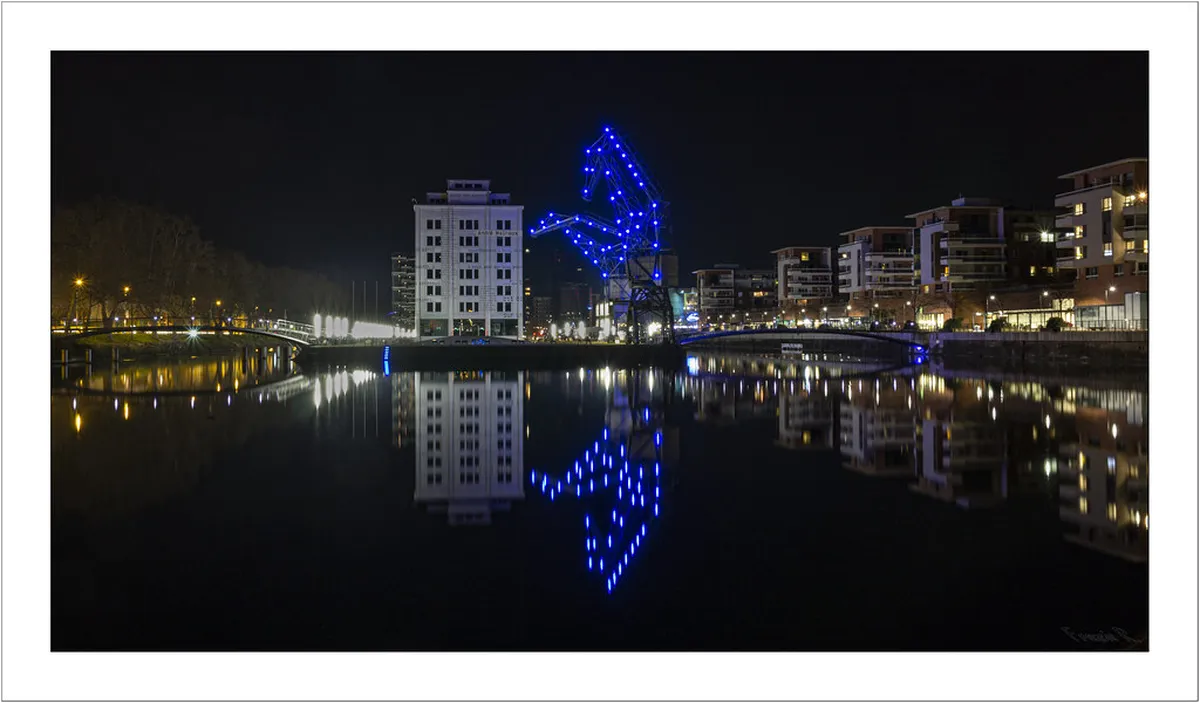
One of the most striking features of the exterior is the pair of large red cranes. These cranes were kept in their original positions to remind the public of the site's port history. They stand as silent sentinels that guard the entrance to the modern library and cultural center. Many photographers visit the site specifically to capture the contrast between the cranes and the glass. These industrial artifacts have become iconic symbols of the Malraux Peninsula and its transformation over time.
Inside the building, the architects used a simple palette of materials to maintain an industrial aesthetic throughout. You will notice a lot of:
- Exposed steel beams that show the original structure.
- Polished concrete floors that offer durability and a clean look.
- Perforated metal ceilings that help with the acoustics of the space.
- Large glass partitions that define rooms without blocking the light.
The vertical movement within the building is also an important part of the overall architectural experience. A central staircase winds through the heart of the library, connecting the various floors and departments. This staircase allows visitors to observe the activity on different levels as they move through the space. It creates a sense of dynamic energy that reflects the busy nature of a modern learning hub. The elevators are also designed to offer views of the structure during the short trip between floors.
Color is used sparingly but effectively to guide visitors through the different sections of the mediatheque. Most of the interior remains neutral to let the books and the people provide the visual interest. This minimalist approach ensures that the focus remains on the incredible industrial proportions of the old silo. It also makes the space feel calm and conducive to long hours of reading and research. Every design choice supports the function of the building as a place for quiet concentration.
Cultural Impact on the Local Area
The library has completely transformed the social life of the Malraux Peninsula since its grand opening. It attracted new businesses, cafes, and residential projects to an area that was once considered quite isolated. The mediatheque serves as a destination that brings people from all over Strasbourg to the waterfront. It has helped to bridge the gap between the historic center and the newer districts of the city. You can see more examples of contemporary architecture in Strasbourg within a short walk of the library.
Education is at the heart of the building's mission for the residents of the city and region. The library hosts regular workshops, exhibitions, and public talks for people of all ages to attend. It provides free access to thousands of books, films, and digital resources for the entire community. This commitment to public knowledge makes it one of the most important cultural institutions in the region. It is a place where everyone is welcome to learn, explore, and share their own ideas.
The building also serves as a popular meeting point for students from the nearby university campus during the week. They take advantage of the high-speed internet and the comfortable study areas located on the upper floors. The silence of the reading rooms contrasts with the lively energy of the ground floor cafe area. This mix of uses ensures that the building remains busy and relevant throughout the entire day. It truly functions as a modern living room for the people of the city.
Tourism in the area has also seen a significant boost because of the Mediatheque Andre Malraux industrial conversion. Architecture enthusiasts travel from across Europe to see this successful example of adaptive reuse in person. The building is often featured in design magazines and academic studies about urban planning and historical preservation. Its success has encouraged the city to continue investing in the redevelopment of other industrial sites nearby. It proves that heritage can be a powerful engine for modern urban growth and prosperity.
Practical Tips for Visitors
Visiting the Mediatheque Andre Malraux is a straightforward and rewarding experience for any traveler in 2025. The building is located at 1 Presqu'île André-Malraux, which is easily accessible by the local tram system. You should take Line A or Line D and get off at the Etoile Bourse station. From there, it is a pleasant five-minute walk along the water to reach the main entrance. The library is also well-connected to the city's network of dedicated bicycle paths.
The library is generally open from Tuesday to Saturday, but hours can vary on specific public holidays. Admission to the building and the main reading areas is free for all members of the public. You do not need a membership card just to walk inside and admire the stunning industrial architecture. However, you will need a card if you wish to borrow books or use the digital media. Always check the official website for the most current opening times before you plan your visit.
For the best experience, try to visit during the morning hours when the natural light is most beautiful. The upper floors offer the best views of the city and are usually the quietest areas for photography. Please remember that this is a working library, so keeping noise to a minimum is very important. You can take photos of the architecture as long as you do not disturb the people studying. The ground floor often hosts temporary art exhibitions that are worth exploring during your time there.
After your visit, take some time to walk around the peninsula and enjoy the outdoor seating areas. There are several excellent coffee shops and restaurants located directly across from the library entrance. These spots offer great views of the building and the historic red cranes from a different perspective. It is the perfect place to relax and reflect on the impressive transformation of this industrial site. The area is particularly beautiful during the sunset hours when the glass facade reflects the sky.
Frequently Asked Questions
Is the Mediatheque Andre Malraux free to enter?
Yes, the library is completely free to enter for all visitors who want to explore the architecture. You can access most of the reading rooms and public spaces without paying any fee. This makes it a great budget-friendly stop for anyone interested in architecture in Strasbourg today. You only need a paid membership if you want to check out books or media.
What was the building before it became a library?
The building was originally a massive grain silo and warehouse for the city's busy river port. It was built in the 1930s and served as a central hub for industrial activity for many years. The conversion project preserved the steel frame while adding a modern glass facade to the structure. This transformation is a prime example of adaptive reuse in modern urban design.
Can I take photos inside the mediatheque?
Photography is allowed inside the building as long as you are respectful of the people using the library. You should avoid using a flash and stay away from the private study carrels. The architecture is very photogenic, especially the contrast between the old steel and the new glass. The upper floors provide some of the best angles for capturing the scale of the interior.
How do I get to the library from the city center?
The easiest way to reach the library is by using the Strasbourg tram network. Lines A and D both stop at the Etoile Bourse station, which is very close to the site. You can also walk from the historic center in about fifteen to twenty minutes. The path follows the water and offers a great introduction to the modern side of the city.
The Mediatheque Andre Malraux industrial conversion is a must-see for anyone visiting Strasbourg in 2025. It perfectly demonstrates how cities can honor their industrial past while building a modern future. The combination of historic steel and contemporary glass creates an inspiring environment for all visitors to enjoy. Whether you are a student or a tourist, this library offers a unique experience. Plan your visit today to witness the incredible power of adaptive reuse architecture in person.
Key Takeaways
- The project transformed a 1930s grain silo into a modern cultural hub.
- Architects preserved the original steel frame and added a glass skin.
- The site is free to enter and accessible via the local tram system.
- The red cranes outside serve as iconic reminders of the port history.
Related reads: architecturebycity.com, palais universitaire strasbourg interior architecture, historic schools and lycees of strasbourg.