
University and Library Architecture Strasbourg Guide
Discover stunning university and library architecture Strasbourg offers. Explore historic and modern learning spaces in our 2025 guide. Visit the city today!
On this page
Strasbourg offers a unique blend of historical and contemporary learning environments for every curious visitor to explore. You will find exceptional university and library architecture Strasbourg displays throughout its famous and historic city districts. These landmarks reflect the city’s rich history and its clear commitment to modern and future academic excellence. In 2025, these buildings continue to serve as vital cultural hubs for both local students and international travelers.
Visiting these sites allows you to appreciate the grand designs that shaped higher education in the Alsace region. The architectural styles range from heavy German Imperial stone to light and airy modern glass and steel structures. Each building tells a different story about the cultural shifts that have occurred in this unique border city. You can easily walk between most of these locations during a single afternoon of dedicated architectural sightseeing.
The Grand Design of the Palais Universitaire
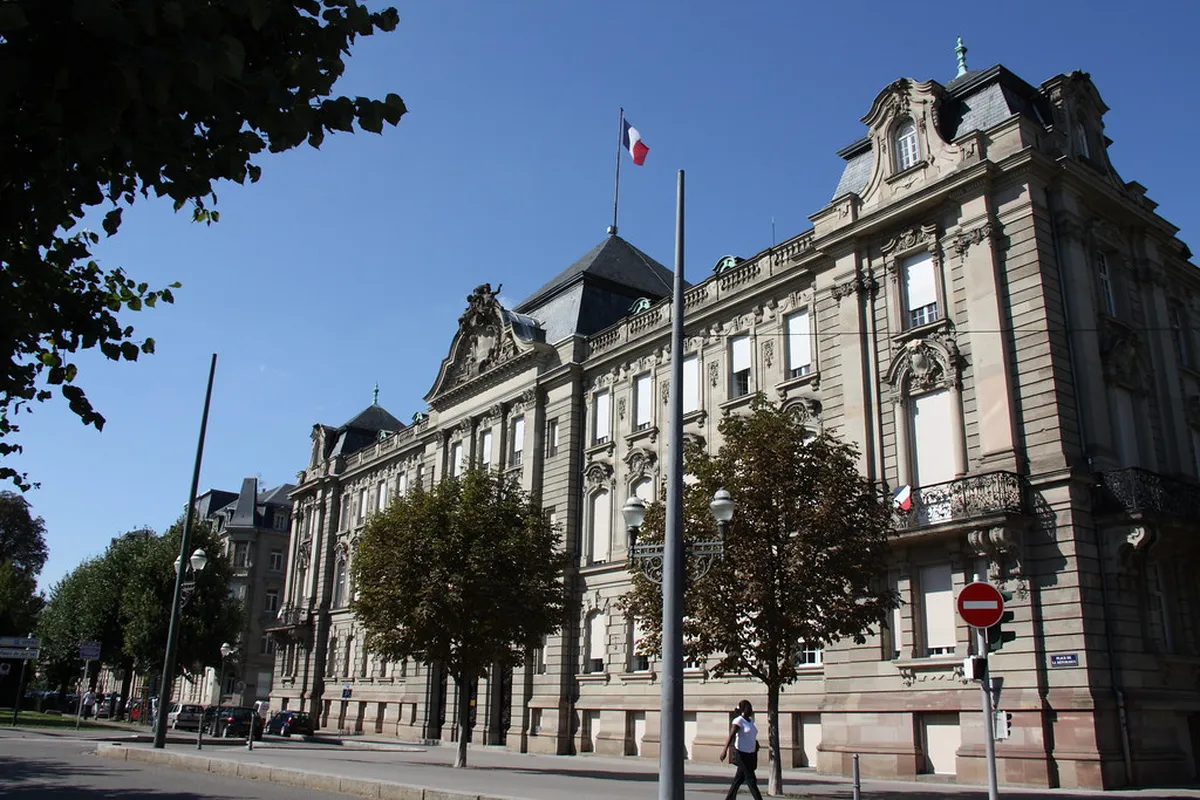
The Palais Universitaire remains a grand building that defines the architectural identity of the historic Neustadt district. Architect Otto Warth designed this massive structure during the late nineteenth century for the German Imperial administration. It features a stunning central courtyard which is protected by a magnificent and very high glass roof. This space serves as a major gathering point for students who attend the University of Strasbourg today.
The exterior facade displays several impressive statues that represent major figures from the history of science and art. These stone figures stand as a testament to the intellectual ambitions of the university during its initial founding. Visitors should take a moment to admire the intricate limestone carvings that decorate the main entrance and windows. You can learn more by reading our Neustadt district architecture guide for detailed historical context.
Inside the building, the grand staircases offer a perfect example of formal institutional design from the Renaissance revival period. The use of premium materials like marble and wrought iron highlights the importance of the university to the state. Large lecture halls still feature original wooden benches that have served generations of students over many decades. The building is generally open to the public during normal weekday business hours for quiet self-guided tours.
Natural light floods the interior spaces through the massive glass ceiling, creating a bright and very welcoming atmosphere. This design choice was revolutionary for its time and continues to inspire modern architects working in the city. The interior architecture provides a fascinating glimpse into the decorative tastes of the late eighteen hundreds. Many students prefer studying in the quiet corridors of this building because of its inspiring and historic atmosphere.
The National and University Library Wonders
The National and University Library of Strasbourg is the second largest library located within the country of France. It sits proudly on the Place de la Republique, directly facing the majestic and historic Palais du Rhin. Architects Skjold Neckelmann and August Hartel led the original construction of this massive and very impressive building. The large central dome serves as a prominent landmark that defines the skyline of the entire city center.
A major renovation project in 2014 modernized the interior while carefully preserving the historic and ornate stone exterior. The most striking new feature is the massive spiral staircase that connects all levels of the central atrium. This modern element uses light materials to contrast with the heavy stone walls of the original nineteenth-century shell. It creates a dynamic visual flow that encourages visitors to explore the various floors of the library.
Reading rooms inside the library offer a peaceful environment where scholars can focus on their important academic work. The designers maximized natural light by using large windows and clever mirrors to brighten the deep interior spaces. You will find thousands of ancient manuscripts and modern digital resources housed within these highly secure walls. This building represents a perfect balance between preserving valuable heritage and providing modern and efficient research facilities.
The library is open to the public, although some research areas require a valid identification card for entry. Visitors can enjoy the rotating exhibitions often held in the main lobby near the primary entrance doors. These displays frequently highlight the history of printing and the evolution of architecture in Strasbourg over the centuries. Admission to the main hall is free, making it an excellent stop for budget-conscious cultural travelers.
Industrial Conversion at Mediatheque Andre Malraux
Modern learning spaces in the city often occupy revitalized industrial sites near the historic and busy harbor area. The Mediatheque Andre Malraux sits inside a former warehouse that once stored goods for the river port. This industrial conversion shows how the city repurposes old structures for modern and valuable community use. The building features a bold combination of original red brick and modern, transparent glass facades.
The library spans six expansive floors that are filled with light and offer great views of the water. Steel beams from the original warehouse remain visible, reminding visitors of the building's previous life as a dockside facility. This architectural choice creates an edgy and contemporary feel that appeals strongly to the younger student population. It serves as an anchor for the surrounding modern development known as the Presqu'ile Malraux district.
Inside, the library provides various multimedia zones and comfortable reading areas for people of all different ages. The open floor plan encourages exploration and makes the large building feel very accessible and highly inclusive. You can find specialized sections for music, film, and digital arts alongside the traditional and extensive book collections. The facility also hosts regular workshops and community events that bring diverse groups of local residents together.
Outside the building, the wooden decks offer a relaxing space for people to sit and read near the water. The surrounding area is perfect for a short walk after a long afternoon spent studying inside the library. This project highlights the city's successful strategy of blending historical industrial heritage with modern and highly functional design. It remains one of the most popular public spaces for students living in the southern city districts.
Contemporary Campus Styles at the Esplanade
The Esplanade campus hosts various modern faculty buildings that contrast sharply with the historic Neustadt and city center. Most of these structures were built during the 1960s and 1970s to accommodate a growing student population. The Law Faculty building is particularly notable for its unique and very distinctive circular or semi-circular design. This Brutalist style uses raw concrete to create bold shapes that reflect the architectural trends of that specific era.
Green spaces and wide pedestrian walkways connect the different university departments across the large and sprawling urban campus. These areas provide students with essential places to relax and socialize between their many scheduled classes and lectures. You can see how contemporary architecture in Strasbourg evolved to meet the practical needs of a large modern university. Newer additions to the campus use sustainable materials and energy-efficient designs to protect the local environment.
The transition from the historic stone buildings to these concrete and glass structures is very visually striking. Each faculty building has a unique character that reflects the specific academic discipline it was designed to house. Large windows in the newer laboratories and lecture halls provide plenty of natural light for the busy students. The campus serves as a living museum of mid-twentieth-century design and modern urban planning principles.
Walking through the Esplanade allows you to appreciate the scale of higher education in this important European city. Many buildings feature colorful murals or modern art installations that add visual interest to the functional concrete facades. The university continues to update these facilities to ensure they meet the technological demands of twenty-first-century learning. It is a vibrant and busy area that feels very different from the tourist-heavy streets of the old town.
Frequently Asked Questions
Can tourists enter the University of Strasbourg buildings?
Most university buildings are open to the public during normal weekday business hours for quiet exploration. The Palais Universitaire and the National Library allow visitors to see the main halls and common areas. Please respect the students by remaining quiet and avoiding restricted research or classroom zones during your visit.
What is the best time to visit the BNU library?
The library is usually less crowded during the early morning hours or late in the weekday afternoon. You should avoid the busy exam periods in late May and early December when student occupancy is high. The library is often closed on public holidays, so check the official schedule before you plan your trip.
Are there guided tours for Strasbourg university architecture?
Local tourism offices occasionally offer specialized tours that focus on the architectural history of the Neustadt district. You can also find several self-guided walking routes that cover the major university landmarks and modern libraries. These tours provide excellent technical details about the construction and historical significance of each individual building.
The university and library architecture Strasbourg offers provides a fascinating look at the city's intellectual and cultural history. From the grand Palais Universitaire to the modern Mediatheque, these buildings are essential stops for every architecture lover. We encourage you to visit these beautiful spaces during your next trip to this historic French city. Plan your visit today to experience these remarkable learning environments in person.
Key Takeaways
- The Palais Universitaire is a masterpiece of the 19th-century German Imperial Neustadt style.
- The BNU Library features a stunning modern spiral staircase within a historic neoclassical shell.
- The Mediatheque Andre Malraux is a successful example of industrial warehouse conversion into a library.
Related reads: architecturebycity.com.