
National and University Library Strasbourg Design Guide
Explore the National and University Library Strasbourg design. Learn about its 2025 features, history, and Neustadt architecture. Visit this French icon today!
On this page
The National and University Library Strasbourg design showcases incredible architectural skill and historical depth. This iconic building stands proudly in the heart of Strasbourg, France. It serves as a vital part of the city's unique cultural heritage. Visitors often marvel at its grand appearance and impressive scale.
In 2025, this library remains a top destination for architecture enthusiasts worldwide. It represents the transition between different architectural eras in Europe. The building reflects the power and ambition of the German Imperial period. Studying this design offers insights into the wider Neustadt district architecture guide.
Historical Roots of the National and University Library
The library's history began in the late 19th century. German authorities commissioned the building after a major fire in 1870. Architects August Hartel and Skjold Neckelmann designed this massive structure. They chose an Italian Renaissance style to convey prestige and stability.
Construction lasted from 1889 until 1895 in the heart of the city. The building survived several major conflicts throughout the 20th century. Each era left a distinct mark on the library's character. Today, it stands as the second-largest library in all of France.
The institution holds millions of precious books and ancient documents. Its collection covers diverse fields like archaeology, history, and literature. Researchers from across the globe visit this site every year. The library serves both local students and international scholars alike.
The building represents the intellectual heart of the historic Neustadt district. Its design was meant to impress and educate the public. Preservation efforts have kept the original structure in excellent condition. It is a testament to high-quality 19th-century construction methods.
Exterior Features of the Library Design
The exterior facade displays remarkable symmetry and visual balance. Large stone columns dominate the main entrance area near the square. Intricate carvings decorate the walls and the large window frames. These details highlight the craftsmanship of the original skilled builders.
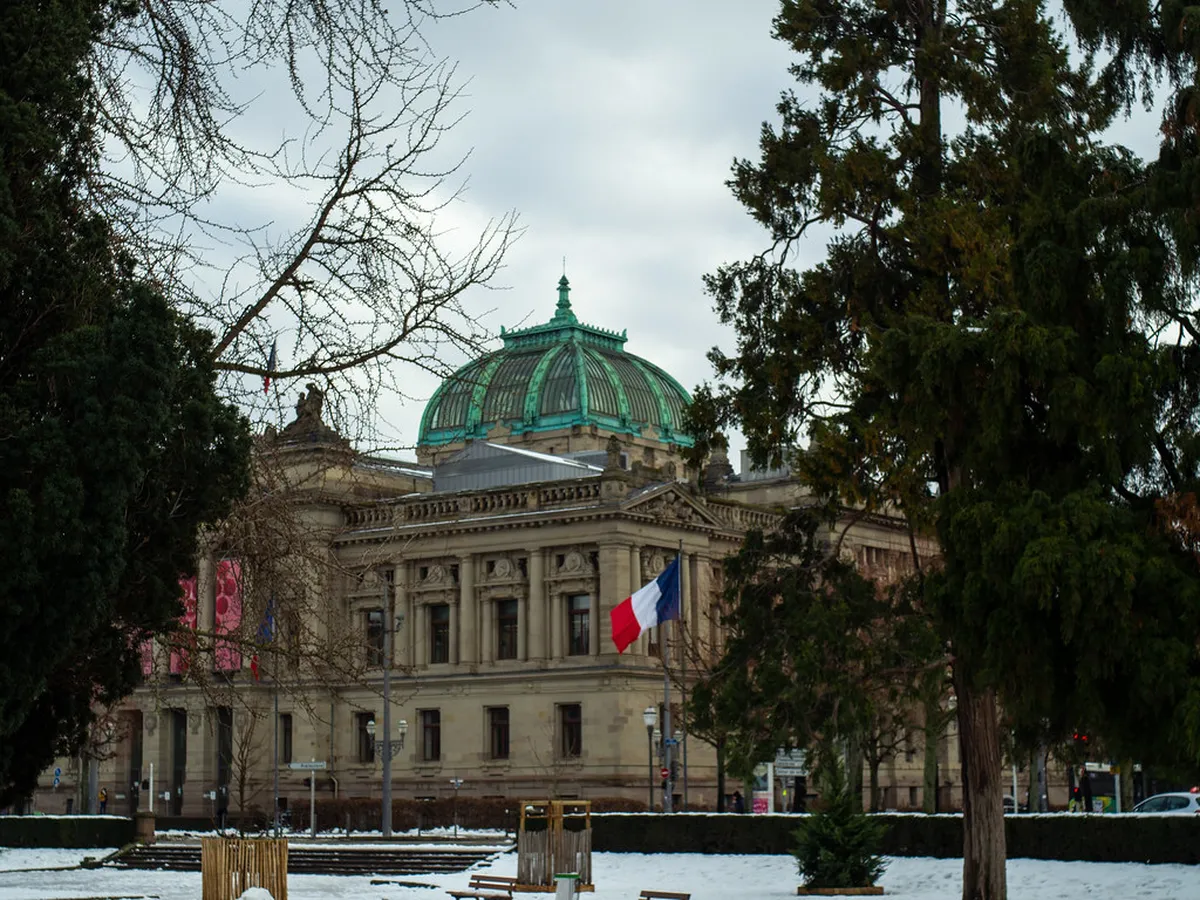
A magnificent dome sits atop the central part of the building. This dome serves as a prominent local landmark in Strasbourg. It captures sunlight and adds a regal touch to the skyline. The materials used reflect the surrounding university and library architecture Strasbourg.
Four distinct wings surround a system of central inner courtyards. This layout allows natural light to enter the quiet inner rooms. The use of local sandstone gives the building a warm glow. You can see many sculptures representing famous historical figures here.
Each corner of the building features unique decorative elements. These touches prevent the massive structure from looking too plain. The architectural language speaks of authority and deep intellectual pursuit. It remains one of the most photographed buildings in Strasbourg.
Modern Renovation and Interior Spaces
A major renovation project took place between 2010 and 2014. The design team focused on modernization while preserving the history. They replaced old wooden floors with sleek, modern sustainable materials. This update improved safety and accessibility for all modern visitors.
The most striking feature is the new central staircase. It acts as a bridge between the past and present. Steel and glass elements contrast beautifully with the original stone. This staircase has become a symbol of the new library design.
Reading rooms now offer comfortable seating and modern technology. High ceilings create a sense of openness and peaceful tranquility. You will find dedicated areas for quiet study and research. Large windows offer views of the historic Place de la République.
The interior now feels much brighter and more welcoming. New lighting systems highlight the original architectural details perfectly. Designers used light colors to make the spaces feel larger. It is a perfect example of contemporary architecture meeting classic style.
Integration with Neustadt District Architecture
The library is a cornerstone of the historic Neustadt district. This area was built during the late 19th century expansion. The goal was to create a new city with wide boulevards. The library fits perfectly into this grand urban planning vision.
It sits directly across from the famous Palais du Rhin. Both buildings share similar materials and monumental scales. This creates a cohesive look for the main public square. You can see this during a self-guided architecture walking tour Strasbourg.
The district itself is a UNESCO World Heritage site today. Its planning emphasized symmetry and great public visibility. The library's placement was very intentional for the city's image. It represented the intellectual power of the growing German Empire.
Green spaces surround the library and the nearby monuments. These parks offer a place for students to relax. The trees and lawns complement the rigid stone structures. This balance makes the Neustadt district very pleasant to visit.
Architectural Symbolism and Decorative Arts
The library's design contains many fascinating hidden symbols. Sculpted heads of philosophers look down from the main facade. These figures represent the various branches of human knowledge. They remind visitors of the building's core academic purpose.
Ornamental friezes run along the top of the stone walls. They depict scenes from history and ancient mythology. These artistic additions elevate the building beyond a storage space. Every detail serves to inspire the students working inside.
Ironwork on the gates shows incredible artistic skill. The patterns are both functional and highly decorative. You can see the influence of late 19th-century movements. These small details contribute to the overall feeling of quality.
The main dome features painted segments on its interior. These paintings were carefully restored during the recent renovation. They add a splash of color to the grey stone. This creates a vibrant atmosphere for everyone who enters.
Frequently Asked Questions
When was the National and University Library Strasbourg built?
The building was constructed between 1889 and 1895. It was part of a major urban expansion project. The design reflects the Italian Renaissance style popular then.
Who were the architects for the library design?
August Hartel and Skjold Neckelmann designed the library. They were famous for their monumental public buildings. Their work defined much of the Neustadt district.
Can tourists visit the inside of the library?
Yes, the library is open to the general public. You can explore the reading rooms and the staircase. Please respect the students who are studying there.
What is the best way to see the library architecture?
The best view is from the Place de la République. Walk around the entire building to see all facades. The interior is best viewed during daylight hours.
The National and University Library Strasbourg design remains a marvel. It perfectly blends historical grandeur with modern functionality for users. Visitors in 2025 will appreciate its unique character and beauty. Plan your trip to see this architectural gem today.
Key Takeaways
- The library features a stunning Italian Renaissance revival design.
- A modern glass staircase connects the historical layers inside.
- It serves as a key monument within the UNESCO-listed Neustadt district.
Related reads: architecturebycity.com.