
Strasbourg TGV Station Glass Canopy Design Guide
Discover the Strasbourg TGV station glass canopy design. Explore this icon of contemporary architecture in Strasbourg for your 2025 trip. Plan your visit today!
On this page
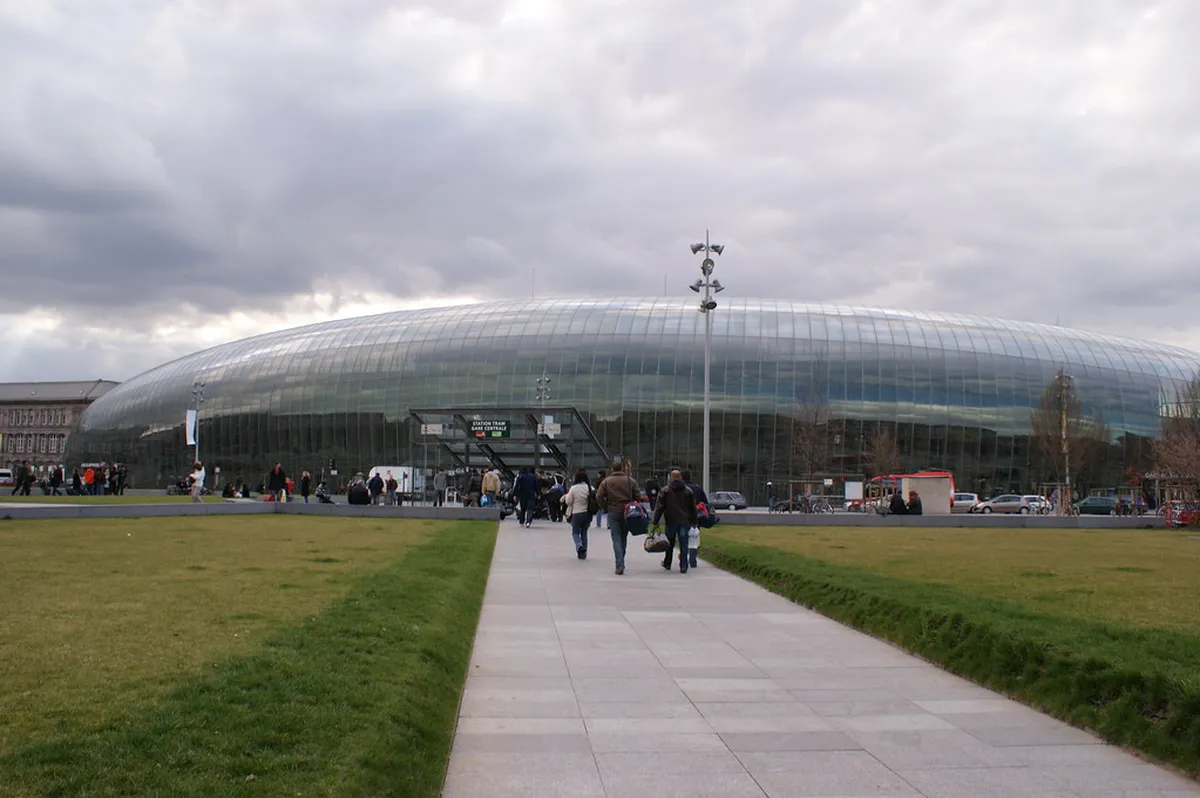
The Strasbourg TGV station glass canopy design is a marvel of modern engineering. It stands as a gateway to the beautiful city of Strasbourg in eastern France. This structure represents a bold step for contemporary architecture in Strasbourg. It blends the old city with a futuristic vision. Travelers arrive at this station and immediately feel a sense of wonder. The massive glass bubble protects the historic heart of the transport hub. It creates a space where history and innovation meet in harmony.
This landmark profile explores the unique features of the famous glass roof. We will look at why it is a must-see for design lovers in 2025. The project changed how people view public transport buildings in Europe. It provides comfort while showcasing the original 19th-century facade. You can see how the architects used light to transform the passenger experience. Join us as we dive into the details of this stunning glass cocoon.
Origins of the Glass Canopy Project
The project began with the arrival of the high-speed TGV train line. City leaders wanted to upgrade the station for the 21st century. They hired the talented architect Jean-Marie Duthilleul to lead the renovation. He proposed a design that would respect the original 1883 building. The goal was to create more space for the growing number of passengers. Work on the glass structure finished in 2007 just before the TGV Est opened.
The construction required incredible precision from the engineering teams. They built the glass shell in front of the existing stone station. This approach allowed the historic building to remain fully visible from inside. It created a vast hall that protects travelers from the weather. The design acts as a bridge between two different eras of architecture. It shows how cities can modernize without destroying their historical roots.
Many people consider this project a triumph for public design. It successfully managed the transition to high-speed rail travel in France. The station now serves millions of people every year with high efficiency. You can feel the energy of the city as you walk through the hall. The glass roof has become a symbol of the progress of Strasbourg. It remains one of the most photographed spots in the entire city.
The project cost approximately 150 million euros for the total renovation. This included the glass roof and the underground pedestrian paths. The investment helped revitalize the surrounding Gare district for local residents. It also improved the connection between the station and the city center tram lines. Today the station is a central hub for European travel and commerce.
Visitors in 2025 can still appreciate the freshness of the design. The glass and steel look as modern today as they did in 2007. It serves as a benchmark for contemporary architecture in Strasbourg and beyond. The station is a living example of how to celebrate heritage through innovation.
Engineering the Massive Curved Glass Bubble
The glass canopy is a massive structure that spans 120 meters in length. It reaches a height of 22 meters at its peak. The frame consists of 16 huge steel arches that support the weight. These arches create a graceful curve that mimics the movement of trains. The entire shell is made of hundreds of individual glass panels. Each panel was carefully placed to ensure a perfect fit across the curve.
The engineering team used advanced computer modeling to design the steel frame. This helped them calculate the stresses from wind and heavy snow. The structure must withstand the varied climate of eastern France throughout the year. It uses a high-performance glass that reduces glare for the passengers. This allows for clear views while maintaining a comfortable temperature inside. The result is a light and airy space that feels open to the sky.
Building such a large glass dome presented many technical challenges. Workers had to install the glass while the station remained in operation. This required careful planning to ensure the safety of all commuters. The steel arches were manufactured off-site and brought in by special transport. They were then assembled like a giant puzzle on the station square. This method minimized the impact on daily train schedules and local traffic.
The glass used in the canopy is specifically designed for safety. It is a laminated type that remains strong even if a crack occurs. This is vital for a public space that sees thousands of visitors every hour. The cleaning process for the glass is also a major technical feat. Specialized teams use ropes to reach the top of the curved surface. They keep the glass sparkling to maintain the visual impact of the design.
The lighting inside the canopy changes depending on the time of day. During the morning the sun creates patterns on the old stone walls. At night the structure glows like a lantern in the city. This lighting design adds to the safety and beauty of the station. It ensures that the space remains inviting at all hours of the night. Passengers often stop to admire the play of light on the glass surfaces.
Preserving the Historic 1883 Stone Facade
The original station building dates back to the German period of Strasbourg history. It features a grand Renaissance-style facade made of yellow sandstone. For decades this beautiful stone was hidden from the modern street view. The new glass canopy design actually helped to preserve these historic stones. It creates a controlled environment that protects the facade from acid rain. The stone stays dry and clean inside the massive glass greenhouse.
Walking between the glass and the stone is a unique experience. You can see the intricate carvings on the old station very clearly. The architects used glass to create a dialogue between different centuries. This design choice highlights the beauty of the 19th-century craftsmanship. It allows the historic building to breathe within a modern shell. The contrast between the cold glass and warm stone is visually stunning.
The gap between the two structures creates a large hall for shops. You can find cafes and newsstands tucked against the historic walls. This space is often used for art exhibitions and public events. It has turned a transit point into a destination for the local community. People come here just to enjoy the atmosphere and the architecture. The station has become a place to linger rather than just a place to leave.
Preserving the facade was a key requirement from the local heritage boards. They wanted to ensure the station kept its unique Alsatian identity. The glass canopy achieved this by acting as a transparent showcase. It does not hide the past but celebrates it in a new light. This sensitive approach has won many awards from architecture critics worldwide. It is a lesson in how to combine progress with historic respect.
You can find many best architecture photography spots in Strasbourg right here. The reflections of the old windows in the new glass are perfect for photos. Try to capture the station during the golden hour for the best colors. The yellow sandstone takes on a warm glow that looks amazing in pictures. It is one of the most beautiful train stations in all of France.
Environmental Impact and Thermal Design
The glass canopy acts as a natural climate control system for the station. It uses the greenhouse effect to keep the hall warm during the winter. This reduces the need for artificial heating in the large public areas. Natural ventilation systems allow hot air to escape during the summer months. Openings at the top of the canopy create a gentle breeze for passengers. This passive design helps the station save a significant amount of energy.
The use of natural light is another major environmental benefit of the design. During the day the station does not need many electric lights. Sunlight pours through the glass and reaches the deep parts of the hall. This creates a more pleasant environment for people waiting for their trains. It also lowers the carbon footprint of the building significantly. Sustainable design was a priority for the city when planning this project.
Water management is also integrated into the design of the glass roof. Rainwater flows down the curves and is collected in a modern drainage system. This prevents flooding on the busy square in front of the station. The glass panels are coated to help water slide off easily without leaving streaks. This reduces the amount of chemicals needed for cleaning the large surface area. Every detail was planned to be as eco-friendly as possible.
The thermal comfort inside the station is monitored by smart sensors. These sensors adjust the ventilation based on the number of people inside. If the hall gets too hot the vents open automatically to cool it down. This technology ensures that the space remains comfortable even during heatwaves. It is a smart building that responds to the needs of the environment. The design proves that large glass structures can be very energy efficient.
Many travelers appreciate the connection to the outdoors while they wait. You can see the clouds moving across the sky through the roof. This visual link to nature reduces the stress of travel for many people. It makes the station feel less like a dark tunnel and more like a park. The glass canopy design truly prioritizes the well-being of the human passengers.
A Masterpiece of contemporary architecture in Strasbourg
The TGV station is part of a larger movement of modern design in the city. Strasbourg is famous for its Gothic cathedral and timbered houses. However the city also embraces the future with bold new buildings. The glass canopy is the first modern landmark many visitors see. It sets the tone for a city that is moving forward with confidence. You can see this same spirit in the nearby European Quarter buildings.
Contemporary architecture in Strasbourg often focuses on transparency and light. The station design reflects these values perfectly through its glass shell. It shows that the city is an open and welcoming place for everyone. Many other buildings in the city have followed this lead in recent years. You can find glass museums and sleek office blocks near the historic center. The station was a pioneer for this new look for the city.
Students of architecture often visit the station to study its unique structure. It is a great example of high-tech design used for a social purpose. The way the steel supports the glass is a lesson in structural honesty. Everything is visible and nothing is hidden behind fake walls. This makes the building feel very authentic and modern. It is a highlight of any tour of the modern side of Strasbourg.
The station also serves as a focal point for the local creative community. Artists often use the glass hall for temporary installations and performances. It provides a grand stage that is accessible to all citizens for free. This social aspect is just as important as the physical architecture. The building helps to foster a sense of pride among the people of Strasbourg. It is a true public monument for the modern age.
If you want to see more you can join guided architecture tours in Strasbourg today. These tours often start at the station to explain its historical importance. You will learn about the architects and the materials used in the build. It is the best way to understand the complex history of the city. The station is just the beginning of your architectural journey through Strasbourg.
Tips for Visiting Strasbourg Station in 2025
Visiting the station in 2025 is very easy for most travelers. It is located on the edge of the city center near the Petite France district. You can reach it by foot from the main cathedral in fifteen minutes. The station is also a major hub for the local tram system. Trams A, C, and D all stop directly under the glass canopy. This makes it a very convenient starting point for your city tour.
The station is open every day from early morning until late at night. You do not need a train ticket to enter the main glass hall. This allows anyone to walk in and admire the architecture for free. There are many benches where you can sit and watch the world go by. Several high-quality bakeries offer local treats like pretzels and kougelhopf. It is a great place to grab a snack while you enjoy the view.
For the best experience try to visit during a sunny afternoon. The light creates beautiful patterns on the floor of the main hall. If you visit in winter the station is beautifully decorated for Christmas. Strasbourg is known as the Capital of Christmas and the station joins the fun. You will find a large tree and festive lights inside the glass bubble. It is a magical sight that you should not miss.
Security at the station is modern and efficient to keep everyone safe. Be prepared for occasional bag checks at the main entrance points. There are also luggage lockers available if you want to explore the city light. These are located on the lower level near the public restrooms. The station is fully accessible for people with limited mobility. Elevators and ramps connect all the different levels of the building.
Make sure to look at the station from the outside square at night. The illumination of the glass shell is truly spectacular in the dark. It stands out as a glowing jewel in the middle of the city. You can see the silhouettes of the old building through the glowing glass. It is a perfect way to end your day of sightseeing in Strasbourg. The station remains a bright symbol of the future for the entire region.
Frequently Asked Questions
Who is the architect of the Strasbourg TGV station glass canopy?
The glass canopy was designed by the French architect Jean-Marie Duthilleul. He is famous for his work on many major railway stations across France. His design for Strasbourg won praise for preserving the 1883 stone building. The project was completed in 2007 to welcome the new high-speed TGV trains.
When was the Strasbourg station glass roof built?
The glass roof construction took place between 2006 and 2007. It was part of a large renovation project for the arrival of the TGV Est line. The station officially reopened with its new look in June 2007. It has since become a major landmark for the city of Strasbourg.
How much did the Strasbourg station renovation cost?
The total cost for the station renovation was about 150 million euros. This budget covered the glass canopy and significant underground work for passengers. It also included improvements to the connection with the city tram network. The investment significantly boosted the local economy in the Gare district.
The Strasbourg TGV station glass canopy design is a landmark of modern France. It shows how we can protect our history while building for the future. Travelers in 2025 will find the station both beautiful and very functional. It remains a highlight of any trip to this historic European city. Plan your visit to see this amazing glass bubble for yourself soon. You will surely be impressed by the scale and beauty of the design.
Key Takeaways
- The glass canopy protects a historic 1883 stone facade.
- Architect Jean-Marie Duthilleul designed the structure in 2007.
- The station uses passive solar heating to save energy in winter.
- It is a free architectural landmark accessible to all visitors.
- The glass shell spans 120 meters and glows beautifully at night.
Related reads: architecturebycity.com, architecture in strasbourg, mamcs museum architecture analysis.