
Discover Saint-Pierre-et-Saint-Paul Cathedral Architecture
Explore the stunning Saint-Pierre-et-Saint-Paul Cathedral architecture in Troyes. Plan your 2025 visit to see this Gothic masterpiece today!
On this page
The Saint-Pierre-et-Saint-Paul Cathedral architecture stands as a beacon of French history. This massive structure dominates the skyline of Troyes in France. It represents hundreds of years of artistic dedication. Visitors often marvel at its sheer scale and detail.
Building this cathedral required immense skill from medieval masons. They used local stone to create high vaults and walls. Today, the cathedral remains a primary religious site. It draws thousands of travelers every single year.
Troyes is famous for its collection of ancient buildings. This cathedral is the crown jewel of the city. You can find it in the historic center. It is a perfect example of Gothic design.
A Long History of Gothic Construction
Construction of the cathedral began in the year 1208. The builders wanted to replace an older church. This older building had burned down in a fire. The new project took over 400 years.
Workers completed the choir section during the early stages. This part shows the strength of early Gothic style. Wars and lack of money slowed down the work. The site was often silent for many decades.
The nave was built during the 14th and 15th centuries. This period saw changes in architectural tastes and tools. You can see these shifts in the stone work. It is part of the Gothic churches of Troyes heritage.
Progress finally reached the west front in the 1500s. Architects added intricate details to the exterior surfaces. The building survived many conflicts over the long centuries. It stands today as a symbol of local resilience.
The cathedral was never fully finished as planned. A second tower was intended for the south side. Only the north tower was actually completed by builders. This gives the facade a unique and asymmetrical look.
Distinctive Elements of the Flamboyant Facade
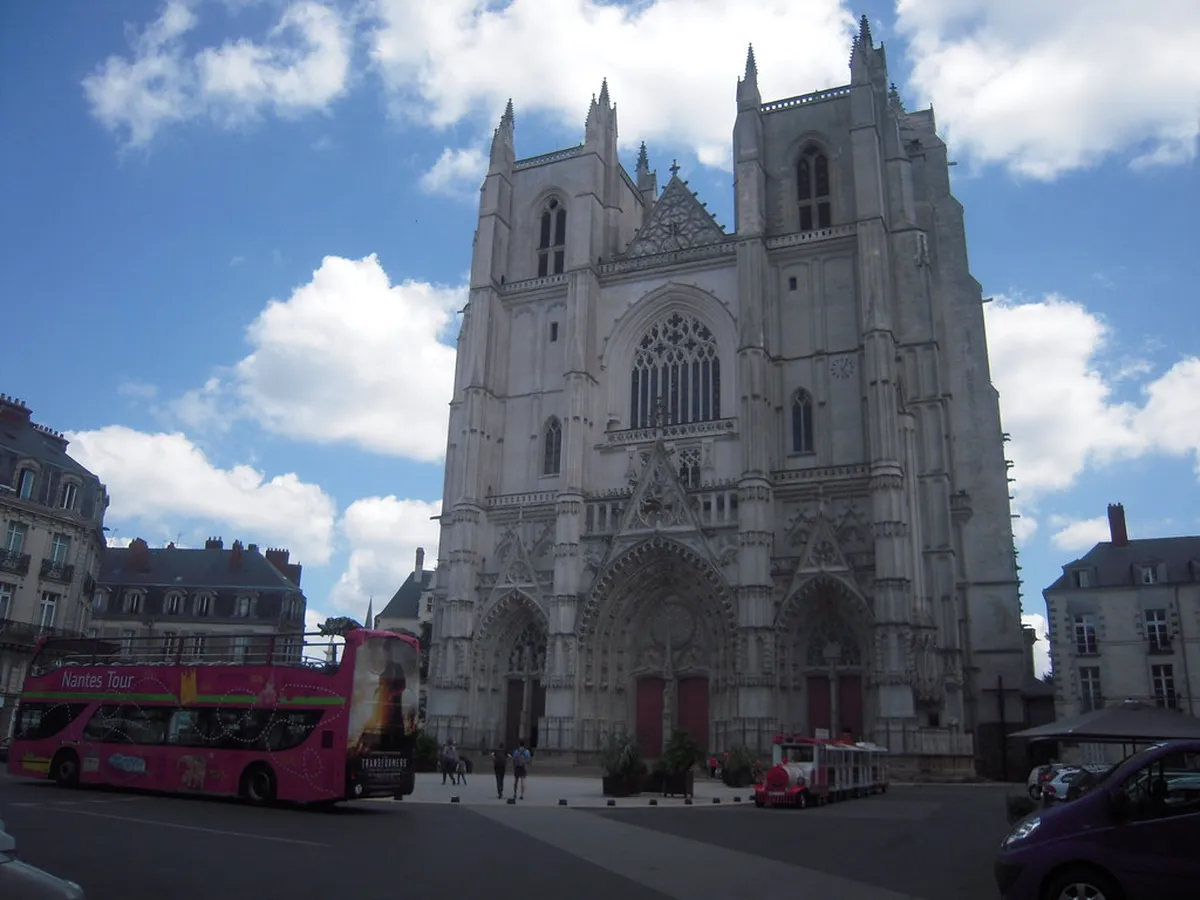
The western facade is a masterpiece of Flamboyant Gothic. This style is known for its flame-like patterns. Master mason Martin Chambiges designed this beautiful section. He was a leading architect of his time.
Ornate sculptures once covered most of the portals. Many were lost during the French Revolution in 1789. However, the stone carvings that remain are still impressive. They show biblical scenes and figures from history.
The central portal is much larger than the side doors. It features a stunning rose window high above it. The glass reflects the sunlight in vibrant colors. This creates a holy atmosphere for all who enter.
The north tower rises 62 meters into the air. It is named after Saint Peter the Apostle. This tower provides a great view of the city. It represents the height of 16th-century engineering skill.
Gargoyles and pinnacles decorate the upper levels of stone. These features served both functional and decorative purposes. They directed rainwater away from the foundation of walls. They also added beauty to the high roofline.
The Interior Grandeur and Nave Design
The interior of the cathedral is truly vast in scale. It measures 114 meters in total length. The central nave is 28.5 meters high. This height creates a feeling of great spiritual space.
Five aisles run the length of the cathedral building. This layout is rare for regional French cathedrals. It allows for a very wide and open floor. This design accommodates large crowds during major religious events.
Strong pillars support the weight of the heavy roof. These columns are clusters of smaller stone shafts. They draw the eye upward toward the ribbed vaults. The craftsmanship in the ceiling is truly exceptional.
A beautiful organ sits at the back of the nave. It was built during the 18th century for the church. The wooden case is carved with musical motifs. It still produces wonderful sounds for modern church services.
The choir area is enclosed by an elegant metal screen. This section contains stalls for the local clergy. The woodwork here is very detailed and refined. It shows the luxury of the late medieval period.
Stained Glass in Saint-Pierre-et-Saint-Paul Cathedral Architecture
The cathedral houses a world-class collection of stained glass. There are 1,500 square meters of windows in total. Some pieces date back to the early 1200s. Others were added during the late Renaissance era.
The glass acts as a colorful storybook for visitors. It depicts scenes from the Bible and local legends. The colors remain bright even after several centuries. This is due to the high quality of glass.
You can learn more about this at the Cité du Vitrail and stained glass heritage center. This museum is located nearby in the city. It explains how these windows were actually made. Master glaziers used lead and heat to create them.
The rose windows are the most famous glass features. They are located in the transept and west front. These windows look like blooming flowers made of light. They change color as the sun moves across sky.
Preservationists work hard to protect these fragile glass pieces. They use modern techniques to clean the ancient surfaces. This ensures the glass will last for future generations. The cathedral remains a top site for art lovers.
The Treasury and Sacred Relics
The cathedral treasury is one of the richest in France. It contains items made of gold and silver. Many of these pieces were brought from the East. They arrived in Troyes after the Fourth Crusade.
Reliquaries hold the remains of famous holy figures. These boxes are often decorated with precious gems. They show the wealth of the medieval church. The collection is open for public viewing today.
Ancient manuscripts are also kept within the safe treasury. These books were hand-painted by monks long ago. The colors and gold leaf are still very bright. They provide a look into medieval literary life.
Ivory carvings and silk fabrics are also on display. These items were very expensive during the Middle Ages. They show that Troyes was a wealthy trade hub. The cathedral reflected this local economic power well.
Visitors must buy a separate ticket for the treasury. This small fee helps maintain the delicate historic items. It is worth the cost for history enthusiasts. You will see things found nowhere else today.
Visiting the Cathedral in 2025
Planning a trip for 2025 is a great idea. The cathedral is open to the public daily. Most visitors spend at least one hour inside. There is no charge for general entry here.
You should check the schedule for mass times first. Some areas might be closed during religious services. Photography is allowed but you must be quiet. Respectful behavior is expected from every single visitor.
The surrounding neighborhood is perfect for walking tours. You can find more info on visiting Troyes monuments and museums online. There are many cafes and shops nearby. The cathedral is the heart of the old town.
Spring and fall are the best times to visit. The light in the cathedral is best then. You will avoid the largest summer tourist crowds. This makes for a much more peaceful experience.
Restoration projects are currently ongoing at the cathedral site. Some parts may be covered by scaffolding occasionally. This work is necessary to save the stone. It ensures the building remains safe for everyone.
Frequently Asked Questions
What is the primary style of the cathedral?
The cathedral is primarily built in the Gothic style. It features Early Gothic, Rayonnant, and Flamboyant elements. These styles reflect the long period of construction. The facade is a prime Flamboyant example.
Is the Troyes Cathedral free to enter?
Entry to the main cathedral is usually free. You may need to pay for the treasury. Donations are always welcomed by the local parish. This helps with the high cost of maintenance.
Who was the main architect of the facade?
Martin Chambiges was the main architect for the facade. He was a famous master mason from Paris. He also worked on cathedrals in Sens and Beauvais. His work is very detailed and ornate.
How long did it take to build?
Construction lasted for over 400 years in total. It began in 1208 and ended in the 17th century. Many delays occurred during this long time period. The cathedral was never officially finished as planned.
The Saint-Pierre-et-Saint-Paul Cathedral architecture is a must-see. It offers a deep look into French religious history. You should visit this site during your next trip. Experience the beauty of Gothic art in 2025.
Key Takeaways
- Construction lasted over 400 years starting in 1208.
- The western facade is a Flamboyant Gothic masterpiece.
- It contains 1,500 square meters of historic stained glass.
- The cathedral treasury houses rare medieval religious relics.
- General admission to the main cathedral is usually free.
Related reads: architecturebycity.com, architecture in troyes.