
Petit Trianon Neoclassical Design Guide
Explore the Petit Trianon neoclassical design in Versailles. Learn about its history, architecture, and 2025 tips for your visit to this French landmark.
On this page
The Petit Trianon neoclassical design is a gem in Versailles. This building offers a break from the grand palace. It sits in a quiet corner of the park. Visitors love its simple and elegant appearance.
King Louis XV commissioned the project in 1762. He wanted a place for his private life. The design reflects a change in royal taste. It is one of the most famous sites in France today.
The Evolution of Neoclassical Style
The Petit Trianon neoclassical design emerged during the mid-eighteenth century. It reacted against the older and fancy Baroque style. Architects wanted to return to basic shapes. This movement looked toward the ancient world for inspiration.
Rome and Greece provided the models for this new art. Designers favored straight lines over complex curves. This approach created a sense of calm and order. It became the dominant style for French royal buildings.
The project started as a garden pavilion for the King. It later became a full residence for Marie Antoinette. She loved the clean look of the stone walls. This building set the trend for many other structures.
The Palace of Versailles shows a great mix of styles. You can see how design changed over the centuries here. The Trianon represents the peak of the neoclassical era. It stands as a symbol of architectural logic.
The exterior remains largely unchanged since its completion. It uses high-quality limestone from local French quarries. This material gives the building a timeless quality. It looks fresh even after two hundred years.
Symmetrical Beauty of the Exterior
Symmetry is the heart of the Petit Trianon neoclassical design. The building is a perfect square on its base. Every window and door aligns with mathematical precision. This balance creates a very pleasing visual effect.
Each side of the house has a different decoration. One facade faces the French garden with grand columns. Another side faces the botanical garden with simple pilasters. These variations keep the design interesting for viewers.
The use of Corinthian columns is a key feature here. These pillars have decorative tops with leaf patterns. They add a touch of majesty to the small building. The columns follow the strict rules of Greek architecture.
A low roof helps the house blend into the trees. It does not try to dominate the landscape nearby. Instead, it feels like part of the natural surroundings. This harmony was very important to the original designers.
Large windows allow the sun to light every room. The glass reflects the green colors of the park. You can see the garden structures of Versailles from most floors. This connection to nature is a core principle here.
Ange-Jacques Gabriel's Design Vision
Ange-Jacques Gabriel was the lead architect for this project. He served as the First Architect to the King. His work defined the look of the neoclassical period. You can explore his architectural legacy in the city today.
Gabriel believed that beauty came from perfect proportions. He avoided using too much gold or heavy marble. His focus was on the quality of the stone. This was a bold choice for a royal building.
The floor plan of the house is very clever. It separates the service areas from the royal rooms. The ground floor housed the kitchen and storage spaces. The first floor was reserved for the royal family.
Gabriel used the terrain to his great advantage. One side of the house sits on a terrace. This makes the building look taller from certain angles. It shows his deep understanding of spatial planning.
His influence extended far beyond the walls of Versailles. Many architects in America and Europe copied his style. The Petit Trianon is often called his finest work. It remains a masterclass in elegant restraint.
Marie Antoinette and the Interior Art
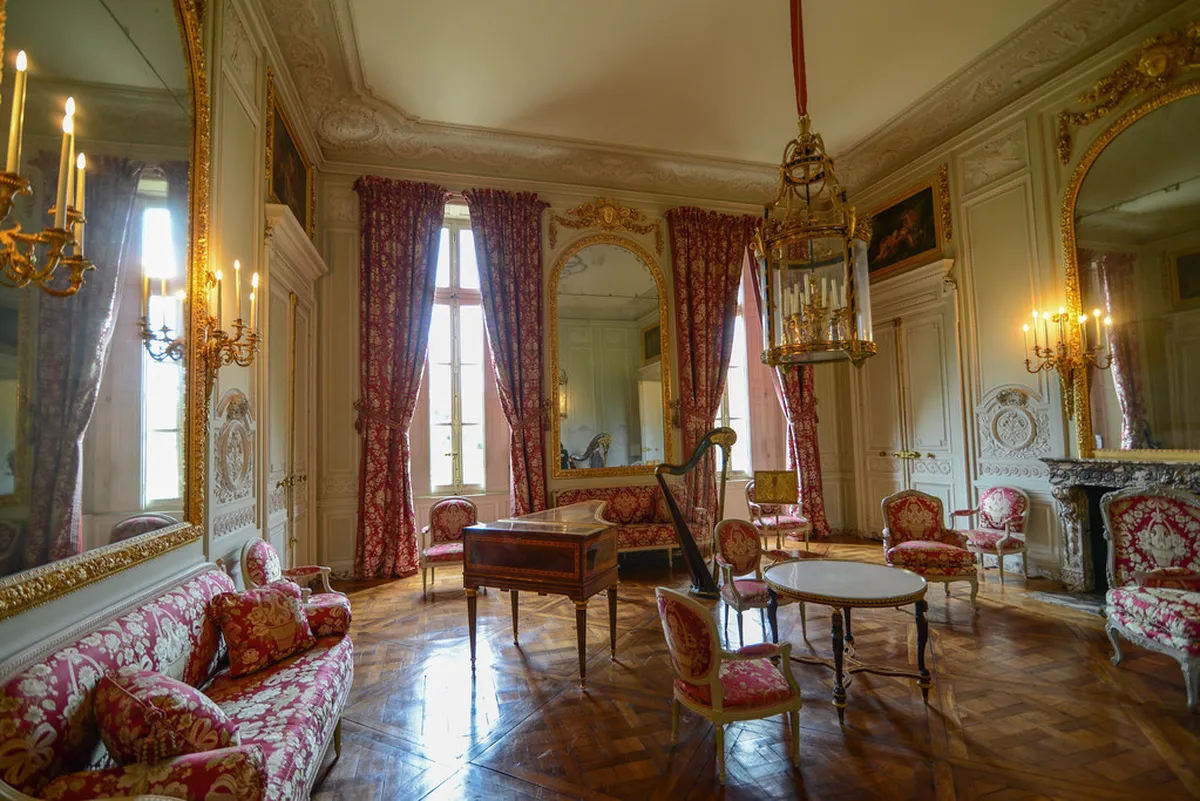
Marie Antoinette received the keys to the house in 1774. She made it her favorite place on the estate. The interiors reflect her personal and delicate taste. She preferred floral themes and light pastel colors.
The wood paneling inside features very fine carvings. Artists carved lilies and roses into the white walls. These details are subtle but extremely high quality. They match the elegant style of the time period.
The grand staircase is a highlight of the interior. It features a beautiful wrought iron banister with gold. This staircase feels light and airy compared to older ones. It connects the entrance to the main living rooms.
The dining room was a place for intimate parties. The Queen wanted to escape formal court life here. She often served her guests without many servants present. This created a relaxed atmosphere for her close friends.
Visitors today can still see the original furniture. The chairs and tables have straight legs and carvings. They represent the height of French craftsmanship in the 1780s. Each piece fits the neoclassical theme of the house.
The Role of the Estate Gardens
The gardens are essential to the Petit Trianon neoclassical design. They wrap around the building on all four sides. Each garden area has a very different character. This variety provides a rich experience for every visitor.
The French garden features geometric paths and trimmed hedges. It aligns perfectly with the main facade of the house. This area shows the human control over nature. It feels very formal and grand to walk through.
The English-Chinese garden offers a much more natural look. It has winding paths and a small stream. You will find the Temple of Love hidden among the trees here. This contrast makes the estate feel very large.
Architecture and nature work together in this specific spot. The plants highlight the clean lines of the stone walls. In the spring, the flowers add bright colors. In the fall, the orange leaves look stunning.
Many people visit for the Queen's Hamlet nearby. This area features rustic buildings with thatched roofs. It sits at the edge of the Trianon gardens. It provides a sharp contrast to the neoclassical house.
Practical 2025 Versailles Visitor Guide
Visiting the Petit Trianon in 2025 is a great idea. You should arrive at the estate in the afternoon. The Trianon buildings usually open at noon or later. This gives you time to see the palace first.
The cost for a ticket is around twelve euros. You can also buy a full passport ticket. This covers all the sites in the Versailles park. Check the official website for any holiday closures.
Walking is the best way to see the grounds. It takes about twenty minutes from the main gate. You can enjoy the fresh air and the scenery. Wear flat shoes for the gravel paths in Versailles.
The 2025 season will be busy during the summer. Try to visit on a weekday if possible. You can find the best photography spots for architecture early in the day. Early autumn is also a beautiful time to visit.
You can find small cafes near the Petit Trianon. They serve coffee, sandwiches, and light French snacks. This is a perfect place to rest your legs. Enjoy the view of the neoclassical walls while you eat.
Frequently Asked Questions
What defines the Petit Trianon neoclassical design?
The design is defined by its perfect symmetry and square shape. It features Corinthian columns and clean lines. These elements reflect the influence of ancient Greek architecture. It avoids the heavy decorations of the earlier Baroque period.
Who was the primary architect of the Petit Trianon?
Ange-Jacques Gabriel was the architect of this famous building. He was the official architect for King Louis XV. Gabriel is known for his mastery of proportion and stone. His work represents the peak of French neoclassical art.
Can I visit the Petit Trianon in 2025?
Yes, the estate is open to the public in 2025. You will need a specific ticket for the Trianon Estate. The buildings usually open in the early afternoon each day. Check the official schedule before you start your journey.
Why did Marie Antoinette love the Petit Trianon?
She loved the building because it offered privacy and peace. It was far away from the strict rules of the court. She enjoyed the simple interiors and the surrounding natural gardens. It allowed her to live a more relaxed life.
The Petit Trianon neoclassical design is a French treasure. It shows how simple shapes can create great beauty. You will enjoy exploring the quiet rooms and gardens. Plan your trip to Versailles in 2025 to see it today.
Key Takeaways
- Symmetry and proportion are core to the neoclassical design.
- Ange-Jacques Gabriel designed the building as a royal retreat.
- The estate features both formal French and natural English gardens.
- Marie Antoinette's personal style is visible in the interior decor.
- Visiting in 2025 requires booking tickets online for the best experience.