
Ange-Jacques Gabriel Architecture Legacy in Versailles
Explore the Ange-Jacques Gabriel architecture legacy in Versailles. Learn about the Petit Trianon neoclassical design and his 2025 travel impact.
On this page
The Ange-Jacques Gabriel architecture legacy represents the pinnacle of French design during the middle of the eighteenth century. Gabriel served as the First Architect to King Louis XV for over thirty years in France. His work successfully transitioned the royal court from heavy Baroque styles to light neoclassical forms. Visitors to Versailles in 2025 can still admire his perfectly balanced and elegant structures today.
This biographical feature explores the life and major works of this visionary French master architect. We will examine how his refined taste influenced the evolution of European building design forever. Gabriel brought a sense of Greek simplicity to the grand scale of the French monarchy. His influence remains visible in almost every corner of the historic city of Versailles.
The Early Life of a Royal Architect
Ange-Jacques Gabriel was born into a legendary dynasty of master builders and designers in 1698. His father Jacques Gabriel was a prominent architect who worked closely with the royal French family. Young Gabriel learned the technical aspects of construction and aesthetic theory from a very early age. He eventually succeeded his father as the First Architect to the King in 1742.
The royal architect spent his early career mastering the complex requirements of the vast Versailles palace. He understood that the monarchy needed buildings that expressed both power and modern architectural refinement. Gabriel focused on creating spaces that felt intimate yet maintained a sense of royal grandeur. His early projects demonstrated a clear departure from the ornate styles favored by Louis XIV.
During this period he developed a deep appreciation for the mathematical precision of classical architecture. He studied ancient Roman and Greek designs to find inspiration for his own unique creative vision. This dedication to classical rules became the foundation of the famous Ange-Jacques Gabriel architecture legacy. He sought to create a timeless look that would outlast the changing fashions of the court.
By the middle of his career he had become the most influential designer in all of France. The King trusted Gabriel with the most important and expensive construction projects across the entire country. His work helped define the visual identity of the Enlightenment period through stone and glass. Gabriel remained a loyal servant to the crown until his eventual retirement in 1775.
Defining the Petit Trianon Neoclassical Design
Many historians consider the Petit Trianon neoclassical design to be his most perfect and complete architectural achievement. Gabriel designed this private villa for Madame de Pompadour between the years 1762 and 1768. The building stands in the gardens of Versailles as a monument to simplicity and perfect proportions. It represents a total rejection of the curved and messy lines found in Rococo art.
The structure features a cubic shape with four distinct facades that each face a different garden area. Gabriel used the Corinthian order of columns to add a sense of rhythmic beauty to the exterior. Each detail of the building was carefully calculated to create a feeling of total visual harmony. This project proved that a small building could be just as impressive as a massive palace.
Inside the villa the rooms reflect a new desire for privacy and comfort among the French elite. Gabriel focused on clean lines and subtle decorations that complemented the natural light from the large windows. The interior spaces flow logically from one room to the next without any unnecessary or distracting elements. This approach influenced domestic architecture across the European continent for the next hundred years.
Today the Petit Trianon remains one of the most popular sites for tourists visiting Versailles in 2025. It offers a unique look at how the royal family lived away from the formal court rules. The building costs at the time were high because of the fine stone and skilled labor. You can still see the original stonework and delicate carvings on the pillars and the walls.
The Innovation of the Royal Opera House
The Versailles Royal Opera House architecture is another major component of the Ange-Jacques Gabriel architecture legacy. Gabriel faced many challenges when he started this massive project for the marriage of the future King. He had to build a grand theater that could also serve as a ballroom or banquet hall. The construction required incredible engineering skills to ensure the safety and comfort of the royal guests.
Gabriel chose to build the interior primarily out of wood which he painted to look like marble. This clever choice of material provided the theater with excellent acoustics that are still praised by musicians. The oval shape of the room allowed every guest to have a clear view of the stage. He integrated advanced mechanical systems that could raise the floor to the level of the stage.
The decorative scheme uses gold and blue colors to reflect the power and wealth of the French monarchy. Large mirrors were placed strategically to reflect the candlelight and make the space feel even more vast. Gabriel balanced the massive scale of the theater with delicate neoclassical details that softened the overall look. It was finally completed in 1770 just in time for the royal wedding festivities.
Modern visitors can still attend performances in this historic venue during the busy 2025 tourist season. The building remains a functional masterpiece that serves its original purpose over two centuries after its completion. Tickets for tours or shows should be booked many months in advance due to high demand. Experiencing the acoustics in person is a highlight for any lover of historic French building design.
A Shift from Baroque to French Neoclassicism
The work of Gabriel marked a significant turning point in the history of Western European building styles. He successfully moved French architecture away from the dramatic and emotional intensity of the Baroque period. His designs favored logic and clear geometry over the chaotic energy of the previous century's popular works. This shift mirrored the intellectual changes happening during the Age of Reason in 18th-century France.
The Ange-Jacques Gabriel architecture legacy is defined by a sense of restraint and quiet architectural dignity. He used classical elements like pediments and columns with a new level of sophistication and grace. His buildings do not shout for attention but rather command respect through their perfect and balanced forms. This style became known as the Louis XV style but it was truly Gabriel's vision.
Architects across the world began to copy his methods for creating grand public spaces and private villas. The influence of his work can be seen in the neoclassical buildings of London and Washington D.C. He proved that classical rules could be adapted to meet the needs of a modern state. His legacy is one of order and beauty during a time of great social change.
In Versailles you can see this transition by comparing his work to the older parts of the palace. The contrast between the Hall of Mirrors and the Petit Trianon shows the evolution of French taste. Gabriel brought a fresh perspective that focused on the essential beauty of stone and mathematical proportion. His buildings continue to inspire students of architecture who study his work in the modern day.
Major Urban Projects and the Place de la Concorde
Beyond the palace walls Gabriel was also responsible for some of the most famous urban spaces in Paris. He designed the Place Louis XV which is known today as the iconic Place de la Concorde. This massive public square was designed to connect the Tuileries Gardens with the famous Champs-Élysées. It features two large buildings with grand colonnades that perfectly frame the view of the city.
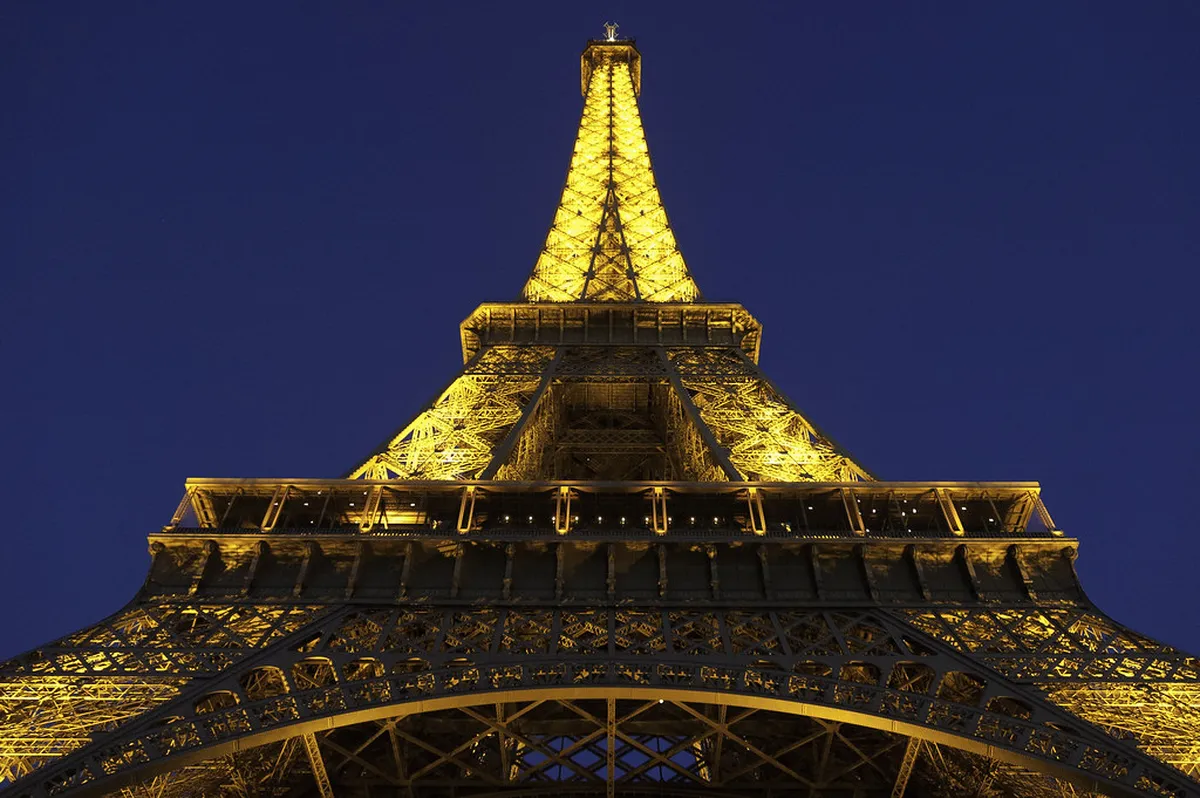
He also designed the École Militaire which serves as a majestic backdrop to the modern Eiffel Tower. This military academy showcases his ability to design buildings that are both functional and visually impressive. The facade of the building uses the same neoclassical principles found in his work at Versailles. Gabriel understood how to use architecture to define the character of an entire urban neighborhood.
His urban planning projects focused on creating wide open spaces that allowed for better movement and air. He integrated nature and architecture by including large squares and gardens within his complex city designs. These projects helped transform Paris into the beautiful and grand capital that we recognize today. Gabriel was a master of both small intimate spaces and massive urban landscapes across France.
The Ange-Jacques Gabriel architecture legacy is therefore not limited to the royal court in Versailles alone. His impact on the streetscape of Paris is just as significant as his work for the King. Walking through these public spaces allows you to experience the scale and logic of his design philosophy. These sites remain essential stops for anyone interested in the history of French urban planning.
Planning Your 2025 Architecture Tour in Versailles
If you are visiting Versailles for architecture lovers in 2025 you must plan your itinerary carefully. The works of Gabriel are spread out across the massive estate and require several hours to see. Start your morning at the main palace to view the Royal Opera House before the crowds arrive. This allows you to appreciate the details of the wood and gold carvings in peace.
After lunch you should walk toward the Grand Canal to reach the beautiful Petit Trianon estate. The walk takes about twenty-five minutes from the main palace entrance through the historic royal gardens. You can also take a small shuttle train if you prefer to save your energy for exploring. Be sure to check the opening times as the Trianon area usually opens in the afternoon.
The cost of a full estate passport in 2025 is approximately twenty-eight Euros for an adult ticket. This ticket grants you access to all of Gabriel's masterpieces including the Opera and the Trianon. We recommend visiting on a weekday to avoid the largest crowds that arrive during the busy weekends. Wear comfortable shoes because you will be walking several miles to see every important architectural site.
Photography is allowed in most areas but you should avoid using a flash inside the historic rooms. The light from the large windows provides the best conditions for capturing the beauty of the neoclassical designs. Take your time to study the proportions of the facades and the intricate details of the masonry. Visiting these sites provides a deep connection to the history of French art and royal culture.
Frequently Asked Questions
What is the most famous work in the Ange-Jacques Gabriel architecture legacy?
The Petit Trianon is widely considered his most famous and influential work in Versailles. It perfectly illustrates the shift toward neoclassical design that Gabriel championed throughout his long career. This building is celebrated for its balanced proportions and its elegant use of classical Greek elements. It remains a must-see destination for any architecture enthusiast visiting the French palace in 2025.
How did Ange-Jacques Gabriel influence the neoclassical movement?
Gabriel moved away from the heavy ornamentation of the Baroque and Rococo styles in favor of simplicity. He used classical orders like Corinthian and Ionic columns to create a sense of timeless order. His focus on geometric shapes and mathematical harmony became the standard for neoclassical architecture across Europe. Many later architects studied his work at Versailles to learn the principles of French classicism.
When was the Royal Opera House at Versailles completed?
The Royal Opera House was completed in 1770 to celebrate the wedding of the future King Louis XVI. Gabriel designed the structure to be multi-functional and it featured innovative wooden construction for better acoustics. It took many years to finish due to the high costs and the technical complexity of the project. Today it is one of the most beautiful and acoustically perfect theaters in the world.
The Ange-Jacques Gabriel architecture legacy continues to define the elegance and beauty of the city of Versailles. His transition from Baroque complexity to neoclassical clarity changed the course of European design history forever. Visitors in 2025 can experience his genius through the Petit Trianon and the Royal Opera House. Please book your next trip to France to see these incredible stone masterpieces in person soon.
Key Takeaways
- Ange-Jacques Gabriel was the leading architect of French Neoclassicism under King Louis XV.
- The Petit Trianon is a masterpiece of balanced proportions and classical Greek architectural influence.
- The Royal Opera House in Versailles is famous for its innovative use of wood for acoustics.
- Gabriel's urban projects like Place de la Concorde shaped the modern look of the city of Paris.
Related reads: architecturebycity.com, architecture in versailles, the temple of love architectural features.