
Discover the Aix-en-Provence Town Hall Facade
See the stunning Aix-en-Provence Town Hall facade in 2025. Learn about its Baroque history and architectural details. Plan your trip to France today!
On this page
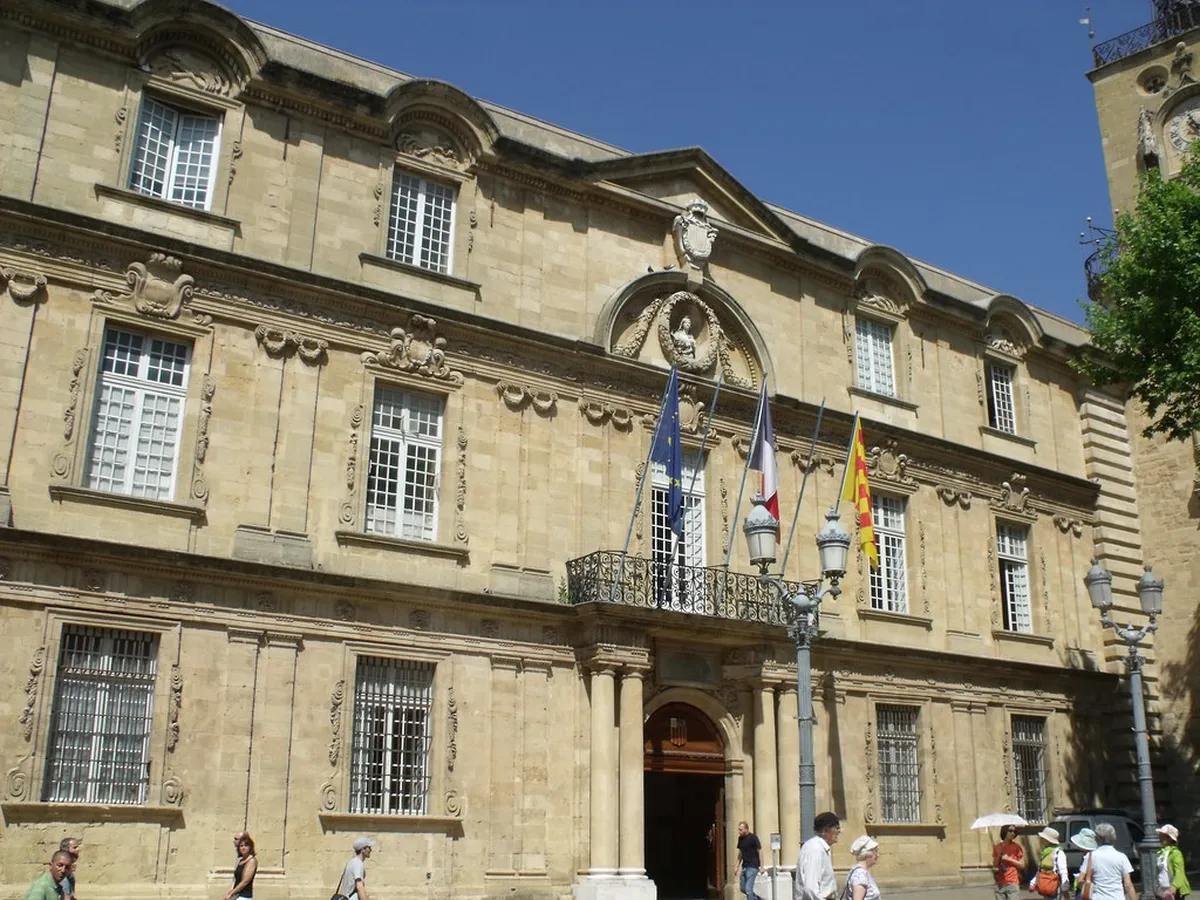
Aix-en-Provence serves as a premier destination for lovers of French history and stunning urban design. The city features golden limestone buildings that glow warmly under the bright Mediterranean sun. You will find the magnificent Aix-en-Provence Town Hall facade standing proudly in the historic center. This grand structure represents the impressive peak of local civil engineering during the seventeenth century.
The building stands as a testament to the cultural wealth of the ancient Provencal capital. Visitors often stop to admire the detailed carvings that decorate the massive wooden entrance doors. It remains one of the most photographed sites within the charming streets of the Old Town. This guide will provide everything you need to know for your upcoming visit in 2025.
Origins of the Aix-en-Provence Town Hall Facade
The project began in the middle of the seventeenth century to replace a much smaller building. The architect Pierre Pavillon worked closely with local leaders to create a symbol of city pride. Construction lasted from sixteen fifty-five until sixteen seventy-eight during a time of great local growth. The final result was a massive three-story structure that dominated the landscape of the central square.
The stone used for the construction came from the nearby quarries located in the Bibemus area. This specific type of limestone is famous for its warm honey color and its durable nature. The facade showcases a perfect balance between traditional French styles and newer artistic trends of Italy. You can see how the horizontal lines of the building create a sense of lasting stability.
Each level of the building features different decorative elements that add to the overall visual complexity. The ground floor serves as a solid base with heavy stones and large arched entrance ways. Moving up to the second floor reveals more delicate carvings and elegant balconies made of iron. The top level finishes the design with smaller windows and a decorative roof line for visitors.
This landmark has undergone several restorations to ensure the stone remains in excellent condition for tourists. The most recent cleaning took place to remove dirt and pollution from the historic town center. Today the facade looks just as vibrant as it did when it was first completed long ago. History enthusiasts often spend hours examining the small details hidden within the intricate stone work carvings.
The building reflects the political changes that happened in Provence during the reign of King Louis. It served as a meeting place for the local parliament and the influential leaders of the city. Walking past the entrance allows you to imagine the busy scenes of government life in the past. This site is essential for understanding the historical development of the region over many different centuries.
Architectural Details of the Grand Exterior
The exterior design displays many unique features that define Baroque architecture in Aix-en-Provence for modern travelers. The ironwork on the balconies provides a wonderful example of the metalworking skills of the period. The curved shapes and decorative masks above the windows are typical of the grand Baroque artistic style. The facade uses light and shadow to create a dynamic appearance that changes throughout the day.
You will notice the following key elements as you stand in the middle of the public square:
- Decorative Pediments: Triangular shapes that sit above the main windows to add a classical touch.
- Iron Balconies: Intricate metal patterns that were hand-forged by local craftsmen during the seventeenth century.
- Engaged Columns: Vertical structures that are built into the wall to provide a sense of grandeur.
- Carved Doors: Massive oak panels featuring detailed sculptures of mythical figures and regional floral patterns.
The central doorway is particularly impressive because of its massive scale and very fine decorative carvings. It features heavy oak panels that have survived many centuries of use and the harsh local weather. The sculptural work above the windows highlights the artistic transition into the high Baroque period styles. These details make the Aix-en-Provence Town Hall facade a masterclass in French civic architecture and design.
Each window is framed by stone moldings that create a rhythmic pattern across the entire front surface. This symmetry is a hallmark of the classical influence that was very popular during the construction phase. The designers wanted to convey a sense of order and power through these precise architectural arrangements. Modern architects still study these proportions when they look for inspiration from the historical French classical era.
The roofline is punctuated by small dormer windows that add a touch of charm to the massive structure. These windows allowed light to reach the attic spaces where records were kept in the early years. The contrast between the heavy base and the lighter upper elements creates a very pleasing visual balance. You should take a moment to look up and see the carved stone fruit hanging from the corners.
Baroque Architecture in Aix-en-Provence
The town hall is the most famous example of the wider Baroque movement within the local city. This style spread through the streets as wealthy families built their own private mansions in the area. The use of rich decorations and grand entrances became a way for people to show their status. You can see this influence on almost every corner of the historic Quartier Mazarin district today.
Architects in the region were heavily influenced by the artistic trends coming from nearby Italy during that time. They combined these foreign ideas with local materials to create a style that is unique to Provence. The warm stone and bright light make the Baroque details stand out more than in northern France. This regional variation is what makes the architecture of the city so special for many modern visitors.
The focus on movement and drama is evident in the way the stone carvings seem to flow. Artists used scrolls and leaves to decorate the spaces between the windows and the main structural beams. This creates a sense of luxury that was intended to impress any visiting dignitaries from the capital. The town hall facade remains the most public display of this decorative and very expensive building style.
While many buildings in the city have changed over time, the town hall retains its original character. The preservation of these Baroque details allows us to step back into the world of the seventeenth century. It serves as a physical link to the time when the city was a major cultural center. Walking through the square feels like visiting an open-air museum dedicated to the beauty of French design.
Many other structures in the city share the same golden stone and decorative philosophy as the town hall. You can find similar carvings on the fountains and the portals of the nearby private residential homes. This creates a unified aesthetic that makes the entire old town feel like a single work of art. The town hall simply acts as the grand centerpiece for this entire collection of historic Baroque buildings.
The Iconic Clock Tower and Public Square
The Tour de l'Horloge stands immediately next to the town hall and adds to the historic atmosphere. This clock tower was built much earlier than the town hall but the two structures complement each other. It features a beautiful astronomical clock that has been telling the time for over four hundred years. The combination of the tower and the facade creates a perfect backdrop for your travel photos.
The square in front of the building is called the Place de l'Hôtel de Ville by the locals. It is a lively place where people gather to enjoy the sunny Provencal weather together every day. Many local cafes offer a perfect view of the historic facade while you enjoy your morning coffee. The sound of the nearby fountain adds a relaxing soundtrack to your exploration of the city center.
During the market days, the square transforms into a busy hub of local trade and vibrant colors. You can find fresh flowers and local crafts being sold right in front of the town hall. The contrast between the temporary market stalls and the permanent stone facade is a wonderful sight to see. This is the best time to experience the true spirit of life in a Provencal town.
The clock tower also features seasonal statues that change as the different times of the year pass by. These wooden figures represent the four seasons and move automatically as the clock strikes the main hours. It is a rare piece of mechanical history that continues to delight both children and adults in 2025. Be sure to wait for the top of the hour to see the mechanism in action.
The layout of the square has remained largely unchanged for many centuries despite the growth of the city. This allows the Aix-en-Provence Town Hall facade to remain the focal point of the entire civic district. The surrounding buildings are also protected by law to ensure the historic view is never blocked or ruined. It is a rare example of successful urban preservation in the heart of a modern French city.
Practical Visitor Tips for the 2025 Season
Visiting this site is easy because it is located right in the middle of the main pedestrian zone. You can join one of the many architecture walking tours that depart from the nearby tourist office. These tours usually cost around fifteen euros per person and last for approximately two hours total. The office is located just a short walk away from the town hall in the center.
The square is most busy during the mornings when the local markets are set up for the public. If you prefer a quiet experience, try visiting in the late afternoon when the crowds have gone away. The light during the sunset hours makes the golden stone of the facade look even more beautiful. Most of the cafes nearby are open until late in the evening for your dining convenience.
You can enter the inner courtyard of the town hall for free during the normal working week hours. This allows you to see the architectural details from the inside and enjoy the peaceful atmosphere there. Please remember that this is still a functioning government building with many busy offices and working staff. Keep your voice low and be respectful of the people who are working inside the historic building.
Public transportation in the city is very efficient and there are several bus stops near the town hall. If you are driving, it is best to use one of the parking garages outside the center. Walking is the best way to explore the area because most of the streets are for pedestrians only. This ensures that you can take your time and see all the small details without any traffic.
There are many other historic sites located within a five-minute walk from the main town hall square area. You can visit the cathedral or explore the many fountains that make the city so famous for visitors. Planning to spend at least half a day in this district will allow you to see everything properly. The year 2025 is expected to be a popular time for tourism in the southern French region.
Best Photography Spots for the Facade
There are many amazing architecture photography spots in Aix-en-Provence near the main town hall. The square in front of the building offers plenty of room for setting up your tripod properly. Try to visit during the golden hour to capture the warm light on the yellow limestone stone. The contrast between the bright sky and the historic facade makes for a truly stunning travel image.
For a unique angle, try standing near the fountain to include water in the foreground of your shot. This adds a sense of depth and interest to the composition of the architectural photo you take. You can also use the narrow side streets to frame the facade between the older residential buildings. These perspectives help to show the massive scale of the town hall compared to the surrounding houses.
Close-up shots are perfect for capturing the intricate carvings on the doors and the delicate iron balcony work. A zoom lens will help you see the details on the upper floors that are hard to see. Look for the decorative masks and the small stone figures that are hidden within the grand design elements. These small features often tell the most interesting stories about the history of the building itself.
Night photography is also a great option because the building is beautifully lit by many large spotlights. The shadows created by the lights highlight the three-dimensional nature of the Baroque carvings and the stone columns. It is much quieter at night which makes it easier to take long exposure photos without any people. The square feels very magical when the historic street lamps are glowing against the dark night sky.
Always check the local weather forecast before you plan your photography session to ensure you have clear skies. A bright blue sky provides a perfect background for the warm yellow tones of the Provencal limestone stone. Spring and fall offer the best light conditions because the sun is lower in the southern French sky. You will find that every hour of the day provides a different look for this iconic facade.
Frequently Asked Questions
Is the Aix-en-Provence Town Hall open to the public?
The exterior facade is always visible to people walking through the historic heart of the city. You can enter the inner courtyard during normal business hours from Monday through Friday each week. There is no cost to enter the courtyard and admire the architecture from the inside area. Most offices are private but the public spaces are very welcoming to tourists and local visitors.
Who was the architect of the Town Hall facade?
The primary architect for the project was a talented man named Pierre Pavillon from the local area. He worked diligently to ensure every stone was placed according to the detailed plans of the council. The construction was a major undertaking that required the skills of many different types of local artisans. His work remains a defining feature of the city's architectural identity in the twenty-first century.
What are the best days to visit the square?
Tuesday and Thursday and Saturday are the official market days in the town hall square for the public. These days offer a vibrant atmosphere with many local vendors selling flowers and fresh produce and crafts. If you prefer a quieter visit for photography then Monday or Wednesday would be a better choice. The square is always accessible but the market adds a special local character to the entire experience.
How old is the Aix-en-Provence Town Hall?
The current building was constructed between sixteen fifty-five and sixteen seventy-eight during the grand Baroque period. It was built on the site of an older municipal structure that had become too small for the city. This means the building is over three hundred and fifty years old and has survived many changes. It has been carefully maintained to ensure its beauty remains for future generations of travelers to enjoy.
The Aix-en-Provence Town Hall facade is a true masterpiece that captures the elegance of the French Baroque style. Whether you are an architecture student or a casual tourist, this building offers something beautiful for everyone to see. Plan your visit for 2025 to experience the history and the culture of this stunning Provencal landmark. Do not forget to bring your camera to capture the golden light on the ancient stone walls.
Key Takeaways
- Visit during the golden hour for the best architectural photography opportunities.
- Explore the inner courtyard during the week for a peaceful view of the interior.
- Attend the local market on Saturdays to see the square full of life and color.
- Look for the Tour de l'Horloge located right next to the main town hall building.
Related reads: architecturebycity.com, architecture in aix en provence, pierre puget works in provence.