
Pierre Puget Works in Provence: A Baroque Guide
Explore the stunning Pierre Puget works in Provence. Learn about his Baroque masterpieces in Aix-en-Provence. Plan your 2025 architectural tour now!
On this page
Pierre Puget was a legendary artist known as the Michelangelo of France during the seventeenth century. He created many stunning Pierre Puget works in Provence that tourists still visit and admire today. His unique style blended dramatic sculpture with grand architectural designs across many famous southern French cities. You can find his lasting legacy throughout the streets of beautiful Aix-en-Provence and nearby Marseille.
Pierre Puget was a master of the French Baroque era who lived from 1620 until 1694. He remains famous for creating many iconic Pierre Puget works in Provence during his long career. His artistic vision transformed the landscape of Aix-en-Provence through his complex and emotive sculptural designs. Travelers visiting France in 2025 will find his influence in many historic buildings and public squares.
Early Life and Artistic Education of Pierre Puget
Pierre Puget was born in the busy port city of Marseille during the early seventeenth century. He began his artistic journey as a young apprentice carver on ships in the local harbor. This early experience helped him develop a deep understanding of wood and stone as durable creative materials. His natural talent soon led him to travel across Europe to seek more advanced training.
He spent several formative years in Rome studying under the famous master painter Pietro da Cortona. This period exposed him to the grand scale and dramatic energy of the Italian Baroque style. He learned how to combine movement and emotion in ways that were completely new to French art. These lessons would eventually shape all of the iconic Pierre Puget works in Provence we see today.
Upon returning to France, Puget quickly gained a reputation for his bold and innovative artistic approach. He refused to follow the strict rules set by the royal court in Paris at the time. Instead, he preferred the creative freedom he found while working in the warm southern regions of France. His independent spirit allowed him to create works that felt alive and filled with genuine human passion.
Many historians consider him to be the most important sculptor of the reign of King Louis XIV. While he worked on projects for the king, his heart remained connected to the Provencal landscape. He used the local light and atmosphere to enhance the three-dimensional quality of his massive stone sculptures. This connection to the region is visible in every project he completed during his long life.
Puget was not only a sculptor but also a talented painter and a visionary architect. He believed that all forms of art should work together to create a unified visual experience. This philosophy is a key part of the Baroque architecture in Aix-en-Provence today. His ability to master multiple disciplines made him a true Renaissance man of the seventeenth century.
The Scuptural Genius of Pierre Puget Works in Provence
The most famous Pierre Puget works in Provence often feature powerful human figures known as Atlantes. These muscular stone carvings appear to hold up the weight of heavy balconies or ornate building facades. They represent the physical struggle and strength that Puget admired in the classical stories of the past. You can find these impressive figures guarding the entrances of several historic buildings in the region.
His sculptures are known for their incredible realism and the way they capture frozen moments of action. He carved muscle, bone, and even veins into the hard stone with amazing precision and care. This level of detail was rare during his time and set his work apart from others. Modern visitors are often shocked by how lifelike these centuries-old statues appear in the bright sunlight.
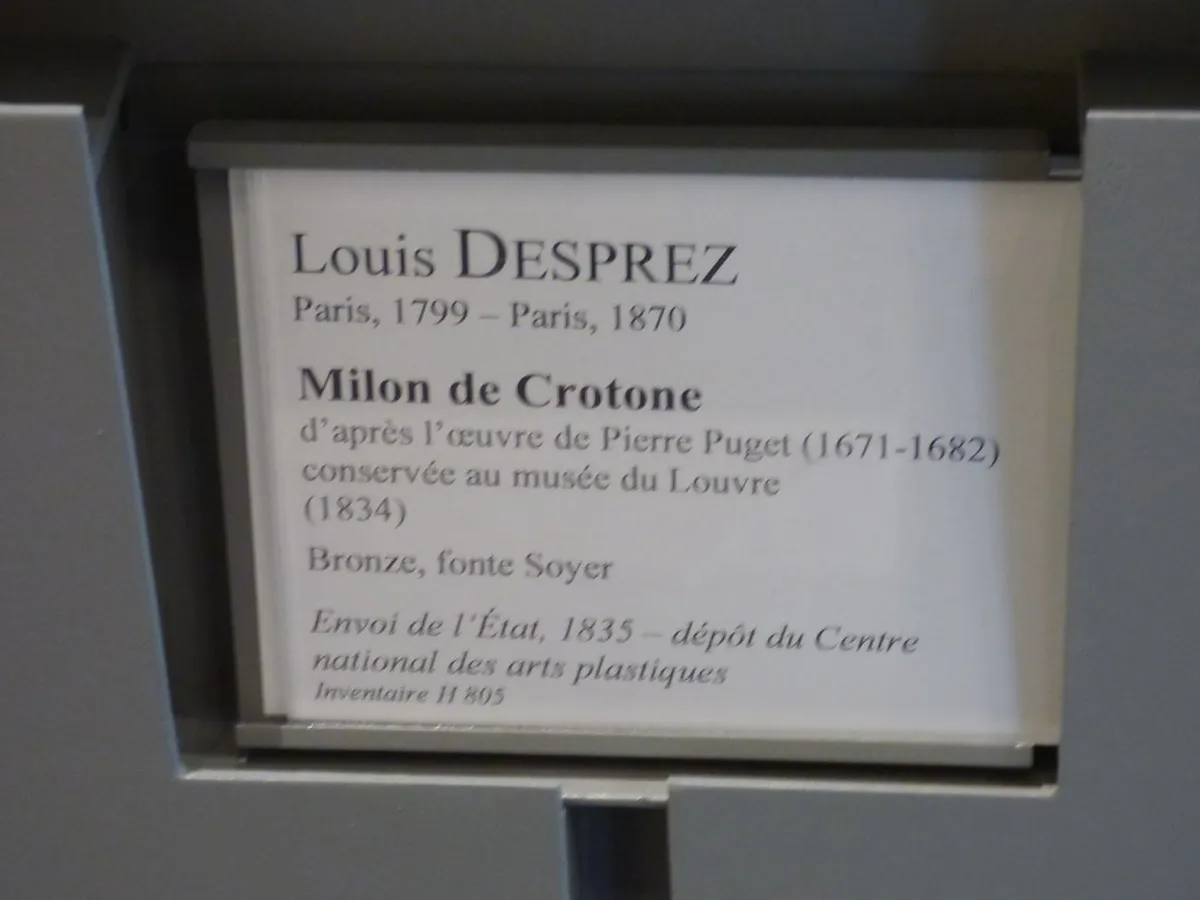
One of his greatest sculptural achievements is the Milo of Croton, which currently resides in the Louvre. However, his influence on local sculpture in Aix-en-Provence remains visible in many private mansion courtyards. Local artists studied his techniques to create their own expressive decorations for the wealthy nobility of Provence. This ripple effect helped turn the city into a center for artistic excellence during the Baroque period.
The Italianate influence on Provencal Baroque is most evident in these grand and dramatic sculptural elements. Puget brought a sense of theatrical flair to the streets of southern France through his dynamic designs. Every curve and shadow in his work was planned to create a sense of awe and wonder. These elements transformed simple buildings into massive pieces of public art for everyone to enjoy.
Even his smaller works show a level of craftsmanship that is truly hard to find elsewhere. He often included intricate details like flowing hair or delicate fabrics made entirely from solid white marble. These fine touches show his dedication to perfection and his deep love for the craft of sculpting. Taking time to look closely at his work reveals new details with every single visit.
The Enduring Architectural Legacy in Aix-en-Provence
Puget's impact on architecture is just as significant as his contributions to the world of fine sculpture. He designed buildings that used space and light to create a feeling of grandness and rhythmic movement. His architectural plans often included wide staircases and elegant courtyards that welcomed guests with style. These features became standard elements for the high-end homes built in the city during his era.
The city of Aix-en-Provence still carries the visual mark of his unique and powerful design aesthetic. Many of the grand townhouses in the Quartier Mazarin reflect the principles that Puget championed throughout his life. He believed that a building should reflect the status and the personality of its owner through art. This idea led to the creation of some of the most beautiful streetscapes in all of France.
While he did not design every building, his style served as a primary template for local architects. They borrowed his use of arched windows and decorative pediments to decorate the facades of new mansions. This shared vision created a sense of harmony across the historic center of the city of Aix. Walking through these streets feels like stepping back into a world of seventeenth-century luxury and grace.
Many of his architectural drawings are still studied by students who want to learn about classical proportions. He had a gift for balancing massive stone structures with delicate and refined decorative details. This balance is what makes his work feel both strong and incredibly elegant at the same time. You can see this mastery in the way buildings interact with the surrounding public squares and fountains.
His legacy is preserved through careful restoration projects that happen in Aix-en-Provence every few years. Experts work hard to ensure that the stone and the carvings remain in excellent condition for future generations. These efforts allow the Pierre Puget works in Provence to shine as brightly as they did long ago. Visitors in 2025 will see these landmarks looking their absolute best after recent cleaning and repairs.
Practical Tips for Visiting Puget Sites in 2025
Planning a trip to see the Pierre Puget works in Provence requires some simple and strategic preparation. Start your journey in the city center of Aix-en-Provence where most of the historic sites are located. Many of the buildings are within easy walking distance of the famous Cours Mirabeau and the town hall. You should allow at least a full day to explore the different neighborhoods at a relaxed pace.
The best way to learn the history is by booking Aix-en-Provence architecture walking tours online. These guided walks provide expert context that you might miss if you are exploring the city on your own. Most tours are available in English and French and start near the local tourism office every morning. Prices usually range from twenty to thirty Euros depending on the length of the specific tour.
You should also visit the local museums to see smaller sketches and original models made by Puget himself. The Granet Museum often features exhibitions related to the Baroque period and the artists who shaped the region. Entry fees for adults are usually around ten Euros, and the museum is open from Tuesday through Sunday. Checking the museum website before you go will provide the most current opening hours for 2025.
Photography is allowed in most public areas, but you should always be respectful of private residents and homes. Use a wide-angle lens to capture the full scale of the grand facades and the towering Atlantes sculptures. The early morning light provides the best conditions for capturing the warm colors of the local stone buildings. Be sure to bring extra batteries because you will likely take many photos throughout your busy day.
Wear comfortable shoes because you will spend several hours walking on old and often uneven stone paths. The weather in Provence is usually sunny, so remember to bring a hat and plenty of water with you. Many small cafes offer perfect spots to rest and enjoy a coffee while you admire the local architecture. Enjoying a slow pace will help you truly appreciate the fine details of Puget's incredible artistic vision.
Frequently Asked Questions
Who exactly was the artist known as Pierre Puget?
He was a famous seventeenth-century French artist who excelled in painting, sculpture, and grand architectural design. His work helped define the Baroque style across southern France and influenced many other local artists.
Where are the best Pierre Puget works in Provence located?
You can find his major projects in Marseille and Toulon, along with many buildings in Aix-en-Provence. Look for the dramatic stone figures and ornate balconies that decorate the historic city center facades.
How can I see these Baroque architectural sites in 2025?
The best way is to take a guided walk through the Quartier Mazarin in Aix-en-Provence. Many sites are free to view from the street and are open to the public all year.
Exploring the Pierre Puget works in Provence offers a deep look into the heart of French history. These timeless masterpieces continue to inspire artists and travelers who visit the region every single year. Make sure to bring your camera to capture the stunning details of these ancient Baroque stone carvings. Book your travel arrangements today to experience the incredible beauty of seventeenth-century France for yourself.
Key Takeaways
- Study the Atlantes sculptures on historic facades for true Baroque power.
- Visit local museums like the Granet for original sketches and scale models.
- Join a guided walking tour to find hidden Puget-inspired gems in the city.
Related reads: architecturebycity.com, architecture in aix en provence, aix en provence town hall facade.