
Fontaine de la Rotonde Construction in Aix-en-Provence
Explore the Fontaine de la Rotonde construction in Aix-en-Provence. Learn about its 19th-century history and plan your 2025 visit with our expert guide.
On this page
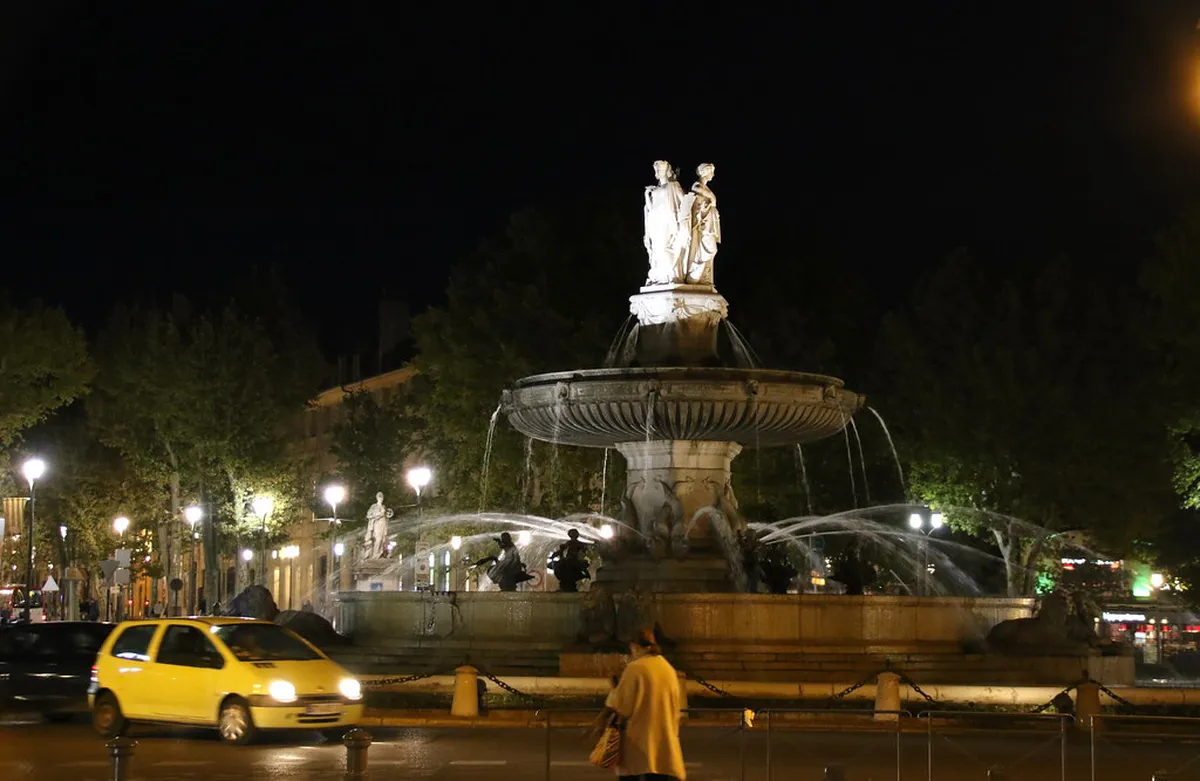
Aix-en-Provence is famous for its elegant streets and its beautiful collection of historic water features. The Fontaine de la Rotonde construction represents the peak of hydraulic engineering in the nineteenth century. This monument serves as a welcoming gateway for those entering the city from the main roads. Visitors in 2025 will find this site at the busy intersection of the famous Cours Mirabeau.
This landmark reflects the ambition of a growing city during the height of the French Second Empire era. It provides a stunning focal point for tourists and locals who walk through the heart of town. Many travelers stop here to photograph the intricate bronze sculptures and the large limestone basins daily. Understanding the history of this site enriches any walking tour through the beautiful Provencal streets.
The 1860 Fontaine de la Rotonde Construction Era
The Fontaine de la Rotonde construction began in 1860 under the direction of the engineer Théophile de Tournadre. This project aimed to celebrate the arrival of fresh water from the newly built Canal du Verdon. The city council wanted a grand monument to mark the entrance of the expanding modern urban center. Workers spent several years carefully assembling the massive stone structures that form the primary base today.
The fountain measures thirty-two meters in diameter and stands over twelve meters tall in the city square. It was the first fountain in Aix-en-Provence to utilize a modern cast-iron internal framework for support. This innovation allowed the structure to withstand the weight of the water and the heavy marble statues. Engineers designed the system to recycle water through a series of complex hydraulic pumps and hidden pipes.
Local limestone was used for the main basins because it offered durability and a beautiful light color. Skilled stone masons carved the decorative elements that adorn the lower levels of this impressive historic site. The circular design allows people to view the monument from every angle as they enter the city center. It remains a prime example of neoclassical landmarks in Aix-en-Provence that still stand proudly today.
The completion of the fountain in 1860 signaled a new age of prosperity for the local Provencal community. It transformed the landscape from a simple crossroads into a grand architectural plaza for public social gatherings. The construction costs were significant for the time but reflected the growing wealth of the regional government. Today, the site serves as the most recognized symbol of the city for international travel photography.
Symbolism and The Three Marble Statues
The Fontaine de la Rotonde construction included three distinct statues that represent the primary values of the city. Each statue faces a different direction and was created by a different famous French sculptor of that era. The statue facing the Cours Mirabeau represents Justice and was sculpted by the talented artist Joseph Marius Ramus. It stands as a reminder of the city's long history as a center for legal authority.
The second statue faces toward the road to Marseille and symbolizes the importance of Agriculture in the region. Sculpted by Louis-Félix Chabaud, this figure holds various tools that represent the fertile lands of local Provence. It highlights the economic contribution of the surrounding countryside to the growth of the urban population center. Many visitors admire the detailed craftsmanship of the stone robes and the peaceful expression of the figure.
The third statue faces the road to Avignon and represents the Fine Arts of the local community. This piece was created by Hippolyte Ferrat to honor the rich cultural and painterly heritage of Aix. It reminds passersby that the city has always been a haven for writers, painters, and creative thinkers. These three figures together create a balanced narrative of the identity and the soul of the region.
Twelve bronze lions guard the base of the fountain and spout water into the lower limestone basins. These animal figures add a sense of strength and majesty to the overall design of the monument. Dolphins and swans also appear in the carvings to celebrate the abundance of water in this dry climate. These artistic details make the site a highlight of historic fountains and hydraulic architecture in southern France.
Hydraulic Architecture and Engineering Feats
The hydraulic systems beneath the Fontaine de la Rotonde were revolutionary for the middle of the nineteenth century. Engineers had to ensure that the water pressure was high enough to reach the top basins. They used a combination of gravity and mechanical pumps to maintain a constant flow of rushing water. This technical success proved that Aix could manage large-scale urban utilities for its rapidly growing citizen base.
The fountain serves as the terminal point for several underground aqueducts that bring water from nearby hillsides. During the Fontaine de la Rotonde construction, workers laid miles of iron pipes to connect the central plaza. These pipes still function today but have undergone several modern upgrades to improve their overall efficiency. Maintenance crews visit the underground chambers regularly to ensure the fountain operates smoothly for all the tourists.
Water flow is carefully controlled to prevent flooding during the heavy rains that often strike the Mediterranean coast. The basins are designed to capture overflow and redirect it into the municipal drainage system very quickly. This preventitive engineering protects the surrounding pavement and the nearby shops from potential water damage over time. It is a perfect example of how form and function meet in classical French urban design.
In 2025, the fountain uses a modern filtration system to keep the water clear and free of debris. This system helps preserve the stone from erosion caused by minerals and natural buildup in the water. Solar power now assists in running some of the lighting systems that illuminate the fountain at night. These sustainable updates ensure that the monument remains a vibrant part of the city for future generations.
Visiting the Fountain in 2025
Planning a visit to this iconic monument is easy because it sits in a public pedestrian-friendly area. There is no cost to view the fountain and it remains open to the public twenty-four hours. Morning light offers the best opportunities for photography before the crowds arrive at the nearby cafes. You can easily walk here from any hotel located in the historic center of the city.
The area surrounding the fountain is filled with lively markets and high-end boutiques for travelers to enjoy. Many people choose to start their walking tours at this location before heading down the Cours Mirabeau. You will find several benches nearby where you can sit and listen to the relaxing sound of water. It is a great place to people-watch while enjoying a traditional French pastry from a local bakery.
Be sure to check the local events calendar for light shows that occasionally happen at the fountain site. During the summer months, the spray from the water provides a cool mist for those walking nearby. You can also visit the mossy fountains of Cours Mirabeau just a few steps away from this grand monument. Each fountain in the city tells a different story about the geological history of this unique region.
Transport to the fountain is simple as most city buses stop at the nearby Rotonde bus station. If you are driving, there are underground parking garages located just a short walk from the monument. Remember to wear comfortable shoes as the surrounding streets are paved with historic but uneven cobblestone paths. This site is the perfect starting point for any architectural adventure in the south of France.
Frequently Asked Questions
What is the history of the Fontaine de la Rotonde construction?
The Fontaine de la Rotonde construction took place in 1860 to celebrate new water sources for the city. It was designed by Théophile de Tournadre to serve as a grand entrance to modern Aix-en-Provence. The project utilized local limestone and modern iron supports to create a lasting monument for the public.
What do the three statues on the fountain represent?
The three statues represent Justice, Agriculture, and the Fine Arts, which are core values of the city. Each statue faces a different road leading to other major cities like Marseille and Avignon in France. They were created by three different sculptors to showcase a variety of artistic styles from the era.
Is it free to visit the Fontaine de la Rotonde in 2025?
Yes, the fountain is a public monument and is completely free for all visitors to enjoy daily. It is located at a major intersection and can be viewed at any time of the day. Many tourists visit at night to see the beautiful lighting that highlights the bronze lion sculptures.
The Fontaine de la Rotonde remains an essential stop for anyone visiting Aix-en-Provence during their 2025 vacation. Its grand scale and artistic detail make it a true masterpiece of nineteenth-century French engineering and design. We hope this guide helps you appreciate the history and the beauty of this iconic local landmark. Plan your trip today to see this incredible fountain and the surrounding historic streets in person.
Key Takeaways
- The fountain was built in 1860 to celebrate the arrival of the Canal du Verdon.
- Three statues on top represent Justice, Agriculture, and Fine Arts facing different cities.
- The site is free to visit and serves as the gateway to the Cours Mirabeau.
Related reads: architecturebycity.com, architecture in aix en provence, thermal water architecture in aix.