
Mossy Fountains of Cours Mirabeau: 2025 Photo Guide
Visit the mossy fountains of Cours Mirabeau in Aix-en-Provence. Explore our 2025 photo guide to capture these unique living monuments today! See the best spots.
On this page
Aix-en-Provence is a city known for its elegant streets and cooling waters. The mossy fountains of Cours Mirabeau stand as the most iconic landmarks in the region. These living sculptures offer a unique blend of nature and historic stonework for every visitor. You will find these green giants located along the city's main grand boulevard. They provide a refreshing sight for those exploring the sunny streets of southern France.
This guide helps you capture the beauty of these fountains during your 2025 trip. Photographers from around the world come here to see the thick layers of moss. The water flows constantly and creates a lush environment on the ancient stone surfaces. You can easily spend an entire morning capturing the fine details of the greenery. Each fountain has a different shape and a unique history waiting for your discovery.
The History of the Mossy Fountains
Aix-en-Provence has long been celebrated for its complex system of urban water management. You will find many examples of historic fountains and hydraulic architecture across the town. The fountains on Cours Mirabeau were originally designed to provide water to local residents. Over several centuries, the mineral-rich water has allowed thick moss to grow on the stones. This natural process transformed simple stone basins into the massive green mounds seen today.
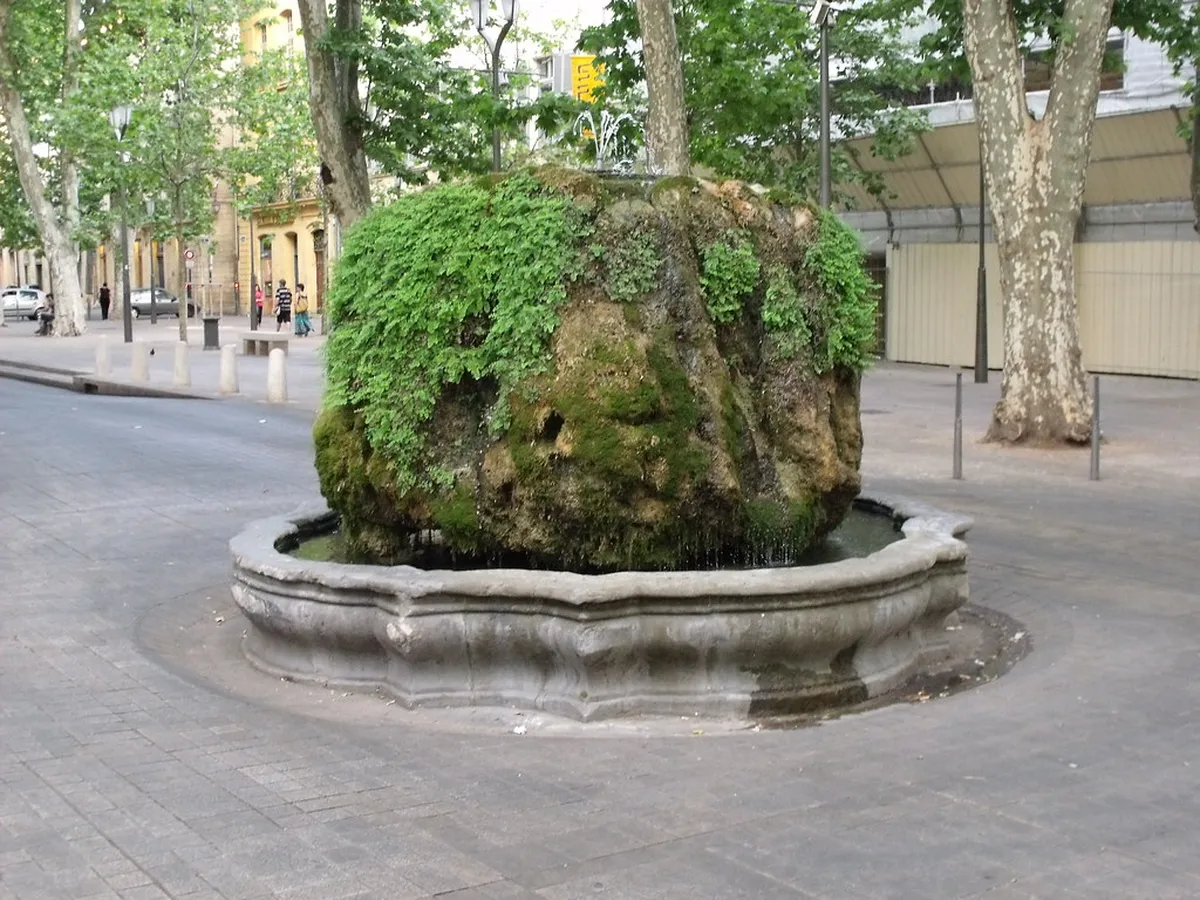
The most famous of these structures is the Fontaine d'Eau Chaude built in 1734. It is often called the Mossy Fountain because of its extremely thick vegetation. The water comes from a natural thermal spring located deep beneath the city streets. Because the water is warm, the moss stays green throughout the entire year. This creates a striking visual contrast against the surrounding yellow limestone buildings of the boulevard.
These fountains represent the wealth and engineering skills of the French nobility in the past. Cours Mirabeau was designed in 1649 to accommodate the carriages of the upper class. The fountains served both a practical purpose and acted as decorative status symbols. Today, they are protected monuments that remind visitors of the city's rich thermal history. You can see how the moss has slowly reshaped the original stone architecture over time.
Walking along the boulevard allows you to see the evolution of these historic structures. Each fountain on the street has a different level of moss growth and water flow. Some appear like wild bushes while others still show glimpses of their carved stone origins. This variety makes the street a perfect outdoor museum for fans of urban design. You should take time to observe the small details in the stone work.
Capturing the Fontaine d'Eau Chaude
The Fontaine d'Eau Chaude is the primary subject for most photographers visiting the Cours Mirabeau. It is located at the intersection of the boulevard and the Rue Joseph Cabassol. The water flows at a consistent temperature of about 34 degrees Celsius throughout the year. This warmth is the reason why the moss is so thick and vibrant. You can see steam rising from the fountain on cold winter mornings in 2025.
The fountain is free to visit and remains accessible to the public at all hours. To get the best photo, try to stand on the southern side of the street. This angle allows you to capture the fountain with the historic plane trees in the background. The sunlight filters through the leaves and creates beautiful patterns on the green moss. Be sure to look for the small drips of water falling from the greenery.
Close-up photography is very rewarding when you focus on the different types of moss. Use a macro lens if you want to capture the fine textures of the plants. The water creates a shimmering effect that adds a sense of movement to your still images. You can also experiment with long exposure settings to make the flowing water look smooth. This technique highlights the solid shape of the fountain against the soft water.
Many people enjoy sitting at the nearby cafes to watch the light change on the fountain. The colors shift from a bright lime green to a deep emerald as the sun moves. If you visit in the evening, the street lights provide a warm glow to the scene. This lighting makes the fountain look like a mysterious forest creature in the city. Capture these moments to show the magical side of Aix-en-Provence's architecture.
The Science of Thermal Water Architecture
The unique appearance of these fountains is possible because of the thermal water architecture in Aix. The water contains high levels of calcium and other minerals that nourish the plant life. These minerals also build up over time to create a hard crust under the moss. This process is similar to how stalactites form inside of large limestone caves. The fountains are essentially growing larger every year because of this mineral deposition.
Local authorities must carefully manage the fountains to ensure the stone remains structurally sound. The weight of the wet moss and the mineral deposits is very heavy. Expert conservators occasionally trim the moss to prevent it from damaging the original 18th-century carvings. This balance between nature and preservation is a constant challenge for the city of Aix. You are seeing a living monument that requires regular care and attention.
The thermal springs have been used since Roman times for their healing and warming properties. Engineers in the 1700s designed the fountains to harness these natural springs for the public. This hydraulic heritage is a key part of what makes the city's urban plan so special. The mossy fountains of Cours Mirabeau are the most visible result of this ancient water system. They serve as a bridge between the natural world and the built environment.
During your 2025 visit, notice how the water smells slightly of minerals as you walk past. This scent is a reminder of the volcanic activity that once shaped this part of France. The warmth of the water also creates a small microclimate around each of the fountains. You might see small birds bathing in the warm pools even during the winter months. These interactions make the fountains feel like a living part of the local ecosystem.
Optimal Lighting and Camera Settings
To capture the best colors, you should plan your photography session during the golden hour. This occurs shortly after sunrise or just before the sun sets over the horizon. The soft light reduces the harsh shadows that can hide the textures of the moss. During these times, the green hues of the fountains appear much more saturated and rich. Your photos will have a professional quality with very little editing required afterward.
On a cloudy day, the light is naturally diffused which is perfect for capturing fine details. You will not have to worry about the bright sun reflecting off the wet surfaces. Use a tripod if you want to use a slow shutter speed for the water. A shutter speed of one second or longer will create a beautiful silky effect. This contrast between the sharp moss and soft water is very pleasing to the eye.
If you are using a smartphone, try using the portrait mode to blur the background. This helps the fountain stand out from the busy traffic on the Cours Mirabeau. Keep your ISO low to avoid digital noise in the darker areas of the moss. A setting of ISO 100 or 200 is usually best for daylight shots. Make sure to tap on the greenest part of the fountain to set the focus.
Wide-angle shots are great for showing the fountain within the context of the grand boulevard. You can include the historic townhouses and the long rows of trees in your frame. These buildings are excellent architecture photography spots in Aix-en-Provence that complement the fountains. Try different heights by crouching down to make the fountain look more imposing. A low perspective emphasizes the scale of the mossy growth.
Planning Your Architecture Photography Trip
Aix-en-Provence is a very walkable city which makes it ideal for a dedicated photography trip. Most of the famous fountains are located within a short distance of each other. You should start your walk at the Rotonde fountain and head up the Cours Mirabeau. This path allows you to see the mossy fountains in the order they were built. Each step reveals a new angle of the city's unique hydraulic history.
The best time of year to visit for photography is during the spring or fall. During these seasons, the light is less intense than in the middle of summer. You will also find fewer tourists crowding around the monuments during your morning shoots. The spring flowers in the nearby parks add extra color to your overall travel gallery. Fall brings orange leaves that contrast perfectly with the green fountains on the street.
Make sure to bring plenty of memory cards and a spare battery for your camera. You will likely take many more photos than you originally planned in this beautiful city. There are many small details on the surrounding buildings that are also worth capturing. Take time to explore the narrow side streets that lead off from the main boulevard. You might find smaller mossy fountains hidden away in quiet residential squares.
Check the local weather forecast before you head out for your main photo session. A light rain can actually make the moss look even more vibrant and fresh. The wet pavement also provides great reflections of the fountains and the trees. After your shoot, enjoy a coffee at one of the many historic cafes nearby. It is the perfect way to soak in the atmosphere of this classic French city.
Frequently Asked Questions
Where are the mossy fountains of Cours Mirabeau located?
The mossy fountains are located along the Cours Mirabeau in the center of Aix-en-Provence. You can find the most famous one at the intersection with Rue Joseph Cabassol. It is an easy walk from the main bus station or the town center. The fountains are positioned directly in the middle of the wide boulevard.
Why are the fountains in Aix-en-Provence covered in moss?
The moss grows because the fountains use warm, mineral-rich thermal water from natural springs. The constant flow and heat create a perfect environment for thick vegetation to thrive. Over many decades, the moss layers have built up into large green mounds. This gives the fountains their unique and recognizable appearance.
Is the water in the mossy fountains safe to touch?
Yes, the water in the fountains is generally safe to touch and is naturally warm. Many locals and tourists touch the water to feel the heat from the thermal springs. However, you should not drink the water from the fountains on the street. It is intended for decorative and historical purposes only.
What is the best time for photography on Cours Mirabeau?
The best time for photography is during the early morning golden hour. This time provides soft light and fewer crowds around the popular monuments. You will capture the most vibrant green colors when the sun is low. Winter mornings are also great because you can see steam rising from the warm water.
The mossy fountains of Cours Mirabeau are a true highlight of any visit to Aix-en-Provence. They offer a rare look at how nature and architecture can blend together over time. Whether you are a professional photographer or a casual traveler, these landmarks are essential. Plan your visit in 2025 to experience the magic of the city of a thousand fountains. Start your journey today and capture the green heart of Provence with your camera.
Key Takeaways
- Visit the Fontaine d'Eau Chaude for the best mossy textures.
- Shoot during the golden hour to get the most vibrant green colors.
- Use a tripod for long exposure shots of the flowing thermal water.
- Explore the entire length of Cours Mirabeau to see different fountain styles.
Related reads: architecturebycity.com, architecture in aix en provence, fontaine de la rotonde construction.