
Thermal Water Architecture in Aix: Technical History
Explore the technical history of thermal water architecture in Aix. Discover Roman engineering and 2025 restoration tips in this guide. Plan your trip today!
On this page
Thermal water architecture in Aix defines this historic French city through its unique engineering and deep Roman roots. Roman settlers first harnessed these warm springs centuries ago to create a complex system of functional public baths. Today, visitors enjoy 2025 tours of these ancient hydraulic wonders which showcase incredible technical skill and urban design. This city remains a masterpiece of water engineering that continues to inspire modern architectural projects and heritage conservation.
Roman Foundations of Hydraulic Systems
Roman engineers recognized the value of local hot springs for their health benefits and daily social rituals. They built the first bathhouses using advanced stone masonry techniques that survived for over two thousand years. These early structures laid the technical groundwork for all future urban developments within the growing Provencal region. Aquae Sextiae became a famous Mediterranean hub for thermal relaxation and advanced hydraulic engineering during the Roman era.
The original Sextius baths utilized complex subterranean water channels to move warm spring water through the growing city. Gravity-fed systems moved water efficiently from the source to the various pools located in the main bath complex. Architects designed thick stone vaults to withstand the high heat and humidity levels found in ancient steam rooms. These durable designs preserved the water quality and structural stability of the thermal facilities for many generations.
Modern excavations reveal the impressive scale of these historic thermal complexes which once served the entire local population. Large stone slabs formed the base of the primary hot pools and prevented water from leaking into soil. You can explore these medieval and roman remnants in Aix during your next architectural visit in 2025. These ruins showcase the technical mastery of early hydraulic builders and their understanding of complex fluid dynamics.
The thermal water architecture in Aix relies on specific minerals that are found deep within the local earth. These minerals often interact with the local limestone building materials to create a unique and durable bond. Over time, the flowing water leaves white calcified deposits that strengthen the internal surfaces of the stone channels. Engineers must carefully manage these deposits to maintain the required flow rates within the city's ancient pipes.
The Evolution of Thermal Spas in Aix
The current Thermes Sextius facility sits directly atop the original Roman bath ruins located in the city center. Modern architects blended contemporary glass walls with ancient stone sections to create a visually stunning and functional space. This technical integration honors the long history of thermal water architecture in Aix while serving modern wellness needs. The building manages high internal humidity through the use of sophisticated ventilation systems and moisture-resistant building materials.
Large glass floor panels allow modern visitors to see the ancient foundations while enjoying the contemporary spa treatments. These excavations are protected by climate-controlled environments to prevent the degradation of the fragile Roman stone work. Structural engineers used reinforced steel beams to support the significant weight of the new rooftop swimming pools. This careful design ensures that the historical site remains safe for future generations of residents and international tourists.
The architecture in Aix-en-Provence blends different historical eras seamlessly into a unified and very attractive urban landscape. You can see how the presence of water defined the layout of the modern streets and public squares. The central spa serves as a functional monument to engineering that connects the Roman past with today. It provides a clear example of how thermal resources can shape the long-term development of a major city.
Hydraulic pumps move the warm thermal water from deep underground into the modern treatment rooms and therapy pools. Specialized sessions usually begin at ten in the morning and provide a deep look at the ancient masonry. Access to the historic ruins typically costs ten euros for a guided tour of the entire spa facility. These technical systems are hidden behind elegant neoclassical stone facades to maintain the historic aesthetic of the street.
Thermal Water Architecture in Aix and Fountain Engineering
Thermal water architecture in Aix extends to its many public fountains found in every major city square. Local springs feed various stone basins throughout the historic city center with a constant flow of warm water. The Fontaine d’Eau Chaude stands as a primary technical example of how heat affects local building materials. This structure uses thick layers of green moss to insulate the water as it flows from the source.
Architects in the 1700s integrated thermal water into urban squares by using advanced pressure-regulating valves and pipes. These systems ensured that the public fountains functioned perfectly even during the very dry summer months in Provence. Proper drainage systems were essential to prevent the warm water from damaging the surrounding limestone foundations of houses. The engineers calculated the necessary flow rates to maintain a steady water level in each of the basins.
The historic fountains and hydraulic architecture of the city reflect centuries of advanced Provencal engineering and design. Workers carved intricate water channels directly into the hard local stone to ensure a long-lasting and leak-proof system. This method allowed for hidden pipes that served many residents without disrupting the beautiful appearance of the streets. The design successfully combined artistic beauty with the essential technical requirements of a public water utility system.
Thermal springs in 2025 still maintain a steady flow rate due to the careful management of local aquifers. Municipal engineers monitor the temperature of these waters around the clock to ensure the health of the system. Constant heat requires the use of specialized mortar to prevent cracking in the stone basins over many years. The fountains are free for the public to view at any time of the day or night throughout.
Urban Planning and Thermal Distribution
City planners used the location of thermal water sources to determine the primary layout of the historic streets. Underground pipes follow the natural slope of the local topography to maximize the efficiency of the water flow. This gravity-based design reduced the need for expensive mechanical pumps during the pre-industrial era of the city. Thermal water architecture in Aix showcases this brilliant and sustainable approach to early urban land-use planning.
Public laundry basins once utilized the warm thermal runoff water to provide a vital service for local residents. Architects built these stone washhouses near the main hot spring sources to ensure the water remained warm. These structures featured sloped stone surfaces that were specifically designed for the manual task of scrubbing heavy fabrics. They provided an essential social and functional space for the working-class population of the city for centuries.
Maintaining the complex thermal network requires constant municipal engineering oversight and regular inspections of the underground pipes. Workers check the stone channels for potential leaks or significant mineral blockages that could disrupt the flow. They use modern digital tools to map the ancient underground pipes and identify areas that need urgent repair. This ongoing work keeps the city's historic hydraulic systems running smoothly for both residents and visiting tourists.
The 2025 restoration projects focus on preserving the original stone conduits using traditional building techniques and materials. Specialists use a specific type of lime mortar to repair any damaged sections of the hydraulic infrastructure. This careful approach maintains the technical authenticity of the thermal systems while ensuring they meet modern safety standards. The city continues to invest heavily in protecting its unique hydraulic history for future generations to study.
Masonry Techniques for High Humidity
Constant exposure to thermal water creates a unique and challenging environment for the local Provencal limestone structures. Warmth and moisture can accelerate the natural weathering process of soft stone if it is not properly protected. Architects often chose the densest rock varieties for the primary water basins to ensure a longer lifespan. This careful material selection significantly increased the durability of the city's many famous and historic fountains.
Mineral buildup from the spring water often creates a thick and vibrant layer of green aquatic moss. This moss acts as a natural protective barrier for the stone by regulating its surface temperature and moisture. Engineering reports show that the moss helps prevent frost-related cracking in the stone during the cold winter months. This biological layer is an essential technical component of the thermal water architecture in Aix and its preservation.
Building thermal structures requires specialized waterproofing techniques that have been refined over many hundreds of years. Historical builders used a specific mixture of local lime and volcanic ash to create a waterproof seal. This durable mortar provided an excellent defense against the pressurized water found in the city's main pipes. Modern restoration teams utilize similar breathable materials to ensure the long-term structural stability of these historic monuments.
The natural heat from the thermal water causes significant thermal expansion in the metal and stone pipes. Roman and medieval architects designed flexible joints to accommodate these small but important physical changes in the system. This technical foresight prevents the pipes from bursting during extreme temperature shifts in the local Provencal climate. These small engineering details ensure the overall reliability of the urban water supply for the entire city.
Neoclassical Influence and Modern Preservation
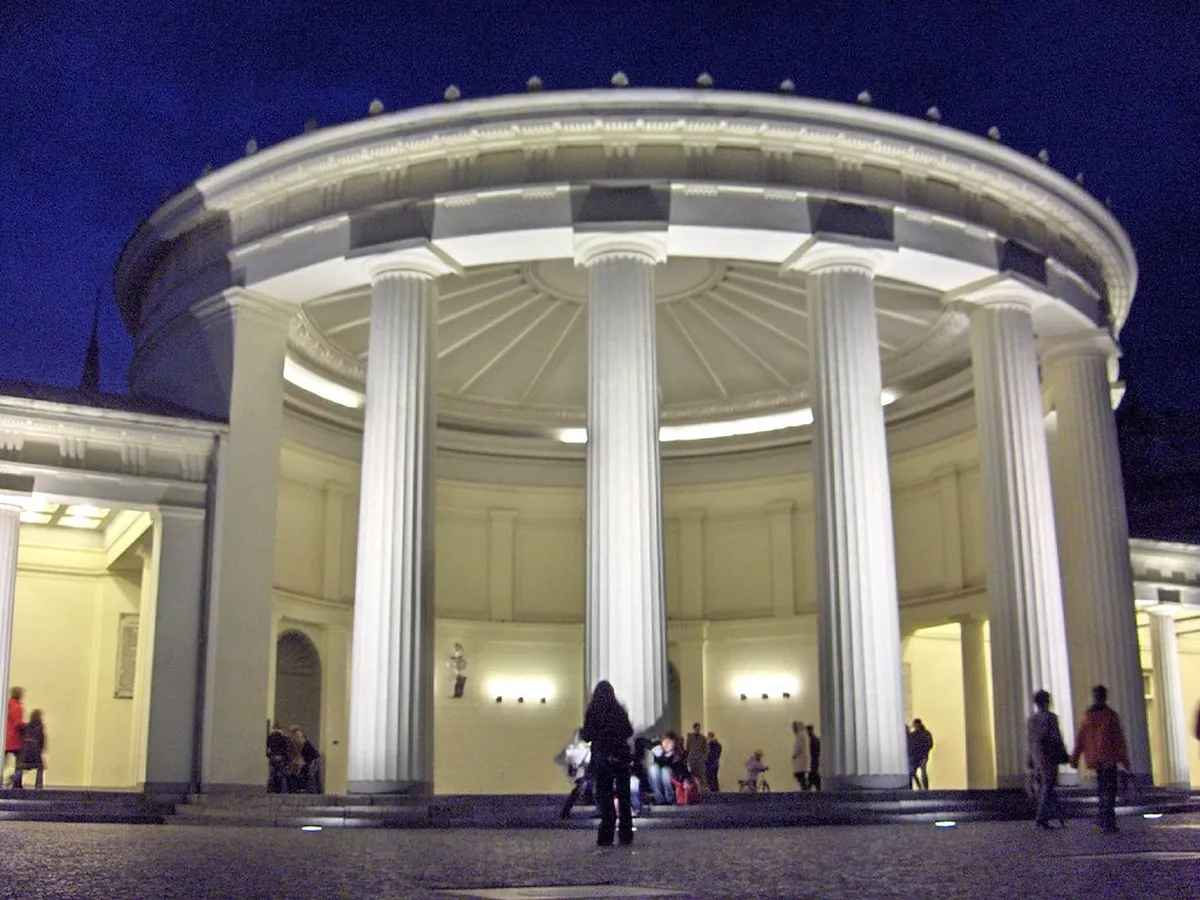
Neoclassical architects redesigned many of the city's thermal sites during the elegant building boom of the 1800s. They added grand stone columns and perfectly symmetrical facades to the existing bathhouses and public water fountains. This formal style emphasized the prestige and importance of the city's natural and healing thermal water resources. These beautiful buildings remain prominent and recognizable features of the modern city skyline for all visitors to see.
The seamless integration of artistic sculpture and functional hydraulics became a major trend in Provencal urban design. Engineers worked closely with talented artists to create water monuments that were both beautiful and technically sound. Water flows gracefully from the carved mouths of lions or various mythological sea creatures in the city squares. This combination represents the pinnacle of thermal water architecture in Aix during its most prosperous historical periods.
Large public squares were carefully designed to surround these grand and functional thermal water fountains and basins. The open spaces allowed for easy public access to the water sources for daily household and social needs. Stone benches provided comfortable places for residents to gather and socialize near the soothing sound of flowing water. These areas quickly became the social and cultural heart of the vibrant Provencal city for many centuries.
Today, these significant architectural sites are protected by very strict national heritage laws and conservation guidelines. Restoration teams must follow detailed technical instructions for all repairs made to the historic stone and pipes. They preserve the original aesthetic appearance while carefully upgrading the internal water delivery and filtration systems. This ensures that these magnificent structures will survive for another century of active use and public enjoyment.
Frequently Asked Questions
How does the thermal water impact the local limestone structures?
The warm water often carries high levels of calcium carbonate which deposits onto the porous stone surfaces. These minerals create a hard crust that protects the underlying masonry from erosion and extreme weather conditions. Engineering teams in 2025 use specialized tools to monitor these deposits without damaging the original historic stones. This natural process is a key feature of the thermal water architecture in Aix and its maintenance.
Why did Roman architects choose this specific location for their baths?
The Romans selected this site because the natural springs provided a constant supply of warm, healing water. They utilized the natural slope of the land to create gravity-fed systems for their complex hydraulic networks. This strategic placement allowed for efficient water distribution throughout the entire settlement of Aquae Sextiae during antiquity. Modern excavations reveal the sophisticated planning involved in the original layout of these ancient thermal bathhouses.
What role does the Fontaine d'Eau Chaude play in technical history?
This fountain serves as a living laboratory for studying the effects of constant heat on urban stone structures. Its design demonstrates how 18th-century engineers managed the continuous flow of mineral-rich water in a public space. The thick moss layer provides thermal insulation that keeps the water warm even during the coldest winter months. It remains a focal point for researchers studying the long-term durability of traditional Provencal hydraulic architecture.
Thermal water architecture in Aix is a stunning testament to centuries of engineering brilliance and urban planning. From the original Roman baths to the modern spa complexes, water has shaped the identity of this city. These structures offer a unique look into the technical and social history of the beautiful Provencal region. Plan a visit to Aix-en-Provence in 2025 to experience these functional hydraulic wonders for yourself.
Key Takeaways
- Roman engineering created the durable foundation for the city's complex and unique thermal water supply network.
- Thermal water architecture in Aix requires specialized masonry and biological protection like moss for its successful preservation.
- Modern 2025 restoration projects combine ancient hydraulic techniques with advanced digital monitoring and refined filtration systems.
Related reads: architecturebycity.com, fontaine de la rotonde construction, mossy fountains of cours mirabeau.