
Pavillon de Vendôme Architecture and Gardens
Explore the Pavillon de Vendôme architecture and gardens in Aix-en-Provence. This 2025 guide details Baroque styles and Provençal history for your visit.
On this page
The Pavillon de Vendôme architecture and gardens represent the peak of seventeenth-century luxury in the heart of Aix-en-Provence. This stunning site offers a peaceful retreat for travelers exploring the beautiful streets of southern France in 2025. Visitors can admire the grand stone facade and the perfectly manicured hedges that define this historic French landmark. The pavilion serves as a primary example of how noble families showcased their immense wealth through structural design. You will find that this location perfectly blends the elegance of urban mansions with the charm of nature.
The Historical Origins of the Pavilion
The Pavillon de Vendôme was originally built in 1652 for the Duke of Vendôme as a private getaway house. He wanted a place for secret romantic meetings away from the strict rules of the royal French court. The architect Antoine Rambot designed the structure to reflect the growing popularity of the classical and Baroque movements. It remains one of the most famous hotels particuliers of Aix-en-Provence due to its unique history and preservation.
Over the centuries, the building changed hands several times among wealthy families and famous artists in the local region. Each owner added their own personal touch to the interior while maintaining the grand external look of the site. In the early twentieth century, the city of Aix-en-Provence eventually purchased the property to ensure its protection. This decision allowed the public to enjoy the grounds and the small museum housed within the golden stone walls.
The pavilion now stands as a symbol of the Golden Age of Aix-en-Provence during the mid-seventeenth century. It survived several periods of political unrest and urban change without losing its original architectural charm or garden layout. Today, the building serves as a venue for cultural exhibitions and high-profile events for the local French community. You can feel the weight of history as you walk through the heavy wooden doors and into the halls.
The site underwent significant restoration work recently to prepare for the 2025 tourist season and modern visitor needs. Expert craftsmen used traditional techniques to repair the delicate stone carvings and the aging roof structures of the pavilion. These efforts ensure that future generations can appreciate the artistic vision that the Duke first commissioned long ago. Visiting this site provides a deep look into the social hierarchy and architectural tastes of old Provençal high society.
Mastering Baroque Architecture in Provence
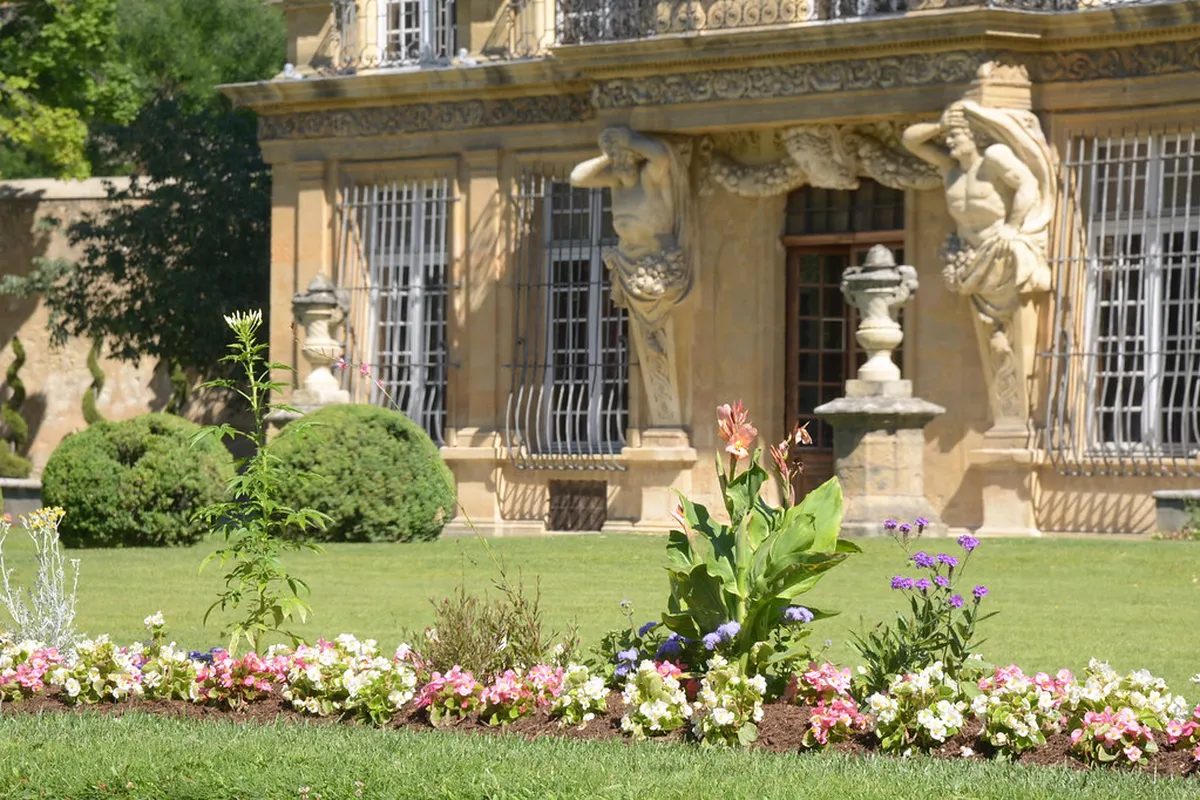
The exterior of the pavilion features incredible examples of Baroque architecture in Aix-en-Provence throughout the main facade. Two large atlantes figures support the central balcony, creating a dramatic and powerful entrance for all guests to see. These stone carvings show the influence of Italian design on the local French styles during that specific artistic period. The use of warm yellow limestone helps the building glow beautifully under the bright southern sun of the region.
Symmetry plays a vital role in the overall aesthetic of the building, with windows placed in perfect horizontal lines. Each window frame features intricate moldings that highlight the precision of the stone masons who worked on the site. The vertical columns add a sense of height and grandeur to the two-story structure without feeling too heavy. You will notice how the golden stone contrasts sharply with the green foliage surrounding the building in the gardens.
The roof uses traditional orange tiles which are a common feature across the many historic buildings in southern France. These tiles provide excellent protection against the heat while adding a rustic touch to the sophisticated Baroque design elements. The chimneys are placed strategically to maintain the balanced look of the silhouette against the clear blue sky above. Every detail was carefully planned to create a harmonious visual experience for those approaching from the long garden paths.
Inside the museum, the rooms showcase decorative woodwork and ornate plaster ceilings that match the external Baroque style perfectly. The grand staircase features iron railings that demonstrate the high level of metalwork skill available during the seventeenth century. Visitors can see how the light flows through large glass panes to illuminate the classical art on the walls. This interplay of light and shadow is a core characteristic of the Baroque movement in European architectural history.
Exploring the Classical French Gardens
The Pavillon de Vendôme architecture and gardens are designed to work together as a single cohesive work of art. The garden follows the strict rules of French formal design, emphasizing geometry, order, and clear lines of sight. Low boxwood hedges create intricate patterns on the ground that look stunning when viewed from the upper pavilion windows. These green labyrinths are maintained with extreme care to keep their sharp edges and perfect shapes throughout the year.
Seasonal flowers are planted in the beds to bring splashes of vibrant color to the mostly green and gold landscape. In the spring of 2025, you can expect to see tulips and roses blooming near the central water fountains. The sound of trickling water adds a layer of tranquility to the experience of walking through the quiet grounds. Statues of mythological figures are placed at the intersections of the paths to provide interesting focal points for visitors.
Large plane trees provide essential shade along the edges of the garden, making it a popular spot for local residents. These old trees offer a cool place to sit during the hot summer afternoons common in the south of France. The gravel paths crunch under your feet as you explore the hidden corners of this well-preserved city park. It is the perfect place to sit and sketch the building or simply enjoy the fresh Provençal air.
The transition from the wild nature outside the walls to the manicured garden inside is a very intentional design choice. It shows the human desire to control and refine the natural world into a place of beauty and quiet order. The gardens remain free to enter for the public, which makes them a cherished resource for the local community. Many people come here to read, talk, or enjoy a picnic in the shadows of the historic pavilion.
Provençal Bastide Architecture Influences
While the pavilion is an urban palace, it shares many features with traditional Provençal Bastide architecture found in the countryside. The thick stone walls are designed to keep the interior rooms cool during the intense summer heat of the Mediterranean. You will see the same use of local limestone that defines the rural manor houses across the wider Provence region. This connection shows how urban and rural styles influenced each other during the peak of the French Renaissance.
The layout of the pavilion focuses on a central axis, which is a common trait in many larger bastide designs. This arrangement allows for natural ventilation to flow through the building when the large windows are opened in the morning. The use of shutters is both a practical and decorative element that connects the building to its local roots. These features prove that even grand noble houses had to respect the climate and environment of the southern coast.
Large terrace spaces allow the transition between the indoor living areas and the outdoor garden spaces to feel very smooth. This lifestyle of indoor-outdoor living is a central part of the Provençal culture that has existed for many centuries. The pavilion captures this spirit perfectly by opening its main rooms directly toward the fountains and the flower beds. It represents a more relaxed version of the formal palace life found in northern cities like Paris or Versailles.
Archaeologists have noted that the foundation techniques used here match those seen in the construction of high-end country estates. By using local materials, the builders ensured that the pavilion would withstand the test of time and the local weather. The result is a structure that feels grounded in the history of the land while reaching for artistic greatness. Understanding these links helps travelers appreciate the deep architectural heritage of the entire Aix-en-Provence area today.
Planning Your Visit in 2025
Visiting the Pavillon de Vendôme in 2025 is a straightforward process for anyone staying in the center of Aix-en-Provence. The site is located just a ten-minute walk from the famous Cours Mirabeau and the local city hall building. Admission to the gardens is free, while a small fee is required to enter the museum inside the pavilion. This cost is usually around 5 euros for adults, though discounts are available for students and large groups.
The museum is typically open from 10:00 AM to 6:00 PM, but you should check the local website for holiday hours. Morning is the best time to visit if you want to take photos without many people in your shots. The soft early light makes the yellow stone of the building look particularly beautiful and warm in your travel pictures. Be sure to wear comfortable shoes because the gravel paths in the garden can be a bit uneven for walking.
Guided tours are often available in several languages to help international visitors learn more about the art and the history. These tours provide deep insights into the lives of the people who lived here during the seventeenth and eighteenth centuries. You can also find temporary art exhibitions that change every few months inside the main gallery spaces of the building. These modern shows create a fascinating contrast between contemporary creativity and the historic surroundings of the old pavilion.
- Location: 13 Rue de la Molle, 13100 Aix-en-Provence.
- Best Time: Visit at 10:00 AM for the best natural lighting.
- Cost: Garden is free; Museum is approximately 5 Euros.
- Nearby: Close to the Thermes Sextius and the Saint-Sauveur Cathedral.
Frequently Asked Questions
When was the Pavillon de Vendôme architecture and gardens created?
The main building was constructed in 1652 for the Duke of Vendôme. The gardens were designed around the same time to complement the Baroque style. They have been restored many times to maintain their original seventeenth-century appearance for the public.
Can I visit the Pavillon de Vendôme for free?
Access to the French formal gardens is completely free for all visitors throughout the year. There is a small entrance fee if you wish to go inside the pavilion museum. The fee helps the city maintain the historic structure and the art collection.
Is the Pavillon de Vendôme accessible for people with mobility issues?
The gardens feature flat gravel paths that are generally easy to navigate for most people. However, the historic building has some stairs that might be difficult for those with limited mobility. It is best to check with the museum staff for specific access details.
The Pavillon de Vendôme architecture and gardens offer a unique window into the grand history of Aix-en-Provence. Whether you love Baroque design or quiet green spaces, this site will surely impress you during your 2025 trip. Make sure to include this historic gem on your list of must-see locations in southern France. Experience the elegance of the past and book your visit to this stunning Provençal landmark today.
Key Takeaways
- Admire the unique 1652 Baroque architecture and the famous stone atlantes.
- Enjoy the free classical French formal gardens located near the city center.
- Discover the historical links between urban mansions and Provençal bastide styles.
- Visit during the morning for the best photography light on the golden stone.
Related reads: architecturebycity.com, architecture in aix en provence, aix countryside manor house features.