
Gothique Plantagenêt Characteristics Guide
Learn unique Gothique Plantagenêt characteristics found in Angers for 2025. Discover how this Angevin Gothic style shaped French history and architecture.
On this page
The city of Angers holds a hidden treasure of French history within its ancient stone walls. This historic city showcases the unique Angevin Gothic style perfectly for every visitor to enjoy today. This guide explores the essential Gothique Plantagenêt characteristics found in these famous medieval monuments. You will find these fascinating details in several massive churches and historic buildings across the city. Discover how this specific style changed European building methods forever during the Middle Ages.
The Core Gothique Plantagenêt Characteristics
The most famous feature involves the unique vaulted ceilings used throughout the historic city of Angers. Unlike Northern Gothic styles, these vaults are highly curved and appear very deep to observers. They create a distinct domed appearance inside every medieval building found in this region. This design allows for much taller and wider interior spaces for all visitors to enjoy.
Architects used thin stone ribs to support the weight of these very heavy roof structures. These ribs meet at a central point high above the main floor area of the building. This technique creates a light and airy feeling throughout the entire stone structure for visitors. Travelers often marvel at the graceful lines found in the high ceilings of these monuments.
Thick walls provide the necessary support for these massive stone domes and curved roof structures. Many buildings in Angers show this structural mastery from the twelfth century building period. The ribbed vaults in Anjou churches define this historical building period perfectly for researchers. These elements distinguish the style from traditional French Gothic found in the city of Paris.
Decorative carvings often adorn the intersections of these structural stone ribs and large columns. These bosses feature intricate designs of local plants or expressive human faces from the past. High quality craftsmanship from the twelfth century remains visible to all travelers in 2025. Look closely at the ancient stone for these small and hidden artistic details during your tour.
Historical Influence of the Plantagenet Dynasty
The Plantagenet family ruled over vast lands in central and western France during the twelfth century. King Henry II and Eleanor of Aquitaine led this powerful and influential medieval empire for decades. Their power influenced many building projects in the Angers region during their long and successful reign. This royal support helped spread the unique Angevin Gothic style across the beautiful French countryside.
English and French design elements merged during this fascinating era of European architectural history. The resulting style reflects a unique cultural blend from both sides of the English Channel. Architects combined local stone with innovative structural ideas to create these impressive and lasting medieval monuments. This period marked a golden age for Anjou architecture and artistic development in Western France.
Political stability allowed for large-scale construction projects to begin in the growing city of Angers. Work on the Saint-Maurice Cathedral architecture began during this prosperous and stable time for the region. The cathedral serves as a primary example of this specific style for all modern visitors. Its grand scale reflects the power and ambition of the medieval Plantagenet dynasty in France.
Travelers in 2025 can still feel this royal influence while walking through the city streets. The old stone buildings tell a story of great ambition and incredible artistic skill from history. Walking through Angers is like visiting a living museum of French and English medieval history. Every stone reflects the history of the Plantagenet kings who once ruled this ancient land.
Exploring Saint-Maurice Cathedral in Angers
Saint-Maurice Cathedral stands as a true masterpiece in the heart of the historic center of Angers. It represents the peak of Gothique Plantagenêt characteristics for anyone interested in medieval architectural design. The nave features the iconic domed vaults that define this regional style of French architecture. You will notice the incredible height and width of the interior space when entering the building.
Light enters through tall and narrow stained glass windows located along the very high stone walls. These windows date back to the twelfth and thirteenth centuries in this historic and grand cathedral. They cast vibrant colors across the ancient stone floors during the sunny afternoon hours each day. The atmosphere inside feels both spiritual and grand for every person who visits the site today.
The exterior facade displays detailed sculptures of various saints and powerful medieval kings from history. These carvings provide great insight into religious life during the Middle Ages in Western France. Visitors should spend time studying the portal decorations carefully before entering the main cathedral doors. Each figure tells a specific story from the Bible or from local church history for you.
Entry to the cathedral is free for all visitors throughout the entire year in 2025. It remains open daily from early morning until the early evening hours for every traveler. Check for local choir performances during your 2025 visit to experience the great interior acoustics. The sound quality inside the vaulted nave is truly remarkable and very memorable for listeners.
The Unique Design of Hôpital Saint-Jean
Hôpital Saint-Jean is another essential stop for all architecture lovers visiting the city of Angers. It was founded in the twelfth century by King Henry II for the local sick people. This site shows how the style worked for secular buildings rather than just for religious churches. The Great Hall features beautiful and delicate ribbed vaulting that impresses every single visitor who enters.
Today the building houses the Musee Jean Lurçat for fans of modern textile and tapestry art. You can see modern tapestries inside the massive medieval structure during your visit this year. This contrast between old and new is very striking and unique to this specific location. The Hôpital Saint-Jean and Musee Jean Lurçat are famous throughout the entire world.
The cloister offers a peaceful place for quiet reflection away from the busy city streets today. Its simple arches demonstrate the elegance and balance of this specific medieval building period in France. Garden areas surrounding the old building add to the charm of this historic site for visitors. It is a perfect spot for photography while you explore the city of Angers this year.
Tickets for the museum cost approximately six Euros during the current 2025 travel season for adults. Allow at least two hours for a full visit to see all the colorful modern tapestries. The site is located in the historic Doutre district across the Maine River from the center. It is easily reachable by foot from the main center of the old town in Angers.
Architectural Comparison with Northern Gothic
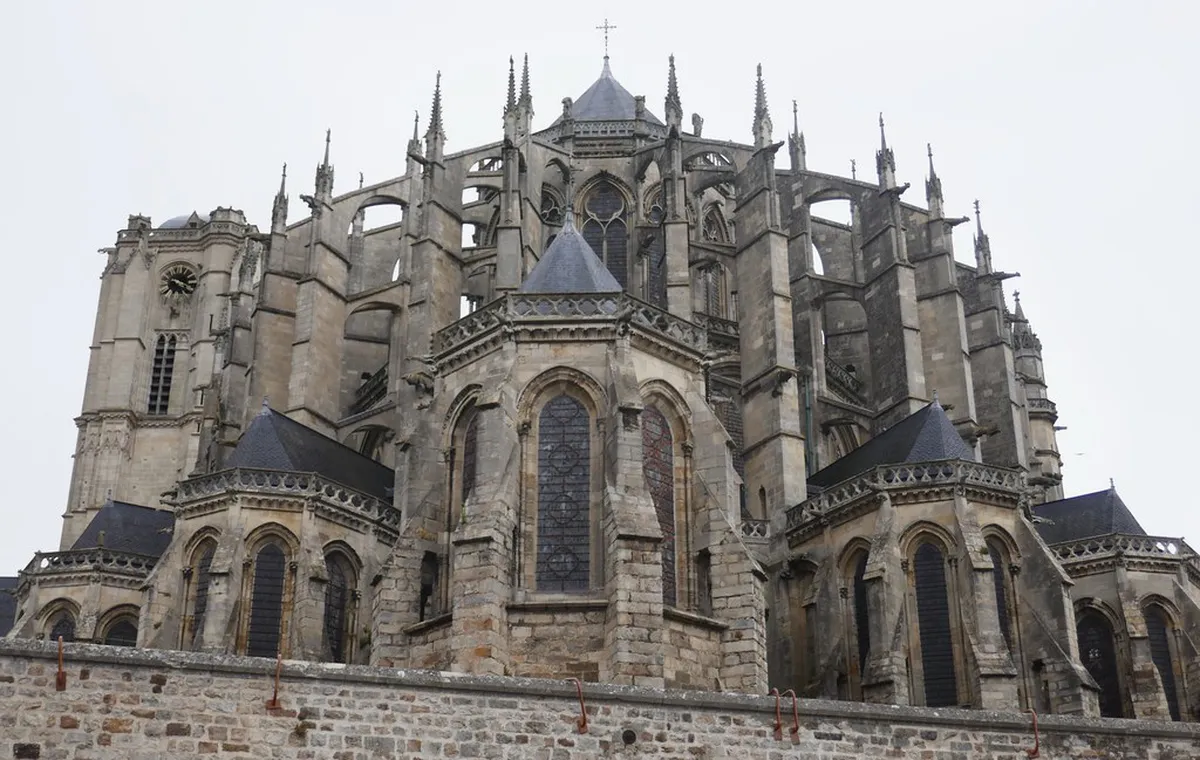
Comparing this style to Northern French Gothic reveals many interesting and significant design differences for students. Northern styles often use flying buttresses to support the high walls of the great French cathedrals. In Angers, architects relied on thick walls and curved vaults to provide all necessary structural support. This choice gives the buildings a much heavier and more solid appearance from the outside.
The interior of an Angevin building feels more like a series of connected stone domes overhead. Traditional Gothic churches usually have a more linear and rectangular feeling in their main central naves. These Gothique Plantagenêt characteristics create a sense of vast space in every single direction for visitors. You will feel the difference as soon as you step inside these ancient stone structures.
The use of local tuffeau stone also sets these buildings apart from other French regions today. This soft limestone allowed medieval masons to carve very fine and intricate decorative details for buildings. It glows with a warm white or cream color in the bright French sunlight each day. This material choice is a key part of the local architectural identity in the Anjou region.
Understanding these differences helps travelers appreciate the unique beauty of the entire Anjou region in France. Each style reflects the local materials and political history of its specific geographic area in Europe. Angers remains the best place to see these unique features in one single city location. Your 2025 trip will be enriched by knowing these architectural and historical details before you arrive.
Frequently Asked Questions
What is the main feature of Gothique Plantagenêt characteristics?
The main feature is the use of highly curved and domed ribbed vaults throughout the buildings. These vaults create a sense of height and space inside the various medieval buildings in Angers. Architects used this design to distribute weight onto the thick exterior stone walls effectively.
Where is the best place to see Angevin Gothic style in Angers?
Saint-Maurice Cathedral is the best place to see this unique architectural style in Angers today. The Hôpital Saint-Jean also offers a great look at how secular buildings used these specific features. Both sites are located within easy walking distance of the historic city center for travelers.
Why is it called the Plantagenet style of architecture?
The style is named after the Plantagenet dynasty that ruled the region during the twelfth century. Kings like Henry II supported the construction of these grand and innovative stone buildings in France. Their influence helped spread these specific design characteristics throughout their vast French and English territories.
How does this style differ from the Gothic architecture found in Paris?
This style uses curved domes instead of the flatter vaults found in traditional Parisian Gothic churches. It also lacks the external flying buttresses commonly seen on many Northern French cathedrals from that era. The result is a more solid and domed interior space for the visitors to experience.
Is it easy to tour these architectural sites in Angers?
Yes, most of the major sites are located in the historic center of the city of Angers. You can easily walk between the cathedral, the castle, and the old hospital in one afternoon. The city is very friendly for tourists who enjoy exploring history on foot during 2025.
Exploring the city of Angers reveals the true beauty of the unique Angevin Gothic style for everyone. You now understand the most important Gothique Plantagenêt characteristics found in these ancient and beautiful buildings. From the grand cathedral to the old hospital, history lives in every single piece of stone. Plan your visit in 2025 to see these incredible architectural wonders for yourself in France. Discover the legacy of the Plantagenet kings in this beautiful part of the world today.
Key Takeaways
- Vaults in Angers are domed and highly curved compared to Northern Gothic styles.
- The style is deeply linked to the political power of the Plantagenet royal family.
- Saint-Maurice Cathedral and Hôpital Saint-Jean are the best local examples to visit.
Related reads: architecturebycity.com, architecture in angers, angevin gothic style.