
Oldest Building in Annecy History: Palais de l'Île Guide
Discover the oldest building in Annecy history. Plan your visit to Palais de l'Île in 2025 with our expert guide to tickets, tours, and medieval architecture.
On this page
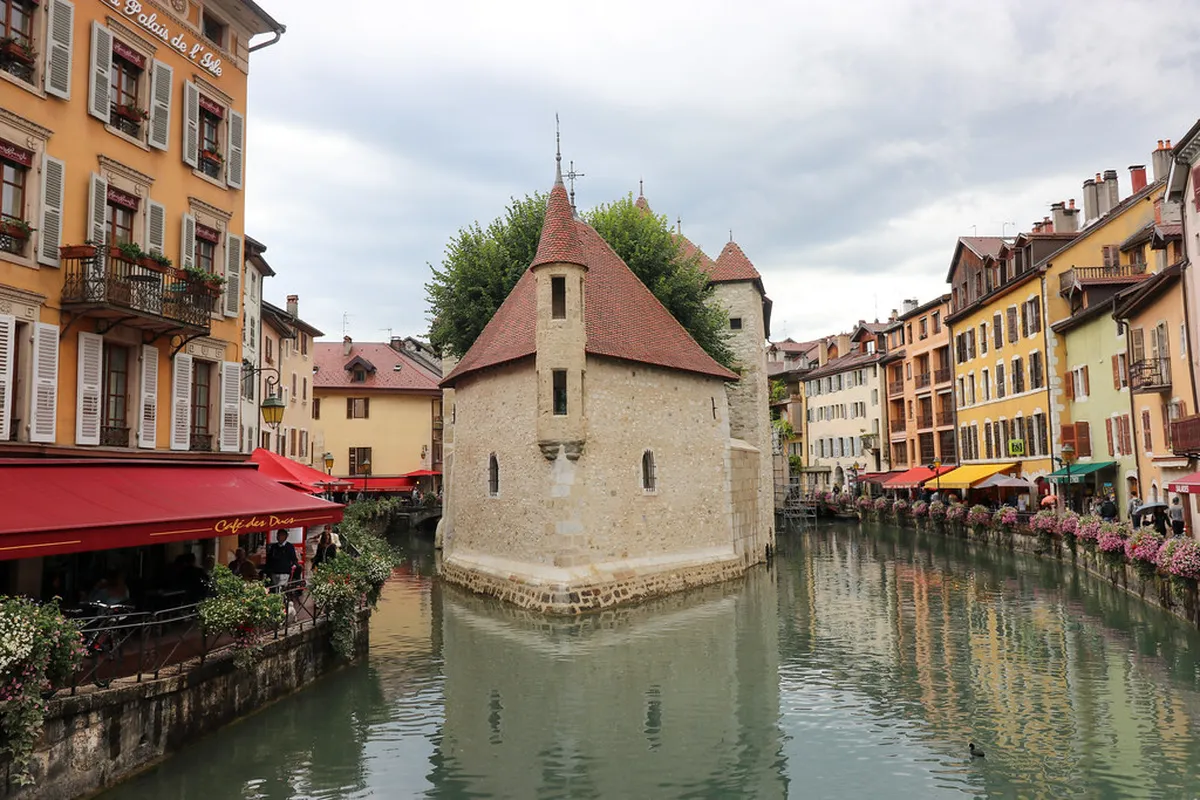
The Palais de l'Île stands proudly as the oldest building in Annecy history today. This remarkable stone structure sits directly in the middle of the Thiou canal waters. Tourists from around the world flock to see this unique and ancient fortress. It represents the very heart of the beautiful and historic French Alpine town.
Walking through the old town reveals many secrets of the local Savoyard heritage. The palace remains the most famous landmark for photographers and history enthusiasts alike. You will feel the weight of centuries when standing before its thick limestone walls. This guide explores everything you need to know before your visit in 2025.
The Origins of the Oldest Building in Annecy History
The Palais de l'Île dates back to the early parts of the 12th century. It originally served as a fortified home for the powerful Lord of Annecy. Later, the building became a courthouse and a mint for regional currency. This structure remains a vital part of Annecy medieval architecture history for all visitors.
Its unique triangular shape mimics the hull of a large stone ship. The thick walls were built using local limestone harvested from the nearby mountains. Narrow windows provided essential security during the turbulent years of the Middle Ages. It survived many centuries of urban change in the very heart of the city.
The building was almost demolished during the late parts of the 19th century. Thankfully, local officials classified it as a historical monument in the year 1900. Today, it houses a museum focusing on the local history and urban architecture. It offers a clear window into the daily life of ancient French residents.
Historians believe the oldest building in Annecy history was built on a rocky island. This natural foundation provided a stable base amidst the flowing river currents. Builders utilized the surrounding water as a natural moat to deter unwanted invaders. You can still see the original masonry techniques used by medieval stone masons.
Tips for Visiting Palais de l'Île Annecy
When visiting Palais de l'Île Annecy, you should prepare for a step back in time. The museum is open daily except for specific public holidays and Tuesdays. Adults pay approximately 3.90 Euros for a standard entry ticket during the 2025 season. Guided tours are available for those wanting deeper historical and cultural insights.
You can walk through old courtrooms and vaulted stone basements during your tour. The interior features cold and damp air that adds to the medieval atmosphere. Look for the ancient iron bars still fixed firmly in the small windows. The exhibition rooms display detailed models of the city's early urban development.
Expect to spend at least one hour exploring the entire complex and museum. Photography is allowed inside the building, but flash is often restricted for preservation. Wear comfortable walking shoes because the stone floors are quite uneven and old. The building stays naturally cool even during the hottest summer afternoons in France.
Tickets can be purchased at the entrance or at the local tourism office. Group discounts are available for those traveling with more than ten people. It is best to arrive early in the morning to avoid large crowds. The site becomes very busy during the peak summer months of July and August.
The Dark History of the Medieval Jail
This famous site is well known for its dark history as a prison. Prisoners were once held in cramped cells located directly above the flowing water. You can still see the original iron gates and heavy wooden doors. It served this grim purpose until the middle of the 20th century.
The architectural design focused on preventing escapes from the small rocky island. Guards could easily monitor the canal from the high stone towers and windows. Visitors can now enter these tiny cells to feel the heavy history. It remains one of the most photographed spots in all of modern France.
The small chapel inside the palace provided a quiet place for daily prayer. It features a simple design reflecting its various historical roles over the years. Small altars and religious artifacts are still visible to the public today. This contrast between the prison and chapel is truly fascinating to see.
Many prisoners were held here during the French Revolution in the 18th century. The museum displays provide stories about some of the most famous past inmates. Walking through the narrow corridors gives you a sense of the isolation felt. It is a powerful reminder of the justice system in old Annecy.
Urban Design and the Oldest Building in Annecy History
The town of Annecy was once a key part of the County of Geneva. Architects added new sections as the palace's primary function changed over time. You can see different masonry styles in the various outer stone walls. Each stone tells a unique story of the ancient Savoyard ruling families.
The surrounding Vieille Ville Annecy urban design grew around this central island. Narrow cobbled streets lead directly to the scenic edges of the canal. Colorful buildings now frame the grey stone of the ancient island palace. The view from the Perrière Bridge is truly iconic for all travelers.
Water levels in the Thiou canal can affect the building's stone base. Engineers work constantly to preserve the foundation from water erosion and damage. This maintenance ensures the building stands for another millennium for future visitors. Conservation efforts are vital for protecting this important national French treasure.
The palace acts as a focal point for the entire old town layout. Most walking tours start or end at this historic landmark every day. It serves as a compass for tourists navigating the winding medieval streets nearby. The integration of water and stone defines the character of the city.
Architectural Features of the Palais de l'Île
The oldest building in Annecy history features classic Savoyard architectural elements throughout. Notice the steeply pitched roofs designed to shed heavy winter snow easily. The stone staircases inside the building are narrow and spiraled for defense. Large fireplaces in the main halls once provided essential warmth during winter.
The courtyard offers a glimpse into the domestic side of the palace life. It was a space for deliveries and daily chores for the residents. You can see how the building was expanded during the 14th century. The blend of defensive and residential architecture is a key highlight here.
Structural reinforcements are visible on the exterior walls facing the main canal. These iron braces were added to stabilize the building during the 1800s. They show the ongoing commitment to keeping the structure safe for the public. Every detail of the palace reflects the survival of Annecy's heritage.
The museum inside also highlights the craft of the ancient local blacksmiths. You will see ornate ironwork on the gates and the window railings. These details demonstrate the high level of skill found in medieval Savoy. Take time to admire the craftsmanship while you explore the upper floors.
Frequently Asked Questions
Is Palais de l'Île the oldest building in Annecy history?
Yes, it is widely considered the oldest building in Annecy history today. Parts of the structure date back to the early 12th century. It has survived numerous wars and many architectural changes over time.
How much does it cost to enter the palace museum?
Entry costs around 3.90 Euros for adults during the 2025 season. Children and students can enter at a reduced price of 2 Euros. It is a very affordable historical site for visiting families.
Can you visit the old prison cells today?
Visitors can walk through the former prison cells and the old courtrooms. The museum display explains how prisoners lived in the cold cells. It provides a unique perspective on the medieval justice system.
What are the opening hours for the Palais de l'Île?
The museum is generally open from 10:00 AM until 5:00 PM daily. It often closes on Tuesdays and during the lunch hour in winter. Always check the official website before you plan your trip.
Exploring the oldest building in Annecy history is a must for every traveler. The Palais de l'Île offers incredible beauty and deep historical lessons for all. Plan your trip to this Alpine gem during the coming 2025 season. Discover more about France by visiting this incredible and ancient stone monument.
Key Takeaways
- The Palais de l'Île dates back to the 12th century.
- Entry for adults is approximately 3.90 Euros in 2025.
- The building served as a home, courthouse, and prison.
- It is located on a rocky island in the Thiou canal.
Related reads: architecturebycity.com, architecture in annecy.