
Palais de l'Île Prison Architecture Guide
Discover the Palais de l'Île prison architecture in Annecy, France. Learn about this iconic French landmark's history and unique design in our 2025 guide.
On this page
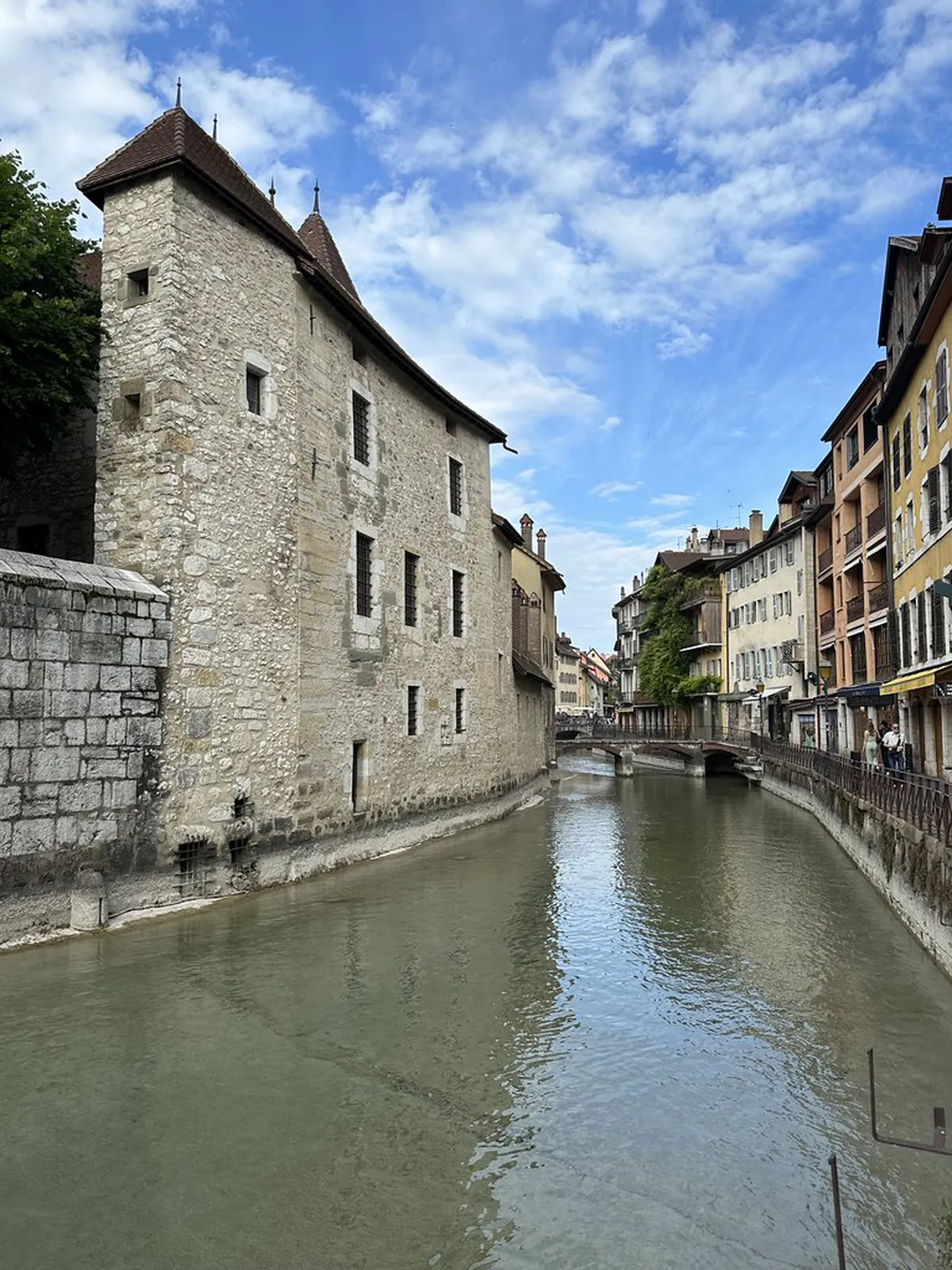
Palais de l'Île stands as a striking and iconic symbol of the beautiful city of Annecy. This ancient 12th-century building sits directly in the middle of the narrow Thiou canal. Its unique Palais de l'Île prison architecture draws many curious visitors from all over the world. This historic landmark looks like a massive stone ship floating on the clear blue water.
The building served many different purposes throughout its very long and fascinating history. It was once a royal palace, a busy courthouse, and a dark medieval prison. Today, it remains a must-see site for anyone traveling through the country of France. Visiting Palais de l'Île Annecy offers a wonderful and educational trip through time.
The Iconic Ship Shape of the Palais de l'Île
The Palais de l'Île sits perfectly on a small and rocky island in the canal. The Thiou river flows gracefully around the ancient and very thick gray stone walls. Architects carefully designed the structure to fit the natural and rugged shape of the island. This clever planning created the famous and much photographed triangular ship-like appearance of the building.
The narrow point of the building faces directly upstream toward the blue lake water. This design helps split the flowing river water during the heavy spring rain seasons. It protects the foundation from heavy water pressure and erosion over many long years. Such clever engineering was very advanced for the early medieval period in ancient France.
Large stone walls rise directly from the moving water level of the busy canal. This gives the building an imposing and powerful presence in the historic old town. Visitors often stop on the wooden bridges to take many beautiful and artistic photos. The gray stone contrasts beautifully with the blue and clear alpine canal water. It is a masterpiece of local Annecy medieval architecture history.
You can easily see the original masonry from the busy street located nearby. Local limestone was the primary building material used for the main stone structure. These heavy stones have survived for many centuries in the heart of Annecy. The texture reveals the hand-carved history of this unique and ancient site.
Materials Used in Palais de l'Île Prison Architecture
Builders used solid and durable limestone to construct the main walls of this prison. This high-quality stone was sourced directly from the nearby and beautiful snowy alpine quarries. It provides incredible strength and long-lasting durability against the cold and harsh winter elements. The walls are several feet thick in most areas of the ancient complex.
Heavy iron bars cover many of the smaller windows on the lower prison floors. These bars highlight the building's long and dark past as a local city prison. They remain rusted but very strong after many hundreds of years of constant use. The iron was carefully forged by local blacksmiths in the historic town of Annecy.
Thick oak wood beams support the heavy interior floors of the old palace building. These massive beams are mostly original to the 12th-century structure of the old building. You can still see the dark and aged wood in the ceilings today. The natural wood adds some warmth to the cold and gray stone rooms.
Mortar made from lime and sand binds the heavy stones together very well. This flexible mixture allows the ancient building to breathe slightly during the changing seasons. It prevents large cracks from forming during the cold and freezing French winter nights. The mortar has been carefully repaired many times since the building began in 1132.
The Dark History of the Prison Cells
The prison cells inside the building are incredibly small and often feel very cold. They feature very low ceilings and cold stone floors made of local river rocks. Prisoners lived in these dark and cramped spaces for many long and difficult years. Some cells only have tiny and narrow slits in the walls for fresh air.
The Palais de l'Île prison architecture reflects very strict and serious medieval security measures. Heavy iron doors once sealed every single cell to prevent any possible inmate escape. You can still see the original iron hinges and heavy locks on the doors. These small details tell a somber story of confinement and harsh historical justice.
Life inside the stone prison was once very difficult for the many unfortunate inmates. Guards patrolled the narrow and dark hallways during the day and the long night. The sound of rushing water always echoed through the cold and damp prison cells. This created a very somber and lonely atmosphere for all the people inside.
Some cells held high-profile political prisoners who were very important to the local counts. These rooms were slightly larger than the common cells used for the local criminals. They even featured small stone fireplaces to provide a little heat during the winter. Most prisoners, however, suffered in the dark without any light or warm heat.
Medieval Fortification and Defensive Design
The Palais de l'Île was originally built as a heavily fortified and secure palace. Its unique location in the river made it very easy for soldiers to defend. The flowing water acted as a natural and very effective moat for the residents. Potential attackers could not easily reach the heavy and reinforced main wooden entrance doors.
High stone walls prevented easy scaling from the river level during a major battle. Lookout points were placed at strategic corners to provide a wide view of Annecy. Soldiers could watch the canal from these positions during the day and night. Security was the top priority for the local counts who lived in the palace.
The main entrance features a heavy gate and very narrow stone stairs for defense. These stairs are narrow to slow down any intruders who might try to enter. Medieval designers focused on safety and control when they planned the entire building layout. Every corner of the stone building had a specific and very important purpose.
Secret passages exist within the thick stone walls of the ancient and historic building. These allowed for quick and hidden movement during a long and difficult city siege. Some passages led down to the water level for an easy escape route. They remain a deep mystery to many of the modern visitors today.
Modern Preservation of the Annecy Landmark
The local government of Annecy works very hard to protect this famous historic site. Extensive restoration work occurs every few years to prevent the stones from decaying. Skilled experts use traditional medieval methods to repair the ancient and worn stone walls. This constant maintenance keeps the building authentic for all future generations of visitors.
In early 2025, new and energy-efficient lighting was installed outside the stone walls. These lights showcase the architecture during the night for all the tourists to see. The building glows beautifully against the dark canal water in the old town. It is a truly beautiful sight for evening walks through the city streets.
Tourism provides the necessary funds for the ongoing and expensive maintenance of the site. Your ticket price goes directly to important preservation efforts and local museum staff. This ensures the prison remains open to the public for many years to come. The museum inside hosts many rotating cultural exhibits for the local French community.
Modern climate control helps protect the interior wood beams from the damp canal air. High humidity from the canal can cause serious damage to the wood over time. New sensors monitor the air quality inside the old cells every single day. This keeps the museum safe and comfortable for every traveler who enters.
Tips for Exploring the Interior Layout
You should always wear comfortable shoes for your visit to this historic prison. The interior floors are made of very uneven and ancient river stone walkway blocks. Some staircases inside the building are extremely steep and quite narrow for adults. Taking your time is the best way to explore every single dark corner.
Start your guided tour in the old courtroom area of the ancient complex. This room features large windows and high ceilings with beautiful wood beam details. It feels much lighter and more open than the dark and small prison cells. You can see where the local judges once sat during the historic trials.
Move down to the basement level to see the actual stone prison cells. The change in the atmosphere is very noticeable as you walk down the stairs. The air feels much cooler and much more damp than the upper floors. It gives you a real and powerful sense of ancient French history.
Visit the small and peaceful chapel located on the upper floor of the building. This room offers a very peaceful place for quiet reflection and historical study. The architecture here is much more delicate and refined than the other rooms. It contrasts sharply with the harshness and coldness of the lower prison cells.
Frequently Asked Questions
What is the Palais de l'Île?
The Palais de l'Île is a historic and famous building located in Annecy, France. It served as a palace and a prison during its long and colorful history.
When was the Palais de l'Île built?
This famous stone building was first constructed during the early 12th century in 1132. It is one of the oldest structures found in the entire and beautiful Haute-Savoie region.
Can you visit the inside of the prison?
Yes, you can visit the interior which is now a very popular and local history museum. Please check the latest Palais de l'Île tickets and opening hours before you arrive here.
Why is it shaped like a ship?
The building has a ship shape to fit on the natural rocky island foundation. This design was necessary because the Thiou canal flows very closely on both sides.
Annecy is very famous for its beautiful and historic Palais de l'Île building. The unique Palais de l'Île prison architecture remains a true and historic marvel. You should definitely plan a visit during your next trip to this region. Experience the long history of France in this unique and ancient stone building.
Key Takeaways
- Admire the unique ship-like shape from the Perrière Bridge nearby.
- Explore the contrast between the royal courtroom and the dark prison.
- Visit in 2025 to see the new evening lighting on the walls.
Related reads: architecturebycity.com, architecture in annecy, oldest building in annecy history.