
Baroque Altars in Antibes Churches Guide
Explore the stunning Baroque altars in Antibes churches. Discover expert interior design analysis and travel tips for your 2025 visit to France.
On this page
Antibes houses many stunning religious sites along the famous French Riviera coastline in 2025. The Baroque altars in Antibes churches offer a glimpse into the artistic wealth of the seventeenth century. These intricate designs attract thousands of visitors to the Mediterranean coast every year. You will find a unique blend of styles within these historic sacred spaces.
The interior design of these churches reflects a period of great religious and social change. Master craftsmen used luxury materials to create focal points for worship and reflection. You can explore the Romanesque and Baroque churches in Antibes to see these changes. This guide helps you understand the technical beauty of these local historical treasures.
The Visual Grandeur of Baroque Altars in Antibes Churches
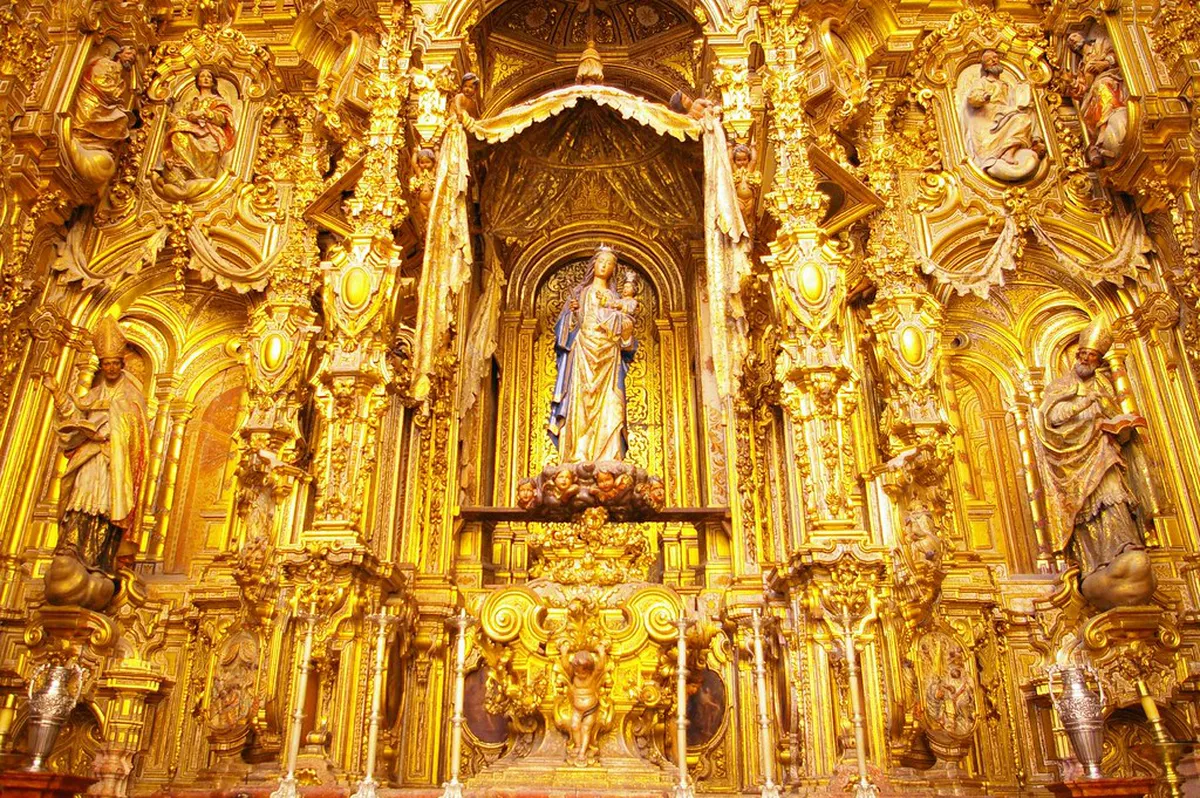
The primary altar in the Cathedral serves as a masterpiece of late Baroque craftsmanship. It features multiple tiers of carved wood that stretch toward the high stone ceiling. The use of gold leaf creates a shimmering effect when sunlight enters through the windows. This visual display was intended to inspire awe in the hearts of the local congregation.
You can observe several side chapels that house smaller but equally impressive altarpieces. These structures often display the coats of arms belonging to the noble families of the region. The integration of local identity into religious art is a common theme in this area. Each piece tells a story about the social standing of the people who funded them.
The layout of the sanctuary encourages visitors to focus on the central religious icons. Artists designed these spaces to guide the eye toward the most sacred elements of the room. You will notice that the Antibes Cathedral facade details provide a contrast to this interior. The exterior remains simple while the inside explodes with rich colors and textures.
Maintenance of these historic altars requires careful cleaning and climate control throughout the year. Local experts work hard to preserve the delicate wood and gilding for future generations to enjoy. You can visit during the quiet morning hours to see the light hitting the gold. This timing allows for a peaceful experience away from the busy afternoon crowds.
Materials and Construction Techniques of the Altarpieces
Craftsmen typically selected durable walnut or oak for the core of these large religious structures. These woods provide a stable base for the intricate carvings that define the Baroque style. Artists then applied multiple layers of plaster to smooth the surface before adding any decoration. This process ensured that the final painted details would look professional and last for centuries.
The application of gold leaf was a highly specialized skill during the seventeenth and eighteenth centuries. Workers used thin sheets of real gold to cover the most prominent parts of the altar. This technique allowed the church to glow even when only a few candles were lit. You can still see the brilliance of this work in many Antibes chapels today.
Some altars also feature local marble harvested from the surrounding hills of the Maritime Alps. These stone bases provide a heavy and solid foundation for the lighter wooden upper sections. The contrast between the cold white marble and the warm gold wood is very striking. This combination of materials demonstrates the natural wealth and artistic skill available in France.
Sculptors often included small figures of angels and saints within the complex wooden frames. These statues were carved separately and then attached to the main body of the altarpiece. This modular approach allowed for more detailed work on each individual character in the scene. You should look closely at the facial expressions of these tiny wooden figures.
Iconography and Religious Symbolism in Interior Design
The central panels of the altars often depict important scenes from the New Testament. These paintings served as visual aids for a population that was largely unable to read. Every color and gesture in the artwork carries a specific meaning for the faithful observer. The artists followed strict rules to ensure the religious messages remained clear and powerful.
You will frequently see images of the Virgin Mary and local patron saints in these churches. Saint Roch and Saint Sebastian are often featured due to their historical roles in protection. Their presence on the altars reminded the citizens of Antibes of divine help during difficult times. These figures create a connection between the local community and the broader history of the church.
The use of spiral columns is another classic feature of the Baroque style in this region. These columns represent the pillars of the Temple of Solomon in ancient religious history. They add a sense of movement and energy to the static structure of the altar. This design choice makes the entire piece feel alive and dynamic to the viewer.
Specific floral motifs like lilies and roses are often carved into the wooden borders. Lilies symbolize purity while roses often represent the love and suffering of religious figures. These natural elements connect the sacred space with the beauty of the surrounding Mediterranean landscape. Observing these details helps you appreciate the depth of thought put into every carving.
Evolution from Romanesque Roots to Baroque Style
Many churches in Antibes began as simple Romanesque structures with thick walls and small windows. These early buildings focused on strength and protection rather than elaborate decoration or visual flair. The transition to the Baroque style brought a new focus on emotion and theatrical display. This shift reflected the changing priorities of the Catholic Church during the Counter-Reformation period.
Architects added Baroque altars to these older spaces to modernize the interior of the buildings. The contrast between the heavy stone arches and the light gilded wood is very apparent. You can see how the new designs were fitted into the existing medieval floor plans. This layering of history creates a fascinating visual timeline for any modern architecture enthusiast.
The Baroque influence extended beyond the altars to include painted ceilings and ornate pulpits. These additions transformed the somber Romanesque interiors into bright and celebratory places of worship. The use of perspective in paintings helped to make the small church interiors feel much larger. You will find that these optical illusions are a hallmark of the Baroque era.
Preserving both the Romanesque and Baroque elements is a priority for the heritage boards in Antibes. They ensure that the structural integrity of the old stone remains while protecting the delicate decorations. This careful balance allows visitors to experience two distinct periods of history in one location. Each visit offers a chance to learn about the long architectural journey of the city.
Practical Information for Your 2025 Architectural Tour
Most churches in the old town are open to the public during daylight hours every day. You should check the local mass schedule to avoid disturbing active religious services in the afternoon. Entry is typically free but donations for the upkeep of the historic altars are welcome. Remember to dress modestly when entering these active places of worship out of respect.
Photography is usually permitted without the use of a flash to protect the old paintings. Using a tripod might require special permission from the church office before you begin your work. The best lighting for interior photos usually occurs during the middle of the morning. You can also visit the Chapelle de la Garoupe architecture for more stunning views.
The walking paths between the main religious sites are easy to navigate on foot. You can start your tour at the Cathedral and walk through the narrow historic streets. Many small chapels are tucked away in quiet corners of the Old Town area. These hidden gems often house some of the most beautiful and intimate Baroque decorations.
Local guides offer specialized architecture tours that explain the history of these stunning interior designs. Booking a tour in advance ensures you get the most detailed information about each site. These experts can point out hidden details that you might miss when exploring on your own. Your 2025 trip to Antibes will be enriched by understanding these sacred artistic spaces.
Frequently Asked Questions
Where are the best Baroque altars located in Antibes?
The most impressive altars are found inside the Antibes Cathedral in the heart of the Old Town. You will also find beautiful examples in the smaller chapels scattered throughout the historic district. These locations are easily accessible for any visitor exploring the city on foot during their stay.
Can I take photos of the altars in Antibes churches?
Yes you can take photos but you must turn off your flash to protect the art. Some churches may have signs requesting that you stop photography during the daily mass services. Always look for local signage or ask a church official if you are not sure.
What is the best time to visit the churches for photography?
The best time for photography is during the morning when the sun hits the interior windows. This light illuminates the gold leaf on the altars and makes the colors look more vibrant. Avoid the midday heat by staying inside these cool stone buildings during the warmest hours.
Are there any costs associated with visiting these historic sites?
Most of the historic churches in Antibes do not charge an entry fee for visitors. However the local parish always appreciates small donations to help with the high cost of restoration. Some specific museum areas within the churches may require a small ticket for entry.
Exploring the Baroque altars in Antibes churches provides a deep connection to the history of France. These masterworks represent the intersection of faith and incredible artistic skill from the seventeenth century. Your visit in 2025 will reveal the hidden beauty of the Mediterranean religious interior design. Take the time to appreciate the fine details and the stories they tell about Antibes.
Key Takeaways
- Visit Antibes Cathedral for the best Baroque altar examples.
- Morning light provides the best visibility for the gold leaf.
- Respect religious services by checking schedules before your visit.
Related reads: architecturebycity.com, architecture in antibes, fort carre vauban design.