
Architectural Textures of Arles: A 2025 Photo Guide
Explore the stunning architectural textures of Arles in 2025. Use this guide to find the best spots for your next photography trip. Visit Arles now!
On this page
Arles provides a sensory journey for every visitor in 2025. The architectural textures of Arles define the character of this historic city. Each street reveals a new story through its unique surfaces. You will find incredible variety from ancient stone to modern steel.
This visual essay explores the layers of history found in Provence. We will look at the rough textures of Roman ruins. We will also examine the sleek metal of new structures. This guide helps you capture the best details with your camera.
Ancient Limestone and Roman Relics
The Roman Arena is the crown jewel of the city. Its massive arches feature heavy limestone blocks. These stones have survived for nearly two thousand years. You can see the chisel marks left by ancient workers.
The Roman Theater offers a softer texture for photographers. Half-broken columns stand against the bright blue sky. Their smooth marble surfaces contrast with the surrounding grass. This site is perfect for capturing historical details.
The Alyscamps necropolis features rows of stone sarcophagi. Moss and lichen cover many of these ancient tombs. The green textures pop against the grey stone. Early morning light creates long, dramatic shadows here.
Visitors often overlook the details of the foundation walls. The lower levels show heavy erosion from centuries of rain. These patterns tell a story of time and endurance. You should look closely at the joints between the stones.
Entry to these sites costs about fifteen euros in 2025. This ticket usually covers multiple Roman monuments. Arrive early to avoid the mid-day heat and crowds. The light is much better for photography during the golden hour.
Intricate Details of Romanesque Carvings
St. Trophime Church is a masterpiece of the Romanesque style. Its main portal features incredibly detailed stone carvings. You will find figures of saints and mythical beasts. These shapes add a complex layer to the building.
The cloister inside the church offers a peaceful retreat. Each column has a unique capital with hand-carved scenes. The romanesque architecture in Arles is world-famous. You can spend hours studying the delicate patterns.
The stone in the cloister has a warm, sandy hue. This color changes throughout the day as the sun moves. High-contrast lighting helps to highlight the deep carvings. Bring a macro lens to capture the fine details.
Notice the contrast between the smooth walkways and the rough walls. The floors have been polished by millions of footsteps. This history adds a physical connection to the past. The silence here helps you focus on the visual art.
The church is open daily from nine until six. Admission to the cloister costs six euros in 2025. Photography is allowed but please turn off your flash. Respect the quiet atmosphere of this sacred space.
The Shimmering Metal of the LUMA Tower
Frank Gehry changed the skyline with his modern tower. The luma arles architecture uses eleven thousand metal panels. These panels reflect the light of the Provence sun. The building looks different every hour of the day.
The texture of the tower is jagged and uneven. It mimics the limestone crags found in the nearby mountains. This design connects the modern structure to the local land. You will find many interesting angles for your camera.
Glass boxes protrude from the metal skin of the building. These smooth surfaces break up the metallic pattern. They reflect the blue sky and white clouds. The result is a dynamic and ever-changing visual display.
At the base, a large glass drum anchors the tower. This transparent section contrasts sharply with the solid metal above. The interior features polished concrete and sleek white walls. These modern textures offer a clean photographic aesthetic.
Access to the LUMA park is free for everyone. You should book a tour to see the interior galleries. These tours cost twenty euros during the 2025 season. Sunset is the best time for exterior shots.
Finding the Best Arles Photography Spots
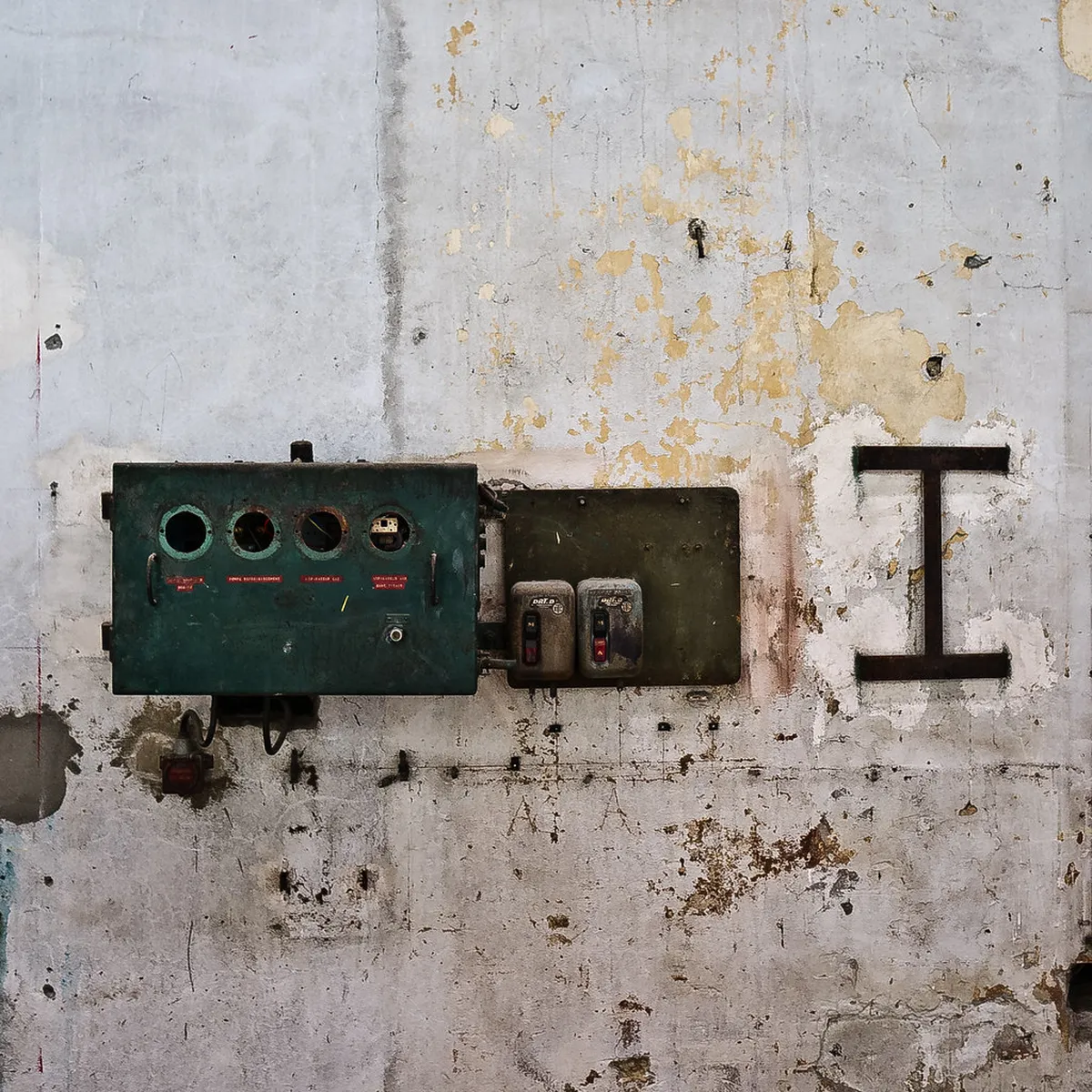
Choosing the right location is key for great photos. The narrow streets of the old town offer endless textures. Look for peeling paint and rusty iron balconies. These small details capture the soul of the city.
Visit the Place de la République for grand perspectives. The City Hall features a massive, smooth stone facade. Nearby mansions display ornate wooden doors and brass knockers. These varied materials create a rich visual tapestry.
You can find many Arles architecture photography spots near the river. The banks of the Rhône provide a wide view. Old stone piers stand against the flowing water. This area is great for long-exposure photography.
Don't forget to look up at the rooflines. Ancient clay tiles create a rhythmic, wavy pattern. Their orange and red colors glow in the evening light. These textures are a classic symbol of southern France.
Wear comfortable shoes for your walking tour in 2025. Most of the best spots are in pedestrian zones. Carry a tripod for sharp images in low light. The cobblestone streets can be quite uneven to walk on.
Frequently Asked Questions
What is the best time for photography in Arles?
The golden hour offers the most beautiful light. This occurs just after sunrise or before sunset. The low sun highlights the textures of the stone. Plan your shoot for early morning to avoid tourists.
How much are the entry fees for monuments?
A multi-site pass costs about fifteen euros in 2025. This is the best value for visiting many spots. Individual tickets range from six to nine euros. Check the local tourism office for current discounts.
Is the LUMA tower free to visit?
The surrounding park and gardens are free to enter. You need a ticket for specific exhibitions and tours. These can be booked online to save time. The exterior is always free to photograph from the park.
Arles is a city of layers and deep history. From Roman stone to Gehry's metal, the textures are endless. You will leave with a full camera and a happy heart. Start planning your creative trip to France today!
Key Takeaways
- Visit the Roman Arena for ancient limestone textures.
- Explore the LUMA tower for modern metal and glass surfaces.
- Use the golden hour to capture high-contrast architectural details.
Related reads: architecturebycity.com.