
Hôtel de Ville Arles Vaulting: Architectural Guide
Discover the complex Hôtel de Ville Arles vaulting. Learn about Mansart's stone cutting techniques and visit this French architectural marvel in 2025.
On this page
The Hôtel de Ville Arles vaulting serves as a premier example of French Baroque engineering for modern visitors. This incredible structure showcases the sheer brilliance of seventeenth-century stone cutting and high-level mathematical design. Travelers visiting the Place de la République in 2025 will marvel at the seamless flat stone ceiling inside. This technical guide explores the history and construction methods that make this specific Arles ceiling very famous.
Arles City Hall Architecture History
Arles began building its magnificent city hall in 1673 to represent the growing power of the local government. The project required a design that matched the ancient prestige of this historic Roman city in southern France. Architects looked toward the French Baroque style to provide the necessary inspiration for such a grand civic building. This specific period of design focused on perfect symmetry and creating very impressive structural feats for public viewing.
The construction project faced many delays during the early phases of its development due to complex planning issues. Local officials wanted a building that surpassed all other regional structures in terms of beauty and engineering difficulty. They chose a site near the ancient Roman obelisk and the cathedral to highlight the importance of city. This central location emphasized the transition from religious power to modern civic administration within the community of Arles.
The construction finally concluded in 1675 under the strict supervision of master builders and famous French architects. It serves as a successful bridge between the ancient Roman heritage and the newer French classical design trends. You can explore more about Arles City Hall architecture to understand its significance within the wider Provence region. The building remains a functional administrative center for the local government while serving as a popular tourist attraction.
Today the external facade still impresses travelers with its classical proportions and very detailed stone carvings. It features many ornate sculptures that tell the story of the city across several different historical periods. The main entrance leads directly into the celebrated vestibule where visitors can see the famous flat stone vault. This monumental space serves as the primary gateway into the historical interior of this massive administrative building.
Technical Details of the Flat Vault
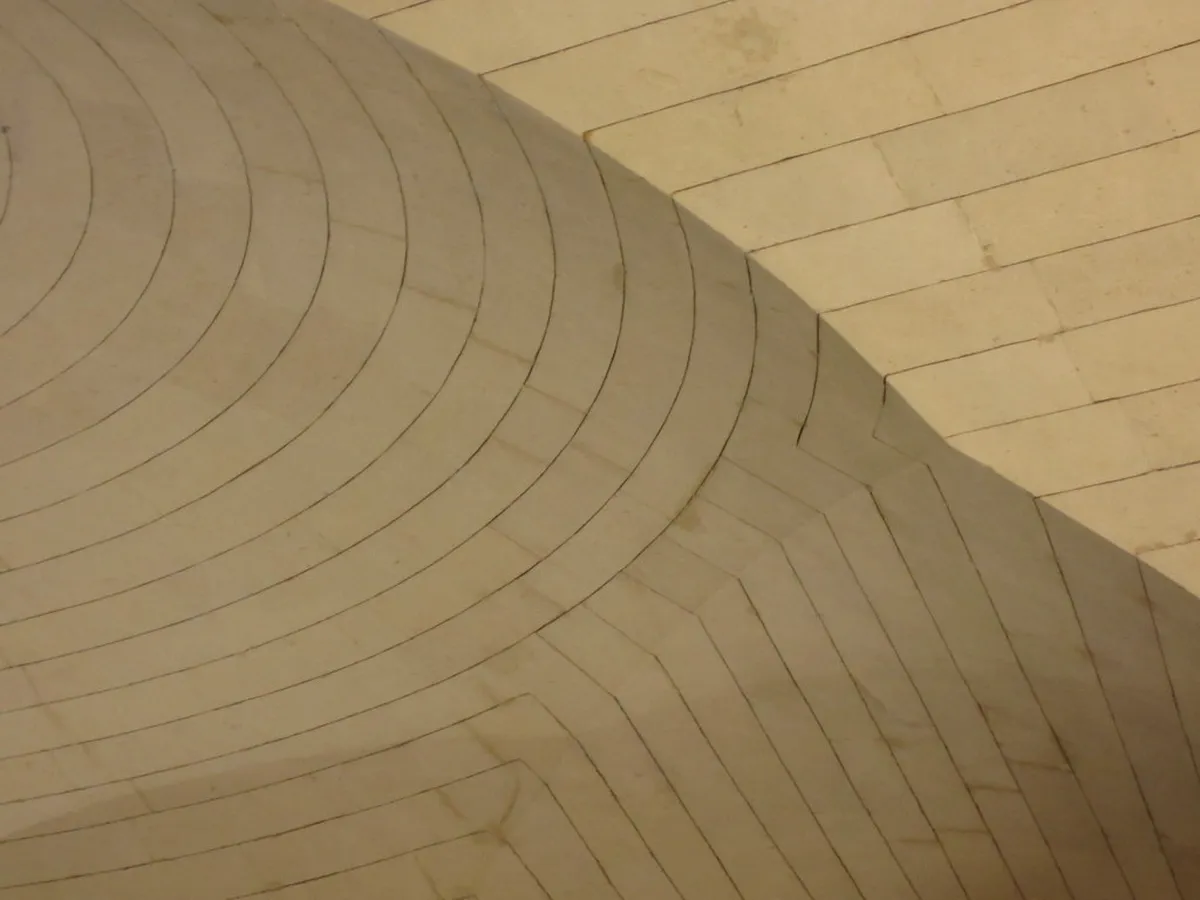
The Hôtel de Ville Arles vaulting stands as a masterpiece of stereotomy within the field of historical architecture. This technical term refers to the difficult art of cutting three-dimensional stones into very complex and specific shapes. The vault appears almost flat despite the massive weight of the stones used in its unique construction. This clever illusion creates a sense of weightlessness for any traveler standing in the entrance hall today.
The structure spans a wide area without using any central support columns or bulky wooden beams for stability. Engineers used very precise mathematical calculations to distribute the heavy stone weight safely toward the thick side walls. Each individual stone block fits perfectly against its neighbors with incredibly tight joints that resist any movement. This structural precision ensures the ceiling remains perfectly stable after more than three hundred years of continuous use.
The vault uses a special technique called the trompe to provide support for the corners of the ceiling. These architectural elements help transition the vertical weight from the ceiling down into the heavy masonry of the walls. This specific design was revolutionary for the late seventeenth century and demonstrated the high skill of French masons. It remains one of the most studied examples of advanced stone engineering found anywhere in the entire world.
The ceiling features very subtle curves that are difficult for the naked eye to spot at first glance. These gentle arcs provide the necessary tension to hold the heavy limestone blocks together without failing under pressure. Masons had to cut each individual block with extreme accuracy to avoid a catastrophic collapse during the installation. The final result is a smooth stone surface that looks like a single piece of carved white marble.
Jules Hardouin-Mansart and the Vault
Jules Hardouin-Mansart is the legendary French architect behind this incredible stone structure in the heart of Arles. He was the preferred architect of King Louis XIV and worked on many royal projects across the country. Mansart brought his sophisticated Parisian style to this southern city to create a truly world-class civic landmark building. His work here influenced many other regional buildings throughout the Provence area during the late seventeenth century period.
The architect focused on creating a grand entrance that felt open and airy for all the city officials. He designed the flat vault to impress important visitors immediately upon their arrival at the main city hall. This design choice reflected the great power and wealth of the French crown during the golden age era. You can learn about Jules Hardouin-Mansart and his Arles work to see his other local masterpieces.
Mansart's design for the vaulting was considered a very daring technical risk by his peers in the industry. Many other architects of the time doubted that such a flat stone ceiling would actually hold its weight. He used his deep knowledge of geometry and stone physics to prove all of the skeptics completely wrong. This massive success cemented his reputation as a master of structural engineering and high-end French classical design.
The architect also ensured the vaulting integrated perfectly with the external facade and the internal grand staircase nearby. He balanced the heavy stone structural elements with elegant decorative flourishes that define the French Baroque style today. This perfect harmony is a hallmark of the classical architectural movement that dominated Europe for many decades long. Mansart's architectural legacy continues to draw many thousands of students to the city of Arles every single year.
Stereotomy and Stone Cutting Secrets
The stone used for the vaulting came from nearby quarries located within the limestone hills of Provence. Masons selected high-quality limestone because of its incredible durability and very fine grain for precise cutting. This specific material allowed for the extremely sharp edges required for the complex process of stereotomy in construction. The heavy stones have hardened over many centuries to create a permanent and very stable structural masterpiece today.
Masons used complex wooden templates called panneaux to guide their difficult stone cutting process during construction. Every individual stone block in the vault has a unique and very specific shape for its position. No two blocks are exactly the same size in this complex geometric puzzle across the entire ceiling. This level of customization required many months of intense labor for the most skilled French stone craftsmen available.
The joints between the stones are nearly invisible to the naked eye because of the high-quality finishing work. This creates the visual illusion of a continuous stone canopy over the entire vestibule of the city hall. Workers used very little mortar to keep the total weight of the vault as low as possible. The structural integrity relies mostly on the physical shape and interlocking nature of the heavy limestone blocks themselves.
These specialized techniques were passed down through many generations of the traditional French stone cutting and masonry guilds. Arles became a major center for architectural excellence during the peak of the seventeenth century in southern France. The City Hall remains the best surviving example of this incredible local craftsmanship for modern researchers to study. It stands as a permanent testament to the skill and dedication of many anonymous manual laborers and masons.
Structural Preservation and Modern Integrity
The preservation of the Hôtel de Ville Arles vaulting requires constant monitoring by local heritage conservation experts today. These professionals use modern laser scanning technology to check for any subtle shifts in the stone ceiling blocks. Maintaining the structural integrity is vital because the building still serves as a busy administrative hub for Arles. Any movement in the walls could potentially threaten the delicate balance of the flat stone vaulting system above.
Climate control plays a significant role in protecting the historical limestone from erosion and moisture damage over time. Experts ensure that the humidity levels inside the vestibule remain stable throughout the changing seasons in southern France. This prevents the stone from becoming brittle or developing cracks that could weaken the overall structural ceiling frame. These careful preservation efforts allow the building to remain open for the public to enjoy every single day.
Recent restoration projects have focused on cleaning the surface of the stones to reveal their original light color. Layers of dust and pollution from the busy square outside had darkened the vault over many long decades. Specialized technicians used gentle methods to remove this grime without damaging the delicate edges of the historic masonry. The ceiling now glows with the natural beauty of the Provence limestone that Mansart originally chose for it.
Engineers also check the roof structure above the vault to ensure no water leaks can enter the masonry. Proper drainage is essential for protecting the complex internal geometry of the stone blocks from freezing or expansion. These invisible maintenance tasks are what keep the vault standing after three hundred and fifty years of history. The city of Arles remains committed to protecting this engineering marvel for many future generations of world travelers.
How to Visit Hôtel de Ville Arles in 2025
Visitors can access the ground floor vestibule for free during the standard business hours of the city administration. The City Hall is conveniently located on the eastern side of the famous and historic Place de la République. It is typically open from Monday to Friday between the hours of 8:30 AM and 5:00 PM today. Check for local holiday closures before you plan your 2025 architectural tour of this beautiful southern French city.
Standing directly under the center of the vault provides the very best perspective of its impressive scale and design. Look closely at the intersections of the stone blocks to see the complex geometry used by the builders. Photography is generally allowed in the main entrance hall as long as you use it for personal purposes. Please avoid using a camera flash to protect the historic stone surfaces from unnecessary light and heat damage.
The surrounding square offers many other incredible historical sites to explore after you finish your indoor vault visit. You can find the best architecture in Arles just a few steps away from the main City Hall doors. The Saint-Trophime Cloister is located directly across the square from the entrance and features many stunning Romanesque carvings. This entire area is part of the UNESCO World Heritage site that makes Arles a top travel destination.
Guided tours are often available through the main tourism office located nearby in the center of the town. These professional tours provide much deeper insights into the technical construction and the history of the flat vaulting. Expert guides can point out subtle engineering details that most casual visitors would likely miss during their walk. This is definitely the best way to fully appreciate the architectural genius of Jules Hardouin-Mansart in person.
Frequently Asked Questions
Why is the vaulting at Arles City Hall famous?
It is famous for being a nearly flat stone structure that stands without any central pillars for support. The design showcases the advanced technique of stereotomy from the peak of the seventeenth century in France. Architects from all over the world visit this site to study its unique and complex geometric design.
Is there a fee to see the vault?
No, the main entrance vestibule is completely free for the public to enter and enjoy during the day. It is an active government building so please respect the staff who are working in the offices. The visiting hours are usually the standard business hours on weekdays throughout the entire calendar year.
What is stereotomy in architecture?
Stereotomy is the specialized art of cutting stones into very specific and complex geometric shapes for building use. This technique allows for the construction of very difficult vaults and arches without using modern steel supports. The Arles vaulting is widely considered to be one of the best examples of this skill.
The Hôtel de Ville Arles vaulting remains a cornerstone of French engineering history and architectural beauty in 2025. This flat stone ceiling continues to amaze architects and tourists alike with its daring and successful structural design. It serves as a perfect example of the mastery of Jules Hardouin-Mansart and the local French masons. Plan your next visit to witness this incredible feat of stereotomy in the heart of Provence very soon.
Key Takeaways
- The vault is a masterpiece of stereotomy stone cutting.
- It was designed by the royal architect Jules Hardouin-Mansart.
- The structure appears flat but uses geometry to stay stable.
- Visitors can view the vault for free during business hours.
Related reads: architecturebycity.com, place de la republique architectural layout, roman architecture in arles.