
Discover Arles City Hall Architecture in France
Explore the stunning Arles City Hall architecture in 2025. Learn about Mansart's vaulting and the Place de la République layout today.
On this page
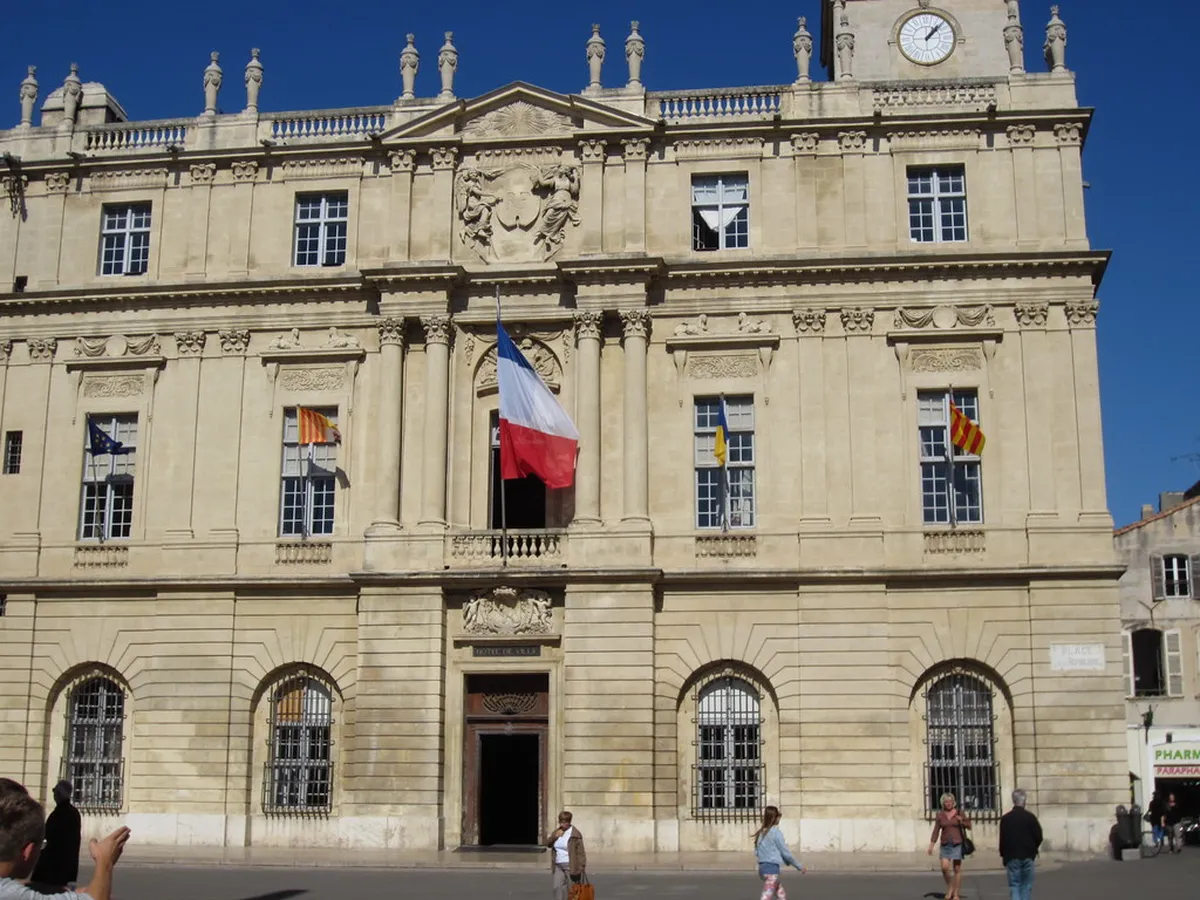
Arles City Hall architecture stands as a magnificent masterpiece of 17th-century French design and civic pride. This iconic landmark defines the historic center of the city on the bustling Place de la République. Visitors arriving in 2025 will find its massive classical facade to be truly breathtaking and impressive. The building serves as the administrative heart for the local government of this ancient Provencal community.
The structure bridges the gap between the ancient Roman ruins and the vibrant modern life of Arles. It was designed to showcase the power and stability of the French state during the golden age. You can explore its grand vestibule and public spaces during regular business hours throughout the week. This guide covers the intricate details that make this specific building an architectural treasure in southern France.
Jacques Peytret and Jules Hardouin-Mansart led the ambitious construction of this grand administrative hub in the 1670s. Their collaboration resulted in one of the most unique and technically advanced civic structures in the country. The design showcases the elegance and strict mathematical symmetry typical of the late Louis XIV era. It remains a top site for fans of architecture in Arles who appreciate classical masonry.
The Influence of Jules Hardouin-Mansart
Jules Hardouin-Mansart was the premier royal architect for the powerful King Louis XIV of France. He brought immense royal prestige to the important Arles City Hall architecture project in the late 1600s. His involvement ensured that the building reflected the absolute power of the French monarchy during that era. The structure still stands as a testament to his incredible skill and lasting influence on European design.
Mansart did not work alone on this massive and complex civic project for the city of Arles. He collaborated closely with a highly talented local architect named Jacques Peytret during the construction phase. Together they blended Parisian royal elegance with the deep traditions of local Provencal stone masonry and carving. This partnership created a building that feels both grandly royal and uniquely connected to its local environment.
You can see his signature style in the perfectly balanced proportions and rhythmic window placements today. The windows and classical columns follow a very strict architectural order that emphasizes harmony and rational thought. Many scholars study Jules Hardouin-Mansart Arles work for its technical precision and aesthetic beauty. It represents a peak moment in the history of French classical architecture during the seventeenth century.
The construction of this stone masterpiece lasted from 1673 until its final official completion in 1676. Local workers used high-quality limestone sourced from the nearby quarries located in the rugged Alpilles mountains. This specific stone gives the entire building its characteristic warm and golden glow in the afternoon sun. It has weathered the many centuries with remarkable grace and maintains its structural integrity to this day.
Today the city hall remains the central hub of local political power and administrative life in Arles. Its grand presence constantly reminds the citizens of their deep historical roots and rich cultural heritage. The building anchors the entire northern side of the main public square for the whole community. It provides a stunning and formal backdrop for modern festivals and traditional markets held throughout the year.
The Remarkable Flat Vaulting of the Vestibule
The main vestibule contains the most famous and technically impressive feature of the entire building interior. Engineers and architects call this specific structure the "voute plate" or the famous flat stone vault. This technical marvel uses stone pressure and geometry to support a heavy ceiling without any vertical pillars. It spans the wide entrance hall with a grace that seems to defy the laws of gravity.
Jacques Peytret designed this incredibly complex stone structure with extreme mathematical skill and deep structural knowledge. Each individual stone block is cut with precision to fit perfectly within the overall arched design. This specific masonry technique was revolutionary for 17th-century construction projects in the southern regions of France. You can learn more about Hotel de Ville Arles vaulting when you visit the interior.
Standing beneath the massive vault feels like a magical and weightless experience for many modern visitors. The ceiling appears almost flat but safely supports the heavy weight of the stone floors located directly above. Architects from all around the world travel to Arles just to study this specific feat of engineering. It demonstrates the advanced technical knowledge held by French stone masons during the late seventeenth century period.
Soft natural light enters the vestibule from the grand arched doorways facing the public square outside. This light illuminates the intricate and fine joints between each hand-carved stone block in the ceiling. You can still see the faint marks left by the original tools used by the historic craftsmen. These small details connect modern visitors directly to the skilled workers who built this structure long ago.
The grand vault serves as the main entrance for official city ceremonies and high-level government events. It creates a powerful sense of awe and respect for everyone who enters the historic building. The acoustics in this massive stone hall are also quite impressive and unique for public speeches. Its ingenious design ensures the long-term structural integrity of the entire city hall for future generations.
Architectural Layout of Place de la République
The historic city hall sits prominently on the famous and beautiful Place de la République in Arles. This square acts as the primary gathering space for the entire local community and visiting tourists alike. It features a diverse and fascinating mix of architectural styles from several different historical eras. The Place de la République architectural layout helps visitors understand the city's long urban history.
In the exact center of the square stands a massive and ancient Egyptian obelisk made of stone. This ancient monument was moved here from the ruins of the Roman circus during the 17th century. It creates a striking visual contrast with the classical 17th-century facade of the nearby city hall building. The arrangement of these monuments creates a sense of timelessness in the heart of the city.
To the east of the city hall you will see the famous Church of Saint-Trophime. Its stunning Romanesque facade is recognized as a prestigious UNESCO World Heritage site for its historical value. The city hall complements this religious structure with its own sense of secular grandeur and civic importance. Both buildings define the unique cultural and architectural identity of this historic Provencal town today.
The square underwent significant and thoughtful renovations recently to improve pedestrian access and safety for everyone. Wide stone paving now connects the city hall entrance directly to the base of the central obelisk. Tourists visiting in 2025 can walk safely across this beautiful open space without worrying about heavy traffic. It remains the most photographed and beloved spot in the entire city of Arles for travelers.
Many surrounding cafes offer the very best views of the ornate city hall facade and its details. You can enjoy a local coffee while admiring the intricate stonework and classical statues from a distance. The square regularly hosts vibrant weekly markets and festive community events throughout the entire calendar year. It truly serves as the beating heart and social center of local Arlesian life for residents.
Arles City Hall Architecture Facade Details
The exterior facade of the building showcases the very best of the classical French Baroque style. It features three distinct horizontal levels with a rhythmic and balanced placement of large stone windows. Each level has its own unique decorative carvings and fine stone moldings to provide visual variety. The strict symmetry reflects the rational and ordered thinking of the early Enlightenment period in France.
A grand stone balcony sits directly above the main entrance portal on the second floor level. This balcony was historically used for making important public announcements and official proclamations to the citizens. It is supported by very ornate stone brackets decorated with intricate scrolls and classical leaves. The fine ironwork on the railings adds a final touch of elegance to the building's exterior.
The upper roofline features a decorative balustrade that carefully hides the sloping roof from the street level. This specific design choice was very popular in royal French architecture during the time of Mansart. It creates a clean and strong horizontal line against the bright blue Provencal sky for viewers. The overall visual effect is one of permanence, stability, and high legal authority for the city.
Intricately carved reliefs decorate the flat spaces between the large upper floor windows on the main facade. These sculptures depict important local symbols and classical motifs of power and good governance for the city. The quality of the stone carving remains remarkably sharp despite centuries of exposure to the local elements. The Arles City Hall architecture is truly a significant work of public art for all to see.
The side of the building connects seamlessly to an even older clock tower with a long history. This tower actually predates the 17th-century expansion and renovation of the main city hall structure. It features a unique and decorative iron cage designed to hold its heavy and loud bronze bell. The combination of these different styles shows the steady growth of the city over many centuries.
Roman Foundations and Underground History
The 17th-century city hall was actually built directly on top of massive and ancient Roman structures. Large parts of the Roman cryptoporticus lie hidden directly beneath the floors of the modern building. These underground galleries originally served as the strong foundations for the grand Roman forum of the city. They are a vital part of the rich Roman architecture in Arles still visible today.
You can access these ancient and dark ruins from an entrance located near the city hall building. They provide a fascinating and rare look at the city's earliest urban planning and massive engineering skills. The 17th-century architects had to build very carefully over these historic tunnels to ensure total stability. This layers of visible history make the entire site extremely significant for archaeologists and history buffs.
The current city hall replaced an much older and smaller medieval structure that once stood on this site. As Arles grew in regional importance it clearly needed a much grander and more modern administrative center. The decision to hire royal architects from Paris showed the city's high status and local wealth. This historical evolution is clearly visible in every single stone of the current building's design.
Ongoing preservation efforts continue to protect both the ancient Roman and the beautiful Baroque layers of the site. The city government invests heavily in maintaining the limestone exterior walls and the underground masonry regularly. Modern lighting now highlights the architectural details during the beautiful evening hours for people in the square. It serves as a shining example of excellent heritage conservation in modern-day France for others.
Walking through the different levels of the building feels like traveling back through many layers of time. You move from the dark Roman basement to the grand and bright Baroque halls above it. This physical transition shows how the city successfully adapted to new styles while respecting its past. It is a must-see site for anyone interested in the long history of urban development.
Interior Splendor and the Grand Staircase
Beyond the famous vestibule lies a truly magnificent and wide ceremonial staircase made of local stone. This impressive feature allows official access to the grand council chambers located on the second floor. It uses a grand design that was intended to impress visiting dignitaries and local political leaders. The stone steps are noticeably worn smooth by over three centuries of heavy and daily use.
The main council chambers feature very high ceilings and extremely ornate plasterwork throughout the entire room. Large and tall windows provide excellent views over the busy Place de la République located far below. These rooms still host official government meetings for the modern Arles city council and local leaders. They perfectly blend historical prestige with modern administrative functionality for the current 2025 government needs.
Beautiful and historic portraits of former city leaders line the long interior hallways of the second floor. These artworks tell the long and complex story of the city's political evolution and local leadership. The wooden furniture in the main halls often dates back many decades to previous historic eras. Every single room reflects the deep pride and character of the local Arlesian community and history.
The lighting systems inside the building have been carefully and thoughtfully updated during the last few years. Modern and discreet fixtures complement the historical atmosphere without being distracting to the many daily visitors. This ensures that the intricate ceiling details and carvings are clearly visible to everyone who enters. The interiors are a major highlight of the Arles City Hall architecture for any visitor.
Photography is usually permitted in the main public areas of the hall for those with cameras. Capturing the play of natural light on the old stone is quite popular with amateur photographers. Be sure to check for any temporary local restrictions during your specific visit in the year 2025. The building offers many unique and artistic perspectives for creative photographers from around the world.
Frequently Asked Questions
Who designed Arles City Hall architecture?
Jules Hardouin-Mansart and the local architect Jacques Peytret designed the building between 1673 and 1676. Mansart was famous for his extensive work on the Palace of Versailles for King Louis XIV. Their collaboration created a unique blend of royal Parisian style and local Provencal stone masonry techniques.
What is the flat vault in the Arles City Hall?
The flat vault is a unique stone ceiling located in the main entrance vestibule of the building. It uses complex geometry and lateral pressure to support itself without any vertical central pillars or columns. This feature is considered a technical masterpiece of 17th-century engineering in the southern part of France.
Is Arles City Hall open to the public in 2025?
Yes, the public can visit the grand vestibule and some administrative halls during regular business hours today. Most visitors can enter the main entrance area for free to admire the historic stone vaulting. Always check for local holiday closures before you plan your specific visit to this historic hall.
Where is the building located within the city?
The city hall is located on the northern side of the historic Place de la République in Arles. It sits adjacent to the ancient Church of Saint-Trophime and the famous central Egyptian stone obelisk. This central location makes it very easy to find during any walking tour of the historic city.
Arles City Hall architecture remains a pinnacle of French civic design and stone masonry expertise today. Its stunning flat vaulting and classical facade continue to inspire and awe visitors from around the globe. Plan your visit in 2025 to experience this incredible history and technical beauty for yourself. It is a central part of any tour of architecture in Arles during your next vacation.
Key Takeaways
- Marvel at the gravity-defying flat stone vaulting in the main vestibule.
- See the collaboration between royal architect Mansart and local master Jacques Peytret.
- Explore the layers of history from Roman foundations to Baroque facade details.
- Visit the heart of the city at Place de la République in 2025.
Related reads: architecturebycity.com, luma arles architecture, romanesque architecture in arles.