
Guide to the Chartreuse du Val de Bénédiction Layout
Explore the 2025 Chartreuse du Val de Bénédiction layout guide. Learn about this Carthusian masterpiece in Villeneuve-lès-Avignon today! Book your visit now.
On this page
The Chartreuse du Val de Bénédiction stands as a monument to medieval religious architecture in southern France. This expansive monastery was founded by Pope Innocent VI across the river from the bustling city of Avignon. Visitors today come to study the intricate Chartreuse du Val de Bénédiction layout and its unique spatial design. The complex offers a deep look into the silent lives of the Carthusian monks during the fourteenth century. You will find that the architectural flow transitions perfectly from public gathering spaces to private spiritual retreats. This guide provides technical insights into how the monastery functioned as both a home and a sacred sanctuary. Understanding the physical arrangement of these buildings helps you appreciate the history of the entire region.
Historical Origins of the Carthusian Monastery
The monastery began its life in 1356 under the direct patronage of the reigning Pope Innocent VI. He chose this specific location to escape the crowded streets and political noise of the main papal court. The initial construction focused on creating a space that could support both community life and absolute individual solitude. Early architects utilized local limestone to build strong walls that would last for many hundreds of years. This material gives the entire complex a uniform and glowing appearance during the golden hour in France.
As the monastery grew it became one of the largest and most influential Carthusian houses in Europe. Subsequent leaders added new wings and decorated the interiors with impressive works of art and fine religious carvings. The site eventually housed twelve monks and several brothers who managed the daily operations of the large estate. Each expansion respected the original geometric plan to maintain the required silence and order for the residents. You can see how the Gothic style evolved through different construction phases over the centuries.
The monastery faced significant challenges during the French Revolution when many religious properties were seized by the state. Much of the original furniture and sacred items were sold or destroyed during this period of intense national change. However the main structural bones of the complex remained intact for future generations to study and enjoy. Restoration efforts in the twentieth century helped to bring back the original character of the various monastic rooms. Today the site serves as a cultural center while preserving its rich architectural and spiritual heritage.
The strategic position of the monastery allowed it to oversee the Rhone river and the city of Avignon. This location provided security while keeping the monks close to the spiritual heart of the Catholic world. You will notice that the walls are thick and designed to repel both heat and external noise effectively. This technical design ensured that the inner cloisters remained a world apart from the outside secular environment. Visitors should look for the subtle differences in stonework that mark various eras of historical development.
The preservation of the site is managed with great care to ensure the masonry survives another millennium. In 2025 new digital guides offer interactive maps to help tourists navigate the complex paths and hidden corridors. These modern tools highlight the engineering feats required to bring water into the dry landscape of Provence. Exploring this history prepares you for a deeper look at the technical aspects of the building plan. The monastery remains a testament to the power and wealth of the Avignon papacy.
Architecture of the Three Main Courtyards
The structural spine of the monastery consists of three distinct courtyards that organize the daily activities of monks. The first area you enter is the Cour d'Honneur which served as the public face of the complex. This space connected the monastery to the outside world and contained the administrative offices and guest reception rooms. Its design is more open and welcoming compared to the strictly private areas located further inside the site. The symmetry of this courtyard reflects the balanced life the monks aimed to achieve through their daily routines.
Beyond the public entrance lies the Small Cloister which connects the church to the refectory and the chapter house. This area served as the functional heart of the community where monks gathered for essential group activities. The vaulted walkways provided shade and a place for quiet contemplation between the frequent scheduled times of prayer. You can see the transition from Romanesque influences to more refined Gothic arches in this specific section. The scale here is intimate to encourage focus and personal reflection during the short periods of social contact.
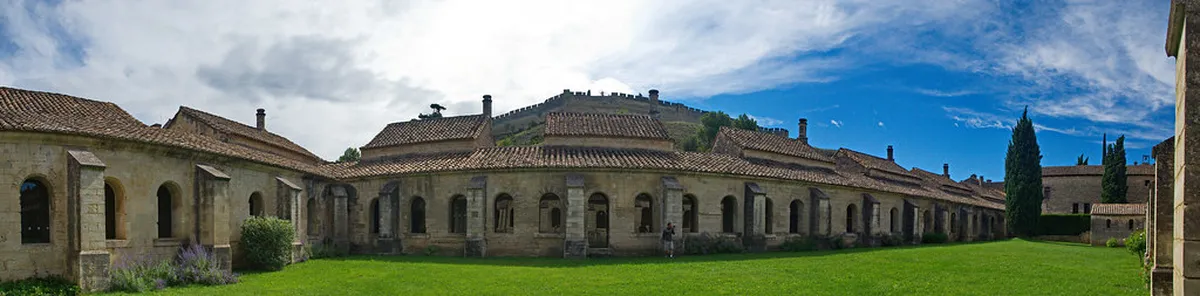
The Great Cloister is the most impressive part of the layout due to its massive scale and length. It measures eighty meters on each side and acts as the primary circulation route for the residential areas. This courtyard is surrounded by the individual houses where the monks spent the majority of their time in silence. The sheer size of the Great Cloister allows for a large central garden that provides light and air. This design ensures that every monk has access to nature without ever leaving the safety of the monastery.
Water management played a crucial role in the design of these courtyards and the surrounding service buildings. A central fountain known as the Fontaine de Saint-Jean sits at the crossroads of the primary monastic pathways. This fountain was part of a sophisticated hydraulic system that moved water throughout the entire complex for daily use. Such engineering was rare in the fourteenth century and shows the advanced technical skills of the papal builders. The sound of running water added a peaceful auditory layer to the silent environment of the cloisters.
Each courtyard was built with specific acoustics in mind to carry the sound of bells and chanted prayers. The stone surfaces reflect sound in a way that creates a sense of vastness even in smaller enclosed spaces. This technical detail was intentional to remind the inhabitants of the divine presence in every corner of their home. Walking through these spaces in 2025 allows you to feel the rhythm of medieval life through architectural design. The progression from the public Cour d'Honneur to the private Great Cloister is a masterful spatial journey.
The Chartreuse du Val de Bénédiction Layout
The Chartreuse du Val de Bénédiction layout follows a strict linear progression that emphasizes the journey toward spiritual isolation. Technical plans show that the church acts as the central anchor for the entire eastern side of the complex. From this point the residential and communal wings extend in a logical pattern to maximize efficiency and silence. You can find more details about this style in our guide to architecture in Avignon and the surrounding areas. The placement of the church ensures that all residents are within short walking distance of the sanctuary.
The refectory is located on the southern side of the Small Cloister to separate eating from the prayer areas. This hall was used only on Sundays and feast days when the monks were allowed to eat together in silence. The architecture of the refectory includes a raised pulpit where one monk would read sacred texts during the meal. Large windows allow natural light to flood the space while maintaining a view of the quiet inner gardens. This specific arrangement minimized distractions and kept the focus on spiritual nourishment rather than social interaction.
To the north of the main cloisters you will find the service areas and the original tinctorium or laundry. These buildings were essential for the self-sufficiency of the monastery and housed the lay brothers who performed manual labor. The layout keeps these busy and potentially noisy activities far away from the quiet zones of the Great Cloister. Thick stone walls and long corridors act as acoustic buffers to preserve the silence of the residential cells. This separation of functions is a hallmark of Carthusian urban planning and technical site management.
The cemetery cloister provides a final resting place for the monks within the very heart of the monastery walls. This space is located between the church and the Great Cloister to remind the living of their mortality. The design is simple and features low arches and humble markers that reflect the Carthusian vow of poverty. It serves as a transition zone that connects the active liturgical life with the eternal rest of the brothers. The technical integration of the cemetery into the daily path of the monks is a profound architectural choice.
Architects designed the entire site to be self-contained and easily defended against external threats or unwanted intrusions. The perimeter walls are high and feature limited entrance points that could be monitored by a single gatekeeper. This layout provided the security needed for the monks to focus entirely on their religious duties without any fear. In 2025 you can walk the full perimeter to see how the monastery integrates with the natural hillside. The technical layout remains one of the best examples of medieval planning surviving in France today.
Design Features of the Individual Monks' Cells
The monks lived in small individual houses rather than communal dormitories to ensure total isolation during the long day. Each cell in the Chartreuse du Val de Bénédiction layout consists of several specialized rooms for work and prayer. The ground floor usually contained a workshop where the monk could practice a craft like carpentry or bookbinding. This kept the resident busy and productive while remaining alone within his own private and walled garden space. The upper floor served as the primary living area and the oratory for personal religious devotion.
The oratory was the most important room in the cell and was designed for intense focus and quiet prayer. It often featured a simple wooden desk and a place for the monk to sleep on a hard pallet. Natural light entered through small windows that were positioned to prevent a view of the neighboring houses or gardens. This design choice ensured that the monk's attention stayed directed inward or toward the heavens at all times. You can read more in our Villeneuve-lès-Avignon architecture guide for local context. The simplicity of these rooms is a striking contrast to the ornate papal palaces nearby.
Each house included a small private garden where the monk could grow vegetables or medicinal herbs for his use. These gardens were enclosed by high walls to prevent any visual contact with other members of the community. A small hatch in the wall allowed a brother to deliver food without the monk ever having to speak. This mechanical solution to the problem of communication shows the technical ingenuity of the Carthusian order. The garden provided a vital connection to the earth while maintaining the strict requirements of a hermit's life.
The cells were arranged around the Great Cloister in a rhythmic pattern that created a sense of infinite order. Each door was marked with a letter of the alphabet to identify the resident who lived within the walls. The uniformity of the houses emphasized the equality of the monks before God and their shared religious mission. Walking along the cloister walk today gives you a sense of the scale of this silent community. The repetition of the doors and windows creates a powerful visual effect that is unique to this monastery.
Modern visitors can explore a restored cell to see the practical details of life in the fourteenth century. You will notice the clever use of space and the integration of basic amenities within a very small footprint. The fireplace provided necessary warmth during the cold winter months while the stone floors kept the house cool. These technical features made the difficult life of a hermit more manageable over many decades of total solitude. The design of these cells remains a masterpiece of functional and spiritual residential architecture.
Artistic Elements Within the Trinity Chapel
The Trinity Chapel served as the private place of worship for the Pope when he visited the monastery grounds. Its architecture is more refined and decorative than the austere cloisters used by the regular monks of the house. The chapel features stunning frescoes painted by the famous Italian artist Matteo Giovanetti during the fourteenth century. These paintings depict scenes from the life of Saint John the Baptist and the story of the Holy Trinity. The quality of the artwork rivals the decorations found in the Palais des Papes architecture across the river.
The vaulting in the chapel is a classic example of Gothic engineering with slender ribs supporting a high ceiling. This design draws the eye upward and creates a sense of light and space within the small building. The windows were originally filled with stained glass that cast colorful light onto the painted walls and stone altars. Although some glass was lost the remaining fragments show the high level of craftsmanship available to the Pope. The technical precision of the stone carving in the doorways is also a highlight for architectural students.
The tomb of Pope Innocent VI is located within the chapel and remains a focal point for many visitors. This funerary monument features a recumbent statue of the Pope dressed in his full ceremonial and religious robes. The canopy over the tomb is intricately carved with small figures of saints and complex architectural motifs of the era. It serves as a reminder of the powerful connection between the monastery and the highest levels of the church. The preservation of this tomb is a priority for the heritage site managers in 2025.
Acoustics in the Trinity Chapel were carefully managed to enhance the sound of the liturgy and the small choir. The height of the ceiling and the curve of the apse allow sound to resonate with great clarity. This creates an immersive spiritual experience that would have been very powerful for the medieval worshipers who gathered here. Even today the silence of the room carries a weight that is palpable to those who enter the space. The chapel remains one of the most beautiful and technically accomplished parts of the entire layout.
Restoration work on the frescoes continues to reveal new details about the techniques used by the medieval Italian masters. Experts use modern technology to stabilize the pigments and prevent further damage from humidity or light exposure during tours. These efforts ensure that the artistic legacy of the monastery remains visible for future generations of art historians. You should spend time looking at the detail in the faces of the figures on the chapel walls. The blend of art and architecture makes this chapel a unique treasure in the south of France.
Modern Visiting Guide for the 2025 Season
Visiting the Chartreuse du Val de Bénédiction in 2025 requires some planning to ensure you see every important section. The site is open daily but hours vary between the summer and winter months to accommodate the light. Tickets cost approximately ten euros for adults and offer access to the cloisters and the main chapel areas. You should allow at least two hours to walk through the grounds and read the informational displays provided. Guided tours are available in several languages and provide deeper insight into the technical history of the site.
The monastery is located in Villeneuve-lès-Avignon which is a short bus ride or walk from the center of Avignon. You can cross the Pont Daladier to enjoy a scenic view of the river and the city walls. Parking is available nearby for those traveling by car but the streets are narrow and often quite busy. Walking is the best way to experience the transition from the city to the quiet monastery grounds. Wear comfortable shoes as the stone paths can be uneven and require careful steps during your visit.
Photography is permitted in most areas but you should be respectful of the quiet atmosphere that is still maintained. The light in the Great Cloister is best for photos during the early morning or the late afternoon hours. You will find that the shadows cast by the arches create dramatic and beautiful patterns on the ground. Please avoid using flash inside the Trinity Chapel to protect the delicate fourteenth-century frescoes from light damage. Capturing the scale of the layout is a rewarding challenge for any amateur or professional photographer.
The onsite bookshop offers a wide range of technical guides and history books about the Carthusian order and architecture. You can also find local products like honey and lavender that reflect the agricultural heritage of the surrounding Provence. A small cafe provides refreshments and a place to sit and reflect on your tour of the monastery. This area is a great spot to review your map and plan your next stop in the region. The visitor center staff are very knowledgeable and can answer specific questions about the building's preservation.
Seasonal events like concerts and art exhibitions are frequently held in the courtyards during the warmer summer months of 2025. These events bring new life to the ancient stones and allow you to experience the acoustics in person. Check the official website before your trip to see if any special programs coincide with your planned visit. The combination of historical architecture and modern cultural life makes this a must-see destination in southern France. The Chartreuse continues to be a place of beauty and inspiration for everyone who visits.
Frequently Asked Questions
What is the most unique feature of the Chartreuse layout?
The most unique feature is the individual houses for monks arranged around the massive Great Cloister. This design ensures total solitude while keeping the community connected through shared architectural paths and sacred spaces. It is a rare example of a hermitage built on such a grand scale.
Can I visit the individual monks' cells today?
Yes you can visit a restored cell to see exactly how the monks lived and worked. The cell includes a small garden and a workshop which are essential parts of the technical layout. These spaces offer a rare glimpse into the daily life of the Carthusian order.
Is the monastery accessible for people with limited mobility?
Most of the ground floor cloisters and courtyards are accessible though some paths feature uneven historic cobblestones. Ramps are available in certain areas to help visitors reach the main chapel and the public reception rooms. It is best to check with the visitor center for specific accessibility maps.
Why is the monastery located in Villeneuve-lès-Avignon instead of Avignon?
The Popes wanted a quieter location away from the political density of Avignon for their spiritual retreats. Villeneuve-lès-Avignon offered more space for the massive cloisters and gardens required by the Carthusian order. This location provided the perfect balance between proximity to power and the need for religious silence.
The Chartreuse du Val de Bénédiction remains a masterpiece of medieval planning and religious devotion. Its technical layout perfectly balances the needs of a silent community with the grandeur of papal patronage. Exploring the cloisters and the Trinity Chapel offers a unique window into the history of France in 2025. We hope this guide helps you appreciate the architecture and the quiet beauty of this ancient site. Be sure to check our other resources for more information on the architecture in Avignon during your next trip.
Key Takeaways
- The layout features three distinct courtyards serving different social and religious functions.
- Individual monks' cells include private gardens and workshops to support a life of solitude.
- The Trinity Chapel houses rare 14th-century frescoes by the Italian master Matteo Giovanetti.
- The site is one of the largest and best-preserved Carthusian monasteries in all of Europe.
Related reads: architecturebycity.com, fort saint andre military architecture, tour philippe le bel defensive architecture.