
Tour Philippe-le-Bel Defensive Architecture Guide
Explore the Tour Philippe-le-Bel defensive architecture in Villeneuve-lès-Avignon. Learn about its 2025 visiting hours and medieval design history today.
On this page
Explore the stunning Tour Philippe-le-Bel defensive architecture during your next 2025 trip to Southern France. This massive stone structure stands proudly on the banks of the Rhône River in Villeneuve-lès-Avignon. It served as a powerful fortress and a gateway to the famous bridge of Avignon. Today, the tower offers a unique glimpse into medieval military engineering and royal French history.
The Origins of This Royal French Stronghold
King Philippe le Bel commissioned this tower during the late thirteenth century to demonstrate royal power. The building project established a firm French presence directly across from the papal city of Avignon. It functioned as a strategic bridgehead to control movement across the busy and important Rhône River. This monumental structure remains a core part of the Villeneuve-lès-Avignon architecture guide for modern visitors.
Construction occurred in two distinct phases to meet the evolving military needs of the French crown. The lower levels were completed first to provide immediate security for the bridge and nearby residents. Later additions in the fourteenth century increased the height and the overall defensive capabilities of the tower. These historical layers provide a fascinating timeline of medieval building techniques used by royal architects.
The tower originally stood at the end of the Saint-Bénézet bridge to manage all passing trade. Soldiers stationed here collected tolls and monitored everyone entering the Kingdom of France from the East. Its massive scale sent a clear message of authority to the Popes living in Avignon. The building has survived centuries of conflict while maintaining its imposing and sturdy structural integrity.
Features of Tour Philippe-le-Bel Defensive Architecture
The Tour Philippe-le-Bel defensive architecture utilizes heavy limestone blocks sourced from local quarries in Provence. These thick walls were designed to withstand heavy siege engines and direct attacks from hostile forces. Narrow arrow slits are positioned strategically to allow archers to defend the tower from multiple angles. The sheer verticality of the walls made scaling the structure nearly impossible for medieval infantry units.
The top of the tower features distinctive battlements and machicolations used for dropping projectiles on enemies. These architectural elements were both functional for defense and symbolic of the high status of the king. Defensive mastery is evident in the way the staircases were built to favor the defenders. Every corner of the fortress was planned with tactical advantages and structural longevity in mind.
Inside the tower, visitors can see impressive Gothic rib vaulting that supports the heavy stone floors. These vaults demonstrate the high level of craftsmanship available to royal builders during the Middle Ages. You can learn more about similar styles in our guide to Avignon Gothic architecture found nearby. The interior spaces remain remarkably cool even during the hot summer months of Southern France.
The tower also contains a small chapel decorated with simple but elegant medieval religious carvings. This space provided a place of worship for the soldiers who lived within the cold walls. It highlights the dual nature of medieval life where military duty and religious faith were linked. The preservation of these details makes the tower a highlight for fans of historical design.
Guarding the Historic Bridge of Avignon
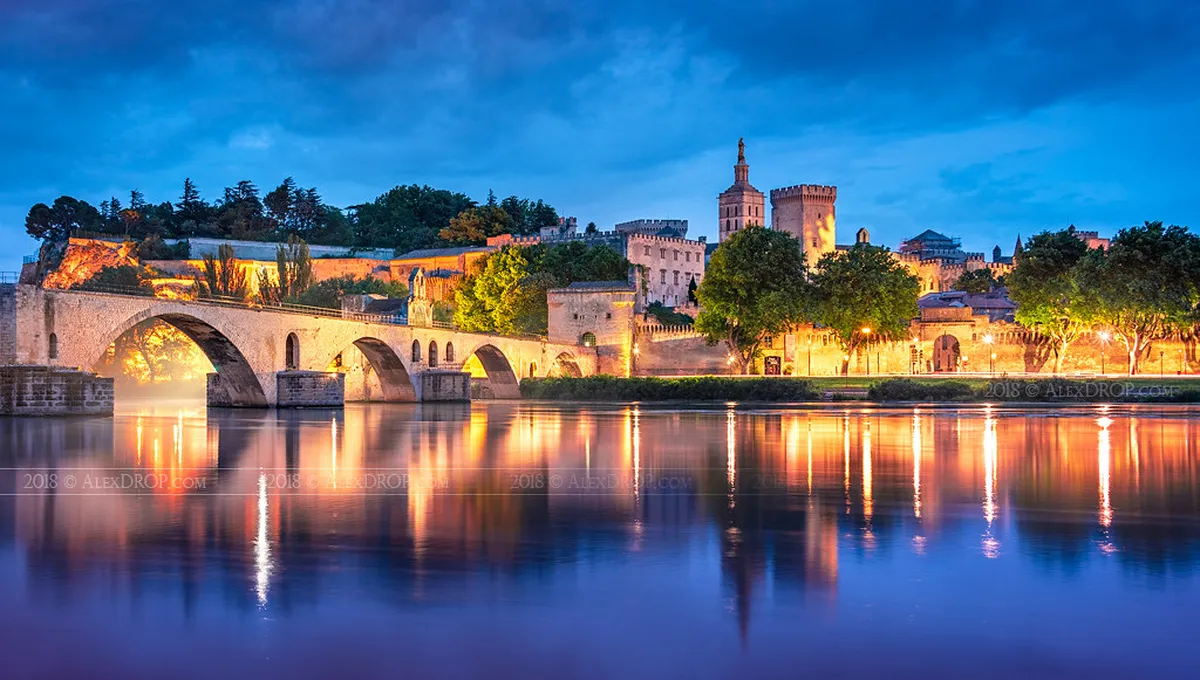
This fortress played a critical role in the history of the famous bridge across the Rhône. It protected the western entrance to the bridge, ensuring the French king controlled the vital crossing. You can read the full Pont Saint-Bénézet construction history to understand this connection better. The relationship between the tower and the bridge shaped the economy of the entire region.
During the fourteenth century, the bridge was a primary route for pilgrims and merchants traveling through Europe. The tower guards could lower heavy gates to block access during times of plague or war. This level of control made the Tour Philippe-le-Bel one of the most important military sites. Its location offered a perfect view of the river and the surrounding plains for miles.
Modern visitors can still see where the bridge once connected to the riverbank near the tower. While much of the bridge has since collapsed, the tower stands as a permanent silent witness. The view from the top allows you to visualize how the ancient river traffic once flowed. It provides a deep sense of perspective on the changing landscape of this historical border.
Visiting the Tower in 2025
Planning a visit to the tower in 2025 requires some basic knowledge of hours and costs. The site is generally open to the public from ten in the morning until six evening. Expect to pay a small entrance fee of approximately four Euros for a standard adult ticket. This modest price includes access to the roof for the best views in the city.
The climb to the top involves several flights of narrow and steep stone spiral stairs. Visitors should wear comfortable shoes and take their time while navigating these old and worn steps. The physical effort is rewarded with a panoramic view of Avignon and the massive Palais des Papes. It is an excellent spot for photographers looking to capture the beauty of the Rhône valley.
The local tourism office offers combined tickets that include other historic sites in Villeneuve-lès-Avignon. These packages often provide better value if you plan to explore the nearby fort and monastery. Expert tip: Visit during the late afternoon to see the golden sunlight hitting the ancient stone. The tower is less crowded during the weekdays compared to the busy summer weekend periods.
Frequently Asked Questions
How high is the Tour Philippe-le-Bel in Villeneuve-lès-Avignon?
The tower stands approximately thirty-nine meters high above the banks of the Rhône River. This height provided a significant military advantage for spotting incoming threats from a long distance. It remains the tallest historical structure in the village of Villeneuve-lès-Avignon today.
Can you climb to the top of the tower?
Yes, visitors can climb the stone spiral staircase to reach the open terrace at the top. The climb is steep but offers some of the best views of the Avignon skyline. It is a must-do activity for anyone interested in medieval history and scenic photography.
Why was the tower built across from Avignon?
The King of France built the tower to monitor the Papacy and control the bridge traffic. It served as a symbol of French royal sovereignty against the independent papal territory in Avignon. The location was strategically perfect for defending the border of the French kingdom.
The Tour Philippe-le-Bel defensive architecture is a masterpiece of medieval engineering that still inspires visitors today. Its thick walls and strategic design tell the story of a powerful kingdom protecting its borders. Visit this historic site in 2025 to experience the legacy of the French crown firsthand. Do not forget to bring your camera to capture the stunning views from the high battlements.
Key Takeaways
- The tower was built by King Philippe the Fair to control the Rhône bridge crossing.
- It features classic medieval defensive elements like machicolations, arrow slits, and thick limestone walls.
- The site offers panoramic views of Avignon and the surrounding Provence countryside from its roof.
- A visit in 2025 costs roughly four Euros and provides access to several floors of history.
Related reads: architecturebycity.com.