
Pont Saint-Bénézet Construction History: Avignon Bridge
Explore the Pont Saint-Bénézet construction history. Learn about medieval engineering in Avignon and plan your 2025 visit to this iconic stone bridge.
On this page
The Pont Saint-Bénézet stands as a marvel of medieval engineering in southern France. This famous landmark spans the Rhone River in the historic city of Avignon. Visitors from around the world come to see its famous four remaining arches. You will find a rich history behind its unique and challenging construction process.
Understanding the architecture in Avignon requires a look at this ancient river crossing. It was once the only stone bridge between Lyon and the Mediterranean Sea. The project began during a period of great religious and political growth. It remains a testament to the skill of 12th-century builders and masons.
The bridge is also known as the Pont d'Avignon through a popular children's song. Its history is filled with legends of miracles and divine intervention. Modern engineering experts still study the structural remains of this impressive site. This guide explores the fascinating construction history that shaped this iconic French monument.
The Legend and Early Construction Origins
The story of the bridge begins with a young shepherd named Bénézet. He claimed to have received a divine vision to build a bridge. This vision occurred in 1177 while he was tending his sheep. Local authorities initially doubted his claims and mocked his simple background.
Bénézet proved his divine mission by lifting a massive stone block alone. He threw the heavy rock into the Rhone River to mark the start. This miracle inspired the citizens of Avignon to support the ambitious project. Construction moved quickly under the guidance of the newly formed Bridge Brotherhood.
The initial structure was likely a mix of wood and stone materials. Workers used medieval bridge engineering techniques to secure the foundations. They built the bridge between 1177 and 1185 to handle local traffic. It spanned nearly 900 meters across the wide and turbulent river waters.
The bridge provided a vital link for pilgrims traveling across southern France. It allowed for easier trade and communication between different regions of the country. This early success established Avignon as a major hub for travel and commerce. The legendary Bénézet was eventually buried in a chapel built on the bridge.
Bénézet did not live to see the bridge reach its full stone glory. His followers continued the work with great dedication over many decades. They sought to create a permanent structure that could withstand heavy seasonal flooding. This initial effort laid the foundation for the famous arches we see today.
Innovative Engineering and Arched Design
Engineers chose an elliptical shape for the bridge's many stone arches. This design helped the structure resist the strong lateral pressure of water. The arches were much wider than standard Roman designs of that specific era. They allowed the river's powerful current to pass through more easily.
Construction required the use of cofferdams to build stable stone piers. Workers drove wooden piles deep into the soft riverbed to create support. They then filled these areas with heavy stones and lime-based mortar. This process was extremely dangerous and required hundreds of skilled laborers.
The bridge originally featured twenty-two individual arches spanning the entire Rhone. Each arch had a unique width to accommodate the changing river depths. Builders used local limestone from nearby quarries to ensure structural consistency. This material provided a beautiful white finish that gleamed in the sun.
The bridge was quite narrow, measuring only about four meters in width. This limited space meant that carriages could not pass each other easily. Most traffic consisted of pedestrians, pack animals, and small hand-drawn carts. The narrow design helped keep the overall weight of the bridge manageable.
The builders also included defensive features to protect the crossing during conflicts. Towers and gates controlled access to the city from the western bank. These additions made the bridge a military asset as well as a road. Engineering and defense worked together to create a secure river crossing.
Challenges of Maintenance and River Floods
The Rhone River is famous for its sudden and violent seasonal flooding. These floods put immense pressure on the bridge's foundations and stone piers. Maintenance became a constant and expensive struggle for the city of Avignon. Frequent repairs were necessary to keep the crossing safe for public use.
In 1226, a major siege damaged much of the bridge's original structure. King Louis VIII ordered parts of the bridge destroyed during the conflict. The city had to rebuild several arches using more advanced stone techniques. This cycle of destruction and repair defined the bridge's long functional life.
Several factors contributed to the reasons for the Avignon bridge collapse over time. The changing course of the river caused uneven erosion under the piers. Weak foundations in the silty riverbed could not support the heavy stone. Each flood weakened the structural integrity of the remaining spans.
By the 17th century, the cost of maintenance became too high. A catastrophic flood in 1668 destroyed many of the bridge's central arches. The city eventually decided to stop the expensive and difficult repair efforts. This decision led to the bridge's current state as a romantic ruin.
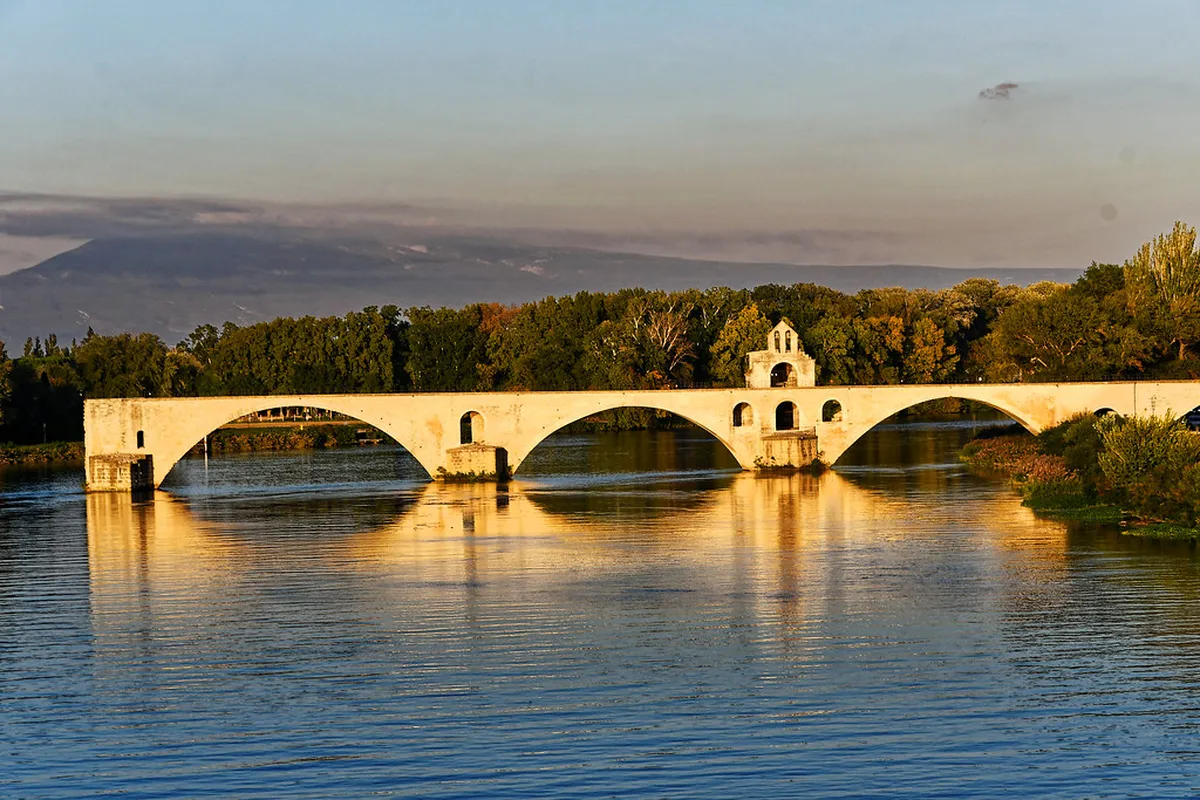
Today, only four arches remain of the original twenty-two stone spans. They stand as a silent reminder of the bridge's former grand scale. The bridge no longer reaches the opposite bank of the Rhone River. This incomplete look gives the site its mysterious and iconic silhouette.
The Architecture of Saint Nicholas Chapel
The Saint Nicholas Chapel is a unique feature of the bridge. It was built on the second pier to honor the patron saint. This chapel actually consists of two separate levels built in different eras. The lower level features a simple Romanesque design from the 12th century.
The upper level was added later during the 15th century in Gothic style. It served the religious needs of the bridge guards and local travelers. The chapel's placement on a bridge pier is a rare architectural choice. It demonstrates the deep connection between faith and engineering in medieval times.
The interior of the chapel is small and reflects a somber atmosphere. Small windows allow narrow beams of light to enter the stone space. Travelers would stop here to pray for a safe river crossing. It remains one of the most well-preserved parts of the entire structure.
The chapel's exterior features sturdy buttresses to resist wind and water. These supports help the small building remain stable on the narrow pier. You can still see original stone carvings and decorative elements today. It adds a vertical element to the bridge's horizontal arched profile.
Visiting the chapel offers a glimpse into the daily lives of bridge users. It was once filled with candles and small offerings from grateful pilgrims. The dual-level structure shows how architectural styles evolved over three centuries. It remains a highlight for anyone exploring the bridge's long history.
Strategic Importance for the Avignon Papacy
The bridge became even more important when the Popes moved to Avignon. They invested heavily in the city's infrastructure and overall security. The bridge served as a direct link to the papal lands. It connected the city to the Avignon city walls for better defense.
Tolls collected at the bridge provided significant revenue for the local government. Foreign merchants had to pay a fee to bring goods across. This income helped fund the construction of other grand buildings in Avignon. The bridge was a vital economic engine for the entire region.
Military forces could quickly cross the river to defend the city's perimeter. The bridge featured several defensive towers that housed archers and soldiers. These fortifications made it very difficult for enemies to approach Avignon. Its strategic value was unmatched in the south of France.
The bridge also connected Avignon to the royal territory of France. The town of Villeneuve-lès-Avignon sat on the opposite bank of the river. This connection facilitated diplomatic relations between the Pope and the French King. The bridge was a physical bridge between two powerful political entities.
Control of the bridge meant control of the region's main trade route. Many battles were fought to secure this vital crossing over the centuries. Its engineering had to be strong enough to withstand both water and war. This dual purpose shaped its robust and sturdy construction style.
Visiting the Bridge in 2025
The Pont Saint-Bénézet is a must-see destination for travelers in 2025. It is part of the UNESCO World Heritage site in Avignon. You can walk on the remaining arches to experience the river views. The bridge is open daily from 9:00 AM to 7:00 PM.
Standard adult tickets for the bridge cost approximately 5 euros per person. You can also purchase a combined ticket for the Palais des Papes. An audio guide is included with your entry to explain the history. This guide provides deep insights into the bridge's construction and legends.
The best time to visit is during the early morning hours. This allows you to avoid the largest crowds of the day. You will also enjoy the soft light hitting the white limestone. The bridge offers excellent photography spots of the city's ancient ramparts.
The entrance is located on the Boulevard de la Ligne near the river. You can easily reach the site by walking from the city center. There is a small museum at the base of the bridge. This museum features digital reconstructions of how the bridge once looked.
Wear comfortable walking shoes because the stone surface can be quite uneven. The bridge is accessible to most visitors through ramps and elevators. Enjoy the peaceful atmosphere and the sound of the flowing Rhone River. It is a perfect place to reflect on medieval history.
Frequently Asked Questions
How many arches did the Pont d'Avignon originally have?
The bridge originally had twenty-two stone arches during its peak. It stretched nearly 900 meters across the Rhone River. Only four of these arches remain standing today after centuries of floods. Most of the original structure was destroyed by the river's powerful current.
Why does the Avignon bridge stop in the middle of the river?
The bridge stops because severe flooding destroyed the middle and far sections. The city stopped repairing the structure in the 17th century. High maintenance costs made it impossible to maintain the full crossing. It now serves as a historical ruin and a UNESCO World Heritage site.
Can you still walk on the Pont Saint-Bénézet today?
Yes, visitors can walk on the four remaining arches of the bridge. A ticket is required to enter the site during official opening hours. It offers beautiful views of the Rhone and the city's ramparts. The path leads you directly to the historic Saint Nicholas Chapel.
The Pont Saint-Bénézet construction history is a tale of ambition and resilience. This medieval bridge remains a powerful symbol of the city of Avignon. Its surviving arches represent the incredible skill of 12th-century engineering teams. Plan your visit in 2025 to see this iconic monument in person. Explore the rich heritage of the Rhone River by visiting the bridge today.
Key Takeaways
- Construction began in 1177 based on the legend of Saint Bénézet.
- The bridge originally had 22 arches but only 4 remain today.
- Engineers used elliptical arches to withstand the Rhone's strong current.
- The Saint Nicholas Chapel features two levels in Romanesque and Gothic styles.
- It was a vital strategic and economic link during the Avignon Papacy.
Related reads: architecturebycity.com, palais des papes architecture.