
Saint Nicholas Chapel Bridge Architecture Guide
Discover Saint Nicholas Chapel bridge architecture in Avignon. Learn about its construction history and unique design in 2025. Explore France's medieval gems!
On this page
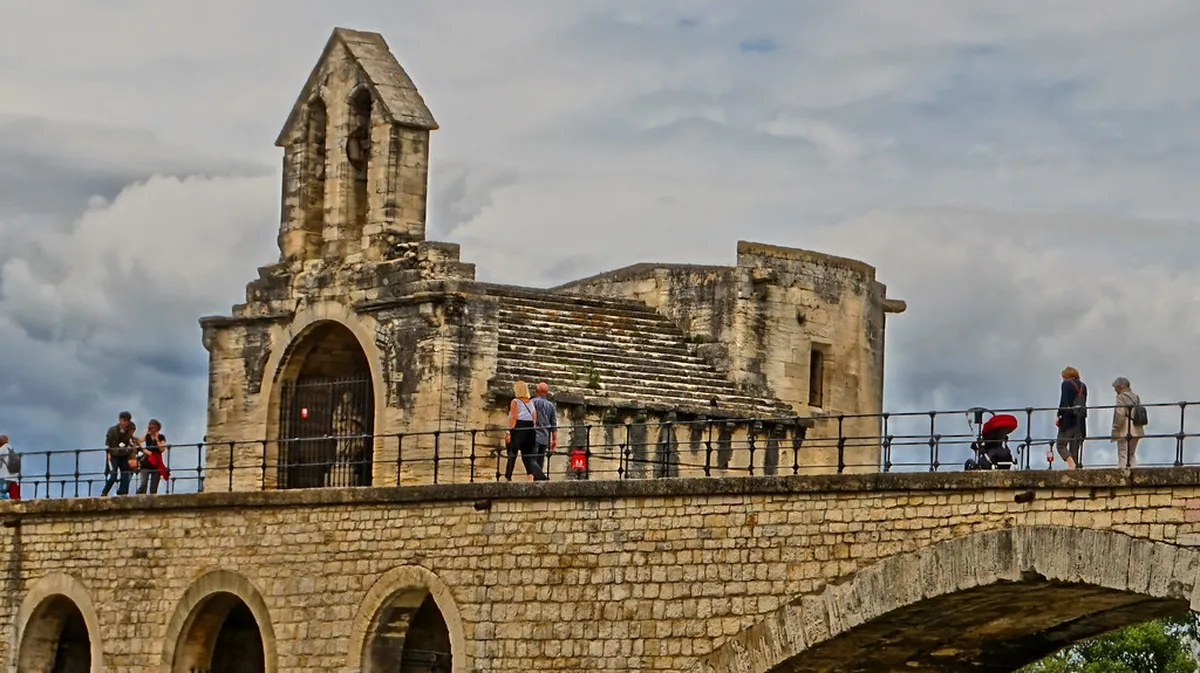
The Saint Nicholas Chapel bridge architecture remains one of the most significant historical landmarks in Avignon, France today. Travelers visiting the region in 2025 will find this structure perched on the famous Pont Saint-Bénézet bridge. The chapel showcases a fascinating mix of design elements that reflect centuries of local French building traditions. It stands as a symbol of resilience against the powerful currents of the Rhone River over many years.
This religious site served as a place of prayer for the many merchants and travelers crossing the bridge. Its architecture is notable for being built directly onto the massive stone piers of the medieval bridge structure. Visitors can explore the interior of the chapel while walking along the surviving arches of the historic site. Understanding the unique architectural features helps tourists appreciate the engineering skills possessed by ancient French stonemasons.
Origins of Saint Nicholas Chapel Bridge Architecture
The history of the Saint Nicholas Chapel bridge architecture begins during the twelfth century in the heart of Avignon. Legend says a young shepherd named Benezet received a divine vision to build a bridge across the river. Construction of the chapel occurred simultaneously with the initial stone arches of the bridge to provide spiritual protection. This sacred space was dedicated to Saint Nicholas, who is the traditional patron saint of mariners and travelers.
The early design of the chapel followed the strict rules of Romanesque architecture common in Southern France at that time. Builders used thick limestone blocks to ensure the structure could withstand the unpredictable and violent moods of the river. The small windows and heavy walls created a fortress-like appearance that was very typical for medieval religious buildings. These architectural choices ensured that the chapel remained standing even when the wooden bridge components faced frequent destruction.
During the medieval era, the chapel was the heart of the bridge for both local residents and foreign merchants. It provided a sense of security for those braving the dangerous crossing of the wide and powerful Rhone. The Saint Nicholas Chapel bridge architecture reflected the importance of faith in the daily lives of the medieval population. Its strategic placement on the second pier made it accessible to anyone who entered the bridge from Avignon.
Today, the chapel serves as a physical record of the growth and development of the city during the Middle Ages. Architectural historians study the masonry techniques used in the chapel to understand how building methods changed over three centuries. The foundation remains one of the strongest parts of the entire bridge complex due to its solid stone construction. You can still see the original dedication plaques carved into the stone by the masons of the period.
Romanesque and Gothic Stylistic Influences
The Saint Nicholas Chapel bridge architecture displays a unique transition between two of the most famous European building styles. The lower level of the chapel is purely Romanesque with its simple barrel vaults and very sturdy stone walls. This section was designed to handle the heavy weight of the structure and the pressure of the flowing water. Its minimalist aesthetic focuses on strength and durability rather than ornate decoration or complex artistic flourishes during construction.
In contrast, the upper level of the chapel features elements of Gothic architecture that were added during later renovations. You can observe the pointed arches and more delicate stone carvings that define the Gothic period in French history. These additions reflect the evolving tastes and technical capabilities of the architects who worked on the bridge in 1225. The combination of these two styles creates a visually striking building that captures several centuries of French art.
Inside the chapel, the architectural details provide a quiet and contemplative atmosphere for modern visitors to enjoy in 2025. The narrow nave and small apse are characteristic of the religious structures found throughout the region of Provence. Stone benches line the walls where medieval pilgrims once sat to rest before continuing their long and difficult journeys. The natural light filtering through the small openings highlights the texture of the ancient hand-carved limestone blocks.
The exterior of the chapel also shows how builders adapted their designs to fit the narrow space of the pier. Architects had to maximize the internal area without compromising the structural integrity of the supporting bridge arch below it. This required a deep understanding of weight distribution and the physics of stone masonry in a river environment. The result is a compact yet elegant building that fits perfectly into the overall Saint Nicholas Chapel bridge architecture.
Importance of Pont Saint-Benezet Construction History
The Pont Saint-Benezet construction history is essential for understanding why the Saint Nicholas Chapel looks as it does. Builders completed the original bridge in the late twelfth century using twenty-two massive stone arches across the Rhone. The chapel was integrated into the second pier to ensure it was safe from the main force of the water. This careful planning allowed the religious site to survive many floods that destroyed other parts of the bridge.
Engineers during the thirteenth century had to rebuild the bridge several times after catastrophic failures caused by natural disasters. Each reconstruction effort brought new architectural ideas and more advanced masonry techniques to the Saint Nicholas Chapel bridge architecture. The use of high-quality limestone from local quarries in Villeneuve-les-Avignon ensured the longevity of the chapel walls. These stone blocks were precisely cut to fit together without the need for large amounts of mortar or cement.
The construction history reveals that the bridge was once nearly nine hundred meters long and crossed two river branches. This massive scale made the chapel a prominent landmark that could be seen from both sides of the river. The architects designed the chapel to be a beacon of hope for those navigating the difficult waters of France. Its endurance through centuries of war and flooding is a testament to the skill of the original medieval builders.
As the bridge fell into disrepair over the centuries, the chapel remained the most well-preserved part of the structure. Restoration efforts in the twentieth century focused on stabilizing the masonry and protecting the delicate carvings from environmental damage. Today, the chapel stands on only four remaining arches of the bridge that once spanned the entire Rhone river. Visitors in 2025 can still appreciate the grand vision of the architects through this surviving piece of history.
Innovative Engineering of the Medieval Rhone Crossing
Exploring medieval bridge engineering techniques France provides insight into the chapel's incredible stability and long-lasting design. The builders utilized a technique called ashlar masonry to create smooth and perfectly aligned stone surfaces for the chapel. This method reduced the friction of the wind and rain against the building's exterior over hundreds of years. The precision of the stonework allowed the chapel to remain upright despite the bridge's partial collapse in later centuries.
The foundation of the chapel pier was built using a series of wooden piles driven deep into the riverbed. This ancient engineering method provided a stable platform for the massive stone blocks that would support the chapel above. Builders then filled the interior of the pier with rubble and lime mortar to create a solid core structure. This combination of materials allowed the pier to flex slightly during floods without breaking under the extreme water pressure.
Another innovative feature of the Saint Nicholas Chapel bridge architecture is the streamlined shape of the supporting pier itself. The upstream side of the stone base is pointed like the bow of a ship to divide the water. This design feature reduced the impact of the current and prevented the build-up of debris against the chapel walls. It is a brilliant example of how medieval engineers solved complex fluid dynamics problems using only basic stone tools.
The drainage systems integrated into the chapel roof also show a high level of technical sophistication for the period. Builders carved stone gutters to lead rainwater away from the foundation and prevent erosion of the primary masonry joints. These small details have played a huge role in keeping the chapel dry and stable for nearly eight hundred years. Understanding these engineering marvels adds another layer of appreciation for anyone visiting this historic site in Avignon.
Why the Chapel Pier Survived Catastrophic Floods
There are several reasons for Avignon bridge collapse that explain why most of the structure is gone today. Frequent floods during the seventeenth century were too powerful for many of the narrow arches to handle over time. The ice floes that formed on the Rhone during particularly cold winters also battered the stone piers with force. However, the chapel pier was built much wider and stronger than the others to support the religious building.
The extra weight of the chapel actually helped stabilize the pier against the moving water and heavy river debris. This added mass prevented the foundation from shifting even when the surrounding arches were being swept away by the river. The masonry used in the chapel was also of a higher grade than the stones used in the roadway. This focus on quality and strength ensured that the Saint Nicholas Chapel bridge architecture remained a permanent fixture.
Historians also believe that the location of the second pier provided some natural protection from the most violent currents. The bend in the river near Avignon directed the main force of the water toward the center arches instead. This meant that the chapel was slightly shielded by the bank of the river during the worst flooding events. Its survival is partly due to great engineering and partly due to its strategic position within the river channel.
While the rest of the bridge became a ruin by the year 1669, the chapel stayed relatively intact. Locals continued to use the small structure for religious ceremonies even after the bridge was no longer safe for traffic. This continued use ensured that the building received basic maintenance and repairs when other parts were being neglected. Today, it remains the crown jewel of the surviving bridge ruins for all tourists to see and photograph.
Preserving the Chapel for Travelers in 2025
Preservation efforts for the Saint Nicholas Chapel bridge architecture are ongoing to ensure its survival for future generations of visitors. Modern conservators use laser scanning and non-invasive testing to monitor the health of the ancient stones and mortar joints. These high-tech tools help identify weak spots in the masonry before they become serious problems for the structure. The goal is to maintain the original appearance of the chapel while ensuring it is safe for public access.
Tourists visiting Avignon in 2025 will enjoy improved walkways and informative displays that explain the history of the site. The chapel is part of a UNESCO World Heritage site that receives thousands of visitors from around the world. Entry tickets usually cost around five euros for adults and include a comprehensive audio guide in several different languages. This guide provides deep context about the Saint Nicholas Chapel bridge architecture as you walk through the historic rooms.
The site is generally open from 9:00 AM until sunset, with extended hours during the popular summer festival season. Visitors are encouraged to wear comfortable walking shoes as the stone surfaces can be uneven and slippery when wet. The view from the bridge looking back at the Palais des Papes is truly one of the best. Make sure to bring a camera to capture the stunning contrast between the chapel and the blue Rhone water.
By visiting this site, you are supporting the continued preservation of one of France's most unique architectural treasures today. The revenue from ticket sales goes directly into the maintenance and restoration of the remaining bridge arches and chapel. It is a rare opportunity to step back in time and experience the engineering genius of the Middle Ages. Plan your visit early in the day to avoid the largest crowds and enjoy the peaceful chapel atmosphere.
Frequently Asked Questions
Who was the architect of the Saint Nicholas Chapel in Avignon?
The Saint Nicholas Chapel bridge architecture is traditionally attributed to Saint Benezet and his group of bridge builders. These medieval masons worked during the late twelfth century to create the first stone bridge over the Rhone. While individual names are often lost to history, their collective skill is visible in the enduring masonry. The design evolved over centuries as different master masons added Romanesque and Gothic elements to the chapel.
Can you go inside the Saint Nicholas Chapel today?
Yes, visitors can enter the Saint Nicholas Chapel as part of their tour of the Pont Saint-Benezet ruins. The structure features two levels that are accessible via a small stone staircase located on the bridge. You can see the original altar area and the historic masonry that has survived since the medieval period. It is a small space, so it may feel crowded during peak tourist hours in the summer.
What architectural styles are present in the Saint Nicholas Chapel?
The Saint Nicholas Chapel bridge architecture features a fascinating combination of Romanesque and Gothic styles from different eras. The lower chapel reflects the earlier Romanesque style with simple lines and thick, protective stone walls for river safety. The upper chapel shows the later Gothic influence through its pointed arches and more decorative stone vaulted ceilings. This unique mix makes it a very important site for students of French architectural history to visit.
Why is the chapel named after Saint Nicholas?
Saint Nicholas is the patron saint of sailors, mariners, and travelers who faced many dangers on the water. Building a chapel dedicated to him on the bridge was intended to provide spiritual protection for river crossers. Medieval people believed that praying at the chapel would ensure a safe journey across the often-treacherous Rhone river. This religious connection was common for major bridge projects across Europe during the Middle Ages.
The Saint Nicholas Chapel bridge architecture is a remarkable example of medieval ingenuity and religious devotion in Avignon. Its unique design has allowed it to survive centuries of floods and neglect while the rest of the bridge fell. Visitors in 2025 will find a site that is rich in history and offers stunning views of the city. Exploring this chapel provides a deeper understanding of how architecture and engineering shaped the history of Southern France. Plan your visit today to see this iconic stone landmark for yourself!
Key Takeaways
- The chapel features a unique blend of Romanesque and Gothic architectural styles.
- It was built directly onto the second pier of the bridge for maximum stability.
- The structure survived major floods because of its superior engineering and high-quality masonry.
- Saint Nicholas was chosen as the patron saint to protect travelers crossing the river.
Related reads: architecturebycity.com, architecture in avignon, palais des papes architecture.