
Confraternity Architecture in Corsica: Bastia Guide
Explore the stunning confraternity architecture in Corsica. Learn about the historic oratories of Bastia in this 2025 guide for travelers and history buffs.
On this page
Bastia serves as the ultimate destination to explore the unique world of confraternity architecture in Corsica today. This beautiful coastal city houses several historic oratories that reveal centuries of deep religious and social history. You will find these stunning structures tucked away in the narrow, winding streets of the old harbor districts. These brotherhood houses represent the heart of Corsican identity and the grand legacy of Genoese artistic influence.
Visitors in 2025 can experience a living museum of faith by visiting these impressive and highly decorated sites. Each building tells a story of local devotion through its intricate marble work and grand gilded altarpieces. You should start your journey in the Terra Vecchia district to see the most famous religious landmarks. This guide provides everything you need to know about the most impressive Bastia oratories and brotherhood houses available for public viewing.
The Origins of Brotherhood Houses in Bastia
The history of confraternities in Bastia began during the late Middle Ages under strong Genoese administrative rule. These lay organizations provided essential social services to the local community when the official church was busy. Members of these brotherhoods cared for the sick and managed the burials of the city's poorest residents. They built private oratories to serve as dedicated meeting spaces for their specific charitable and religious activities.
As the city grew, these buildings became more elaborate to reflect the wealth of the local merchant class. The architecture transitioned from simple rectangular rooms into grand halls filled with sophisticated artistic and structural details. You can still see the original stone foundations in many of the oldest structures located near the harbor. These foundations support the massive walls that have protected the city's sacred treasures for several hundred years.
By the seventeenth century, the competition between different brotherhoods led to an explosion of grand architectural projects. Each group wanted to build the most impressive oratory to demonstrate their social standing within the city. This rivalry resulted in the incredible density of confraternity architecture in Corsica that we still admire in Bastia. The buildings are often hidden behind plain facades that disguise the incredible artistic wealth waiting inside the doors.
Today, these houses remain active centers for traditional Corsican polyphonic singing and annual religious processions during holy weeks. You can hear the haunting echoes of ancient hymns reflecting off the vaulted ceilings during traditional evening ceremonies. Many of these structures have undergone extensive restoration recently to preserve their historical integrity for future global visitors. Protecting these sites ensures that the unique cultural heritage of the island remains vibrant for many generations.
Identifying Genoese Baroque Styles
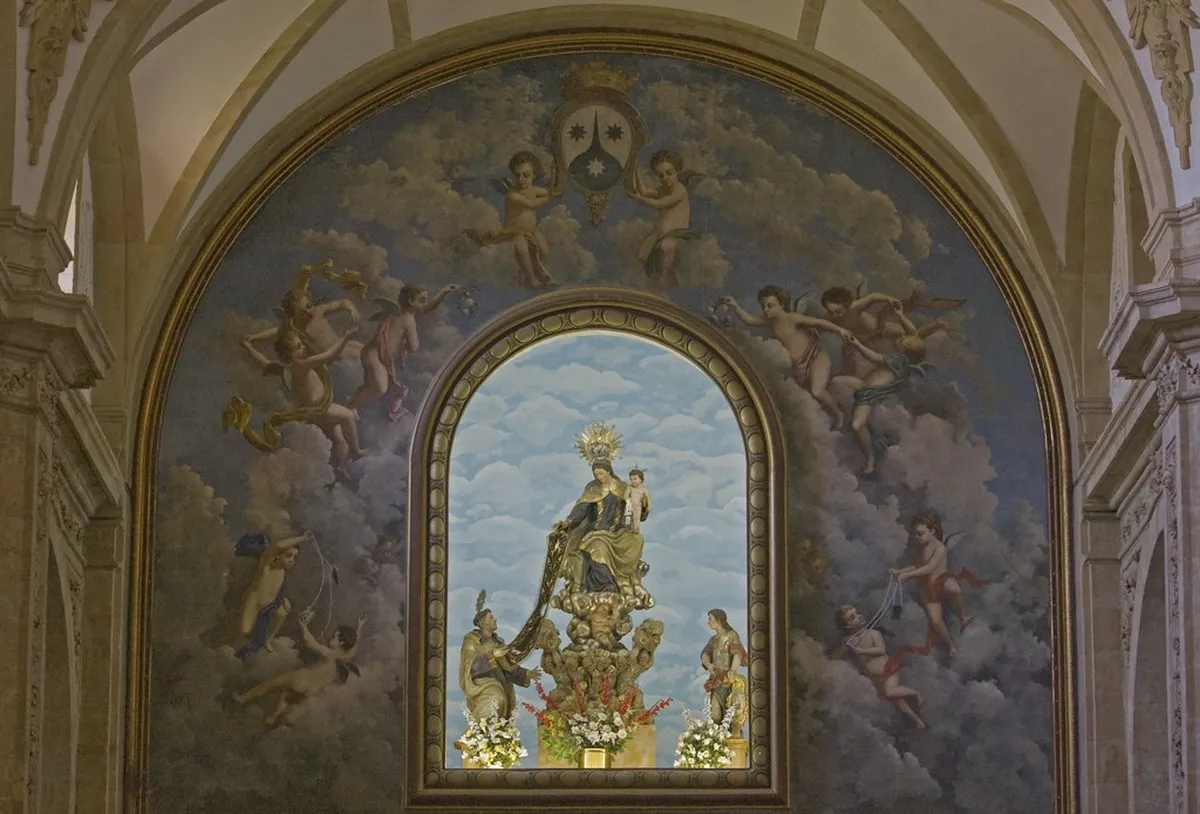
The architectural style of the Bastia oratories is heavily influenced by the grand Baroque trends of northern Italy. Designers imported precious materials and skilled artisans from Genoa to create these spectacular and highly detailed religious spaces. You will notice a heavy use of stucco, gilding, and dynamic frescoes throughout the primary meeting halls. These elements create a sense of movement and divine light that defines the classic Genoese Baroque aesthetic.
One of the finest examples of this style is the Oratory of the Holy Cross with its famous golden interior. The architects used complex floor plans and high ceilings to make the small interior spaces feel much larger. Intricate carvings of angels and floral patterns adorn the walls to direct the eyes toward the main altar. This focus on visual spectacle was meant to inspire awe and deep religious devotion among the brotherhood.
The use of local materials combined with Italian design techniques created a specific local variation of the Baroque style. Builders utilized Corsican schist and limestone to provide structural stability for the tall and narrow urban building lots. They balanced these heavy materials with delicate interior decorations made from fine plaster and imported gold leaf. This combination results in the distinctive look of confraternity architecture in Corsica found in the historic center.
Modern travelers should look for the characteristic vaulted ceilings that define these brotherhood houses throughout the old city districts. These vaults often feature massive paintings depicting the lives of saints and various scenes from the holy scriptures. The integration of light through high, small windows adds a dramatic effect to the interior atmosphere during midday. This clever use of natural light highlights the gold details and brings the religious stories to life.
Masterpieces of Decorative Art in Bastia
The interiors of these oratories house some of the most significant artistic treasures on the entire island of Corsica. You will find massive wooden choir stalls carved from dark oak that date back to the eighteenth century. These stalls provided seating for the brotherhood members during their long hours of prayer and ritual chanting sessions. The craftsmanship displayed in these wood carvings shows the high level of skill possessed by local Corsican artisans.
The altarpieces serve as the focal point for every brotherhood house and often feature valuable oil paintings. Many of these works were commissioned from famous painters living in Rome or Genoa during the Baroque period. The rich colors and dramatic lighting in these paintings contrast beautifully with the white and gold interior walls. Visitors can spend hours studying the small details found in these large and impressive works of religious art.
In addition to paintings, the oratories often display ornate processional statues used during the city's various annual festivals. These statues are carved from wood and dressed in real fabrics decorated with intricate silver and gold embroidery. They represent the patron saints of each specific brotherhood and are highly revered by the local Bastia population. Seeing these objects provides a deeper understanding of the religious fervor associated with confraternity architecture in Corsica.
Many of the Genoese Baroque churches of Bastia share similar decorative themes with the smaller oratories. This consistency creates a unified aesthetic throughout the historic neighborhoods of Terra Vecchia and the high Citadel area. You will see recurring motifs of shells, foliage, and geometric patterns used in both stone and gilded wood. These shared design elements link the public parish churches with the private spaces of the various brotherhoods.
The Social Function of Sacred Spaces
Confraternities served as the primary social safety net for the citizens of Bastia for many centuries in history. The brotherhood houses functioned as meeting halls where members discussed community issues and organized local charitable relief efforts. These spaces were vital for maintaining social order and providing help to those facing poverty or personal tragedy. Every oratory had a specific mission, such as providing dowries for poor girls or supporting aging sailors.
The architecture of the buildings reflected these social functions by including large assembly spaces and storage areas for supplies. While the main chapel was for prayer, side rooms often served as administrative offices for the brotherhood's leadership. You can see how the layout accommodated both the spiritual and practical needs of the active local membership. This dual purpose is a defining characteristic of confraternity architecture in Corsica found in major urban centers.
Membership in a brotherhood was a source of great pride and defined a person's social status in Bastia. Families often belonged to the same confraternity for many generations, passing down the tradition of service and devotion. The physical building served as a permanent monument to the family's contribution to the city's spiritual life. You can find family names inscribed on the paving stones and commemorative plaques inside many of these oratories.
Even in the modern era, these buildings continue to host important community events and traditional Corsican musical performances. The excellent acoustics of the vaulted halls make them perfect venues for the island's famous polyphonic vocal groups. Attending a concert in an oratory allows you to experience the space exactly as it was intended centuries ago. This living connection to the past makes the architecture relevant to the people of Bastia today.
Planning Your Architectural Tour in 2025
Visiting the oratories in 2025 requires some planning as opening hours can vary significantly throughout the tourist season. Most of these sites are located within easy walking distance of each other in the old town center. You should start your tour early in the morning to avoid the heat and the larger midday crowds. Many oratories are free to enter, but leaving a small donation helps with the ongoing building maintenance.
Wear comfortable walking shoes because the streets leading to these sites are often steep and paved with uneven stones. The Oratory of the Immaculate Conception is a great first stop due to its central location near the harbor. From there, you can walk uphill toward the Citadel to find more hidden brotherhood houses and historic churches. This route offers spectacular views of the Mediterranean Sea alongside the beautiful confraternity architecture in Corsica.
Traveler Tip: Check the local parish calendar for special feast days when the oratories are most beautifully decorated. During these festivals, the brotherhood members wear traditional robes and perform ancient rituals that date back many centuries. It is a rare opportunity to see the buildings being used for their original intended religious purposes. Always remember to remain quiet and respectful while exploring these sacred spaces during your architectural tour of Bastia.
Photographers should visit during the late afternoon when the sunlight hits the facades of the buildings in the harbor. The warm light highlights the textures of the old stone and the vibrant colors of the painted window shutters. Most interiors allow photography without a flash, but you should always check for signs before taking any pictures. Capturing the intricate details of the Baroque carvings will provide you with lasting memories of your visit here.
Frequently Asked Questions
What is the most famous brotherhood house in Bastia?
The Oratory of the Holy Cross is widely considered the most famous example of confraternity architecture in Corsica. It is renowned for its spectacular Rococo interior and its unique "Black Christ" statue found by local fishermen. You can find this masterpiece located within the historic walls of the Terra Nova citadel district.
When can I visit the oratories in Bastia?
Most oratories are open to the public from 9:00 AM until 6:00 PM during the peak summer months. However, some smaller sites may close for a few hours during the traditional midday lunch break in Corsica. It is best to check with the local tourist office for the most current 2025 schedules.
Are there entrance fees for these religious sites?
Entry to most of the brotherhood houses and oratories in Bastia is currently free for all visitors. The organizations rely on voluntary donations to fund the restoration and daily operation of these historic architectural landmarks. Giving a few Euros is a kind gesture that helps preserve the confraternity architecture in Corsica.
Bastia offers a rare glimpse into a world where faith and architecture blend into a singular cultural masterpiece. The various oratories represent the peak of artistic achievement and community spirit on the beautiful island of Corsica. You will leave the city with a deep appreciation for the artisans who built these incredible sacred spaces. Plan your visit to see the confraternity architecture in Corsica during your next trip to the Mediterranean region.
Key Takeaways
- Bastia features the highest density of Baroque brotherhood houses in Corsica.
- The Oratory of the Holy Cross is a must-see for its golden Rococo decorations.
- Visit during festival days to see traditional processions and hear polyphonic singing.
- Most sites are located in the walkable districts of Terra Vecchia and Terra Nova.
Related reads: architecturebycity.com, architecture in bastia, oratory of the immaculate conception architecture.