
Oratory of the Holy Cross Rococo Decor in Bastia
Experience the Oratory of the Holy Cross Rococo decor in Bastia. Discover golden art and the Black Christ. Plan your 2025 visit to Corsica today!
On this page
Bastia is a stunning city located on the beautiful island of Corsica in France. The Oratory of the Holy Cross Rococo decor is one of the most famous sights here. It sits inside the historic Terra Nova district within the old Bastia Citadel. Travelers from around the world come to admire its unique and golden interior design.
History of the Brotherhood of the Holy Cross
The Brotherhood of the Holy Cross established this historic oratory in the year 1542 for religious services. This building is a key site among Bastia oratories and brotherhood houses. Members of this religious group used this space for daily prayer and essential local charity work. It remains an active and vibrant center for local religious life in the city today.
A devastating fire destroyed much of the original interior during the early years of the 18th century. The local community immediately joined together to fund a complete reconstruction of their beloved sacred space. They wanted to create a building that reflected the power and beauty of their religious faith. This dedication led to the creation of the stunning interior that we see in Bastia today.
The rebuilding process was a long and complex task that required many years of hard work. Master craftsmen and talented artists were brought in from all over the Mediterranean to help with the project. They focused on creating a space that would inspire awe and devotion in every single person. Their efforts preserved the history and traditions of the ancient brotherhood for many future generations to enjoy.
Today, the oratory serves as a symbol of the resilience and spirit of the people of Bastia. Visitors can learn about the history of the brotherhood through various displays and artistic works. The building remains a place of quiet reflection and prayer for both locals and travelers from abroad. It is a vital part of the cultural heritage of the island of Corsica in 2025.
Architecture and the Facade of the Oratory
The exterior of the building features a very simple and modest facade that faces the narrow streets. This design choice follows the traditional style of architecture in Bastia from the Genoese era. The plain stone walls do not suggest the incredible artistic wealth that is located inside the doors. This contrast is a common feature in many of the historic buildings found within the city Citadel.
A single ornate doorway provides the main entrance for the many visitors who come to see the site. The door features delicate carvings that give a small hint of the complex artistic styles found inside. Large stone steps lead up to the entrance from the public square in the heart of the district. The location makes it easy for tourists to find while they are exploring the historic Citadel area.
The layout of the building follows a standard rectangular floor plan that is typical for a religious oratory. High ceilings were built to allow for the placement of large paintings and heavy golden decorations. The structure was designed to feel intimate while also providing a sense of grandeur and spiritual importance. This balance of space is one of the reasons why the building feels so unique and special.
Looking up at the roof, one can see the sturdy construction that has protected the interior for centuries. The stone walls are very thick to keep the inside cool during the hot summer months in Corsica. This natural climate control makes the oratory a very pleasant place to visit during the peak season. It provides a peaceful escape from the busy streets and the warm Mediterranean sun outside the building.
The Oratory of the Holy Cross Rococo Decor
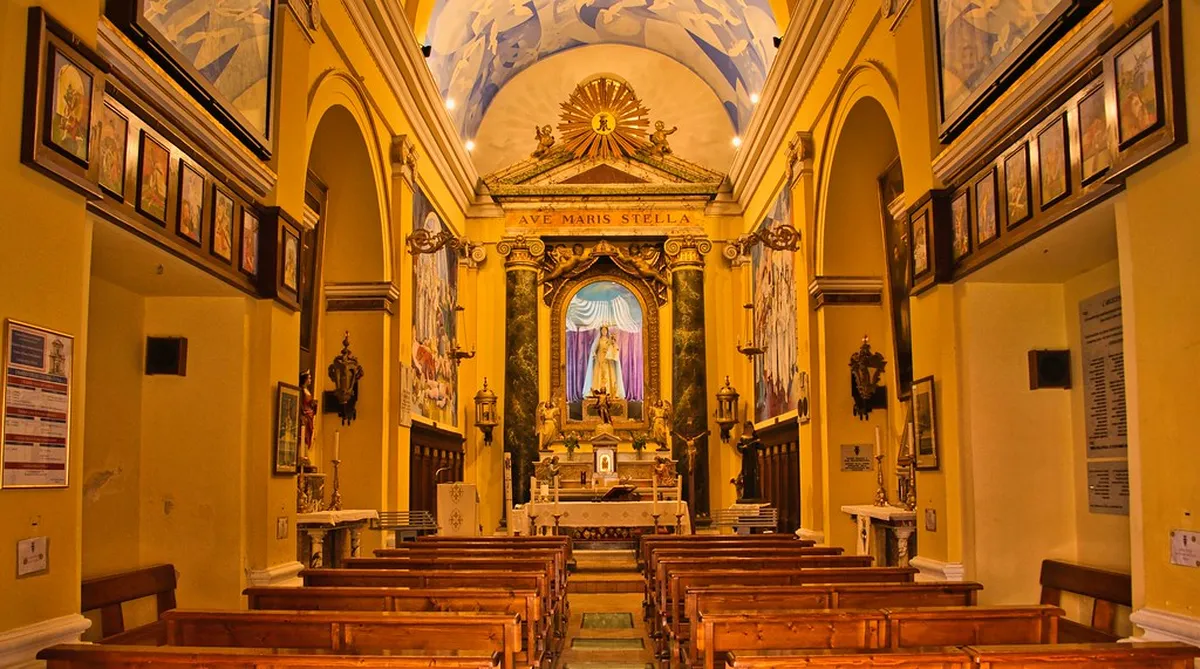
The Oratory of the Holy Cross Rococo decor is the main reason why so many people visit this site. This artistic style is famous for its use of light colors, curved lines, and very detailed gold leaf. It is quite similar to the Oratory of the Immaculate Conception architecture located in the lower town. The wealth of the city during the 18th century is clearly visible in every golden detail.
Gold leaf covers almost every surface of the interior from the walls all the way to the ceiling. Artists used a special technique to apply the gold so that it would catch the natural sunlight beautifully. This creates a warm and glowing effect that makes the entire room feel like it is gold. It is a breathtaking sight that stays in the memory of every visitor for a long time.
The decor also includes many delicate stucco figures and intricate floral patterns that represent the natural world. These details were carved by hand with incredible precision to ensure a high level of artistic quality. You can see small shells, leaves, and vines woven into the larger designs on the walls. This attention to detail is what defines the Rococo period in the history of European art and architecture.
Visitors in 2025 can still see the original brilliance of the gold thanks to careful restoration efforts. The colors remain vibrant and the golden surfaces still shine as brightly as they did many centuries ago. Taking the time to study the individual carvings will reveal the true skill of the master craftsmen. It is a rare chance to see such a complete and well-preserved example of this decorative style.
Sacred Relics and the Famous Black Christ
The most famous object inside the building is the sacred statue known as the Christ of Miracles. Locals found this dark oak statue floating in the waters of the Mediterranean Sea in the year 1428. It is one of the most important religious relics in the entire city of Bastia today. The statue is kept in a special chapel that is decorated with even more gold and fine art.
Every year, the people of the city hold a large festival to honor this miraculous and holy statue. They believe that the Christ of Miracles has protected the city from many dangers and diseases over the years. This deep sense of faith is evident in the many offerings left by local people in the chapel. It is a place of great spiritual power for the residents of the historic Citadel district.
The chapel itself is a masterpiece of design that focuses all attention on the central religious figure. The lighting is kept low to create a mood of deep respect and quiet prayer for all visitors. This environment allows for a peaceful experience even when there are many other tourists inside the building. It is a stark contrast to the bright and airy feel of the main oratory hall.
Visitors are asked to maintain silence and show respect while they are exploring this sacred part of the building. You can feel the weight of history and faith as you stand before this ancient and mysterious statue. It serves as a reminder of the long relationship between the sea and the people of Corsica. The story of its discovery remains a favorite legend among the local residents of the city.
Visiting the Bastia Citadel District in 2025
Reaching the oratory is part of the fun of visiting the historic Terra Nova district of the city. You must walk through the ancient gates of the Citadel to find this hidden gem of Rococo art. The streets are narrow and winding, offering many opportunities for great photos of the old stone buildings. It is a very atmospheric area that feels like stepping back in time to another century.
The oratory is located very close to the Governor's Palace and several other important historical monuments. You can easily combine a visit here with a walk around the rest of the Citadel in one morning. There are several small shops where you can buy local crafts and souvenirs of your trip to Bastia. The views of the old harbor from the Citadel walls are some of the best in the city.
Most people find that spending thirty to forty-five minutes is enough to see the interior and the chapels. The building is usually open every day, but it is wise to check the local schedule for services. Admission is free, making it one of the best value activities for travelers on a budget in 2025. Your support through small donations helps keep the doors open for future travelers from around the world.
After your visit, you can enjoy a coffee at one of the nearby cafes in the Citadel square. This is a great place to sit and watch the local life of the city go by. The area is much quieter than the busy port below, providing a more relaxed and authentic experience. It is the perfect way to spend a morning while exploring the architectural wonders of Bastia.
Masterpieces and Artistic Details of the Interior
Beyond the gold decor, the oratory also houses a significant collection of paintings and fine wood carvings. These artworks depict scenes from the Bible and the history of the Christian faith in the Mediterranean. Each painting was chosen to complement the architectural style of the building and the golden walls. They add layers of meaning and depth to the overall visual experience of the sacred space.
The wooden choir stalls are another highlight that visitors should not miss during their tour of the interior. These seats feature very detailed carvings that were made by local craftsmen several hundred years ago. They show the incredible skill that existed in Bastia during the height of the Genoese period of rule. The wood has aged beautifully and provides a dark contrast to the bright gold of the walls.
The main altar is a towering structure that serves as the visual centerpiece of the entire oratory hall. It is decorated with fine marble and even more gold leaf to draw the eye of every visitor. The craftsmanship is truly exceptional and represents the peak of religious art in Corsica during the 1700s. It stands as a testament to the wealth and devotion of the Brotherhood of the Holy Cross.
Taking a slow walk around the perimeter of the room will allow you to see the smaller details. Look for the tiny painted angels and the intricate patterns on the ceiling beams above your head. Every corner of the building has been touched by the hand of a talented and dedicated artist. These small discoveries make a visit to the oratory a very rewarding experience for any art lover.
Frequently Asked Questions
What are the general opening hours for the Oratory of the Holy Cross?
The Oratory is usually open from 9:00 AM until 6:00 PM every day of the week. Times can change for special events or religious services. Always check local signs for the most accurate information.
Is there an entrance fee to see the Rococo decor?
There is currently no entrance fee to visit this historic religious site in Bastia. You may leave a small donation to help with the building maintenance. This supports the preservation of the art.
Can I take photographs of the interior and the Black Christ?
Yes, you can take photographs inside the Oratory as long as you do not use a flash. Flash photography can damage the old gold leaf and the paintings. Please show respect to those praying.
What is the significance of the Black Christ statue?
The Black Christ is a sacred relic found at sea by local fishermen in 1428. It is believed to protect the city of Bastia from harm. Many locals visit it for prayer and miracles.
Is the Oratory accessible for people with limited mobility?
The Citadel has many steep and narrow streets which can be difficult for some visitors. However, the Oratory itself is mostly on one level once you enter the main doors. Wear comfortable shoes for the walk.
The Oratory of the Holy Cross is a must-see landmark for anyone visiting the city of Bastia. Its Oratory of the Holy Cross Rococo decor offers a unique look at Corsican history and artistic skill. You will leave with a deep appreciation for the beauty and faith of the local people. Start planning your architectural tour of this incredible Mediterranean city today.
Key Takeaways
- Marvel at the intricate 18th-century gold leaf decor throughout the building.
- Visit the sacred and miraculous Black Christ statue found at sea in 1428.
- Explore the historic Terra Nova district of the Citadel for the best experience.
- Plan your 2025 visit for the mid-morning to see the best natural light.
Related reads: architecturebycity.com, confraternity architecture in corsica, genoese baroque churches of bastia.