
Explore Bordeaux Art Deco Buildings: A 2025 Style Guide
Discover stunning Bordeaux Art Deco buildings with our expert 2025 guide. Learn where to find historic gems and book your tour today!
On this page
Bordeaux is a city famous for its history and beautiful stone buildings. You will see grand 18th-century squares and narrow medieval streets everywhere. However, the 1920s brought a new and exciting style to this French region. Many designers created stunning Bordeaux Art Deco buildings that still stand today.
This unique architectural style emerged after the First World War in France. Architects wanted to move away from old styles and embrace modern industry. They used reinforced concrete and geometric shapes to create bold new looks. Bordeaux became a playground for these innovative designs during the interwar period.
Visitors often miss these hidden gems while exploring the famous wine districts. You can find these masterpieces in quiet residential areas and public spaces. Our guide will help you discover the best examples of this style in 2025. You will learn about the history, materials, and locations of these buildings.
Planning your trip requires some knowledge of the different city districts. Many of the best sites are located just outside the main tourist center. You can easily reach these locations using the efficient local tram system. Let us dive into the world of Art Deco architecture in Bordeaux.
Evolution of the Art Deco Movement in Bordeaux
The Art Deco movement in Bordeaux started as a response to modernity. It replaced the flowing lines of Art Nouveau with sharp, clean geometric patterns. Local architects wanted to showcase the prosperity of the city after the war. This period saw a massive expansion of the city into new suburban zones.
Urban planning played a major role in how these buildings were constructed. The city council encouraged designers to use modern materials like concrete and iron. These materials allowed for taller structures and more creative decorative elements. You can see this transition clearly in many architecture in Bordeaux examples today.
Many buildings from this era served important public or commercial functions. Hospitals, post offices, and sports centers adopted this sleek and functional look. The style represented a bright future for the citizens of Bordeaux in 1925. It combined traditional French craftsmanship with the speed of the industrial age.
The influence of the 1925 Paris Exhibition was felt strongly in the southwest. Local builders adapted national trends to fit the specific climate of the region. They used creamy limestone to maintain a visual link with older historic monuments. This created a unique blend of modern shapes and traditional regional materials.
Today, these buildings are protected as important cultural heritage sites for France. Many have undergone careful restoration to preserve their original 1930s appearance. Walking through these neighborhoods feels like stepping back into a very stylish past. You will appreciate the craftsmanship found in every balcony and window frame.
The Magnificent Piscine Judaïque Aquatic Center
The Piscine Judaïque is perhaps the most famous Art Deco site in the city. Architect Louis Madeline designed this stunning sports complex in the early 1930s. It remains one of the most beautiful public swimming pools in all of Europe. The building features a massive stone entrance that commands your immediate attention.
Inside, the pool area is covered by a spectacular concrete vault ceiling. Large windows allow natural light to reflect off the blue water below. The geometric patterns on the walls are both functional and highly decorative. It serves as a perfect example of how Art Deco combined utility with beauty.
You can find this landmark at 164 Rue Judaïque near the city center. The pool is still open to the public for swimming in 2025. Admission for adults costs approximately five euros for a single entry ticket. It is a great place to exercise while admiring world-class architecture.
The exterior facade features intricate bas-reliefs carved directly into the stone. These carvings depict scenes of athletic prowess and human health and vitality. Pay close attention to the typography used for the signage around the entrance. The bold lettering is a classic hallmark of the 1930s design movement.
Visit during the morning hours to avoid the largest crowds of swimmers. The light during the early hours creates beautiful shadows across the concrete arches. It is a must-see destination for any architecture lover visiting Bordeaux this year. Don't forget to bring a swimsuit if you want to experience the pool.
Cultural Icons: Theatre La Pergola in Caudéran
The Theatre La Pergola sits in the quiet residential district of Caudéran. It was built in the late 1920s as a community cultural hub. The facade is a masterpiece of geometric design and balanced architectural proportions. It features vertical lines that lead the eye up toward the sky.
Local sculptor Marcel Courbier created the beautiful reliefs found on the exterior. These stone carvings represent the performing arts and the joys of local life. The theater has been a center for neighborhood entertainment for nearly a century. It stands as a symbol of the city's commitment to public culture.
The interior of the theater has been carefully restored to its former glory. You can still see original light fixtures and decorative ironwork in the lobby. Many visitors enjoy taking photos of the elegant entrance during the golden hour. The soft light highlights the textures of the carved limestone figures.
The theater is located on Rue Fernand Cazères in the western part of Bordeaux. You can reach it by taking the local bus or a short taxi. Check their official website for a schedule of modern plays and musical performances. Attending a show here is a wonderful way to support local French arts.
Prices for theater tickets vary depending on the specific performance being shown. Expect to pay between fifteen and thirty euros for most local stage productions. The surrounding streets also feature several smaller Art Deco houses worth seeing. Take a slow walk through the neighborhood after your visit to the theater.
Residential Charm: The Lescure District Gems
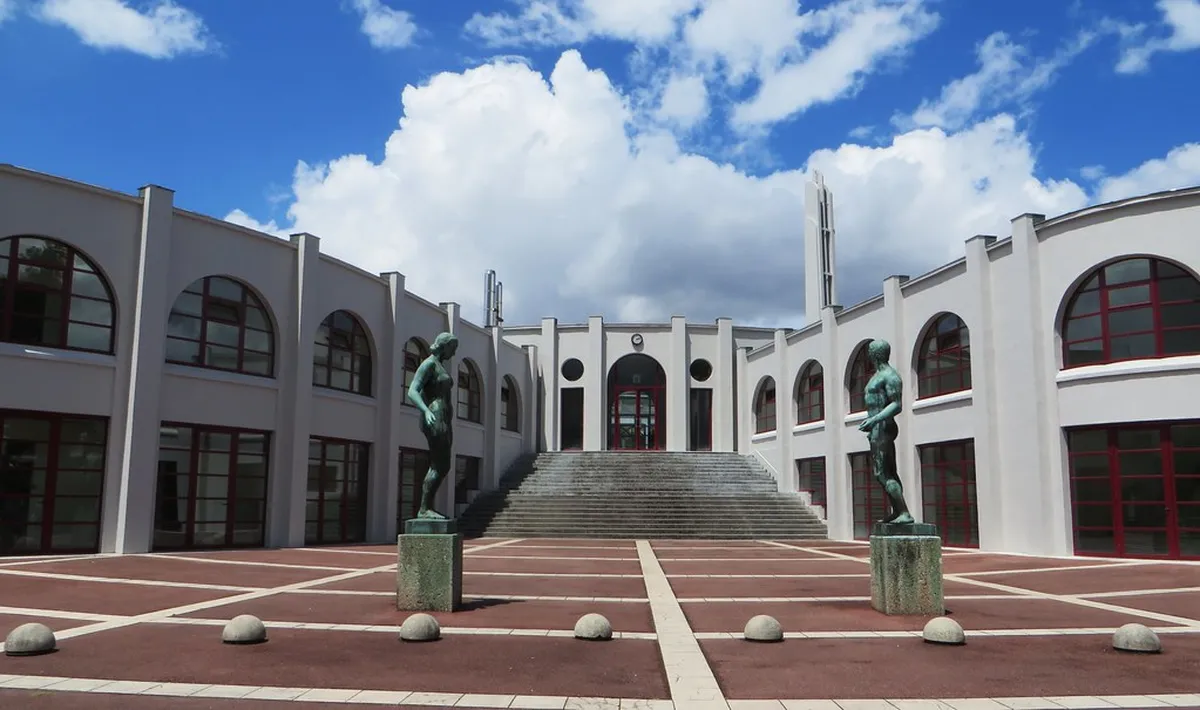
The Lescure neighborhood is a treasure trove for fans of 1930s urban design. This area was developed around the massive Stade Chaban-Delmas sports stadium. It contains dozens of private villas that showcase a variety of Art Deco styles. You will find everything from simple geometric boxes to ornate floral designs.
Many wealthy families built their homes here to escape the crowded city center. The houses often feature beautiful stained glass windows and curved wrought iron balconies. Look for the colorful mosaics that decorate the doorways of these private residences. Each house tells a story of the person who originally commissioned it.
The stadium itself is a masterpiece of 20th-century concrete engineering and design. It was one of the first stadiums in the world to have cantilevered roofs. This allowed spectators to watch games without any pillars blocking their clear view. You can walk around the exterior of the stadium to admire the scale.
Walking through Lescure is free and offers endless opportunities for architectural photography. The streets are lined with trees that provide shade during the hot summer months. Most of these buildings are private homes, so please respect the residents' privacy. Stay on the public sidewalks while you admire the beautiful garden gates.
You can reach this district easily by taking Tram Line A from downtown. Get off at the Stade Chaban-Delmas stop to begin your walking tour. The area is very safe and perfect for a relaxing afternoon stroll. Bring a camera to capture the unique details of the residential facades.
Architectural Features of Bordeaux Art Deco Style
Bordeaux Art Deco is easy to identify once you know what to seek. Look for repeating geometric shapes like circles, triangles, and sharp zig-zag patterns. These motifs appear on stone walls, metal gates, and even wooden front doors. The symmetry of the buildings provides a sense of order and modern balance.
Architects in this region often used a mix of stone and industrial materials. The local limestone provides a warm color that glows in the afternoon sun. Decorative elements often include stylized flowers, tropical fruits, and various nautical themes. These designs reflect the city's history as a major international trading port.
Wrought ironwork is another essential feature of the local style in Bordeaux. You will see intricate grilles over windows and elegant railings on every balcony. These metal pieces were often handcrafted by local artisans using traditional French techniques. They add a layer of luxury and detail to the simple concrete structures.
- Geometric Facades: Focus on clean lines and repeating shapes in stone.
- Stylized Motifs: Look for carvings of flowers, fountains, and local wildlife.
- Iron Details: Pay attention to the decorative metalwork on doors and windows.
- Modern Materials: Notice the use of reinforced concrete and large glass panels.
Interior spaces from this era often feature grand staircases and colorful mosaic floors. The use of light was very important to architects working in the 1930s. They designed large windows to bring the outdoors inside for a healthy lifestyle. This focus on light and air was a major change from earlier styles.
Practical Tips for Your Art Deco Tour
The best way to see these sites is by booking an architecture walking tour online. Professional guides can provide deep historical context that you might miss alone. They know the exact locations of the most impressive private villas and public buildings. Tours usually last about two hours and cover several different city neighborhoods.
If you prefer exploring alone, download a digital map of the city districts. Wear comfortable walking shoes because you will cover a lot of ground today. The tram system is the best way to travel between the different architectural zones. You can buy a day pass for around five euros at any station.
Spring and autumn are the best seasons for architectural photography in France. The soft light during these months makes the stone facades look absolutely stunning. Summer can be very hot, which makes walking long distances quite difficult for visitors. Always carry a bottle of water and wear sunscreen while you are out.
Many public buildings like the Piscine Judaïque have specific opening hours for visitors. Check their schedules before you leave your hotel to avoid any major disappointment. Some sites may be closed on Mondays or during local public holidays in France. Planning ahead ensures you see everything on your architectural bucket list.
Take some time to visit a local cafe in the Lescure or Caudéran districts. These neighborhoods offer a more authentic look at daily life in the city today. You can enjoy a coffee while watching locals go about their modern routines. It is the perfect way to end your day of architectural discovery.
Frequently Asked Questions
Where are the best Bordeaux Art Deco buildings located?
Most Art Deco gems are in the Lescure and Caudéran residential districts. The Piscine Judaïque is located near the city center on Rue Judaïque. You can also find several commercial examples near the main train station.
Can I go inside the Art Deco buildings in Bordeaux?
Public buildings like the Piscine Judaïque and Theatre La Pergola allow visitors inside. However, most Art Deco houses in Lescure are private residences today. You must admire these beautiful homes from the public sidewalk only.
How much does it cost to see these architectural sites?
Walking around the neighborhoods to see the exterior facades is completely free. Entering the swimming pool costs about five euros for an adult ticket. Guided tours usually range from fifteen to twenty-five euros per person.
Is Art Deco different from Art Nouveau in Bordeaux?
Yes, Art Deco uses straight lines and geometric shapes instead of curves. Art Nouveau is known for flowing, organic forms that look like plants. Art Deco represents the industrial age while Art Nouveau looks more natural.
Bordeaux offers a rich collection of 20th-century architecture that every traveler should explore. From public pools to private villas, these Bordeaux Art Deco buildings are truly spectacular. We hope this guide helps you plan an unforgettable architectural journey in 2025. Start your adventure today by booking a local tour or jumping on a tram!
Key Takeaways
- Visit the Piscine Judaïque for the best example of public Art Deco.
- Explore the Lescure district to see beautiful private villas and homes.
- Use the local tram system to reach different architectural sites easily.
- Look for geometric patterns and ironwork as key style identifiers.
Related reads: architecturebycity.com, bordeaux neoclassical architecture.