
Bordeaux Swimming Pool Judaïque Architecture Guide
Explore the stunning Bordeaux swimming pool Judaïque architecture. Discover this Art Deco landmark in France. Plan your 2025 visit to the historic site today!
On this page
Bordeaux is a city known for its historic beauty and grand designs. One unique site is the Piscine Judaïque, a true masterpiece of local design. This facility serves as a primary example of Bordeaux swimming pool Judaïque architecture. It combines functional sport spaces with high artistic value from the early twentieth century.
The building stands as a testament to the city's rich cultural growth. Many tourists visit the site to admire its unique structural features. It remains one of the most celebrated Bordeaux Art Deco buildings still in use. You will find it located in the vibrant heart of the city's center.
Swimming here offers a rare chance to experience history firsthand. The atmosphere reflects the elegance of a bygone era of French design. Architects and history buffs often gather here to study the specific facade. This guide covers everything you need to know for your 2025 visit.
History of the Judaïque Swimming Pool
The history of this site begins in the early 1930s. Bordeaux needed a modern space for public health and recreation. Architect Louis Madeline received the commission to design the grand structure. He envisioned a space that combined utility with striking visual appeal.
Construction took several years to complete during a time of change. The pool officially opened its doors to the public in 1935. It quickly became a social hub for residents in the surrounding neighborhood. People loved the bright interiors and the innovative use of space.
The design reflected the social ideals of the French Third Republic. Public pools were seen as essential for improving national physical health. Madeline focused on creating an environment that felt both clean and grand. The result was a landmark that remains famous in southern France.
Over the decades, the facility has undergone several important renovations. These updates ensured the building met modern safety and hygiene standards. However, the original character of the building has been carefully preserved. It stands today as a perfectly maintained piece of local history.
You can see how the pool evolved by looking at old photos. The core structure has remained largely unchanged since the grand opening. This consistency makes it a vital stop for any history enthusiast. It showcases the architectural ambition of the mid-twentieth century perfectly.
Art Deco Design and Aesthetic Features
The aesthetic of the pool is rooted deeply in the Art Deco movement. You will notice strong geometric patterns throughout the entire interior space. The use of bold lines creates a sense of constant movement. It represents the pinnacle of architecture in Bordeaux during that era.
Mosaics play a significant role in the visual identity of the pool. Small tiles create intricate patterns along the walls and the floor. The color palette often features shades of blue, white, and gold. These colors reflect the water and provide a bright, airy feeling.
The ceiling is another standout feature of the main swimming hall. It uses large glass sections to allow natural light to enter. This creates a shimmering effect on the surface of the pool water. It makes the indoor space feel connected to the sky above.
Sculptural elements are integrated into the practical parts of the building. Even the diving boards and railings have specific stylistic choices. Every detail was planned to contribute to a unified artistic vision. This level of craftsmanship is rare in modern public utility buildings.
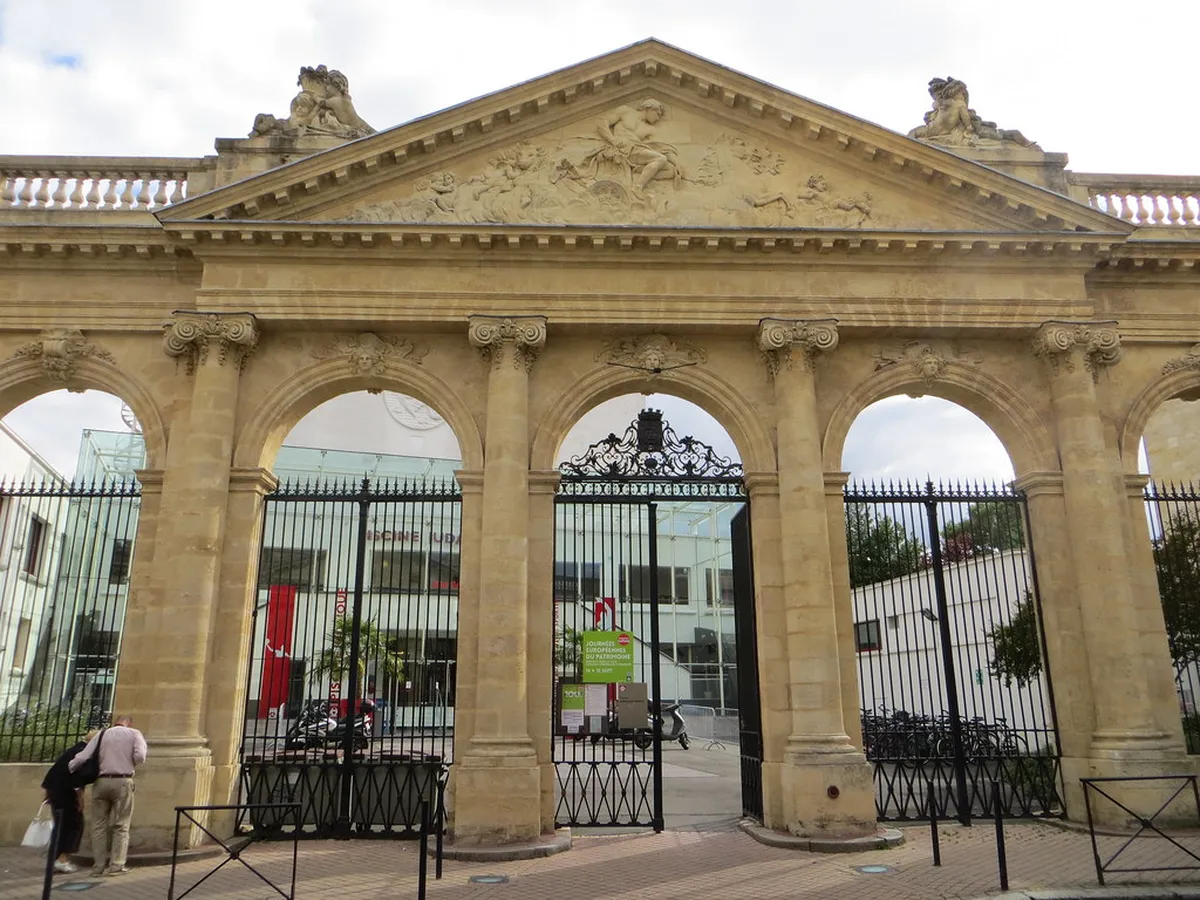
Visitors often spend time just looking at the decorative entrance hall. The doors and windows feature ironwork that is typical of the period. It creates a grand sense of arrival for every swimmer and guest. The building truly celebrates the beauty of industrial and artistic fusion.
The Transition to the Olympic Pool Expansion
As the city grew, the need for more space became very clear. The original pool was beautiful but too small for large competitions. In the 1960s, the city decided to expand the existing facility. They added a new section specifically for Olympic-sized swimming events.
Architects faced a challenge when designing this new modern addition. They had to respect the original Art Deco style while being functional. The new pool features a retractable roof for use in summer months. This innovation allows for a versatile year-round swimming experience for all.
The expansion successfully blended the old and the new together. You can walk between the two sections and feel the history change. The older pool is now used mostly for leisure and lessons. The Olympic pool hosts serious athletes and local swimming club meets.
This growth helped Bordeaux become a center for national aquatic sports. The facility can now hold hundreds of spectators for various competitions. It serves as a model for how to update historic landmarks. The transition feels natural and does not ruin the original beauty.
The Olympic section uses concrete and steel in a very different way. It shows the shift toward Brutalism and Modernism in the late sixties. However, the two styles coexist peacefully on the same city block. This mix makes the site even more interesting for visitors.
Structural Materials and Construction Techniques
Louis Madeline utilized reinforced concrete for the primary structural frame. This material was revolutionary and allowed for large, open indoor spaces. It provided the strength needed to support the massive glass roof sections. Concrete also allowed for the smooth, curved shapes seen in Art Deco.
The use of ceramics was also a key part of construction. Special tiles were imported to ensure durability in a humid environment. These tiles resist chemicals and stay colorful after decades of heavy use. The quality of these materials has prevented significant structural decay over time.
Engineers focused on the acoustics of the large swimming hall during design. They used specific wall textures to help dampen the sound of splashing. This makes the environment more pleasant for swimmers and staff alike. It shows a deep level of technical planning for the period.
The lighting systems were also considered highly advanced for the 1930s. Electrical fixtures were hidden within the architectural details to avoid glare. This creates a soft, even glow throughout the entire facility at night. It adds to the magical atmosphere during late evening swim sessions.
Maintenance of these materials requires specialized knowledge from local heritage experts. Periodic cleaning of the mosaics ensures the colors remain vibrant and bright. The city invests heavily in preserving these original construction techniques for future generations. It is a labor of love for the local community.
Visiting the Pool in 2025: Practical Guide
Planning a trip to see this landmark in 2025 is very easy. The pool is located at 164 Rue Judaïque in central Bordeaux. It is accessible by several bus lines and the local tram system. You should check the official website for current opening hours daily.
Admission prices are very affordable for both locals and tourists today. A single entry usually costs between five and seven euros for adults. Reduced rates are available for students, seniors, and large family groups. It is one of the best value cultural experiences in the city.
You can include this stop on several Bordeaux architecture walking tours. Most tours spend about thirty minutes explaining the facade and interior design. If you want to swim, remember to bring a proper swimsuit. French pools often require specific styles of swimwear for hygiene reasons.
The facility offers lockers, showers, and changing rooms for all guests. There is also a small cafe nearby for a quick snack. Visiting during the weekday morning is usually the quietest time to go. This allows you to admire the architecture without the large crowds.
Be sure to bring a camera to capture the exterior details. Photography is sometimes restricted inside the pool area for privacy reasons. Always ask the staff for permission before taking photos of the interior. They are usually very proud of the building and helpful to guests.
Louis Madeline and His Architectural Legacy
Louis Madeline was a prominent figure in French architectural circles during his life. He won the prestigious Prix de Rome for his early student work. His style often combined classical proportions with modern, clean decorative elements. The Judaïque pool is considered one of his finest public works.
His vision helped shape the modern identity of several French cities. Madeline believed that public buildings should inspire the common citizen every day. He wanted even a simple swim to feel like a grand event. This philosophy is evident in every corner of the Judaïque facility.
The architect also worked on various residential and commercial projects across France. However, his work in Bordeaux remains a highlight of his long career. It shows his ability to handle complex engineering and artistic tasks simultaneously. His influence can still be felt in local design schools today.
The city of Bordeaux continues to honor his memory through careful preservation. They treat his buildings as essential parts of the urban fabric and history. Madeline’s work serves as a bridge between the old and the new. It reminds us that functional buildings can also be beautiful works of art.
Studying his work provides insight into the mid-century French design mindset. He paved the way for future architects to experiment with new materials. His legacy is found in the joy of the people using the pool. It remains a living monument to his talent and dedication.
Frequently Asked Questions
Can I visit the Piscine Judaïque just for a tour?
Yes, you can visit the building just to see the architecture. However, you may need to pay a small entry fee to enter. Most visitors combine a tour with a refreshing swim session. The staff is usually happy to let you look around briefly.
What are the rules for swimming at the Bordeaux pool?
French public pools have strict rules for all visitors and swimmers. You must wear a swim cap and proper speedo-style trunks for men. Loose swim shorts are usually not allowed for hygiene reasons. Always bring a towel and soap for the mandatory pre-swim shower.
Is the Piscine Judaïque accessible for people with disabilities?
The facility has been updated to improve access for all visitors recently. There are lifts and ramps available for those with limited mobility. Some areas of the historic building may still have narrow corridors. It is best to contact the staff ahead of your visit.
How do I get to the Judaïque pool from the train station?
You can take a bus or the tram from Saint-Jean station. The trip usually takes about twenty to thirty minutes in total. Using a bike-share service is also a great way to travel. The route is very flat and easy for most casual cyclists.
The Bordeaux swimming pool Judaïque architecture is a must-see for any traveler. It perfectly captures the spirit of the Art Deco movement in France. Whether you swim or just look, the experience is truly unique. Make sure to add this historic site to your 2025 travel itinerary soon. Explore the city further with architecture in Bordeaux resources today.
Key Takeaways
- The Piscine Judaïque is a premier example of Art Deco design in Bordeaux.
- The facility features both a historic 1930s pool and a modern Olympic expansion.
- Visitors should follow specific French swimwear rules when planning to swim here.
- The pool is centrally located and very affordable for international tourists.
Related reads: architecturebycity.com, lescure district art deco architecture, theatre la pergola art deco facade.