
Lescure District Art Deco Architecture in Bordeaux
Explore Lescure district Art Deco architecture in Bordeaux. See iconic 1930s buildings and hidden gems in our 2025 guide. Start your tour today!
On this page
Bordeaux offers more than just wine and historic stone buildings. The Lescure district Art Deco architecture stands as a stunning hidden gem. This neighborhood showcases the bold and geometric style of the 1930s. Visitors can see unique patterns and beautiful decorative motifs here.
This guide helps you find the best spots in this area. It is a perfect destination for architecture lovers in 2025. You will discover how this district changed the face of the city. Each street offers a new look at a modern past.
History of the Lescure District Architecture
The development of the Lescure area began in the early 20th century. Local leaders wanted to expand the city beyond its medieval center. This district became a hub for modern urban planning and design. Architects chose the Art Deco style to reflect progress and health.
These Bordeaux Art Deco buildings define the local landscape and culture. The style uses reinforced concrete to create bold new shapes. This material allowed builders to design flat roofs and wide windows. You can see these features on many residential streets today.
The interwar period brought a unique look to these neighborhoods. People wanted homes that were bright, airy, and very functional. Artists and designers collaborated to decorate the facades with carvings. This movement turned simple houses into beautiful works of public art. It represents a time of great optimism in French history.
Many of these buildings have survived well into the year 2025. They are now protected as important parts of local heritage. Walking through these streets feels like entering a different era. You will notice the contrast with the older neoclassical city center.
Key Art Deco Landmarks in Lescure
The Stade Chaban-Delmas is the most famous landmark in Lescure. It was built for the 1938 World Cup as a stadium. The structure features striking concrete arches and very clean lines. It perfectly represents the functional beauty of the Art Deco era.
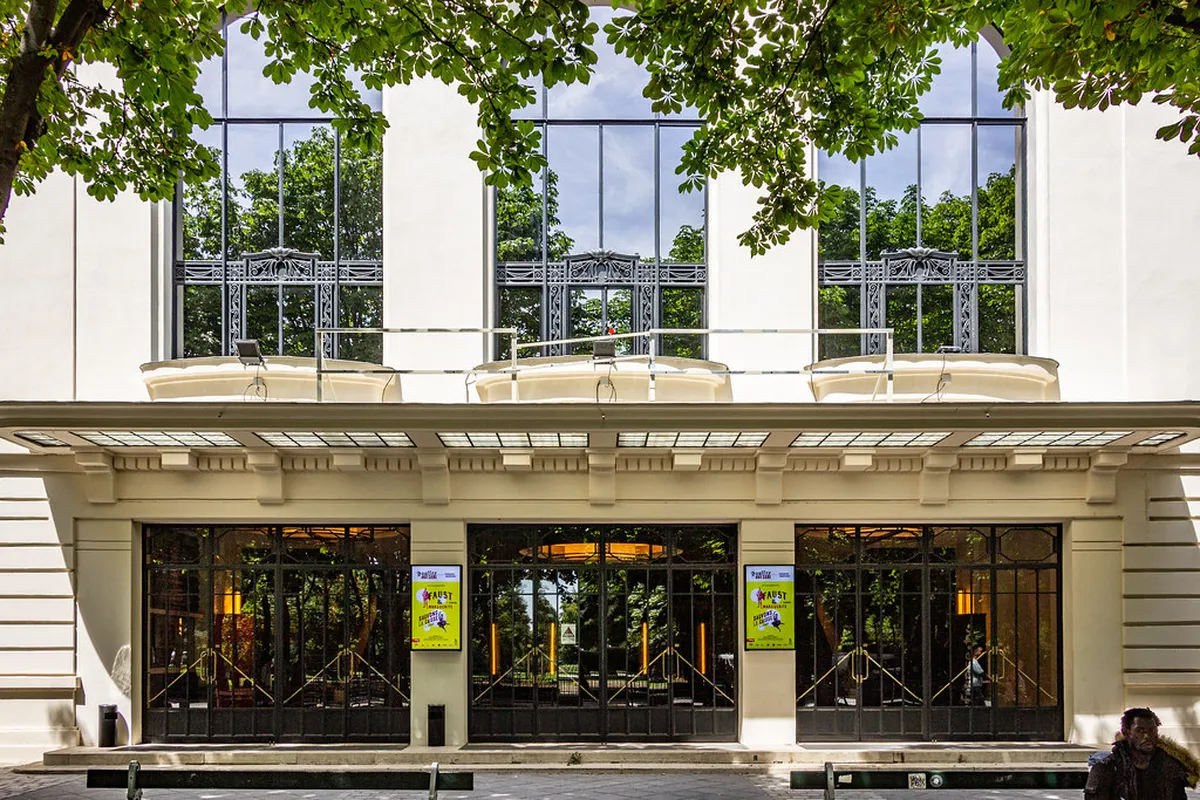
Another must-see site is the theatre La Pergola Art Deco facade nearby. This cultural center displays intricate geometric details and stylized carvings. The theater served the local working-class community for many decades. It remains a vital part of the arts scene today.
Look for the residential villas along the main avenues here. These homes often feature iron balconies with floral or linear designs. Many have porthole windows that mimic the style of cruise ships. This nautical theme was very popular in 1930s French design. Each building has a unique personality and decorative charm.
The use of color is also quite specific in this area. You will see soft pastels mixed with white concrete surfaces. These choices make the buildings stand out against the blue sky. The architects focused on harmony between the structure and its ornament. This creates a very cohesive look across the whole neighborhood.
Art Deco Styles and Materials Used
Architects in Lescure favored reinforced concrete for its incredible strength. This material allowed for thin walls and very large openings. It was a radical change from the heavy limestone used downtown. Modernity was the main goal for every builder in the district.
Decorative elements were often cast directly into the concrete facades. You might see patterns of wheat, flowers, or abstract sunbursts. These symbols represented nature and the bounty of the French countryside. The details are usually symmetrical and very pleasing to the eye. This symmetry is a core rule of Art Deco design.
Wrought iron also plays a major role in the neighborhood look. Expert metalworkers created gates and railings with very complex patterns. These features add a touch of luxury to the simple buildings. You can find these details on almost every street corner. They show the high level of craft during the 1930s.
Glass was used in new ways to bring in light. Large horizontal windows replaced the tall vertical style of the past. Some buildings even feature stained glass in their entrance halls. These colorful windows often depict local scenes or geometric shapes. They transform the interior spaces with vibrant light and color.
Residential Gems and Hidden Streets
The small streets around the stadium hold many architectural surprises. Take a slow walk to notice the varied rooflines here. Some houses look like stacks of geometric blocks or boxes. This style is often called the international or streamline modern. It focuses on movement and the speed of the modern age.
The Avenue du Parc de Lescure is a great starting point. It features some of the most expensive villas in the district. Many of these homes have private gardens and hidden courtyards. The privacy of the residents was a key design factor. You can admire the gate designs from the sidewalk easily.
Pay attention to the front doors of these 1930s homes. They are often the most decorated part of the whole house. Many doors use glass and metal in very creative ways. The house numbers are frequently written in classic Art Deco fonts. These small details contribute to the overall historic atmosphere.
Visiting these streets allows you to escape the crowded tourist spots. It offers a quiet look at how people lived in Bordeaux. The neighborhood feels authentic and has a very strong local identity. You can see how architecture in Bordeaux has evolved over the years. It is a wonderful place for a peaceful afternoon walk.
The Influence of Sports on Urban Design
The stadium was the heart of the original district master plan. It was meant to promote health and fitness for citizens. The surrounding parkland provided space for outdoor activities and fresh air. This connection between sport and design was a modern concept. It shaped how the whole neighborhood grew over several decades.
The stadium is famous for being the first without pillars. This design gave every spectator a clear view of the field. It was an engineering marvel for the time of its construction. The cantilevered roof seems to float over the seating area. It still hosts major matches and events in 2025.
Local residents take great pride in this massive sporting monument. It has become a symbol of the Lescure district over time. The surrounding cafes are often filled with fans on match days. You can feel the energy of the community in these spaces. It is a great place to experience local life.
The architecture of the stadium influences nearby smaller buildings too. You can see similar curved lines and concrete finishes everywhere. This creates a sense of unity throughout the entire sports complex. It is a rare example of a fully planned Art Deco zone. Few cities have preserved such a large area of this style.
Planning Your Visit to Lescure in 2025
Getting to Lescure is very easy using the Bordeaux tram system. Take Line A towards Pin Galant or Haillan Rostand. Get off at the Stade Chaban-Delmas stop for direct access. The journey from the city center takes about fifteen minutes. It is a convenient trip for any visitor to the city.
The best time for a walk is during the morning light. The sun hits the facades and highlights the decorative carvings. Spring and fall offer the most comfortable weather for exploring. Summer days can be quite hot on the paved neighborhood streets. Plan for about two hours to see the main highlights.
- Wear comfortable walking shoes for the uneven sidewalks.
- Bring a camera to capture the unique geometric details.
- Check stadium schedules if you want to tour the interior.
- Visit a local bakery to enjoy a snack during your walk.
Many local cafes offer affordable lunch options for hungry travelers. Look for the small bistros where the locals eat their meals. These spots often have a charming 1930s vibe and decor. You will find that the area is very welcoming and safe. It is a highlight for anyone interested in urban history.
Frequently Asked Questions
Where exactly is the Lescure district in Bordeaux?
The Lescure district is located just west of the city center. It sits between the Meriadeck area and the town of Talence. You can easily reach it by taking the tram Line A. Most visitors start their walk at the Chaban-Delmas stadium.
What is the most famous Art Deco building in Lescure?
The Stade Chaban-Delmas is the most famous building in the area. It is known for its incredible concrete arches and pillar-less design. The stadium was a major project for the 1938 World Cup. It remains an iconic landmark for the whole city today.
Are there guided tours of Lescure's architecture?
Yes, local tourism offices often offer specific architecture walking tours. Some private guides also specialize in the 20th-century history of Bordeaux. You can find many self-guided maps online for a flexible visit. These tours highlight the best examples of Art Deco design.
Is the Lescure district safe for tourists to explore?
Lescure is a very safe and quiet residential neighborhood in Bordeaux. It is popular with families and local sports fans. You can feel comfortable walking the streets during the day or evening. Just follow normal travel safety tips while you explore.
The Lescure district Art Deco architecture offers a unique look at Bordeaux. It provides a refreshing change from the older parts of the city. You can discover beautiful buildings and rich history in every street. Plan your visit in 2025 to see these modern masterpieces. This neighborhood is truly a highlight for any travel itinerary.
Key Takeaways
- Visit the Stade Chaban-Delmas for iconic 1938 concrete architecture.
- Take Tram Line A for easy access from the city center.
- Look for geometric carvings and ironwork on residential villa facades.
- Explore the quiet side streets to find hidden 1930s architectural gems.
Related reads: architecturebycity.com, bordeaux swimming pool judaique architecture, bordeaux neoclassical architecture.